
It was a crazily busy year: at Fanshu’s “Feifan” I did more than a dozen deep-dive book sessions, and translated two books (not published yet). My movie-watching and reading numbers plummeted:


Just a casual roundup—
【Movies】
Best Serious Movie of the Year:
Anatomie d’une chute (2023)
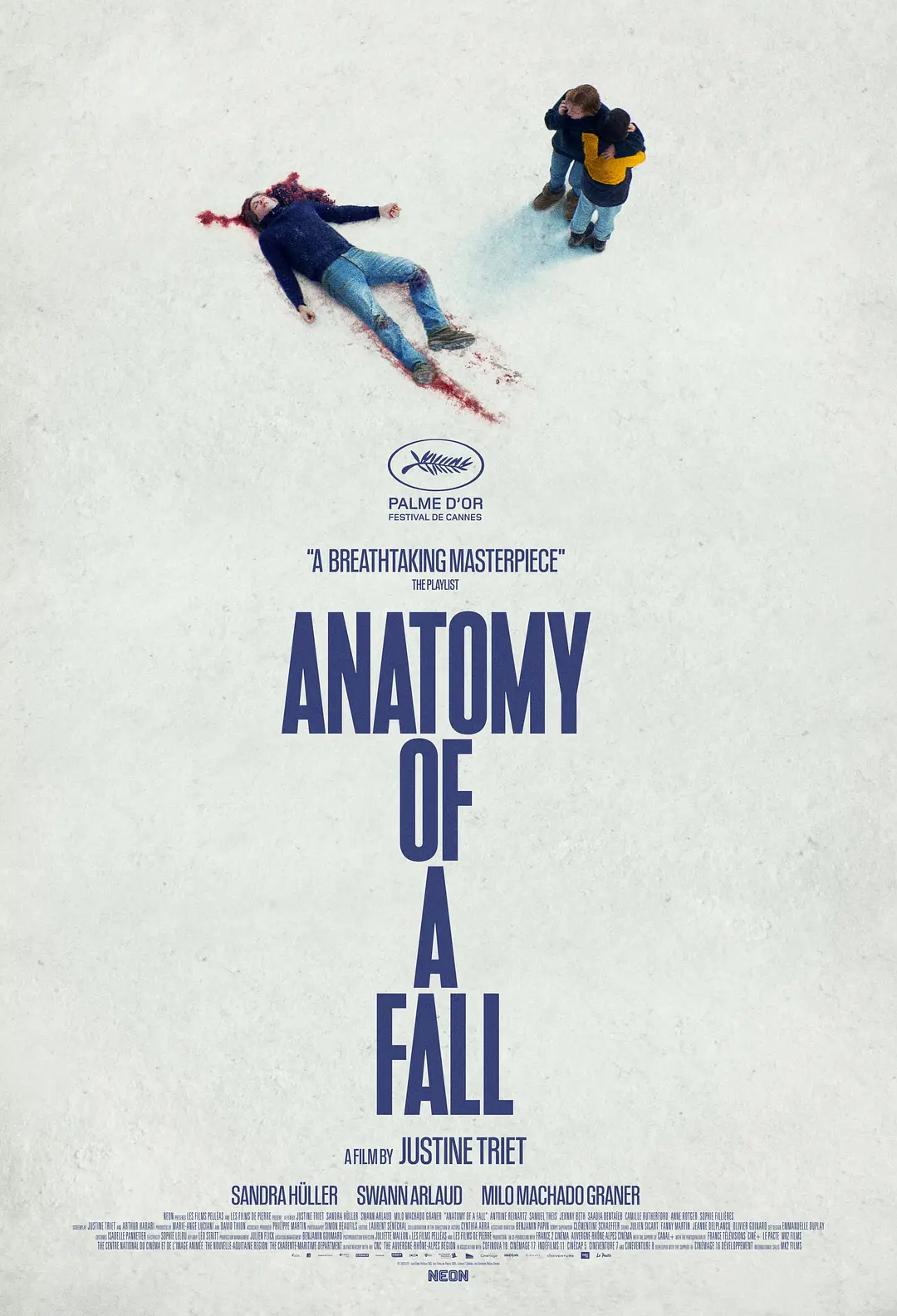
Absolutely explosive. I don’t know how else to describe how good it is.
Best Not-So-Serious Movie of the Year:
Men (2022)
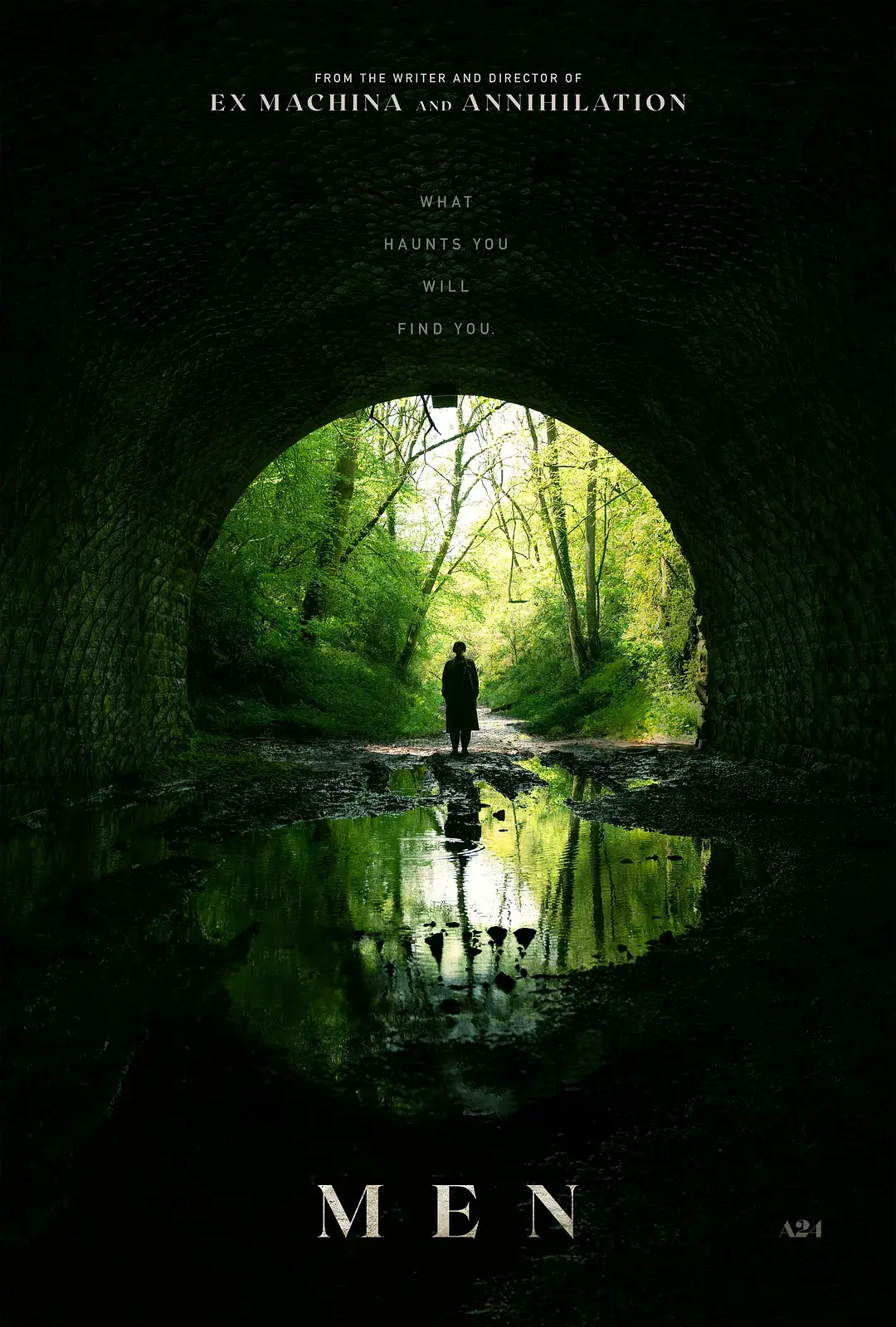
If you don’t have enough horror-movie mileage under your belt, don’t try this one. Some images may leave you with lifelong psychological scars, but I loved it far too much. Alex Garland wrote the screenplay for my favorite science-fiction movie (Sunshine), and now he’s directed my favorite horror movie too.
Best Series of the Year:
Better Call Saul Season 6 (2022)
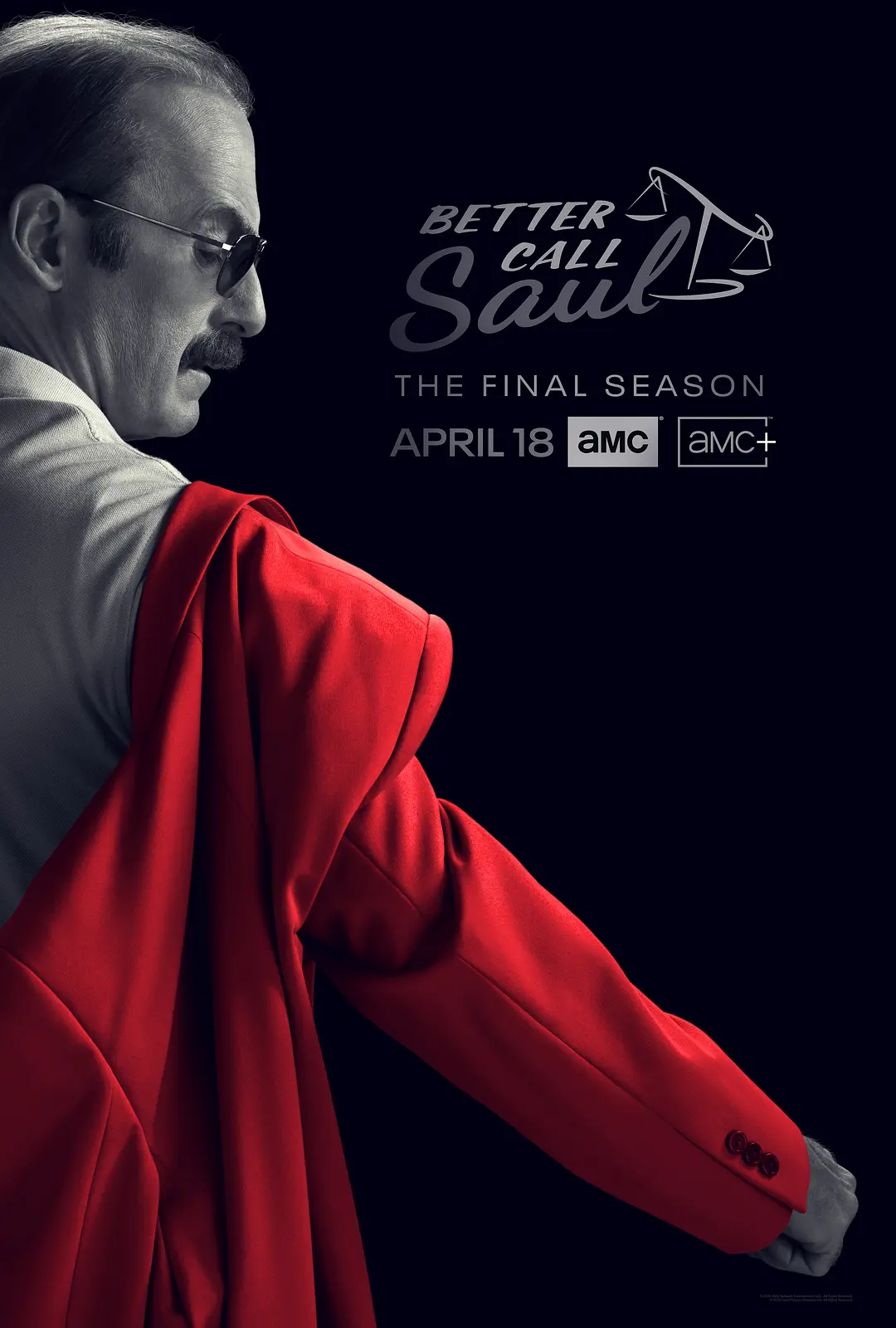
As a whole, the lawyers outdo the meth cooks.
Best Single Episode of the Year:
The Leftovers Season 2 Episode 8 (2015)
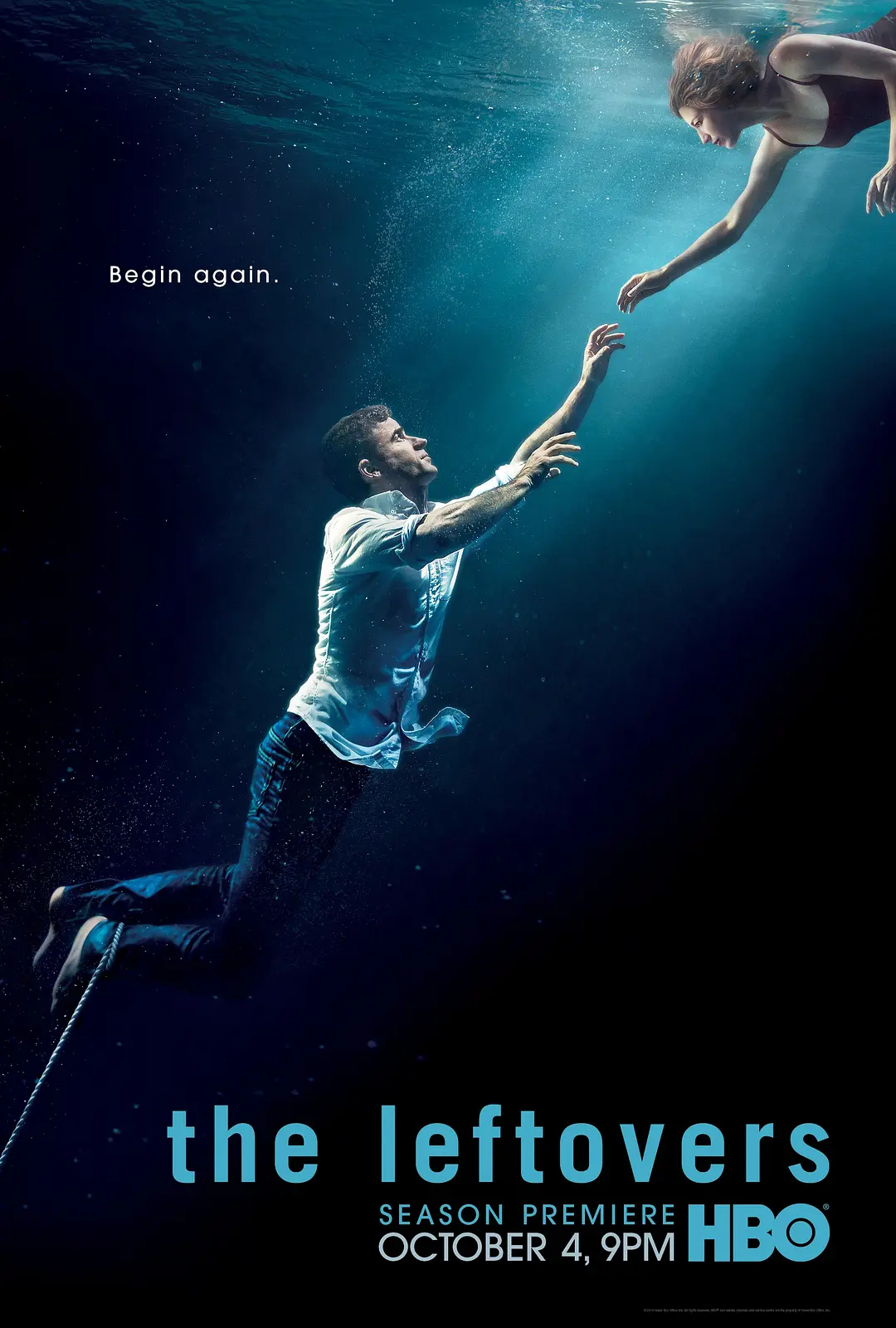
A masterpiece of a show, with Damon Lindelof leading the writing team. The first season was a four-star “neurotic drama”; the second season suddenly ascended straight into masterpiece territory. S02EP08 is a masterpiece among masterpieces.
【Books】
Best Fiction Book of the Year:
Oceanic: Greg Egan’s Classic Science-Fiction Trilogy I
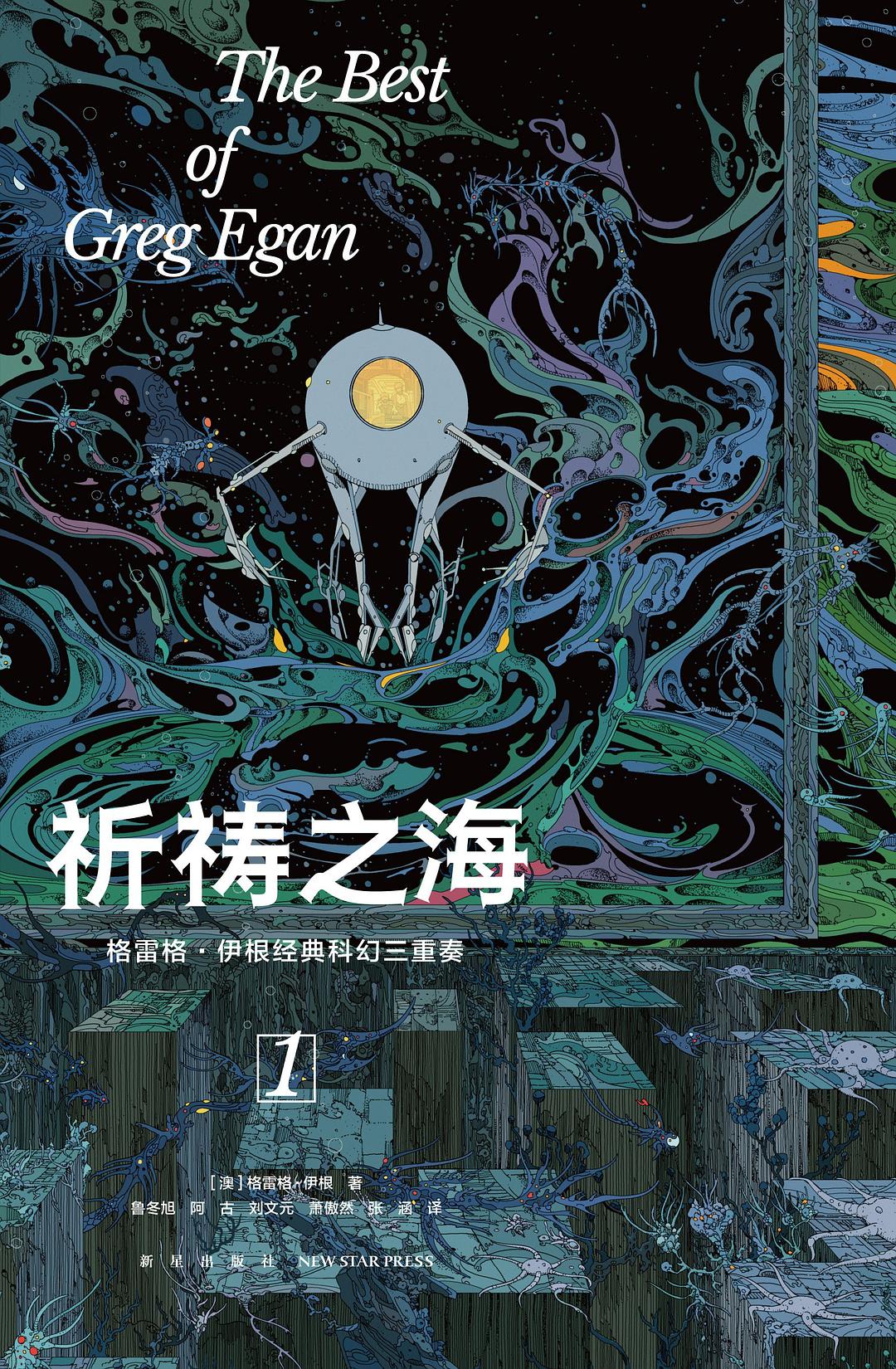
I discovered a god-tier science-fiction writer.
Brief reviews of the short stories in the book:
“Glitter”: turning the mathematical war merely mentioned in The Three-Body Problem into something tangible;
“Learning to Be Me”: can consciousness be copied?
“The Axiom of Inherence”: beliefs can be customized;
“Crystal Nights”: how to create AI;
“Appropriate Love”: the boundaries of ethics;
“Intimacy”: the “problem of other minds” in the philosophy of consciousness;
“The Discrete Charm of the Turing Machine”: free will.
Nearly every short story is a masterpiece. Ironically, the novella that shares the book’s title, “Oceanic,” is pretty mediocre.
Best Nonfiction Book of the Year:
The Dictator’s Handbook: Why Bad Behavior Is Almost Always Good Politics
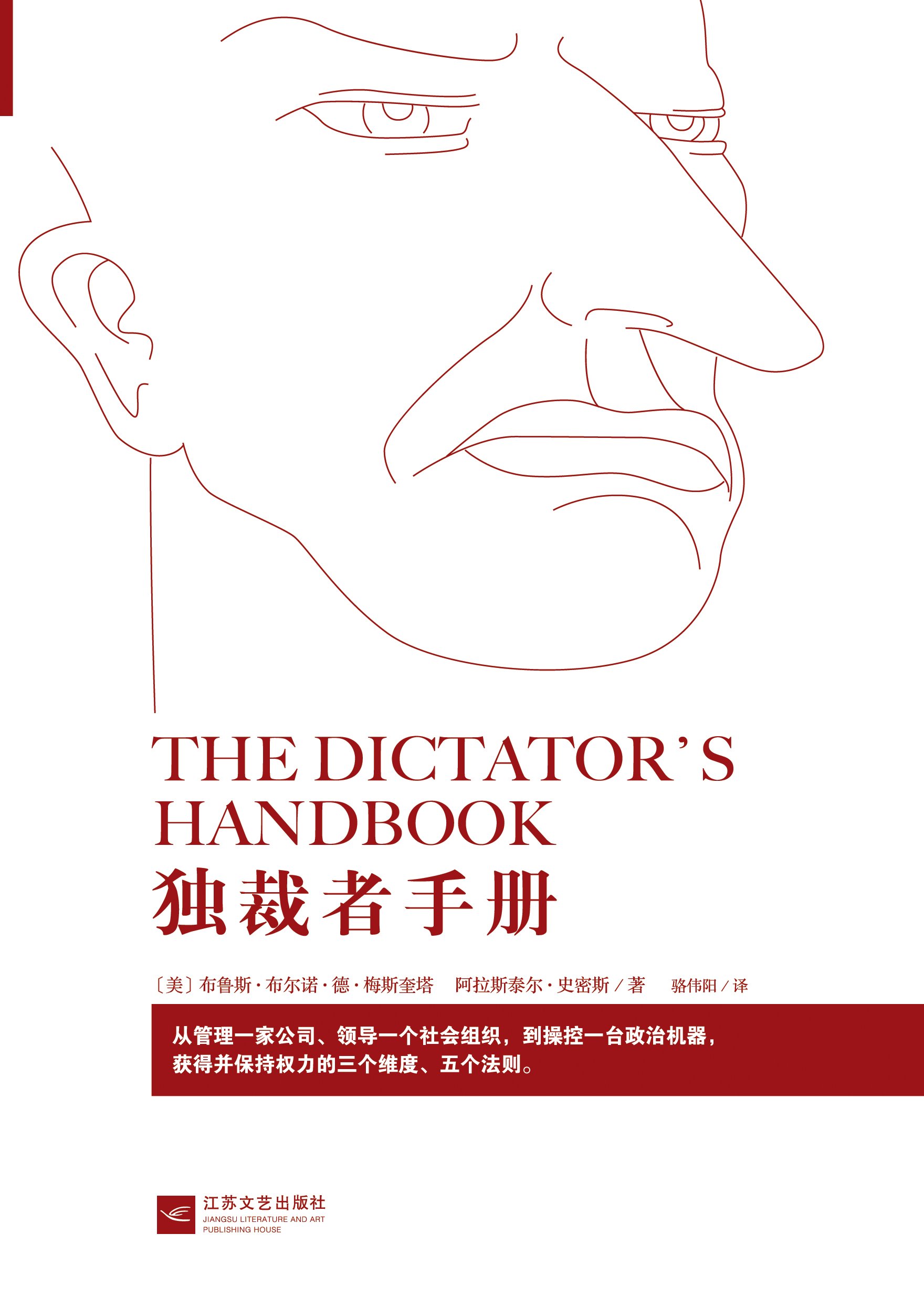
At last, someone has systematically distilled this trick—which has been happening in broad daylight for thousands of years. The theoretical framework itself is very simple; anyone who’s read a little history, or even knows a bit about the dark arts of politics, will find it familiar. But the series of insights derived from that framework is enormously fun: What is the real substance of foreign aid? Why do resource curses exist? Why do dictators sometimes like disasters? What is the real reason wars are so rare between democracies? What is the underlying logic of social change? Analyze it all through the author’s theory, and suddenly everything becomes clear.
Lorem ipsum dolor sit amet, consectetur adipiscing elit. Ut elit tellus, luctus nec ullamcorper mattis, pulvinar dapibus leo.
Original link
- xxxxxxx
Leave a Reply