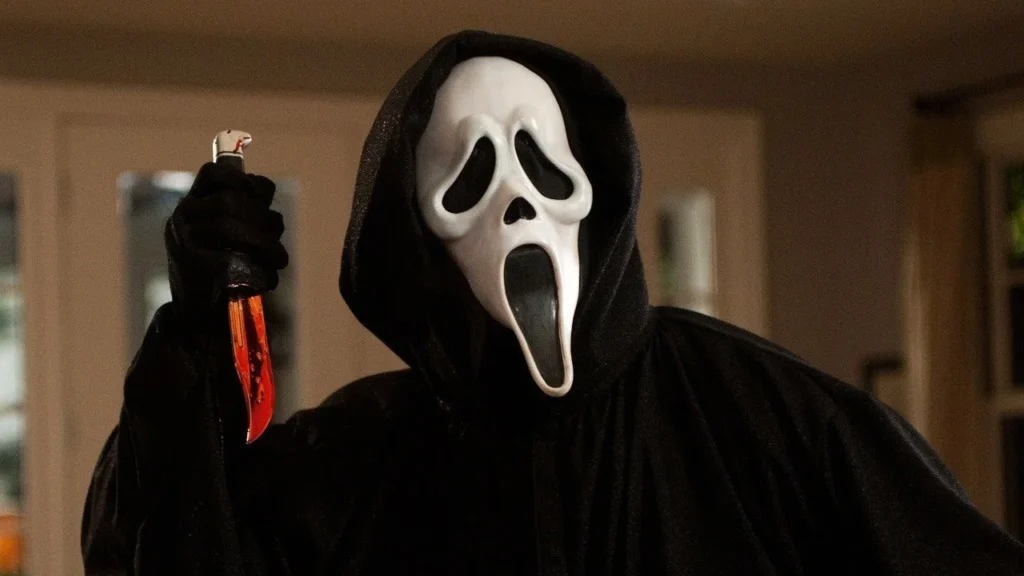
Zhihu question: Will Watching Horror Movies or Listening to Ghost Stories Warp Your Mind?
A recent study says: no.
Coltan Scrivner, a researcher at Aarhus University in Denmark, recently published a preprint paper showing, through three studies, that horror-film fans are just as kind and compassionate as everyone else.
The paper consisted of three studies.
Study 1: People Really Do Have More Negative Views of Horror-Film Fans
In Study 1, Scrivner first wanted to find out whether people held stereotypes about horror-film fans—whether they generally thought fans of horror movies were a little cold-hearted and lacking in empathy.
Scrivner recruited 201 participants and showed them a series of character profiles. Each fictional profile included a person’s age, name, and favorite film genre (action, comedy, drama, or horror).
Based on this information, the participants had to estimate how kind the person was and how strong their empathy was.
The results showed that participants really did have more negative views of horror-film fans: they considered them less kind than action, comedy, and drama fans, and less compassionate than comedy and drama fans.
Study 1 confirmed that people really do have more negative views of horror-film fans.
Study 2: Horror-Film Fans Are No Less Empathetic Than Ordinary People
But does this stereotype hold up?
In Study 2, Scrivner recruited 244 participants and asked them to rate how much they liked five types of horror movies.
The five types of horror movies were:
Gore/splatter horror (typical examples: Hostel and The Hills Have Eyes)
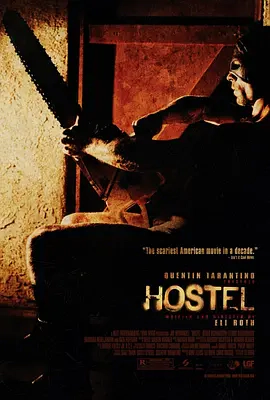
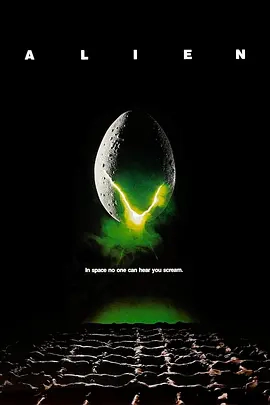
Monster horror (typical examples: Alien and Jaws)
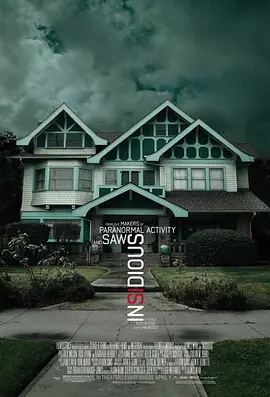
Paranormal horror (typical example: Insidious)
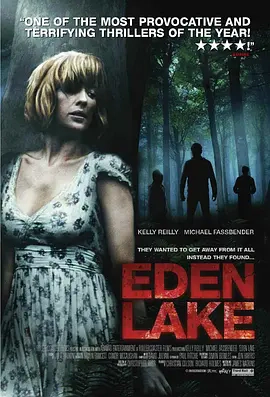
Psychological horror (typical examples: Orphan and Eden Lake)
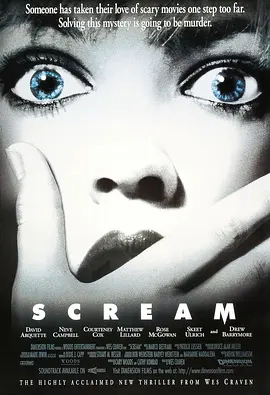
Slasher horror (typical examples: Scream and Friday the 13th)
Next, the participants completed two questionnaires:
The Questionnaire of Cognitive and Affective Empathy measured cognitive empathy (whether they could understand other people’s feelings) and affective empathy (whether they could feel other people’s emotions as their own).
The Psychopathic Personality Inventory short form measured the participants’ level of “cold-heartedness”—in other words, how likely they were to disregard other people’s well-being.
The results were a bit of an eye-opener. For some types, horror-film fans were not only not cold-hearted, but actually looked more prosocial. For example, fans of gore/splatter horror had higher cognitive empathy (that is, they found it easier to understand other people’s feelings), while fans of paranormal horror scored higher on both types of empathy and lower on cold-heartedness.
Overall, a liking for different types of horror movies was associated with lower cold-heartedness and higher cognitive empathy.
This result suggests that the stereotype of horror-film fans as cold and lacking in empathy is completely wrong (the truth may even be exactly the opposite).
Study 3: In Their Actual Behavior, Horror-Film Fans Aren’t Cold-Hearted Either
Scrivner’s next question was whether these horror-film fans might simply have a flattering opinion of themselves (since the questionnaire scores mainly reflected self-assessment).
So he began a third study. One to two weeks after the previous study ended, the researchers contacted the participants who had taken part in it. They told them there was some money left over from the earlier study, and that they had been selected, along with half of the other participants, to receive an extra 0.5 dollar payment each. Then the researchers asked whether they would like to donate part of that money to the other half of the participants, who had not received the extra payment.
The result: half of the people were willing to donate part of their payment, and the amount they donated had nothing to do with how much they liked horror movies—or with their taste (which type of horror movie they liked).
Scrivner concluded that this showed that, in terms of actual behavior, horror-film fans were just as kind and empathetic as everyone else.
In short, these three studies show that the stereotype of horror-film fans as cold-hearted and lacking in empathy doesn’t hold water. Horror-film fans are just as kind and empathetic as other people.
References:
Scrivner, C. (2022). Bleeding-heart horror fans: Enjoyment of horror media is not related to reduced empathy or compassion.
P.S.: This paper is still a preprint, so please interpret the experimental results with caution.
Leave a Reply