
All the joy and emotion movies have given me can be found in these 9 keywords.
At the end of 2012, a movie website asked each of us film critics to recommend 25 “classic great movies Chinese audiences ought to see.” With my extremely amateurish level of expertise, who was I to tell Chinese audiences what they should watch? So I cobbled together a top 25 list of my own favorites and called it a day.
These 25 films are purely my personal favorites; they have nothing objective about them, and they aren’t films I believe Chinese audiences “ought” to see. I have no standing to make that kind of recommendation. Some left a deep impression on me as I was growing up. A few show plenty of flaws when I watch them again as an adult, but that doesn’t diminish my love for them one bit.
Because I grew up in a Chinese small town in the 80s and 90s, and because my knowledge of film and television is spectacularly unprofessional, more than half of the works that left a deep impression on me probably aren’t masterpieces in the eyes of professional critics. To experts, the following list will surely be unbearably “common.”
Putting together a top 25 is actually hard. If we’re talking about my “absolute favorites,” there are far fewer; if we’re talking about films I “really love,” there are far more. Psychology has something called the “primacy effect” and the “recency effect”: what tends to stick most in our minds is what we saw earliest and what we saw most recently. Looking back at this top 25 now, I realize its makeup really does follow that pattern: some were films I watched as a child—the “primacy effect”—while others were films I watched around 2012, when I made the list—the “recency effect.” The primacy effect is basically stable, while the recency effect keeps getting refreshed. So if I made the top 25 again today, quite a few films on this list wouldn’t make the cut.
But more interesting than which specific films made it in is the fact that I realized they can actually be grouped under 9 keywords. These 25 films are representative works that interpret those 9 keywords. The representative works may change, but the keywords perhaps won’t. They’re the elements of cinema I’ve been obsessed with since childhood, and will probably keep obsessing over for the rest of my life.
All the joy and emotion movies have given me can be found in these 9 keywords.
Keyword One: Set Pieces
Representative film: Terminator 2: Judgment Day

As a kid, I watched Terminator 2: Judgment Day at least five or six times just in video parlors. From then on, James Cameron was the “king of set pieces” in my mind. Cameron’s greatness has absolutely nothing to do with the tiny bit of artistic ability he occasionally shows later on (in Titanic, for example). His greatness lies in his genius for imagining action set pieces.
How many classic action set pieces did a single Terminator 2: Judgment Day create? The T-800 and T-1000’s showdown in the mall, the motorcycle-and-truck chase, the T-800 cocking a shotgun with one hand, the T-1000 passing through the bars at the psychiatric hospital, the elevator escape, the machine-gun sweep, the T-1000 leaping from a motorcycle onto a helicopter, the final battle in the steel mill—aren’t all of them classics action and sci-fi fans have been happily raving about for decades?

In Cameron’s other representative film, True Lies, the real scene-stealers aren’t Schwarzenegger either, but the Harrier jet blowing apart the bridge over the sea and hovering beside the skyscraper.

Even in Titanic, the thing that sticks with us most deeply is still “you jump, I jump” and that “arms out, embrace-the-waist” move—aren’t those set pieces too?

Keyword Two: Vibe
Representative film: The Valiant Ones

There’s a dazzling passage in Gu Long’s The Sentimental Swordsman, Ruthless Sword. A-Fei is on his way to kill Shangguan Jinhong, but walking behind him, he unconsciously falls into the rhythm of Shangguan Jinhong’s footsteps—and finds the rhythm so comfortable that he can hardly imagine walking any other way. From this tiny detail alone, we know A-Fei has no chance of killing Shangguan Jinhong: what Shangguan Jinhong radiates is the “vibe of an absolute master.” Shangguan has it; A-Fei doesn’t.
The aura of an absolute master is the ability to let you know you’re no match for him without actually lifting a finger—a word, a glance, a rhythm is enough.
In Jin Yong’s novels, an ultimate master’s greatness usually needs to be built up. A lesser master appears first, making readers think he’s already pretty formidable; then the ultimate master arrives and casually crushes him. Gu Long doesn’t need to write it that way. All he has to do is describe Shangguan Jinhong’s footsteps. The things Gu Long is so good at writing—things difficult to explain or define—are probably what we mean by a “master’s vibe.”
Compared with the martial arts films that Tsui Hark and Ching Siu-tung made later, King Hu’s The Valiant Ones has pretty ugly fight choreography (though of course it may be closer to real combat). But the film captures the “master’s vibe” with extraordinary brilliance. In The Valiant Ones, we can feel the almost hypnotic tension of Shangguan Jinhong’s footsteps in the masters’ every gesture, even in a subtle expression.

Showing physically overwhelming power in a wuxia film is actually easy: one side waves a sleeve, and mountains collapse on the other. But capturing vibe is a severe test of the writer, director, and actors. The Valiant Ones may be the finest example of all.
Keyword Three: The End
Representative film 1: Blade Runner

Representative film 2: Fight Club

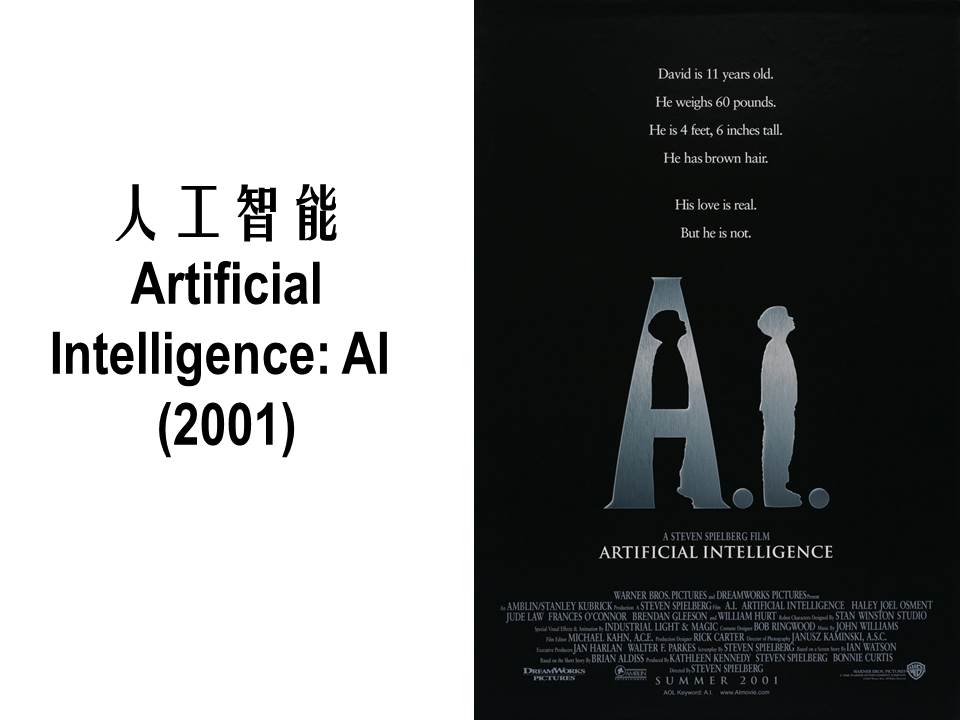
Representative film 3: A.I. Artificial Intelligence
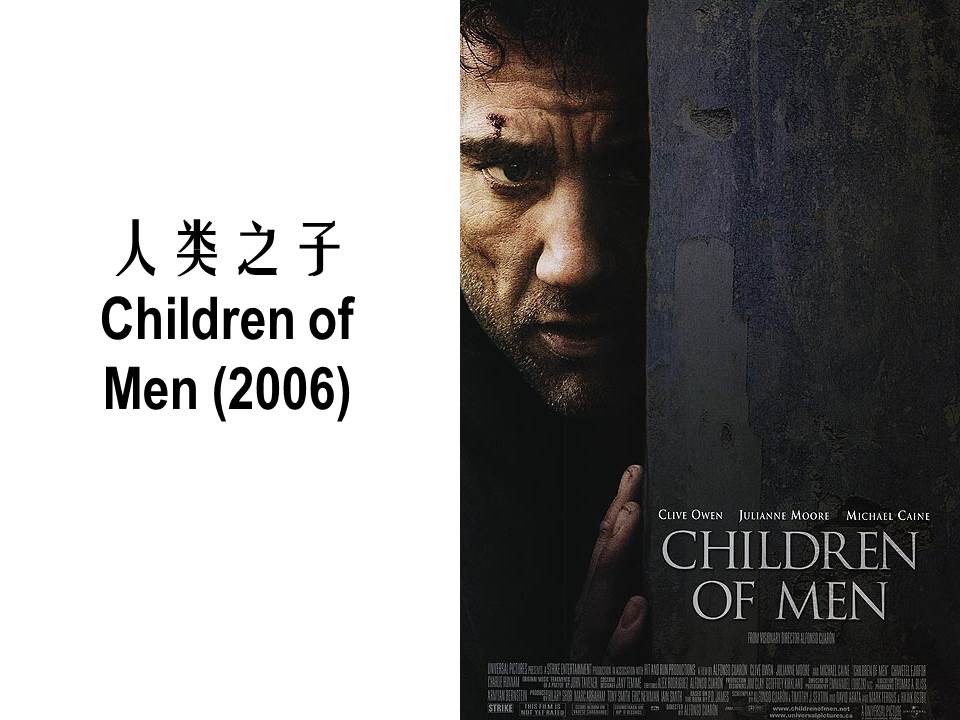
Representative film 4: Children of Men
I don’t know how many people get goosebumps the moment they hear the words “positive energy,” like I do. As someone with a dark interior, I’m often suspicious of things that are too positive, and sometimes they even make me physically uncomfortable.
I don’t like worlds that are too bright, probably because where I come from, brightness always comes with falseness. What feels more comfortable to me is the seemingly perpetually nocturnal world of Blade Runner:

Fight Club has so many elements worth talking about: the last third’s sudden plunge, split consciousness, revolution… But what made me fall in love with it is that final scene, where the protagonist holds his girlfriend’s hand and watches the world collapse before them. For someone as dark as me, that scene is practically the ultimate form of romance:

What moves me most about Children of Men isn’t those astonishing long takes, but the apocalyptic atmosphere of humanity approaching its end that hangs over the film:

In A.I. Artificial Intelligence, the dazed little robot David sits blankly in the ruins of a city submerged beneath the ocean, as though at the end of the world he has glimpsed the end of time:

Rather than admire the beauty of this world, I’d rather watch it come to an end in front of me.
Keyword Four: Eternity
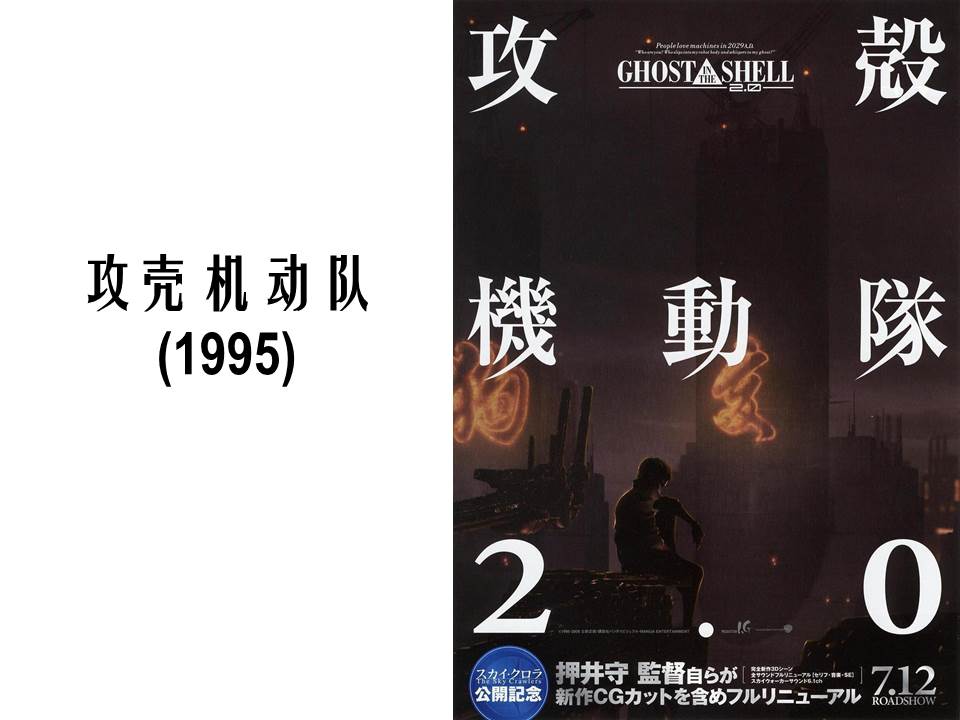
Representative film 1: Ghost in the Shell
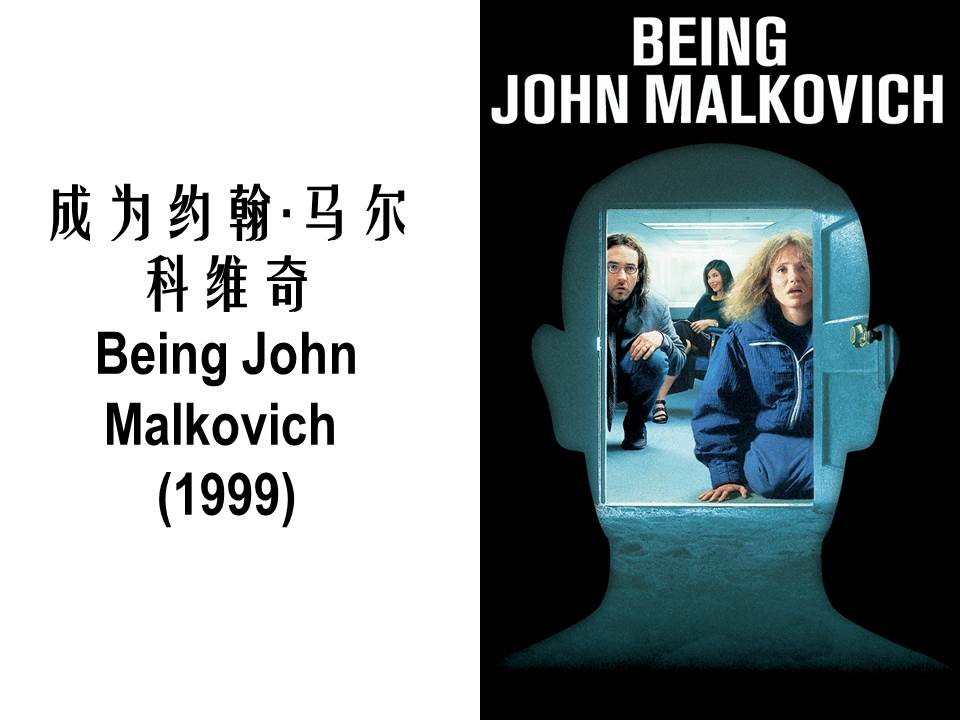
Representative film 2: Being John Malkovich
Representative film 3: The Man from Earth

Oddly enough, “eternity,” a word exactly opposite to “the end,” attracts me just as much. I love the end, but I also love the infinite. I love the loneliness and melancholy that accompany immortality in The Man from Earth; I love the possibility hinted at in Ghost in the Shell that consciousness might escape the body and continue forever; and I love the theme of pursuing immortality wrapped in the dazzling imagination of Being John Malkovich.
Keyword Five: Distortion
Representative film: Audition

One year, I compared a few Japanese and British mystery novels.
I don’t read many mystery novels, and I can rarely deduce the answer before the detective in the book reveals it. But with British and Japanese mysteries, the reasons are different. With British mysteries, I can’t guess the answer because the author has steamrolled my IQ; my wooden head can’t reconstruct the ingenious murder plot in the author’s brilliant brain.
With Japanese mysteries, I can’t guess the answer because the black hole in the author’s heart has steamrolled my dark side. I thought I was already twisted enough, but compared with some Japanese creators, I could pass for a sunny boy!
So, probably thanks to the dark psychology I mentioned above—the part of me hopelessly addicted to negative energy—I fell irretrievably in love with the distortion in Japanese horror and thriller films, which comes from the same lineage as Japanese mystery novels.
Thank you to these Japanese artists for teaching me what it means that “there’s always something more twisted, but never anything absolutely twisted” (entirely meant as praise).
Keyword Six: The Pursuit
Representative film 1: Days of Being Wild

Representative film 2: Millennium Actress

Representative film 3: The Kirishima Thing
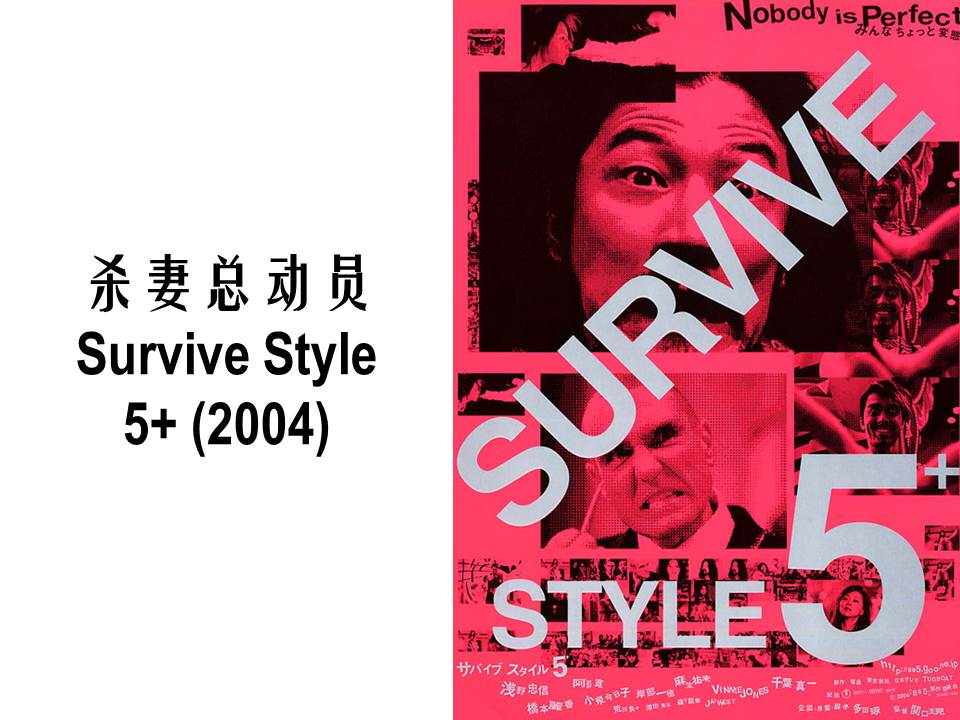
Representative film 4: Eternal Sunshine of the Spotless Mind

Another manifestation of the negative energy in me is that, compared with “gaining,” I love “losing” more. I like the realization in Eternal Sunshine of the Spotless Mind and The Kirishima Thing that you only discover the value of something after losing it. But I don’t mean losing something and then going to get it back. Whether you get it back is completely unimportant; what’s enchanting is the state of pursuit itself.
Days of Being Wild says: “When you can no longer possess something, the only thing you can do is make sure you don’t forget it.” Millennium Actress says: “What I truly love is the journey of pursuing him.”

Lose something, then pursue it—that’s already a perfect ending.
Keyword Seven: Secrets
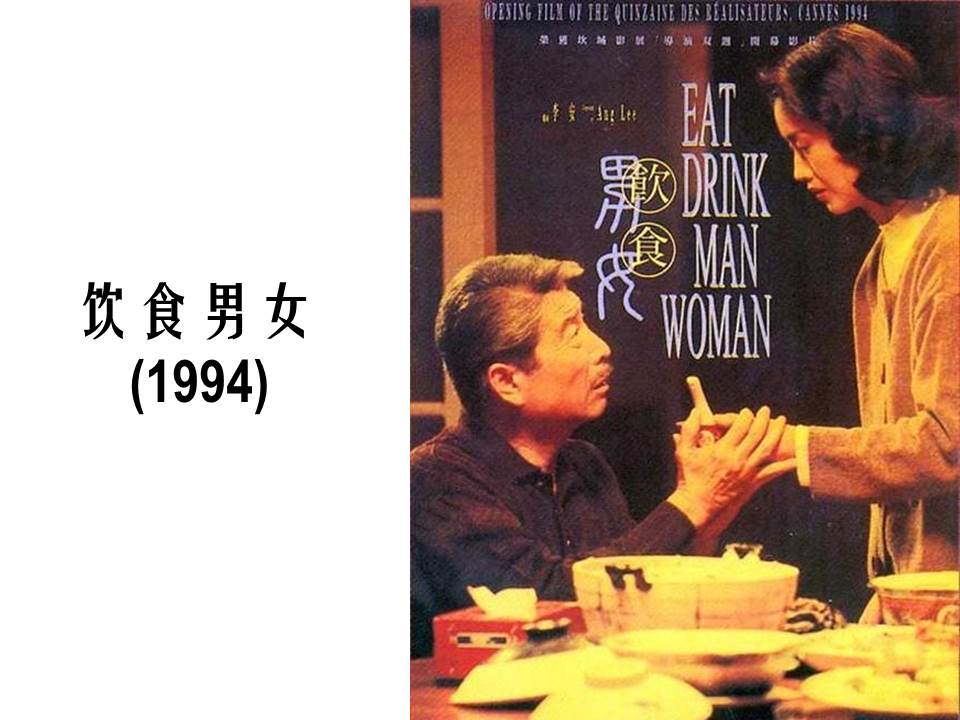
Representative film 1: Eat Drink Man Woman
Representative film 2: Lost in Translation

Representative film 3: Lust, Caution

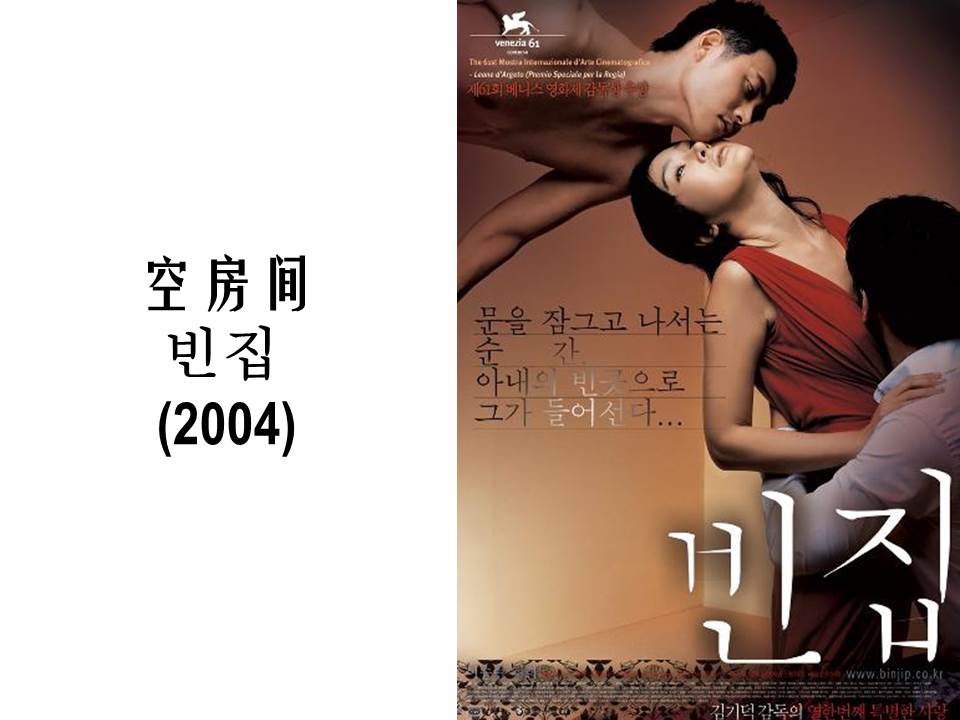
Representative film 4: 3-Iron
After Ang Lee won his third Academy Award, I heard someone say that Lee was the most “professional” director, because almost every film he makes is completely different, yet he manages to make all of them very good—almost as if Ang Lee were an engineer with exceptionally solid technical skills.
But I think Lee’s films actually share a through line. The possibly-incestuous love between Lung and Sylvia Chang in Eat Drink Man Woman; the double secret of identity and emotion in Lust, Caution; Li Mu-bai’s feelings for Yu Shu-lien in Crouching Tiger, Hidden Dragon; the gay romance in Brokeback Mountain; Pi’s cannibalistic experience in Life of Pi, which he can’t tell anyone about… They all portray the same state: carrying a secret in your heart with nowhere to say it.
Some people say Wong Kar-wai has spent his whole life making the same movie, and I think that although each of Ang Lee’s films looks completely different, they too are connected at the core. The theme of almost all of Lee’s work is really “the secret that cannot be told.”
The reason I admire Lee’s portrayal of secrets so much is probably that I’m a person with communication difficulties myself. I know this state of having nowhere to speak all too well.
That feeling of familiarity with having nowhere to speak also made me fall in love with the whispered confession in Lost in Translation, spoken only at the moment before separation, and the silence that lasts from beginning to end in 3-Iron.

Only silence can give speech greater power.
Keyword Eight: Fate
Representative film 1: Farewell My Concubine

Representative film 2: Exiled

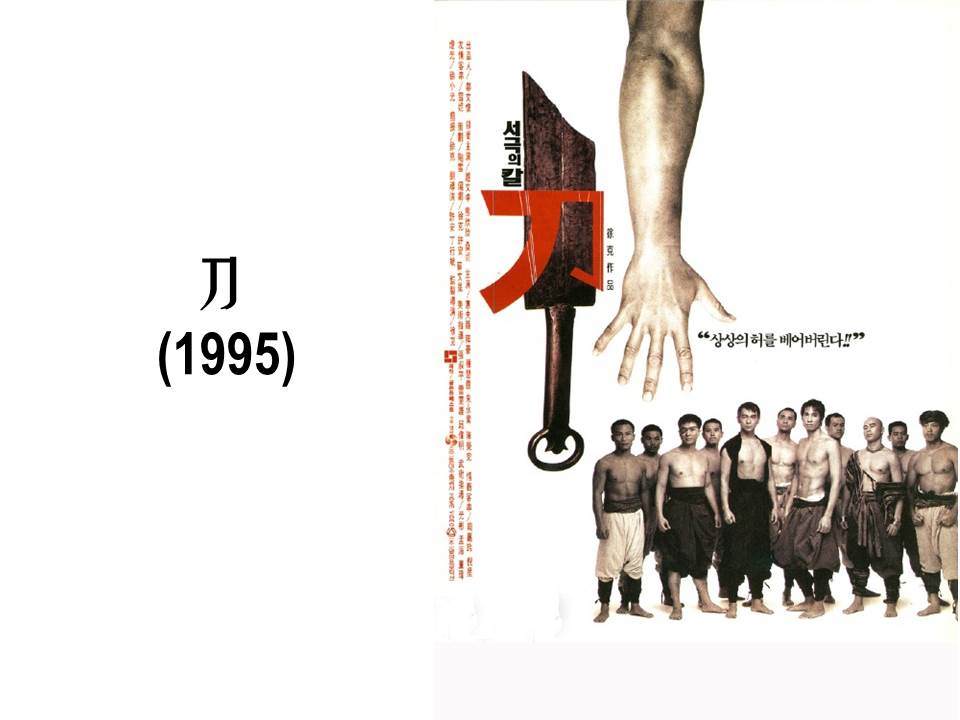
Representative film 3: The Blade
Representative film 4: Inglourious Basterds
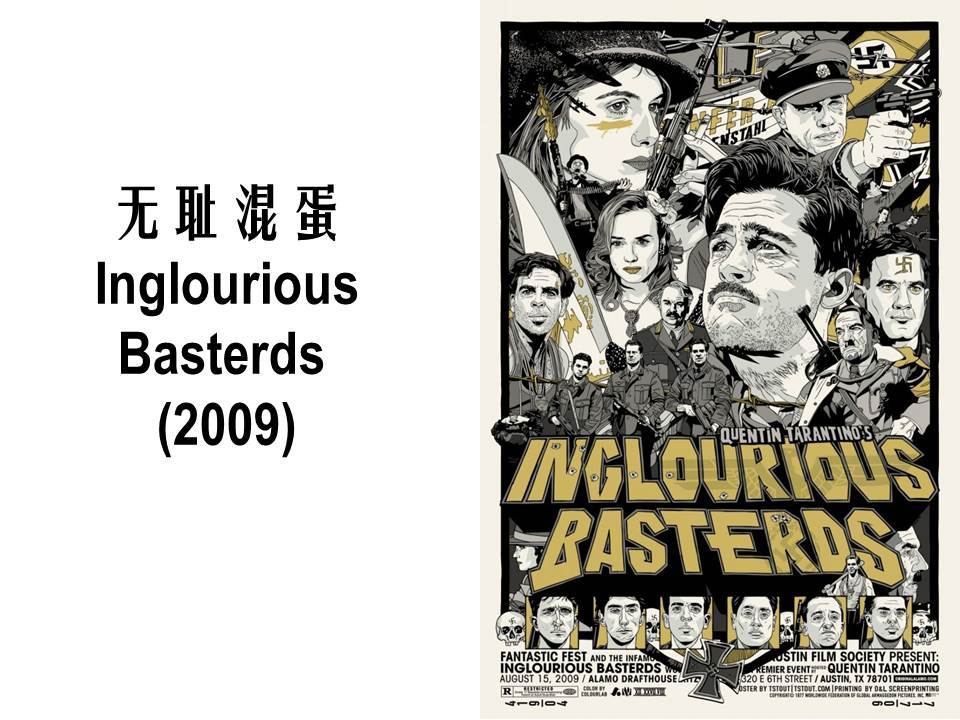
When I was little, after watching Farewell My Concubine and other similar works, I became terrified of films and literature set in the Republican era, because I was afraid to imagine how the characters would ultimately end up. Unless the story explicitly told me that the protagonists escaped to Hong Kong, Taiwan, or overseas, then even if they survived the Republican era, the War of Resistance, and the civil war, as long as they were still living on the mainland, what awaited them would be the great tragedy no one can avoid.
No matter how their stories actually end, I can’t help imagining that as long as they make it to the 1950s, their fate is destined to be living—or dying—in endless humiliation. That’s why works set in the Republican era, like Farewell My Concubine, radiate such a powerful sense of fate for me—hundreds of times stronger than works that loudly proclaim “fate” as their theme.
But I really like the theme of “destiny.” Sometimes “destiny” means helplessness; sometimes it means a certain kind of stability.
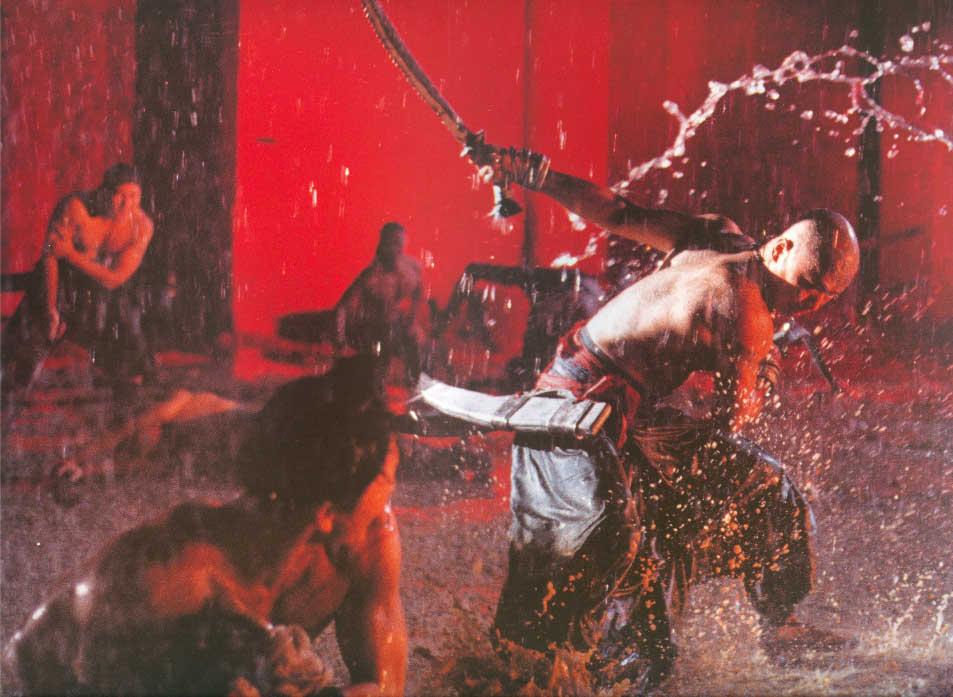
Tsui Hark’s The Blade can turn the most vulgar wuxia-movie cliché—“fall off a cliff, survive, find a secret manual, and train until you become invincible”—into something magical precisely because it captures destiny: the world is dangerous, fate is brutal, yet somewhere in the dark there is still a force keeping justice alive.
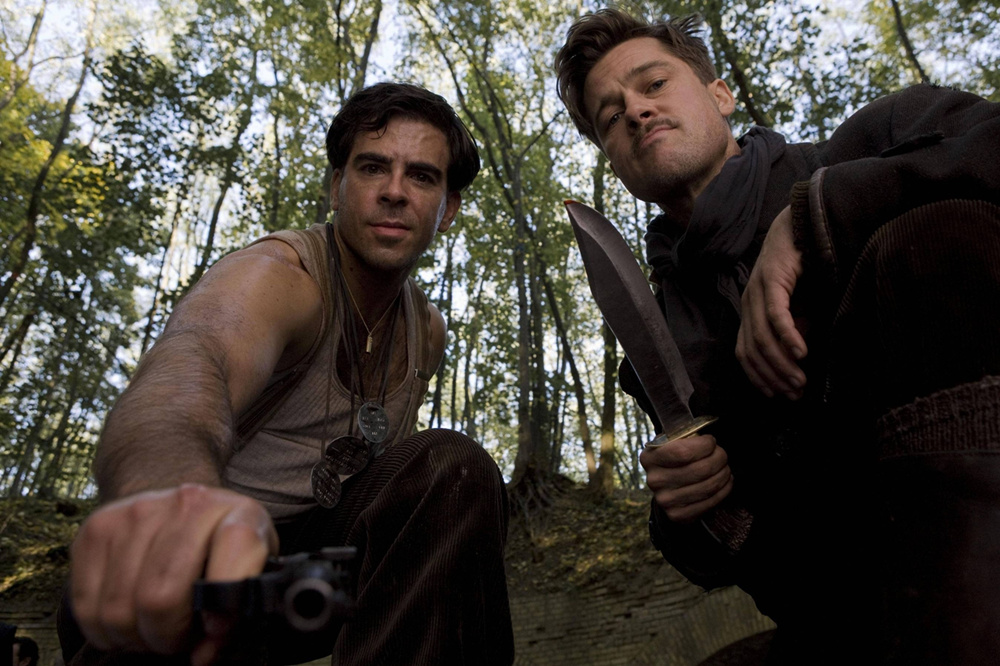
Quentin Tarantino’s Inglourious Basterds never mentions “destiny” anywhere, but when you look back at the ending, you realize that every revenge that ought to be taken will be taken, and every price that ought to be paid will be paid. There’s an exquisite balance of fate everywhere, and almost every character’s ending bears out cause and effect.
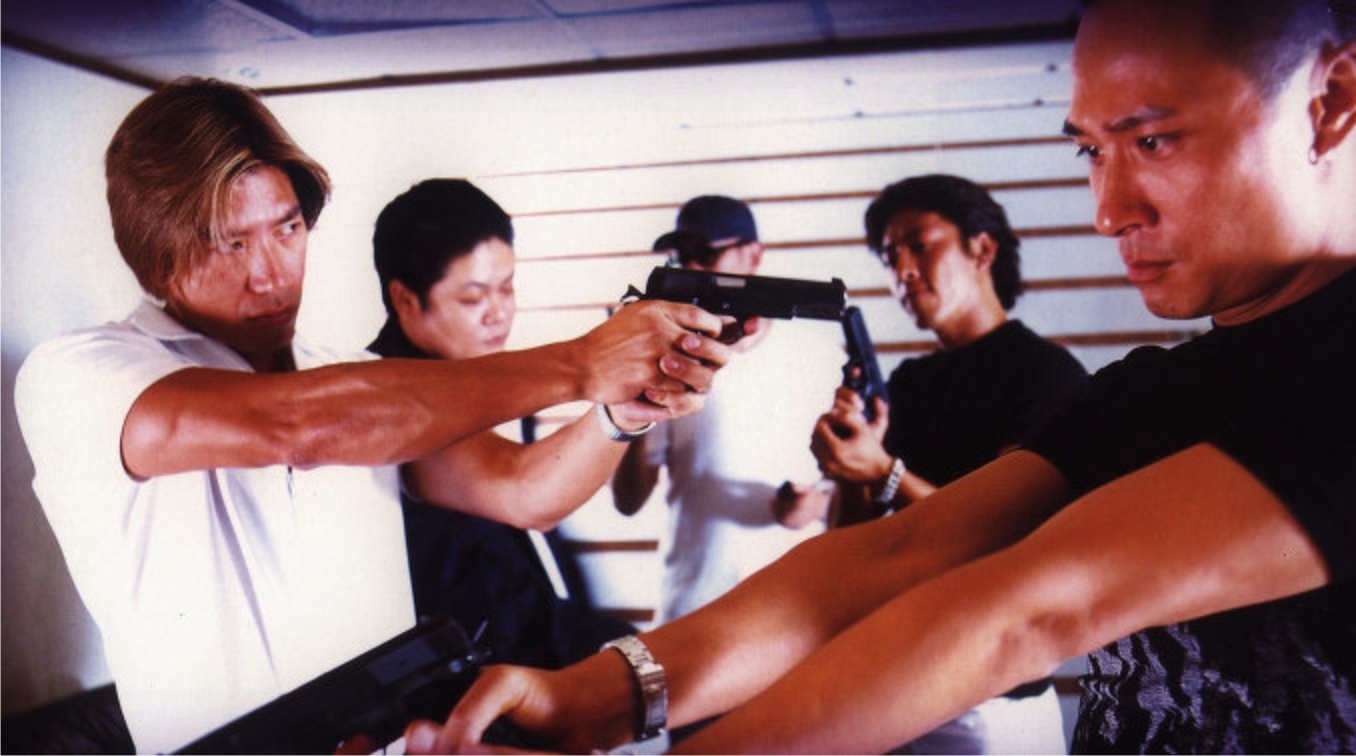
“Destiny” has also been a recurring theme throughout more than twenty years of Milkyway Image’s work. In the world of Milkyway Image, fate is sometimes wildly unpredictable (Expect the Unexpected), sometimes so powerful that it cannot be defied (Expect the Unexpected), sometimes a flash of Buddhist compassion can break through the cycle of cause and effect (Running on Karma), and sometimes fate is Santa Claus: good people somehow, absurdly, and for no apparent reason get rewarded (PTU, Eye in the Sky, Life Without Principle).
In the world of Milkyway Image, most of the time fate is not something ordinary people can control. But every once in a while, all it takes is a little scheming and trickery to rewrite it—like in The Mission. That’s also why The Mission feels especially “light and fresh” amid Milkyway Image’s many “weighty” works. There’s so much to praise in The Mission—for instance, it somehow stages a Gu Long–style static duel in a gunfight movie, something even wuxia films had never managed. But what I especially love is its “light and fresh” quality.
Keyword 9: Sadness
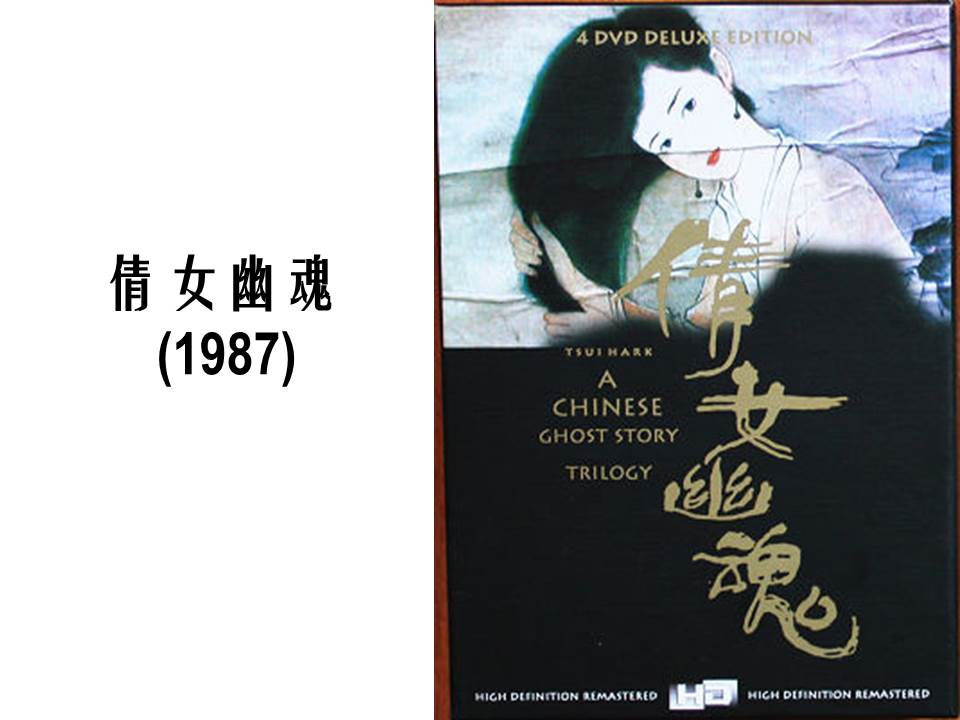
Representative work: A Chinese Ghost Story
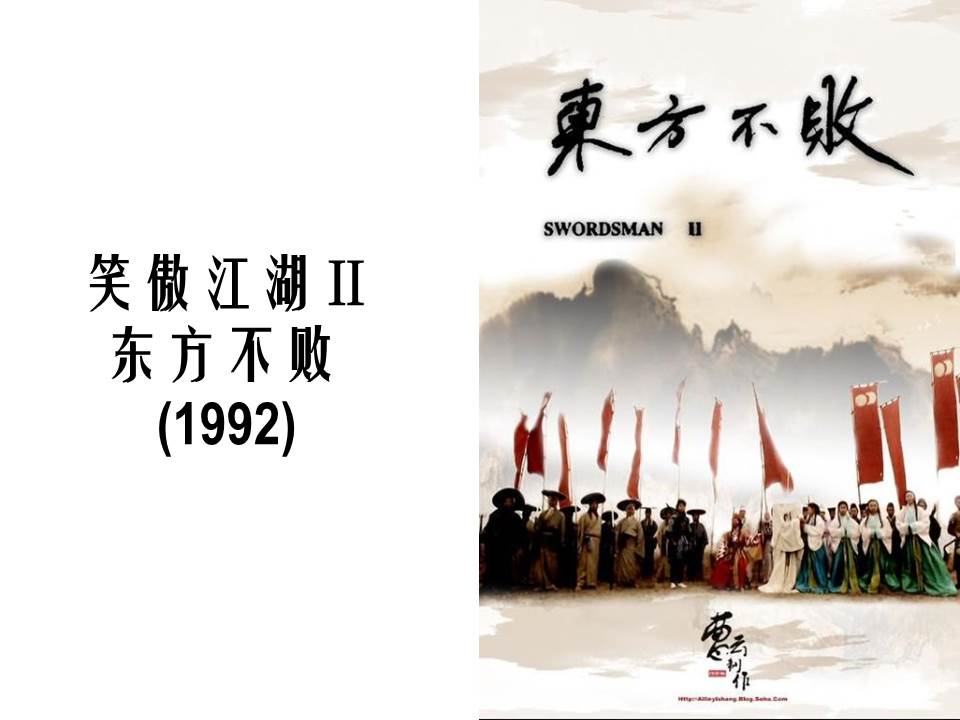
Representative work: Swordsman II
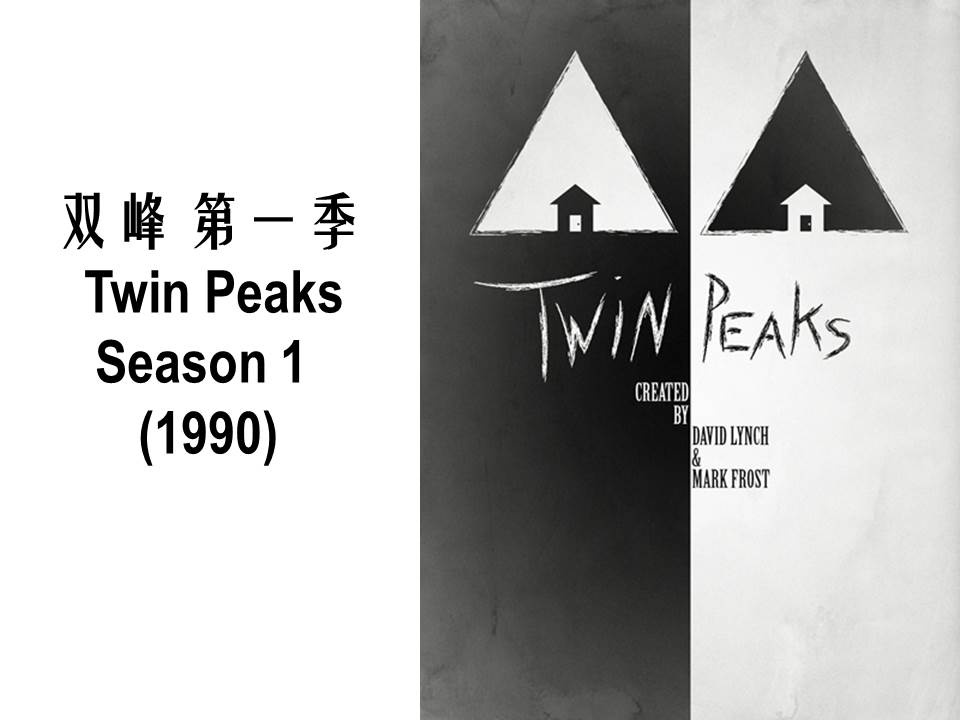
Representative work: Twin Peaks
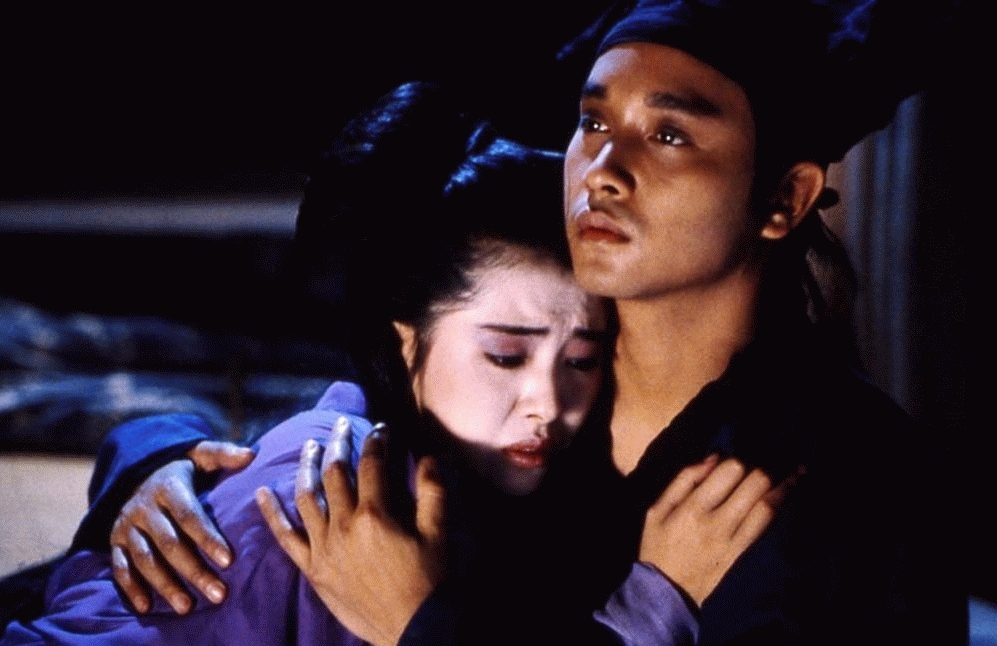
I’ve lost count of how many times I’ve watched A Chinese Ghost Story and Swordsman II, from the early 1990s to now. As far as I remember, I watched each of them at least ten times in video halls when I was a kid. For a long time, they were the only two benchmarks for Chinese costume films in my mind. Looking back, I think these two works were probably what first taught me to love movies. After watching them more times, their flaws became increasingly obvious—especially in Swordsman II, whose twists sometimes lack enough persuasive force. But what can you do? Their status as peerless masterpieces in my heart is unshakable.
I think the worldview these two works created completely stunned me into idiocy. It was a world that drew a firm line between itself and reality. The colors were rich and intense, utterly unlike the almost entirely gray real world I inhabited; the ancient characters’ clothing had a strange flair that mixed the exotic (such as the Japanese-style outfits in Swordsman II) with the modern (such as Jacky Cheung’s scarf in A Chinese Ghost Story III), decisively separating it from the real ancient world; musically, before I heard the “ancient melodies” of James Wong and Dai Le Man, every old tune I knew had been thick with rustic earthiness; and in the fight scenes, although the characters flew over rooftops and the exaggeration was, well, a little exaggerated, it was still wonderfully restrained compared with the later “sci-fi wuxia” movies where people casually moved mountains and filled seas. It gave perfect visual form to our fantasies about the realm of masters in wuxia novels.
For the younger me, these two films belonged to the category of getting exactly whatever you wanted. They fulfilled a preteen kid’s fantasies about another world far too perfectly.
But the most important point may be that, for a preteen kid on the verge of growing into a moody young man, A Chinese Ghost Story and Swordsman II were both romantic tragedies. So what they meant to me was really not that different from what a girl might feel watching her first Chiung Yao romance. That comparison makes them sound a little cheap, but looking back, it seems to be the truth.
Ning Caichen never got to see Nie Xiaoqian one last time, while Asia the Invincible told Linghu Chong, “I want you to remember me forever,” and then fell off a cliff. I was still a little brat, but I think that was when I began to vaguely understand what “sadness” meant. So these two films may have been an initiation not only into my aesthetic sensibility, but also into my emotional life.
Years later, I was hit by “sadness” all over again because of David Lynch’s Twin Peaks. Americans on the big screen always seemed to me more broad-stroked than delicately sensitive, but Twin Peaks completely overturned that impression. Who knew those American roughnecks could have such a sad side? This work, which ultimately went off the rails in its second season, was rated by many American viewers as the best American TV series ever made. I wonder whether that had something to do with its sorrowful atmosphere.
Even now, despite Guo Jingming trampling the word over and over, I still think “sadness” is a good word. Feelings formed during childhood, when you’re first discovering the world, are probably very hard to change.
That’s all.
Leave a Reply