![[Amazing Illusions] Optical Illusion Master Akiyoshi Kitaoka and His Illusion Images](https://weizhichao.info/wp-content/uploads/2024/11/02-4.webp)
[Zhihu Question] What are some relatively famous illusions? Like the Zöllner illusion, Crazy Diamond, and so on?
The illusion images designed by optical illusion master Akiyoshi Kitaoka are all fascinating.
First, let’s look at a few of his works (all the images below are static images)[1]:
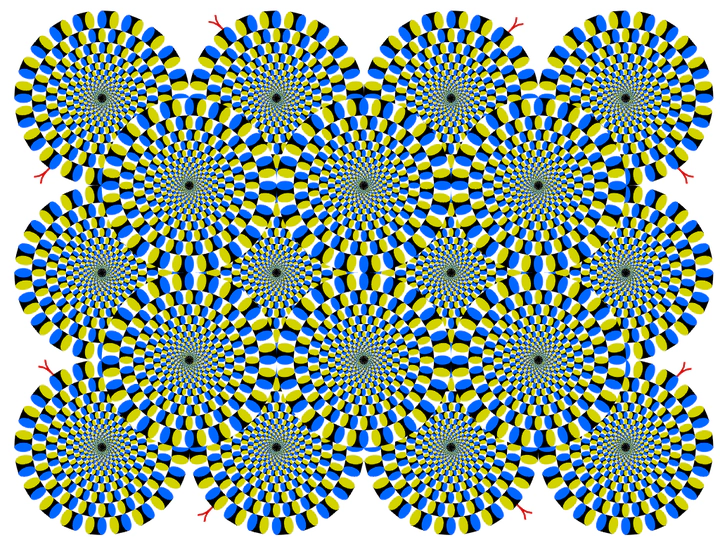
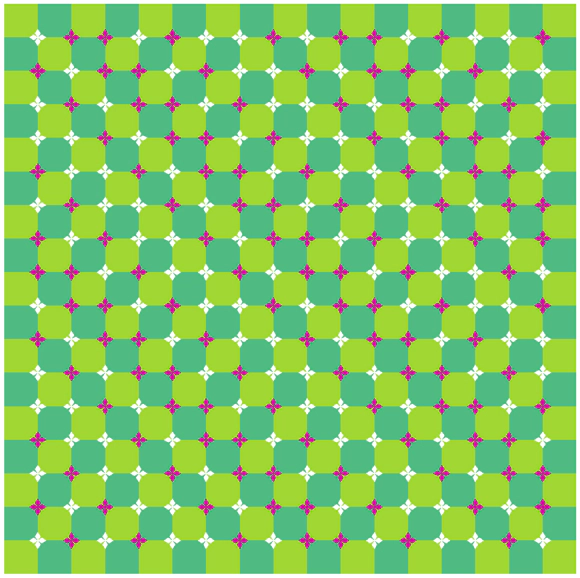
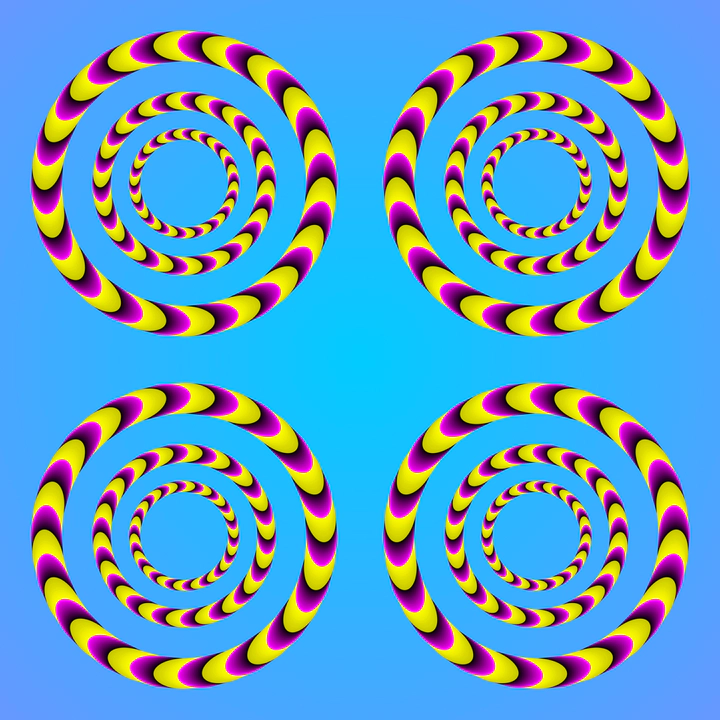
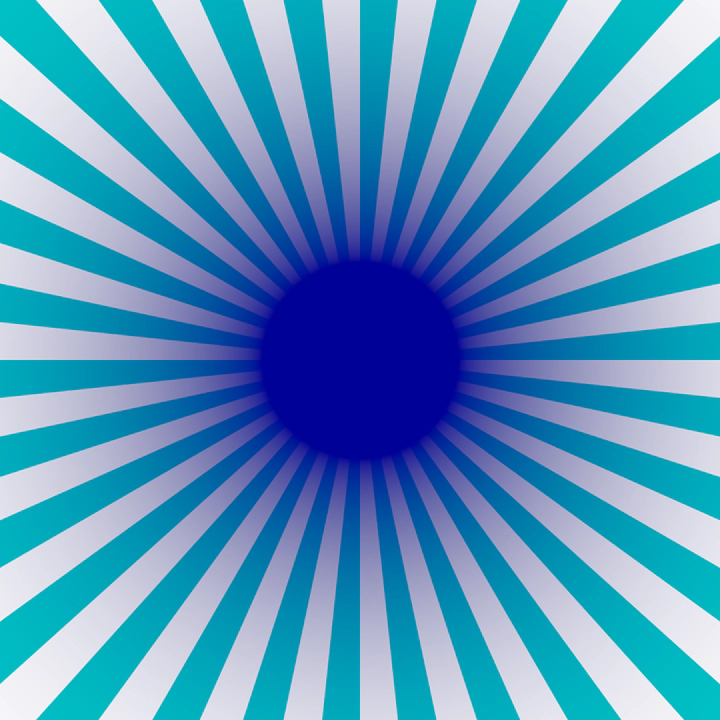
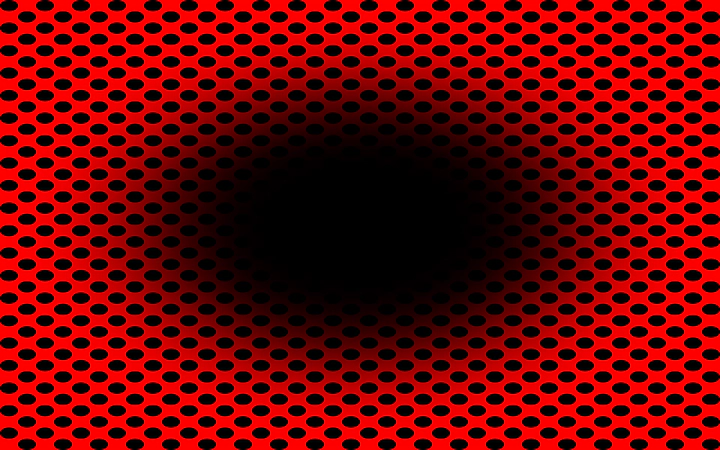
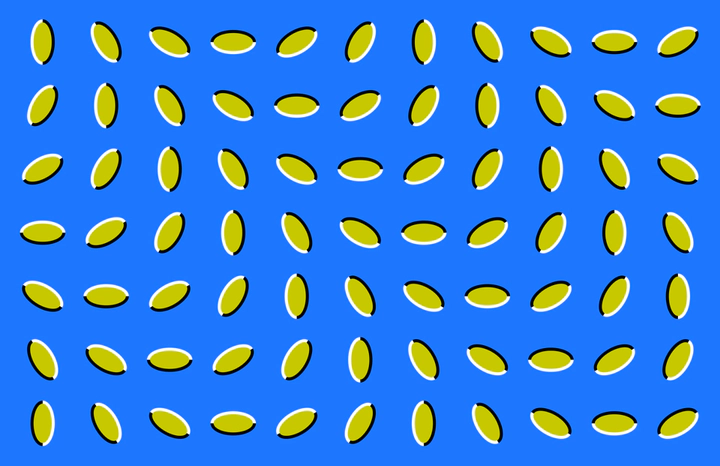
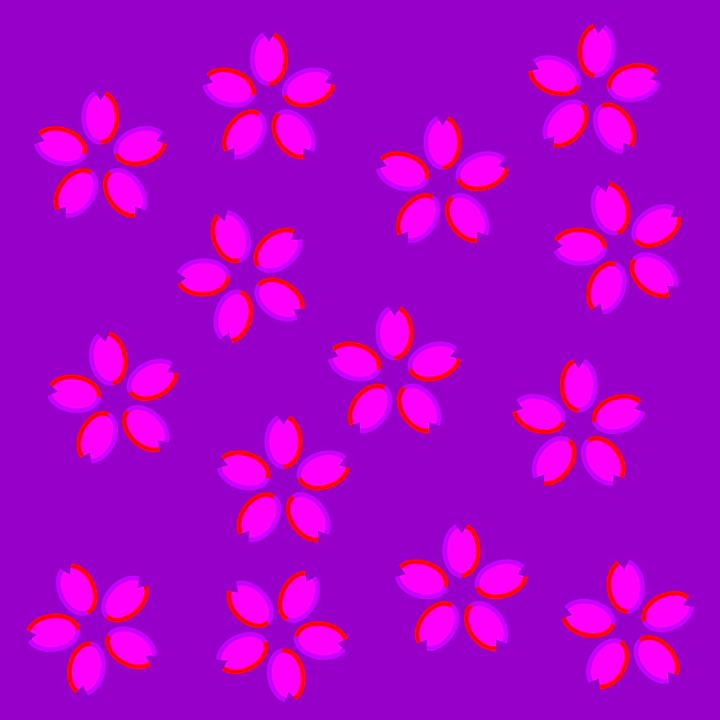
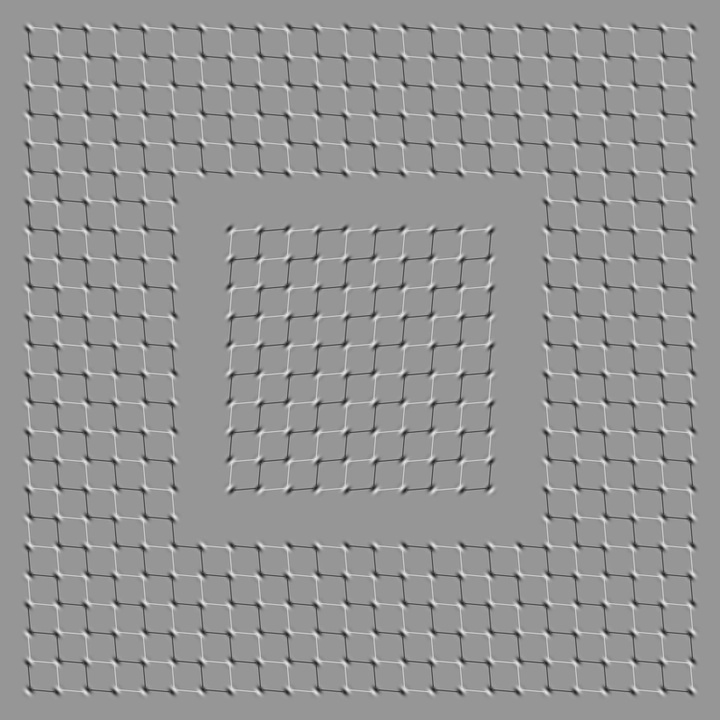
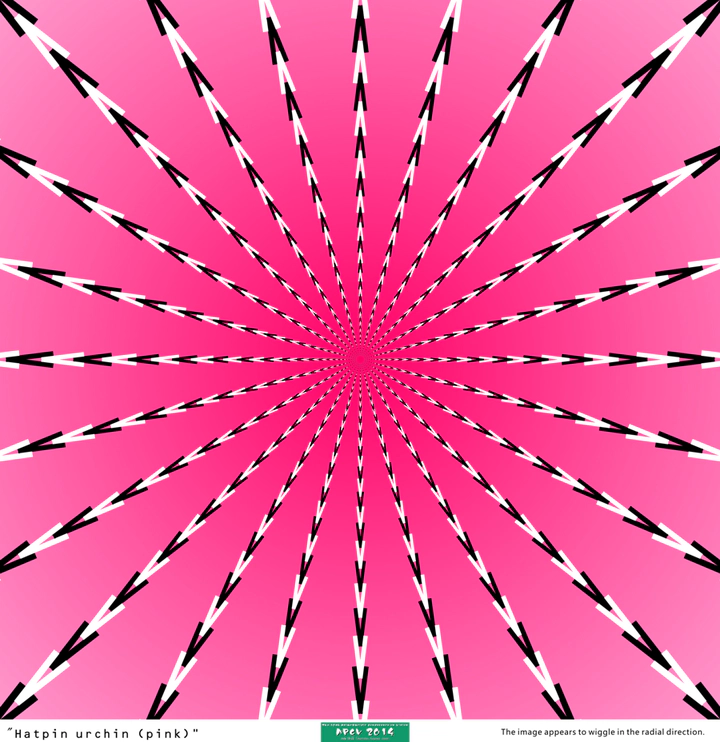

Akiyoshi Kitaoka is a professor of psychology at Ritsumeikan University in Osaka, Japan. He’s both a heavyweight scholar in the field of optical illusions and a world-renowned designer of optical illusion art. Research and art—he’s got both sides covered.
Peripheral Drift Illusion
What you’ve just seen is the type of work Akiyoshi Kitaoka is best known for. Most people can easily experience the illusion of motion in these still patterns.
The academic name for this illusion is the peripheral drift illusion (PDI)—when alternating light and dark patterns appear in the peripheral areas of vision, they can create the sensation that the pattern is moving.
If you want to make the peripheral drift illusion appear stronger, it’s best to: 1. Look at the pattern out of the corner of your eye instead of staring directly at it; 2. Keep your gaze from being too fixed while looking at it—glance around, or blink a little more.
What causes the peripheral drift illusion?
Put simply, it works because peripheral vision in the human eye responds to different colors at different speeds, with a time lag between them[2].
The first things the eye sees are the pure white and the pure black elements (because compared with the average brightness of the whole visual field, pure white and pure black have the highest contrast, and the eye responds fastest to high-contrast content).
Only after a brief delay can the eye see the other elements, whose contrast is somewhat lower.
Take the “Rotating Snakes” at the top as an example. The eye sees the black and white first, and only after a brief delay sees the blue and yellow connected to them, which have lower contrast.

To put it another way, the eye renders black and white like a high-refresh-rate gaming monitor—144hz, instant response, no lag, no ghosting, lightning-fast refreshes. Blue and yellow, on the other hand, are rendered like an old 30hz monitor: severe stuttering and painfully slow refreshes.
So what happens when these two visual elements, one fast and one slow, are connected to each other?
For example, by the time the white has refreshed two frames and moved a tiny distance across our constantly changing field of vision, the neighboring yellow is still showing the old frame, sitting where it was. Yet white and yellow happen to be connected, with no gap between them. So we easily mistake the white for having moved toward the yellow to catch up and reconnect with it. That’s how we get the illusion of white moving toward yellow.
The same thing happens with black and blue, producing the illusion of black moving toward blue.
Now look back at this Rotating Snakes image and check the direction of rotation predicted above:
Then why isn’t it white moving toward blue and black moving toward yellow? They are connected too. I couldn’t find a definitive explanation in the papers, but I suspect it’s simply because we’re more likely to see similarly colored objects as a single whole. We perceive white and the more similar yellow as one unit, and black and the more similar blue as another. So white always follows yellow, and black always follows blue.
So the illusions in the images above all follow the same general rule:
White moves toward the nearby light color; black moves toward the nearby dark color.
Although these images are all bright and colorful, a closer look reveals that most contain pure black or pure white shapes. These are the core elements: their contrast with the surrounding colors creates the peripheral motion illusion.
Color Illusions
Besides the peripheral drift illusion, Akiyoshi Kitaoka’s work also covers other types of illusions, such as color illusions.
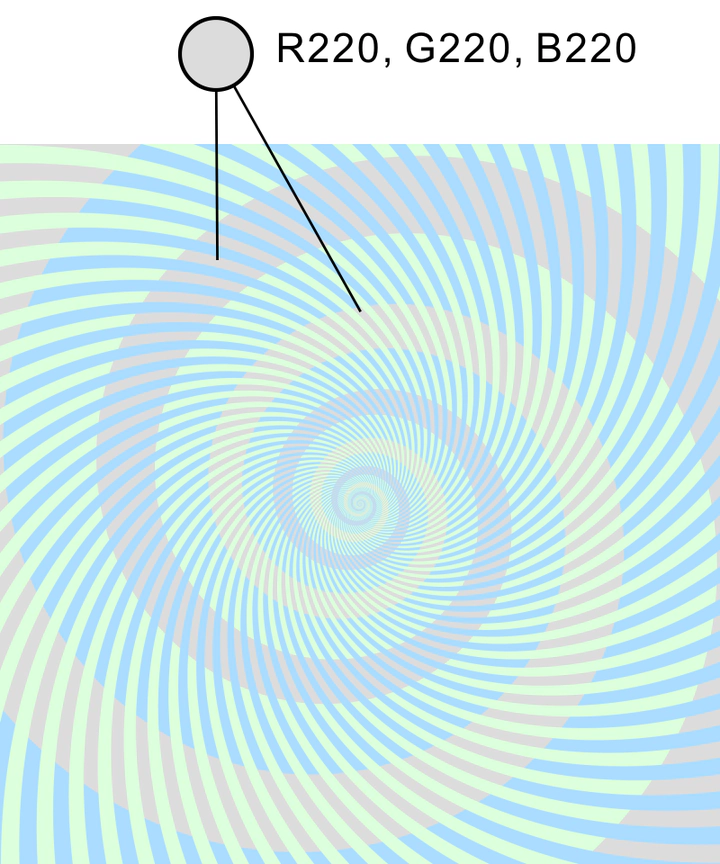
The image above seems to show a red-purple spiral and an orange spiral. In fact, the colors of the two spirals are exactly the same—and they’re both gray!
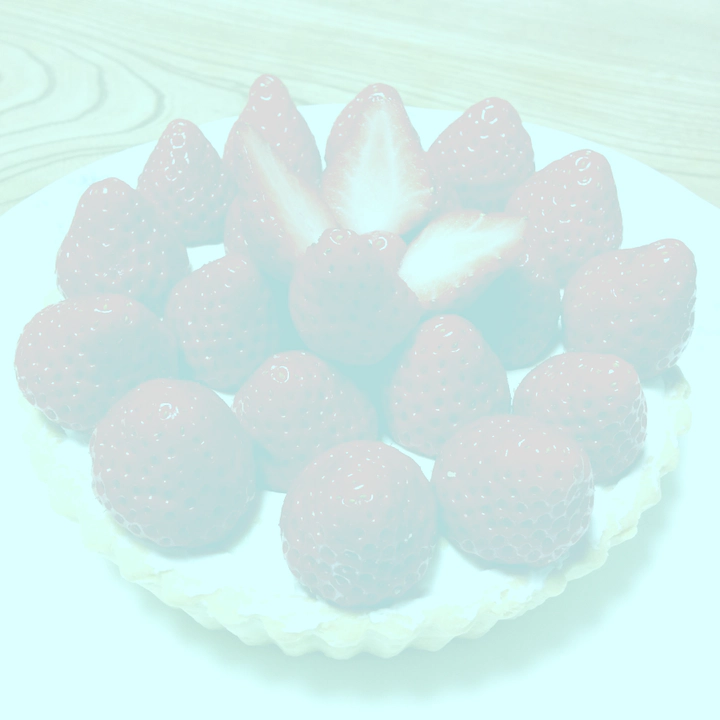
The strawberries in the image above look red, but the entire image is actually made up of cyan and cyan-adjacent pixels. There isn’t a single red pixel in it!
There are many other fun illusions on Akiyoshi Kitaoka’s homepage. Feel free to discover them for yourself:
Akiyoshi’s illusion pageswww.ritsumei.ac.jp/~akitaoka/index-e.html
Text: Zhichao Wei
References
- ^Akiyoshi Kitaoka’s Optical Illusions [Official Website] http://www.psy.ritsumei.ac.jp/~akitaoka/
- ^Conway, B. R., Kitaoka, A., Yazdanbakhsh, A., Pack, C. C., & Livingstone, M. S. (2005). Neural basis for a powerful static motion illusion. Journal of Neuroscience, 25(23), 5651-5656. https://www.jneurosci.org/content/jneuro/25/23/5651.full.pdf
Leave a Reply