Zhihu question: What hidden plot points are there in Let the Bullets Fly?

Answer: Below is a rambling piece I wrote after watching Let the Bullets Fly that year. What I mention is really the movie's hidden details and that mysteriously odd ending.
So far I’ve watched Let the Bullets Fly three times. Each time, I came away liking it much more than the time before.
After the first viewing, I thought a lot of the set pieces went way overboard, and plenty of the plot logic didn’t connect. It was certainly one of the better Chinese films of that year, but among Jiang Wen’s movies it could only rank last. I reluctantly gave it 75 points.
After the second viewing, most of the plot logic had been straightened out, and I thought it deserved 80. Then, after reading analyses by all sorts of hotshots, I thought: this movie is fucking great—this must be the true meaning of Jiang Wen’s line, “Translate it for me—what the fuck is a fucking surprise?” Apparently, surprises really do need to be “translated.”
Then, when I saw Guo Zhijian’s review come out, I felt I could give the movie a perfect score.
This really is a very unusual moviegoing experience.
It’s just that after the second viewing, some scenes that had felt off seemed even more off. After the third, I had something of a new understanding of them. Especially the ending: I can’t promise this is definitely a new interpretation, but it is definitely a crooked one.
Now I’m watching it for the fourth time, keeping a running commentary as I go. If you want to jump straight to my crooked reading of the ending, go to 18.
1. Grape wine
Feng Xiaogang said that among all the reviews of his movies, only Jiang Wen’s speech really cut to the substance: “A movie should be wine. Even if there’s only one sip, it has to be wine. What you shot is grapes—very fresh grapes, still covered in frost—but you never fermented them into wine. It starts as grapes and ends as grapes.”
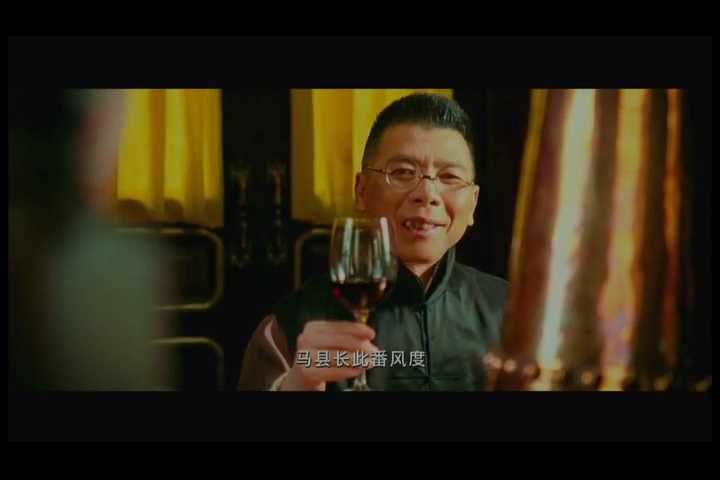
So Feng Xiaogang walked onto the scene holding a glass of grape wine. Jiang Wen is such a bastard.
2. The Jiu-Shi-Let

When this music starts, everyone must be stunned. Some people say the Jiu-Shi-Let was too expensive, so they invited it once and got two uses out of it. I don’t think so. I think Jiang Wen invited the Jiu-Shi-Let over, and the root of the matter is that none of this music was written for The Sun Also Rises. This is “Jiang Wen’s music” and “Chow Yun-fat’s music.” It’s not The Sun Also Rises‘s score; it’s Jiang Wen and Chow Yun-fat’s song. From now on, whenever Jiang Wen and Chow Yun-fat enter a fixed kind of situation on screen, this music will play. For example, this passage played last time when Jiang Wen was shooting birds in the mountains; this time it plays while he is shooting horses in the mountains.
3. Horse cart

This horse cart is also wonderfully fantastical. Although horse-drawn fire engines really did exist in history, hasn’t one’s mental picture of them always been of a vehicle that uses steam and horses at the same time? And this horse-drawn fire engine makes a steam-whistle sound when it arrives, so it seems to be steam-powered (and it is, in fact, spitting steam). And what is that white horse up front doing? If steam power isn’t enough and has to be supplemented by horsepower, then surely there ought to be a cart driver up front directing the horse’s movement, right? Aren’t you afraid the horse might run off course?
So this movie is a fantasy film right from the start, on the same track as The Sun Also Rises. Both reach the final sequence, pushing the fantasy atmosphere to its peak. See 18.
4. Goose Town

The city gate is actually a reservoir? The fantasy continues.
Goose Town’s customs are pretty strange too. For example, fashionable women whiten their faces and beat drums—

According to my teacher-wife, whitening the face is actually a look borrowed from geisha styling. So this is another expression of Jiang Wen’s Japanese complex showing up everywhere. Jie Cuo, Wu Sheng Dao, Mei Yu Qing Xuezi, The Geisha Has Come, Jiang Yilang, Jiang Cilang—the man’s feelings toward Japan are genuinely complicated.
Another bizarre custom is that men don’t like wearing shirts—
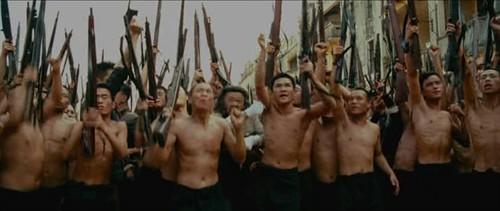
According to wq2504’s analysis, not wearing a shirt means “clothes are completely absent.”
5. Old Two

This line comes out of Old Two’s mouth. Old Two is sexually omnivorous. So in the later
, the person on top should not be Old Three.
6. Martial-arts person


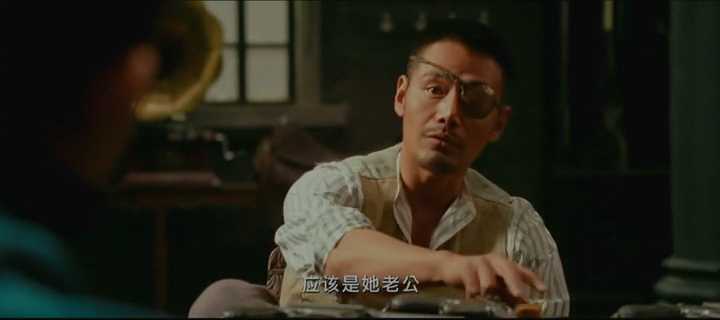
“Hey, is he hitting my ass? That’s clearly your face he’s hitting.” Aside from “Big Brother, you understand me,” this is the funniest line in the whole movie.
7. Huang Silang

There is no doubt Huang Silang is gay.
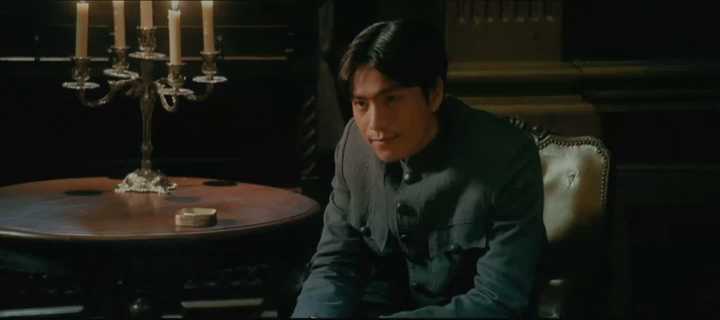
That’s why a greasy, powdered-face guy like Hu Wan, who has neither much physical strength nor much brainpower, can become the Huang family’s steward. Half of Hu Wan’s identity is a talented stray dog, and the other half is a male pet.
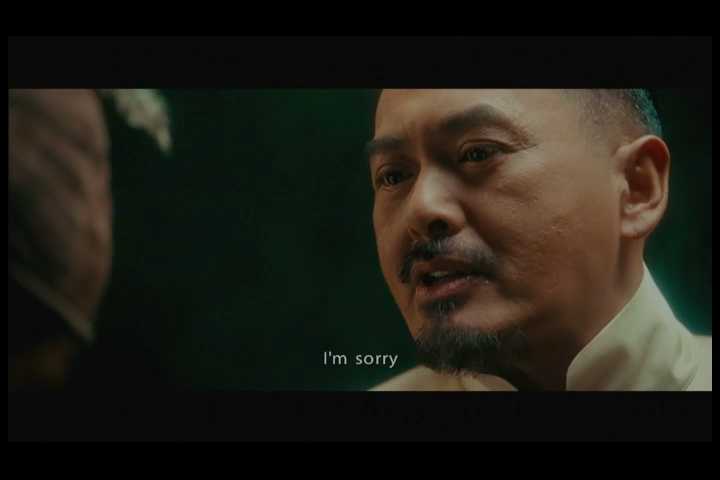
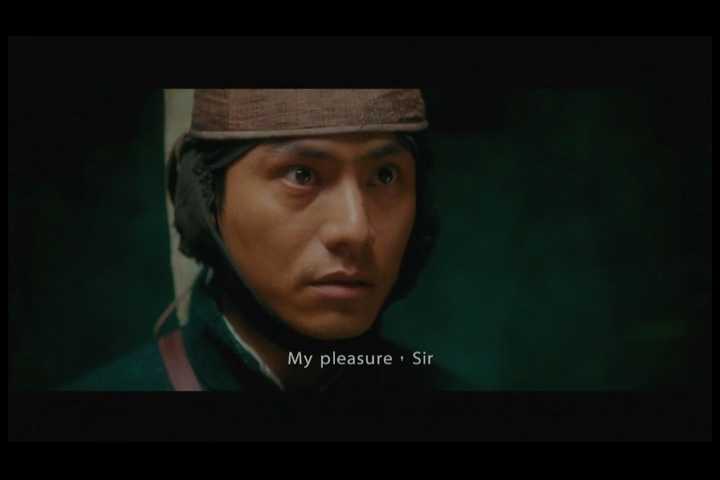
Later Huang Silang says, “Do you know how much I think about him (Hu Wan)?” Half true, half false. Chow Yun-fat’s interpretation is dead-on.

8. Crosstalk
This exchange on the platform sounds way too much like crosstalk. It goes a little too far.

9. The husband

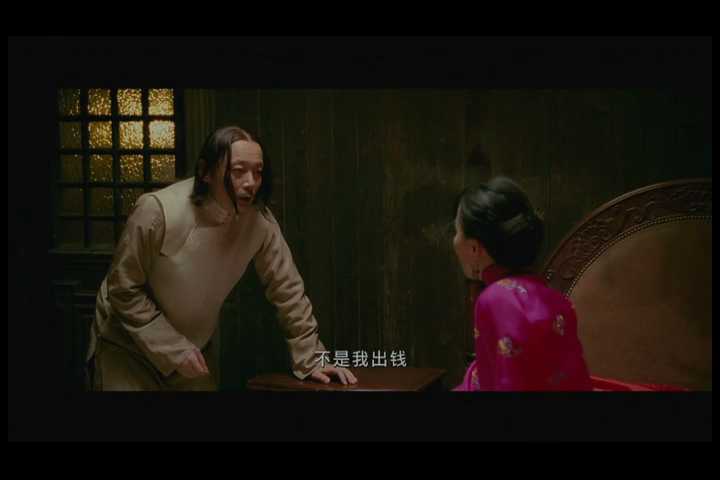
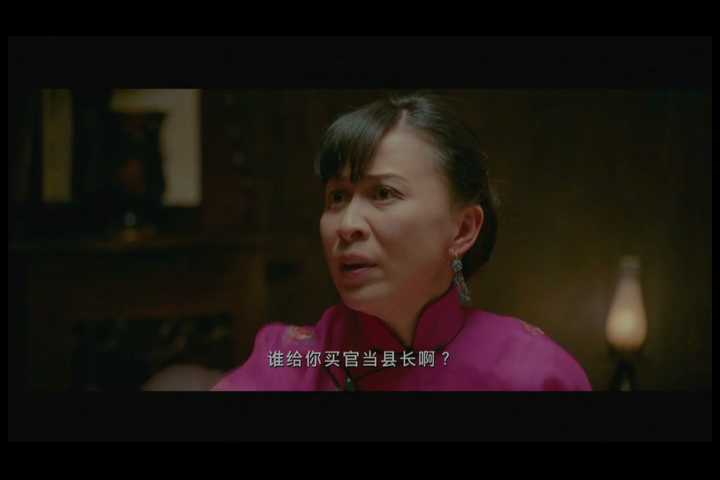
Ma Bangde’s real identity seems to be nothing more than someone who writes scripts, using money provided by the Qinglou woman (his wife) to buy an official post. But before Ma Bangde died, he told Zhang Mazi: “In the pouch holding the shit from my tree stump, there are five appointment certificates…” Five of them!
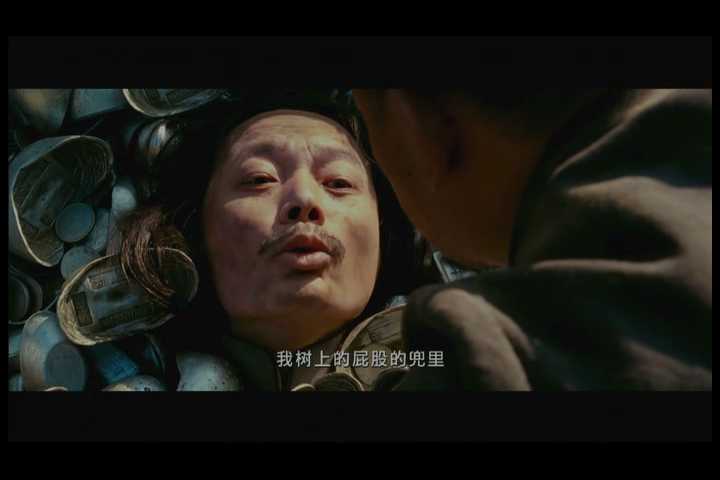
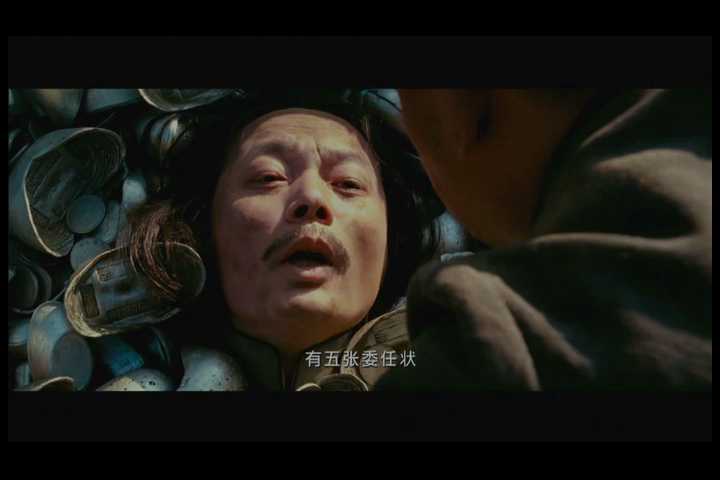
Could this husband really have had enough money to help Ma Bangde buy six appointment certificates (including the Kangcheng one already used)? That adds up to 1.2 million. With that kind of money, the husband could have lived a rich life forever. Why invest in someone who “writes scripts”? This investment is wildly unreliable.
Besides, could a Qinglou woman really have accumulated that much? Unless she was a Qinglou woman of Little Phoenix’s rank. So the other five appointment certificates probably weren’t investments by the husband. He had no idea about the other five certificates.
So I think the more likely explanation is that the husband was conned by Ma Bangde, the career con man. Ma Bangde already had all the capital he needed to trade in official posts, and in fact had done it many times, with plenty of experience and a nice amount of profit. This time he happened to run into this idiot husband, pretended to be a scriptwriter, and tricked him into investing in the purchase of an official post—saving himself a pile of money. Once the deal was done, he kicked the husband aside, pulled out the next appointment certificate, and immediately took office. Ma Bangde’s real husband was probably that Shanxi husband (the one played by the dog-owner actor), yes? That Shanxi husband and his eight-year-old son were the real partners in Ma Bangde’s criminal enterprise. They were probably Ma Bangde’s backers, responsible for collecting and safeguarding the money on a regular basis.
When the husband died, Ma Bangde’s tears were half real and half fake. By the time he changed clothes and reached the funeral, he wasn’t really that sad anymore.
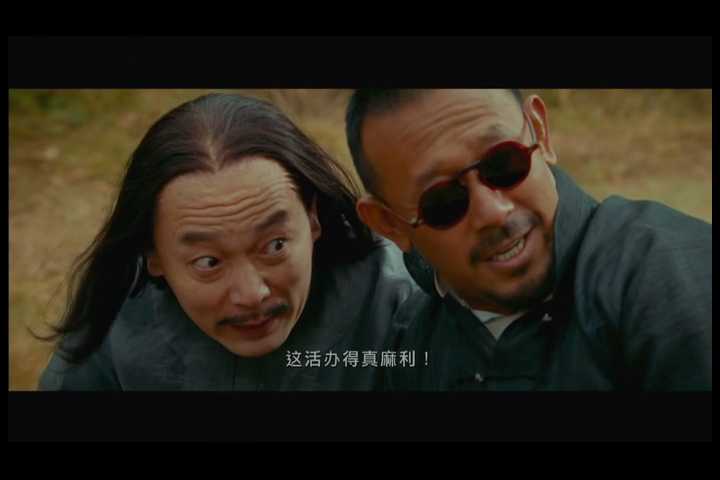
Later, when he heard about the Shanxi husband’s death, Ma Bangde’s tears were thirty percent fake and seventy percent real. The seventy percent was because that husband was actually closer to him than Liuzi was to this husband; the thirty percent was because the money and property he cared about should still be held by the husband. Otherwise, why, upon hearing the news of his death, was his first reaction not to ask where the body was, but to hitch up the carriage—loaded with silver—and head to Shanxi?
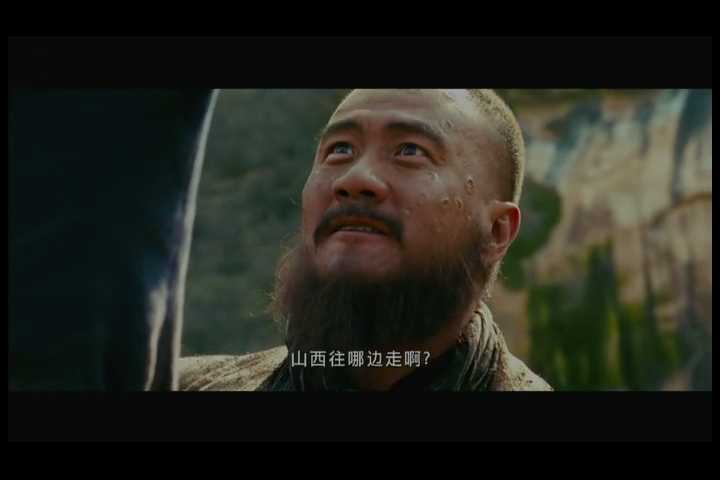
At the Shanxi homestead, Ma Bangde may well have been a “Northern Kingdom tycoon” with more money than Huang Silang. The difference is that Huang Silang plays at trafficking people and selling opium, the black-society routine; Ma Bangde plays at mental agility.
10. Drum beater
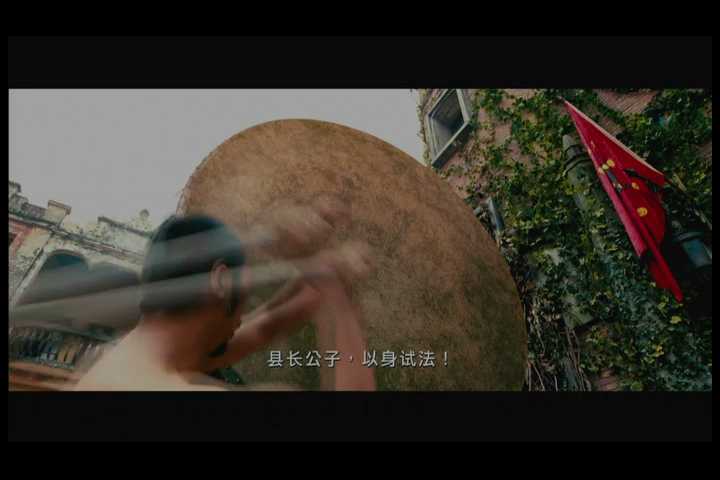
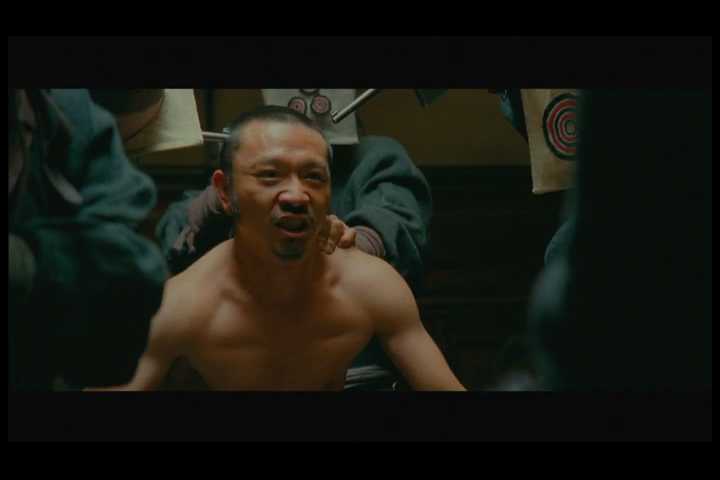
The big-chested widow who is exposed as having a thing for the drum beater is a professional drummer. It was he who beat the drum when his own wife was taken by that guy. He also played the drum when Hu Wan was receiving the Sixth Master.
11. Mahjong


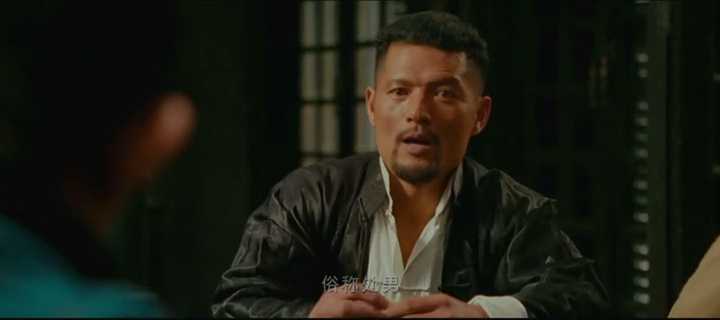

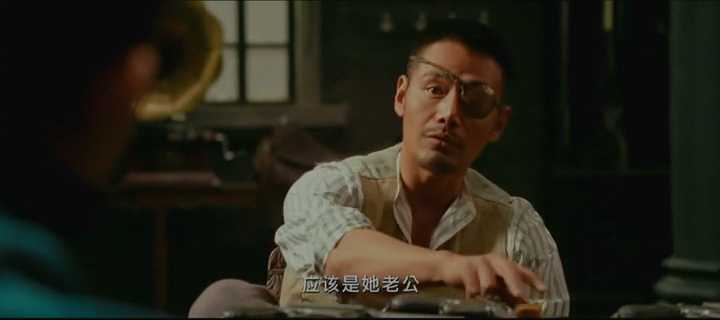
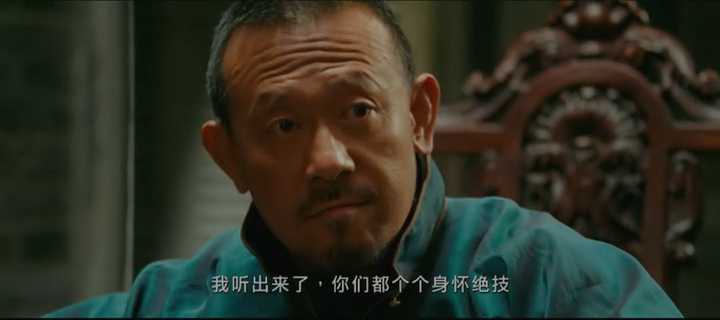
12. Shanxi husband
The Shanxi husband and his eight-year-old son were probably originally following a plan to find Ma Bangde and get the money he was going to make from this purchase of an official post. Based on the guess above, they were either Ma Bangde’s backers, responsible for collecting and safeguarding his money, or genuinely Ma Bangde’s creditors (I think the former is more likely).
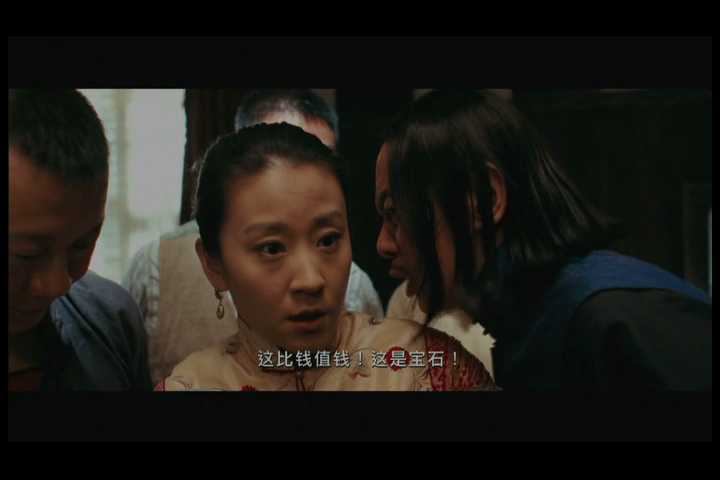
They may have gone to Kangcheng first and only later found their way to Goose Town to intercept him. Once they learned the situation was complicated, they were about to leave, but Zhang Mazi stopped them. So he improvised and said they had come to collect money (which wasn’t really a lie). Zhang Mazi didn’t care about the money or whether this husband was telling the truth; he simply transferred the diamonds and let them unexpectedly score a windfall.
13. The pose
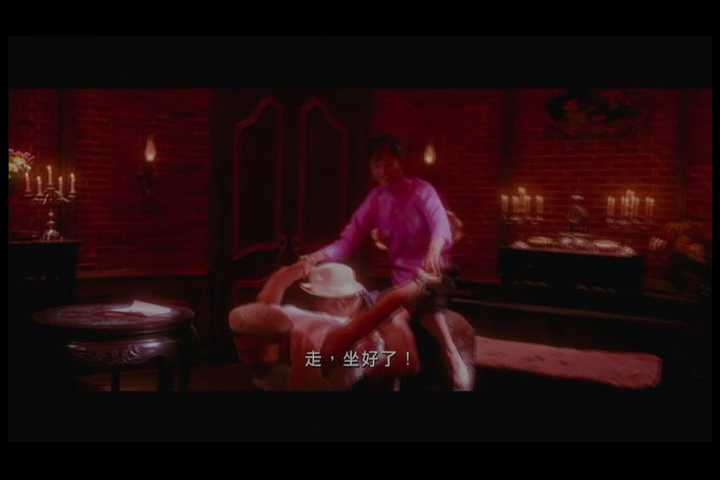
Human flesh Bicycle—this pose is clearly a variation and escalation of a certain position that often appears in some Western action-romance movies and slightly more explicit Japanese action-romance movies.
As noted above, Old Two is sexually omnivorous, but apparently has no relationship with Old Three. So don’t overthink this purely emotional 3P relationship: the pose is a variation; the relationship is the regular position.
More important than the pose is that here I want to reveal the meaning of the line “Shanghai is Pudong, and Pudong is Shanghai,” one of those lines that feels mysteriously profound.
According to a clever analysis in Daqitiger’s bull post (https://www.douban.com/note/121655955/), “Shanghai is Pudong, and Pudong is Shanghai” seems to allude to the later revolutionary movement in which I* Party in Shanghai **changed its fate**, which is quite astonishing. To me, the line’s meaning is simple: it is a bit of dialogue responding to this 3P scene.
Old Two draws a picture of a bicycle for Sister Flower to see. Sister Flower asks, “Can this thing really be ridden?”
Old Two answers, “Oh, we’ve ridden around Shanghai.”
Sister Flower presses him: “You’ve been to Shanghai?”
Old Three cuts in: “(Yes,) Pudong.”
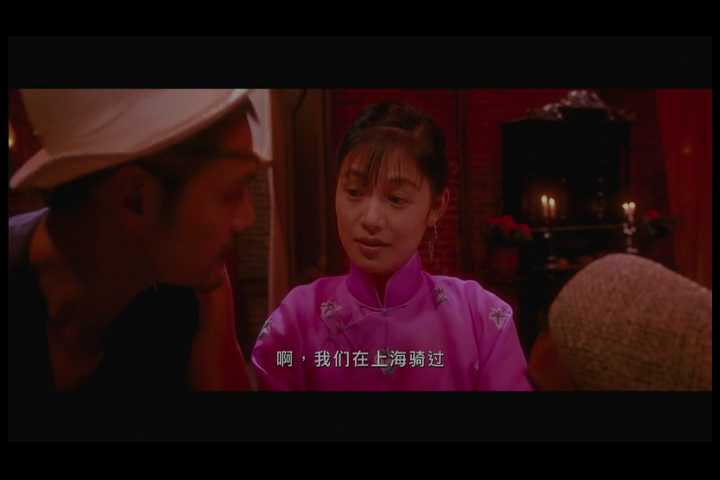
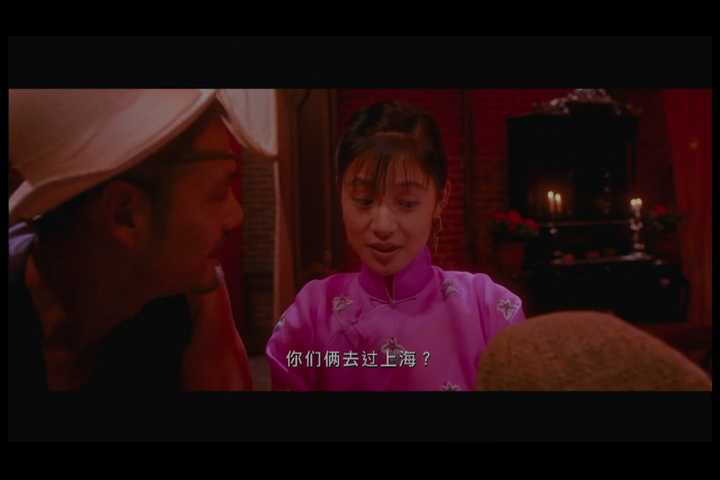
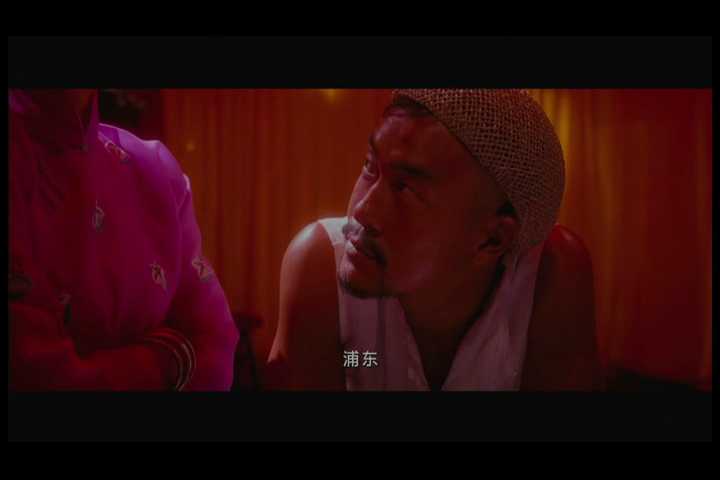
According to the evidence in that bull post, the story took place in 1920. Shanghai was Shanghai, while Pudong still belonged to Jiangsu, so Shanghai and Pudong really were different places at the time.
So the movie’s final “Shanghai is Pudong, and Pudong is Shanghai” is quite simple:
Old Two and Old Three definitely went to the Shanghai area before, but the two of them kept arguing over whether the place they visited was Shanghai or Pudong. In the end, Old Three replaces the dead Old Two and marries Sister Flower. She asks again whether they went to Shanghai or Pudong. Old Three replies, “Shanghai is Pudong, and Pudong is Shanghai.” What he really means is: marrying you and marrying Old Two amount to the same thing. I am both Old Three (Pudong) and Old Two (Shanghai). I count as two people, so I’ll treat you twice as well—twice the care, twice the affection. Most importantly—marrying me once is equivalent to doing 3P, right?
So to me, “Shanghai is Pudong, and Pudong is Shanghai” has nothing to do with national affairs. It is only about domestic affairs.

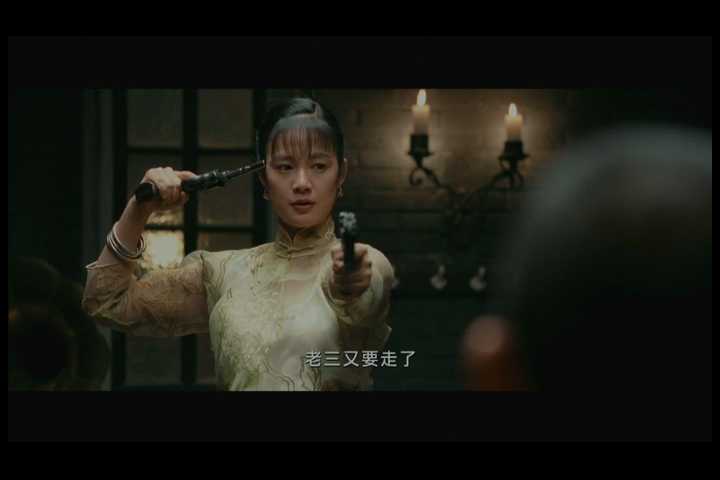


14. Surprise
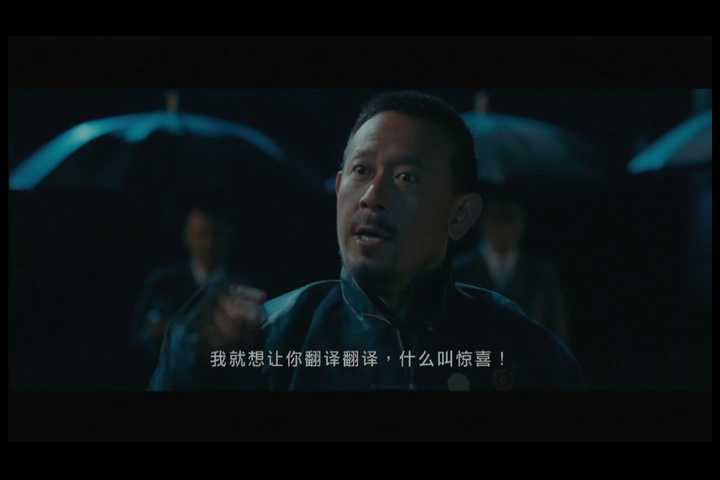
Too cocky!!

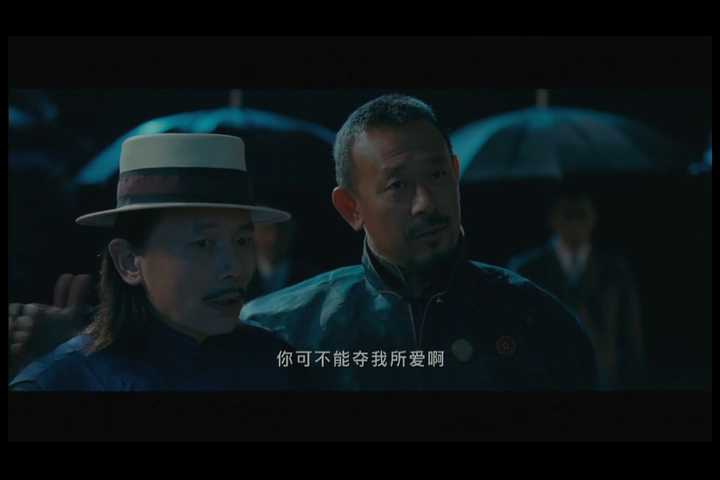
Could Huang Silang be gay?
Cocky!!
15. Ass
“I still have two things I tricked you about.” What two things? Could he mean the two cases involving the two husbands?

16. Revolution
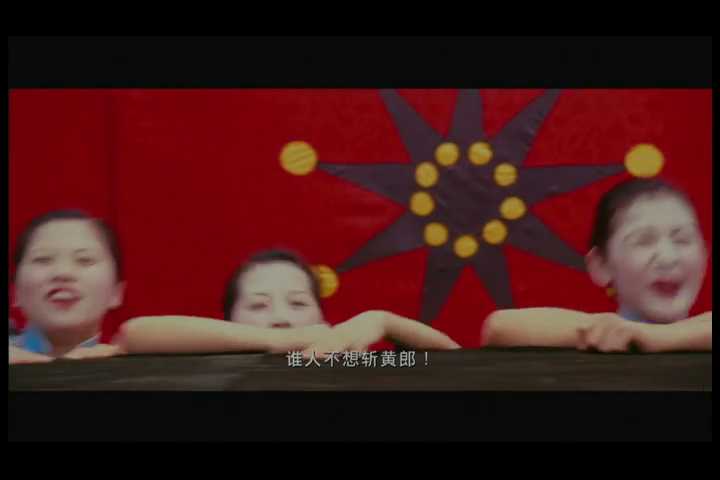
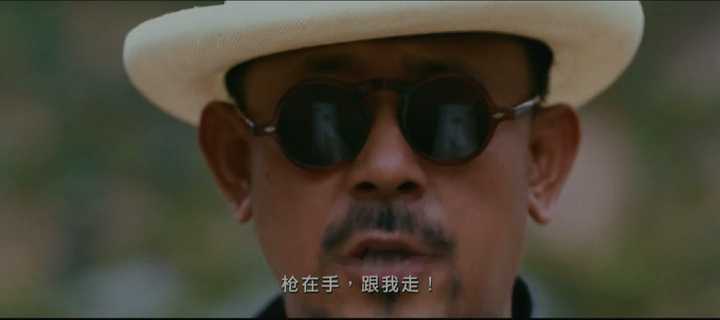
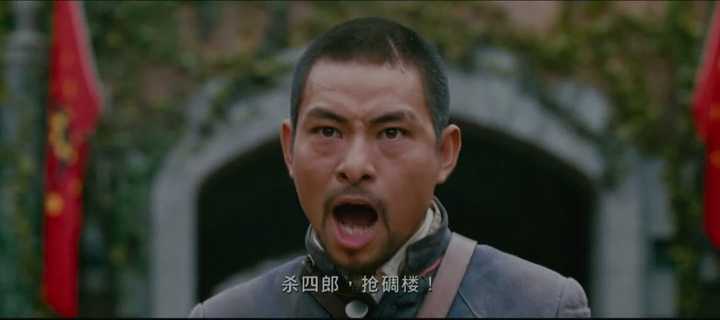
The first time I watched the movie, this was where I felt its plot logic stopped connecting. Before this, Zhang Mazi and Huang Silang had been engaged in a battle of wits, a highly technical game. But when it came to the final showdown, it suddenly became a revolution of brute force, the least technical kind. If the ultimate answer is that violence is needed to solve the problem, then weren’t all those earlier technical maneuvers a waste?
It was only on the second viewing that I managed to straighten things out a little. Zhang Mazi obviously needed a solid excuse—Huang Silang had ordered the fake Zhang Mazi to kill the county magistrate—to accuse Huang Silang. But before suppressing the bandits, Zhang Mazi actually knew nothing about the fake Zhang Mazi or the county magistrate’s murder. Finding that excuse in the end was pure dumb luck. Before suppressing the bandits, Zhang Mazi’s plan may have been this: he knew Huang Silang would definitely ambush him on the road, so he sent Number Two ahead to meet him there, hoping to capture Huang Silang’s men alive and then use Huang Silang’s alleged attempt on his life as an excuse to return to town and wipe him out. He just hadn’t counted on there really being a fake Zhang Mazi. Number Two died, but Zhang Mazi unexpectedly got the excuse that the fake Zhang Mazi had killed the magistrate. The thing is, that excuse was nothing more than Zhang Mazi’s word; it wasn’t hard evidence. If he’d known things would reach this point, he would have had plenty of chances to fabricate evidence like that. If he wanted to use this trick, he could have done it long ago. He could have used Hu Wan’s corpse as an excuse, for instance. Why go to all this trouble?
The revolution section may seem to require a few twists and turns before the plot logic falls into place, but the intention behind it isn’t hard to understand: when you’re making revolution in China, being ruthless is useless, being smart is useless, but making up slogans to fan the flames—that works. The slogans don’t need to make much logical sense. As long as they roll off the tongue and sound forceful, that’s good enough. The Chinese common people eat this stuff up.
17. The Stand-In
But the common people only “seem” to eat this stuff up. In the end, the only ones who actually followed Zhang Mazi in making revolution were a flock of geese. The common people are all about “whoever wins, that’s who we support,” so Zhang Mazi still had one more move: have the stand-in die in Huang Silang’s place. Once he used that trick, the film returned to its proper track—the battle of wits and ruthlessness—but stepped straight into a moral minefield. The stand-in hadn’t done anything deserving death. Isn’t this just treating human lives as weeds?
That’s exactly what it is: treating human lives as weeds!
For revolutionaries, killing the stand-in might be a moral dilemma. But in the eyes of a man bent on revenge, there isn’t the slightest moral obstacle. In the film, the deaths of the minor characters outside Zhang Mazi’s camp are never treated with sympathy. Besides the stand-in, there’s the cold-noodle shop owner, plus various random passers-by—A, B, C, and D.
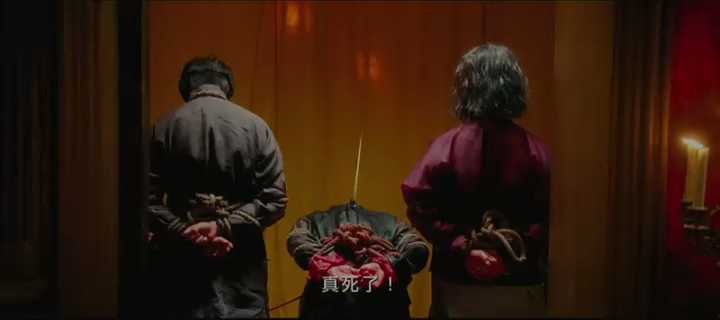

The bandits dividing up the money and playing at being Heaven’s will—that’s the sprouting of revolutionary consciousness. Maybe they’re the future successors of a new wave of revolution. For now, though, they’re merely bandits enjoying the pleasure of revenge. At most, you could call them warlords. They have none of the morality of heroes or revolutionaries.
Are the slogans really meant to stir up revolution? To seek benefits for the common people? Actually, this is nothing more than one move in a revenge game.
“Treat your comrades with the warmth of spring; treat your enemies with the mercilessness of winter.” Zhang Mazi is both an elder brother and a knight-errant on one side, and an executioner on the other. That’s the split personality of the bandit leader.
18. Death
The ending of the film is extremely strange. Here’s my deliberately crooked interpretation.
After witnessing Huang Silang take his own life, Zhang Mazi looks up at the sky: “Number Six, Number Two, Master Tang, Madam—did you see that?”
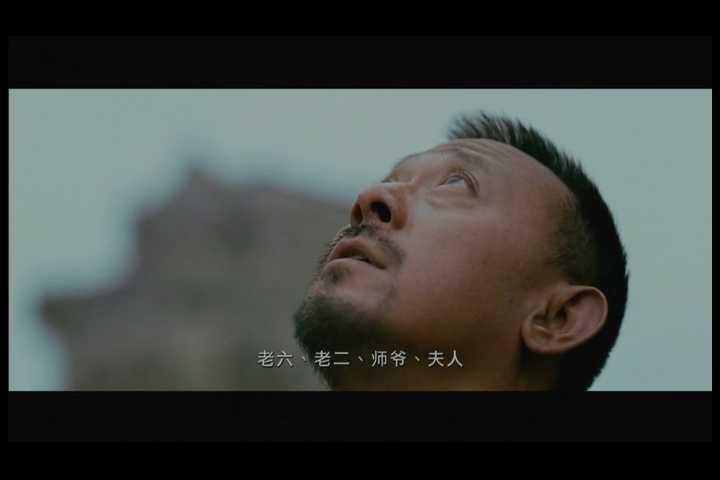

The montage cuts to an eagle in the sky. Zhang Mazi stares at it, looking thoughtful—or blank.

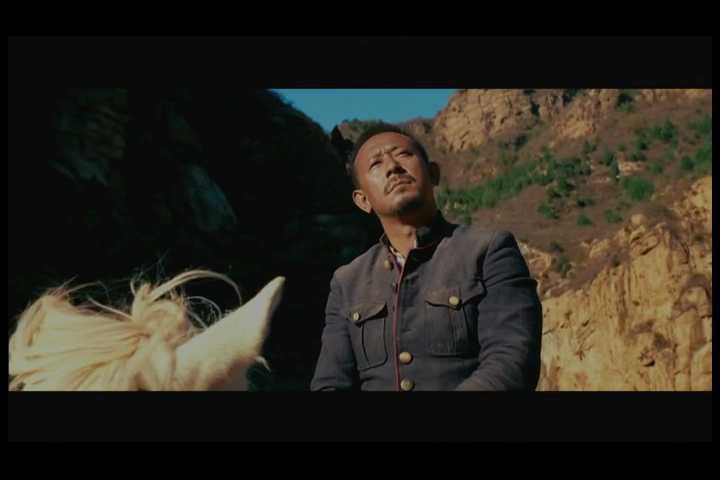
Then he lowers his head and continues looking thoughtful—or blank.
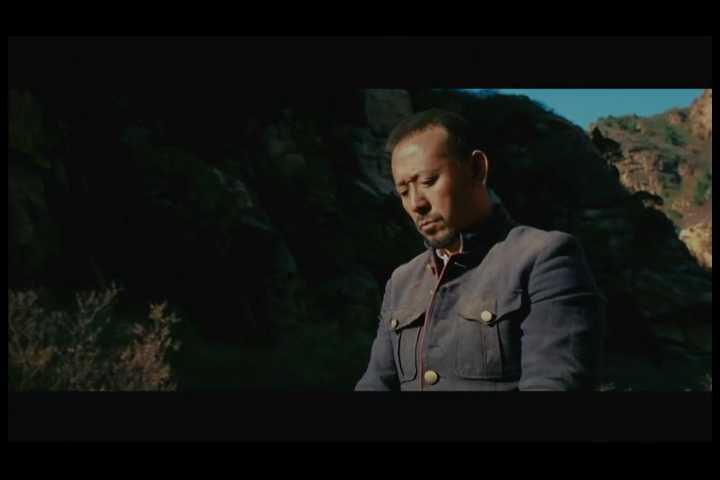
Isn’t Zhang Mazi’s expression after looking at the eagle a little strange? You can read it as him being thoughtful, but you can also read it as complete bewilderment, as if he has no idea how he ended up here.
Doesn’t it feel like that moment in Inception when something appears halfway through a dream? You don’t know how you got there. Apart from dreaming, when else do you get that feeling?
Then he suddenly hears “Outside the Long Pavilion, by the ancient road.” He turns around, and the horse-drawn train Master Tang rode earlier comes chugging over. An off-screen voice says, “Number Three, Shanghai or Pudong? Pudong or Shanghai?” Number Three replies, “Shanghai is Pudong, and Pudong is Shanghai.”
Why does the conversation between Number Three and Sister Hua not come from the train, but exist entirely as an off-screen voice?
Even stranger, this horse-drawn train is exactly the same one Master Tang rode earlier. Every detail is identical, including the number and appearance of the white horses.
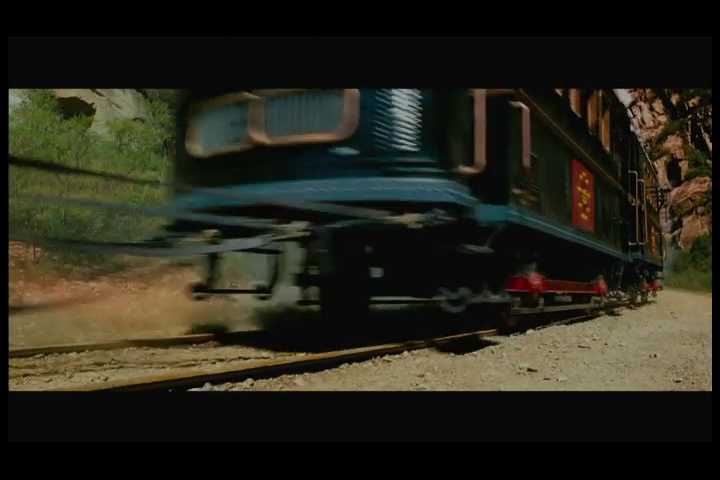
(Opening)
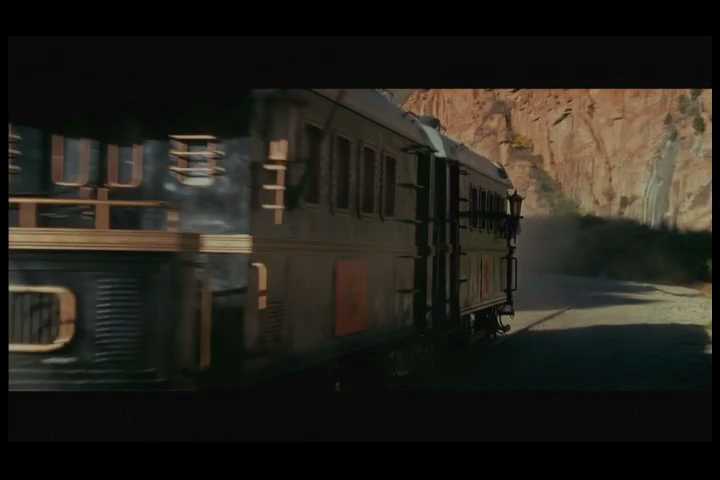
(Ending)
Even the eagle in the sky is the same one:
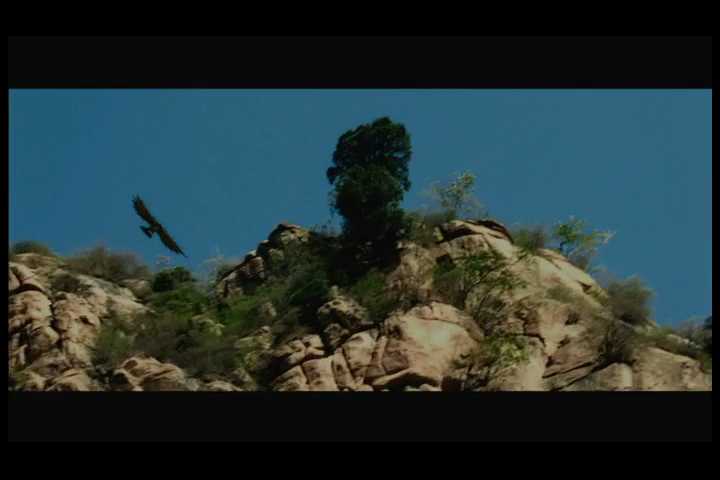
(Opening)
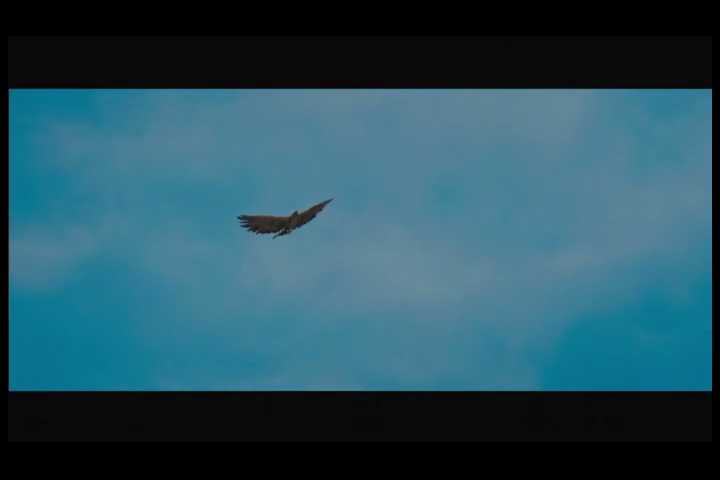
(Ending)
It looks as though Zhang Mazi isn’t experiencing a new episode at all, but reliving one that has already happened.
Then comes the strangest part. Master Tang is actually standing at the rear of the train in the final scene!—
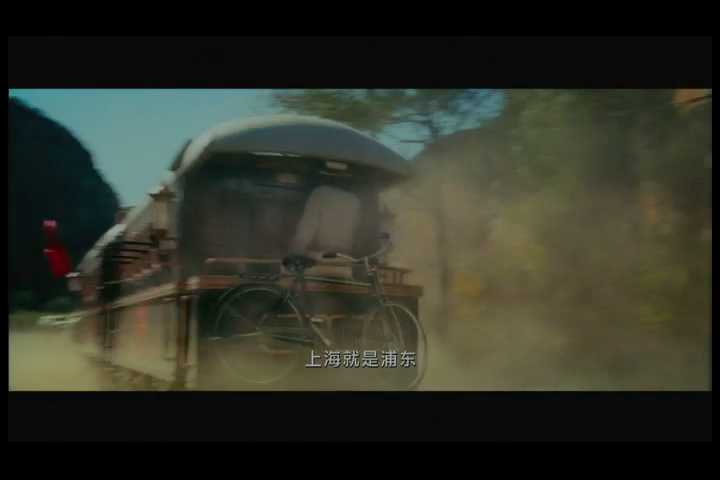


(I’ve heard that this back-shot was played by Chow Yun-fat, which would make it Huang Silang dressed up as Master Tang. That would be even stranger.)
What’s more, Master Tang is wearing the exact same white changshan he wore when he boarded the train at the beginning!—

This is Zhang Mazi’s expression when he sees the figure—
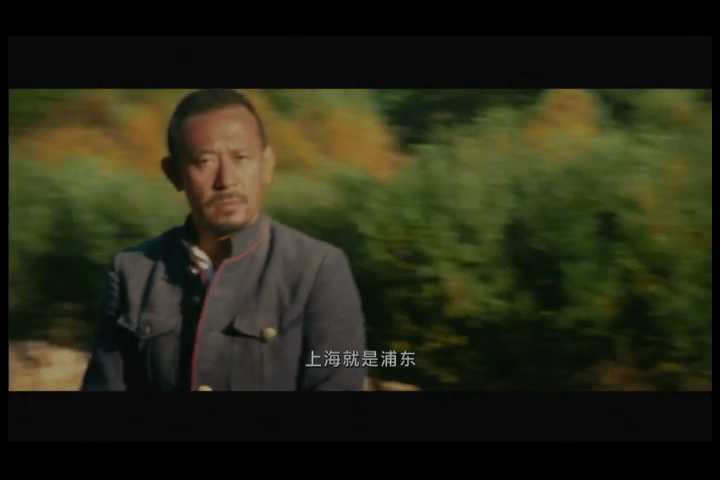
Only after that does he leave with the train.
Not long before this, Zhang Mazi was still asking Huang Silang to pass a message to Master Tang, saying that he’d tricked him. Then, in the blink of an eye, he sees Master Tang with his own eyes. What does that mean? It means there was no longer any need to pass on the message: Zhang Mazi himself had already arrived wherever Master Tang was.
So the usual interpretation is that Zhang Mazi comes outside the city, encounters the train Number Three and the others are riding, and follows it away.
My crooked interpretation, though, is that Zhang Mazi is actually already dead here!
This entire scene is a hallucination he sees in another world—or at the moment of death.
So how did Zhang Mazi die? The film actually drops a hint:
After Zhang Mazi returns to town from suppressing the bandits, the off-screen voices of Huang Silang and his men go like this—


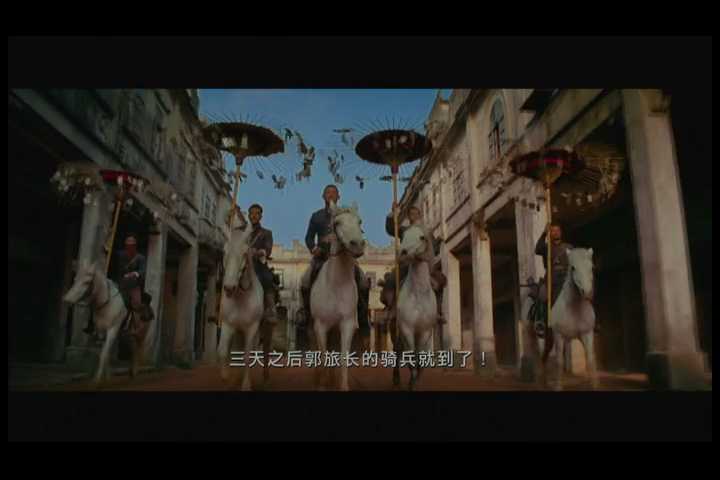
“Then let’s have the government troops come suppress the bandits.”
“I sent Hu Bai over long ago. Brigadier Guo’s cavalry will arrive in three days.”
So which day was it when Zhang Mazi took care of Huang Silang?
Counting from the day he returned to town, it was the fourth day—exactly three days later!
In other words, after Zhang Mazi forced Huang Silang to kill himself that day, he, his brothers, and the people of Goose City were immediately going to face Brigadier Guo’s cavalry. The film never follows up on this thread.
But if this highly fantastical ending really is a vision of the world after death, we can guess that Number Three and the others hadn’t even made it out of the city before running into Brigadier Guo’s cavalry. The entire army was wiped out, and Zhang Mazi himself ultimately couldn’t escape that fate either.
The final sequence of the film is really the ghosts of the bandit brothers reuniting in another world. The beautiful dream Number Three, Master Tang, and the others failed to complete in life could only continue here.
Leave a Reply