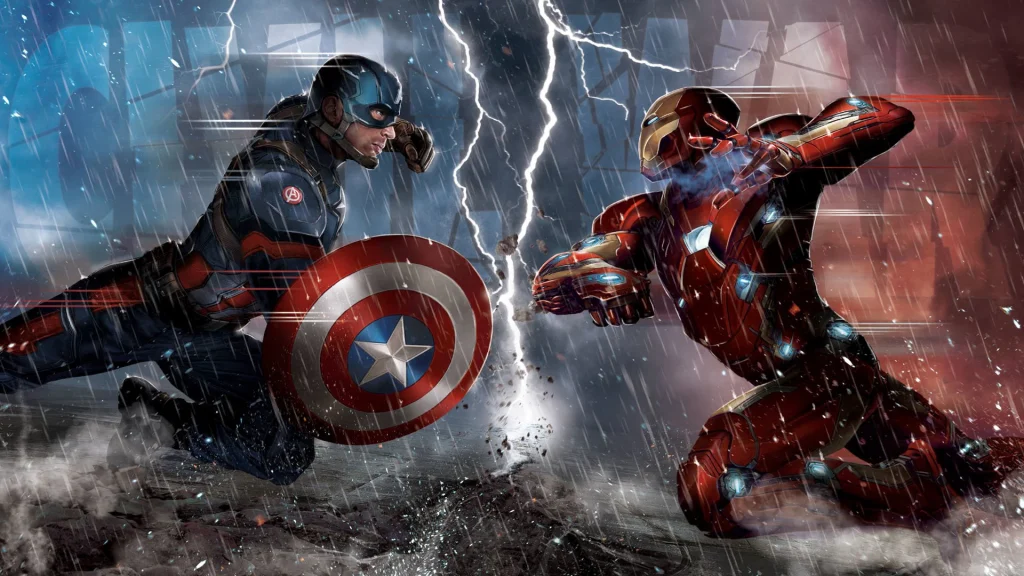
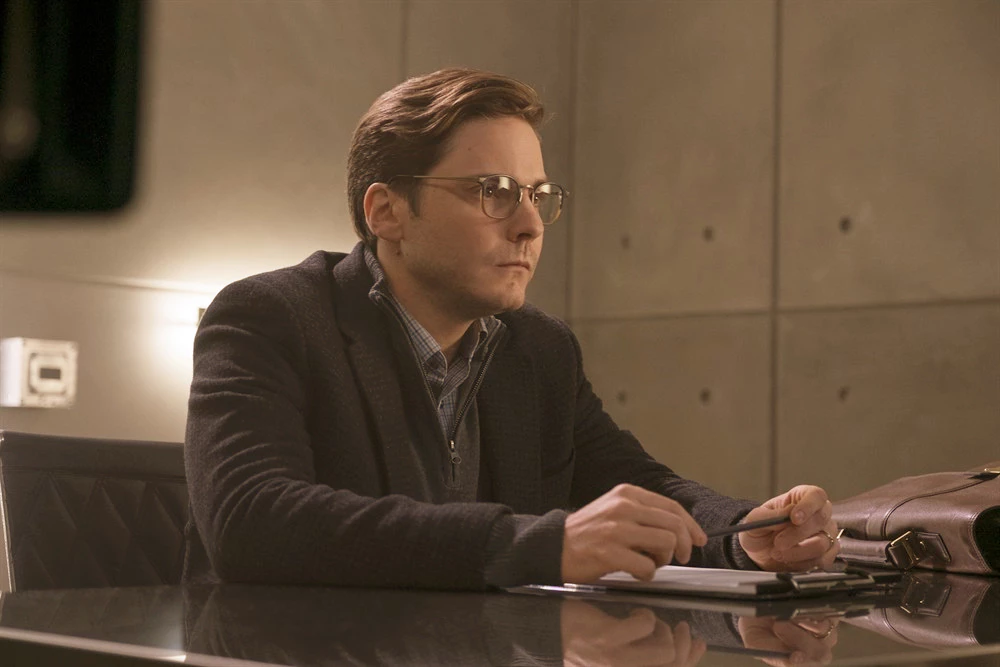
I’m Zemo, and I’m—an ordinary bystander in a superhero movie.
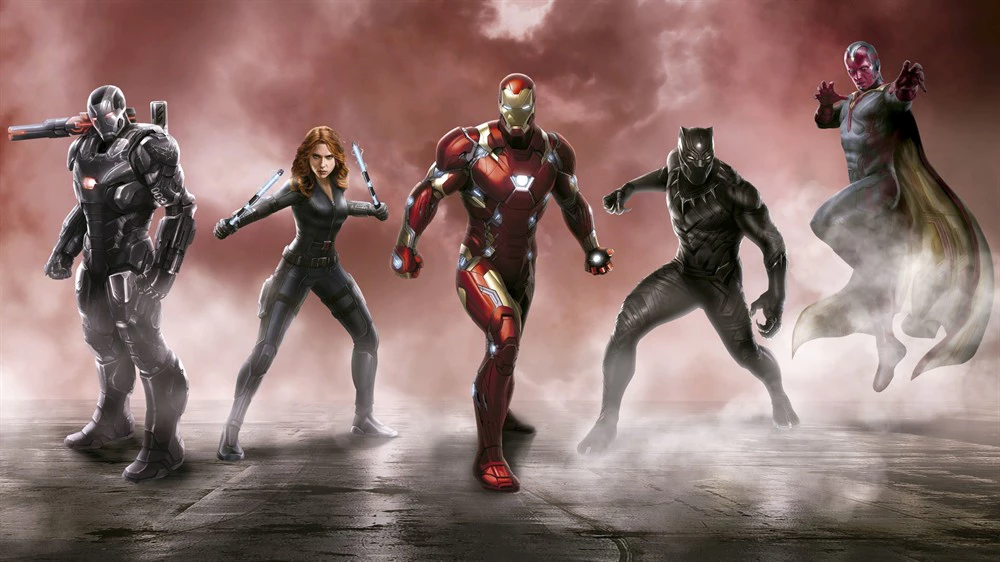
The world I live in is teeming with superheroes.
And in the world of superheroes—especially the PG-13 ones—there’s an unwritten bit of political correctness called superheroes never hurt the innocent.
But “never hurt the innocent”—do you believe that? Heh.
“Don’t hurt the innocent” was supposedly established by a robot more than 70 years ago. That robot later ran for governor of California, using “don’t hurt the innocent” to build his glorious, upright image.
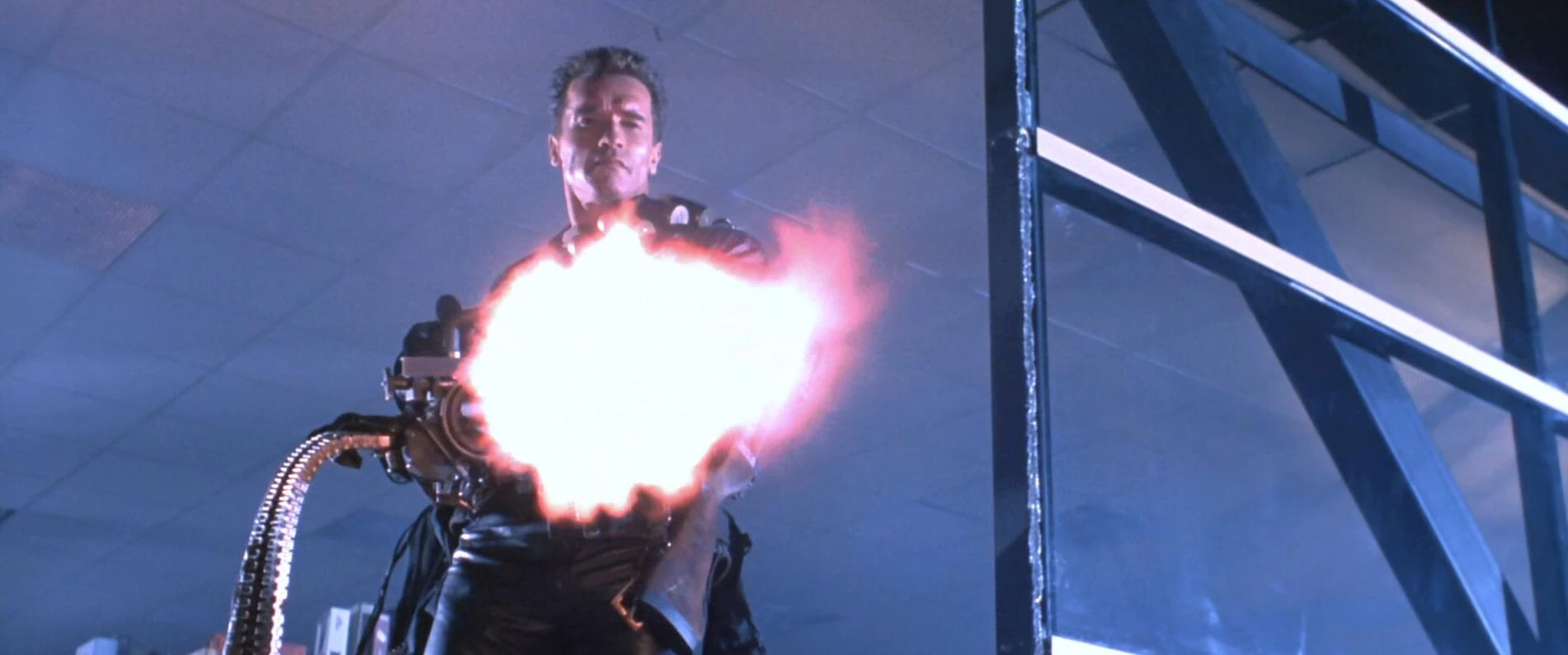
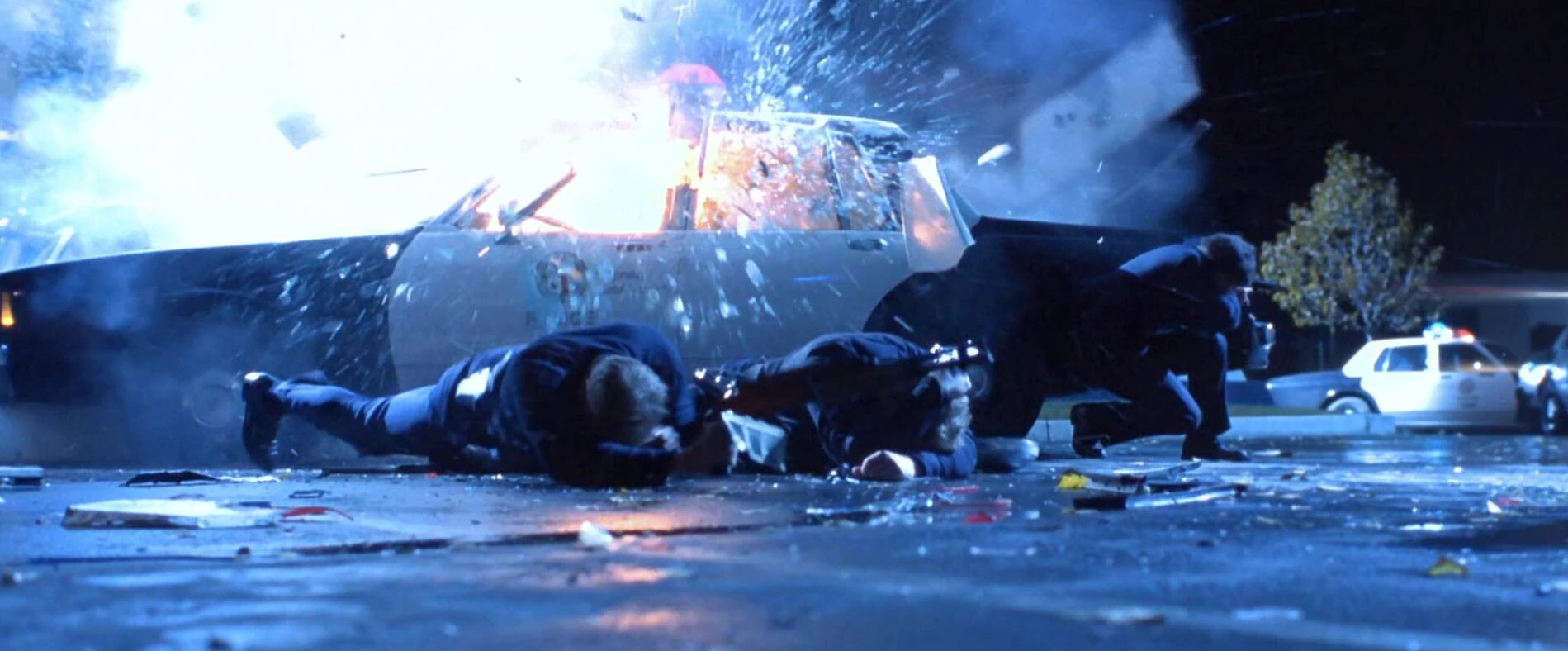
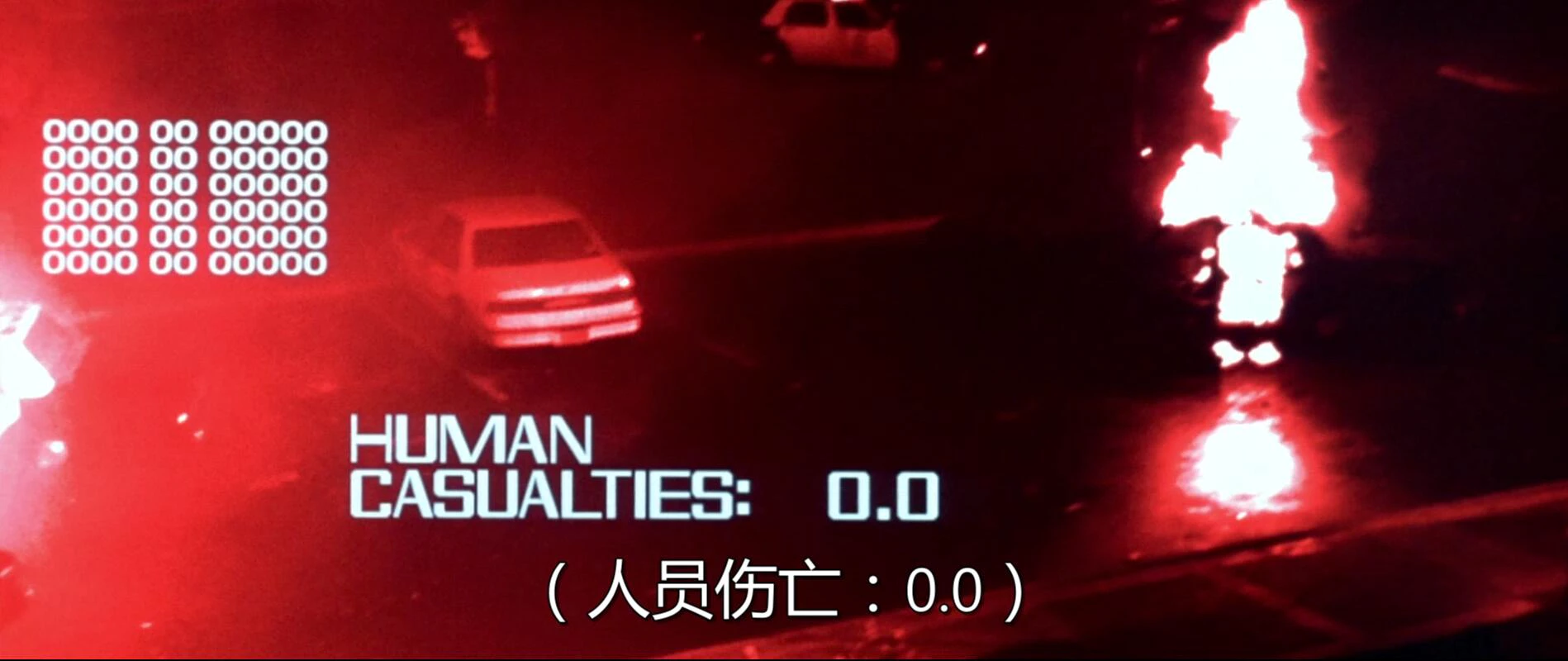
This gentleman routinely roams the world with all kinds of weapons of mass destruction. Wherever he goes, the bad guys get wiped out, yet somehow not a single ordinary civilian ever dies.
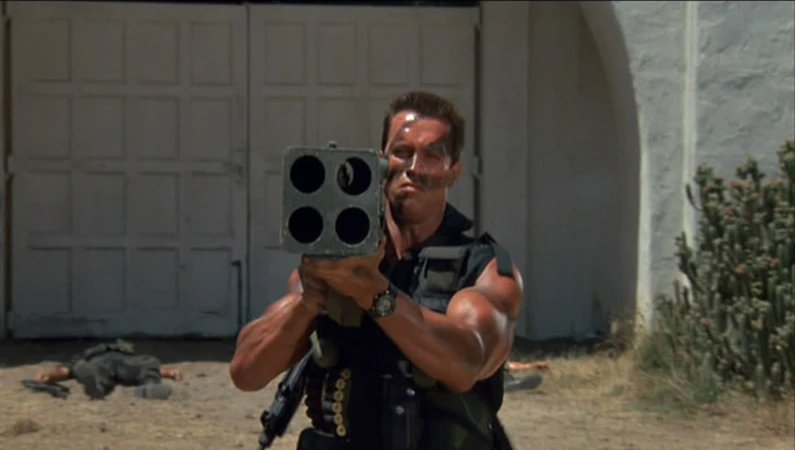
From then on, “don’t hurt the innocent” became one of the rules of the underworld.
Later, all kinds of superhumans, aliens, and robots made their grand entrances. The superhero ranks grew and grew, but nobody dared break the rule—until more than a decade later, in 2007.
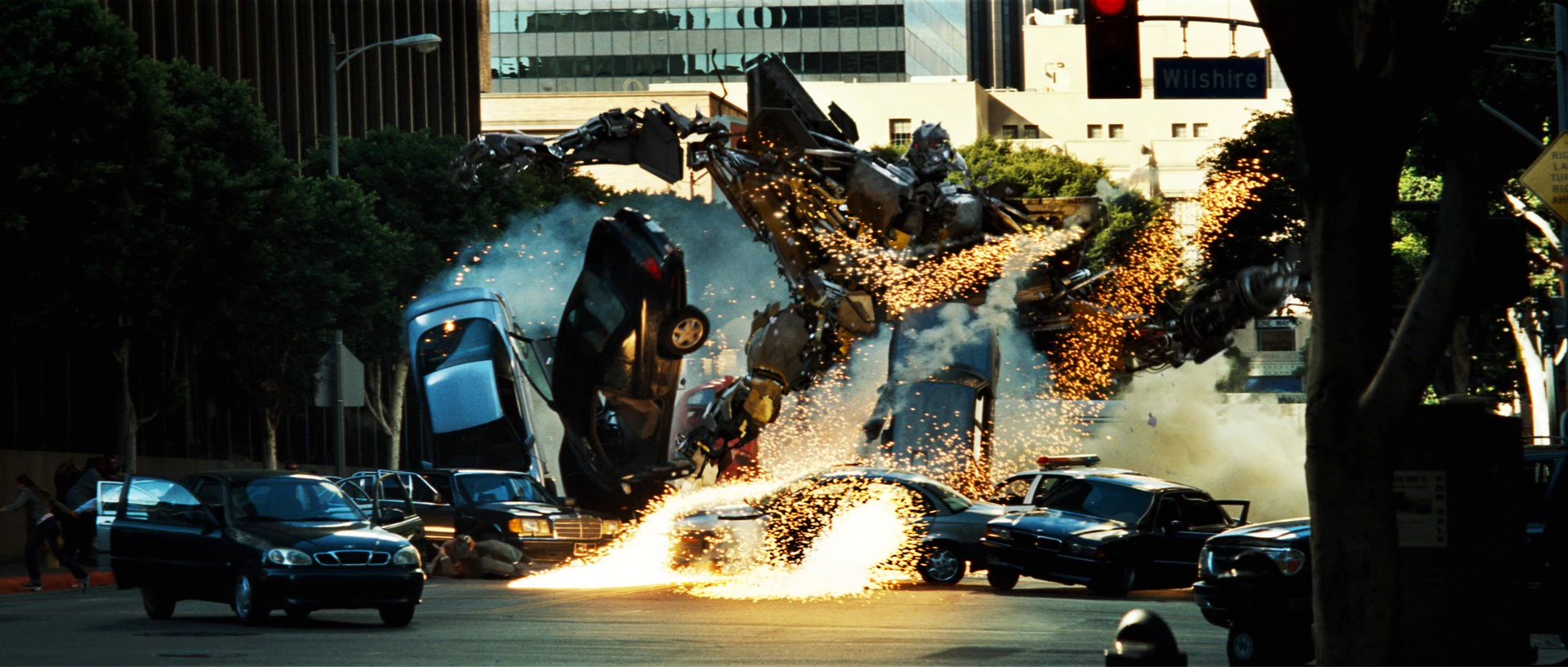
That year, a group of alien silicon-based life-forms, later nicknamed the Transformers, fell from the sky. They split into good and evil factions and came to Earth for a brawl. The universe is enormous, and they just had to pick Earth; Earth is enormous, and they just had to start fighting downtown in a bustling metropolis. That’s a little hard to defend, isn’t it?
The year before the Transformers started fighting, the carbon-based alien known as Superman also arranged a bout with his archenemy, Lex Luthor. It was quite a spectacle too: Luthor somehow created a whole stretch of land in the sea beside Manhattan, New York (or “Metropolis,” as Superman calls it).
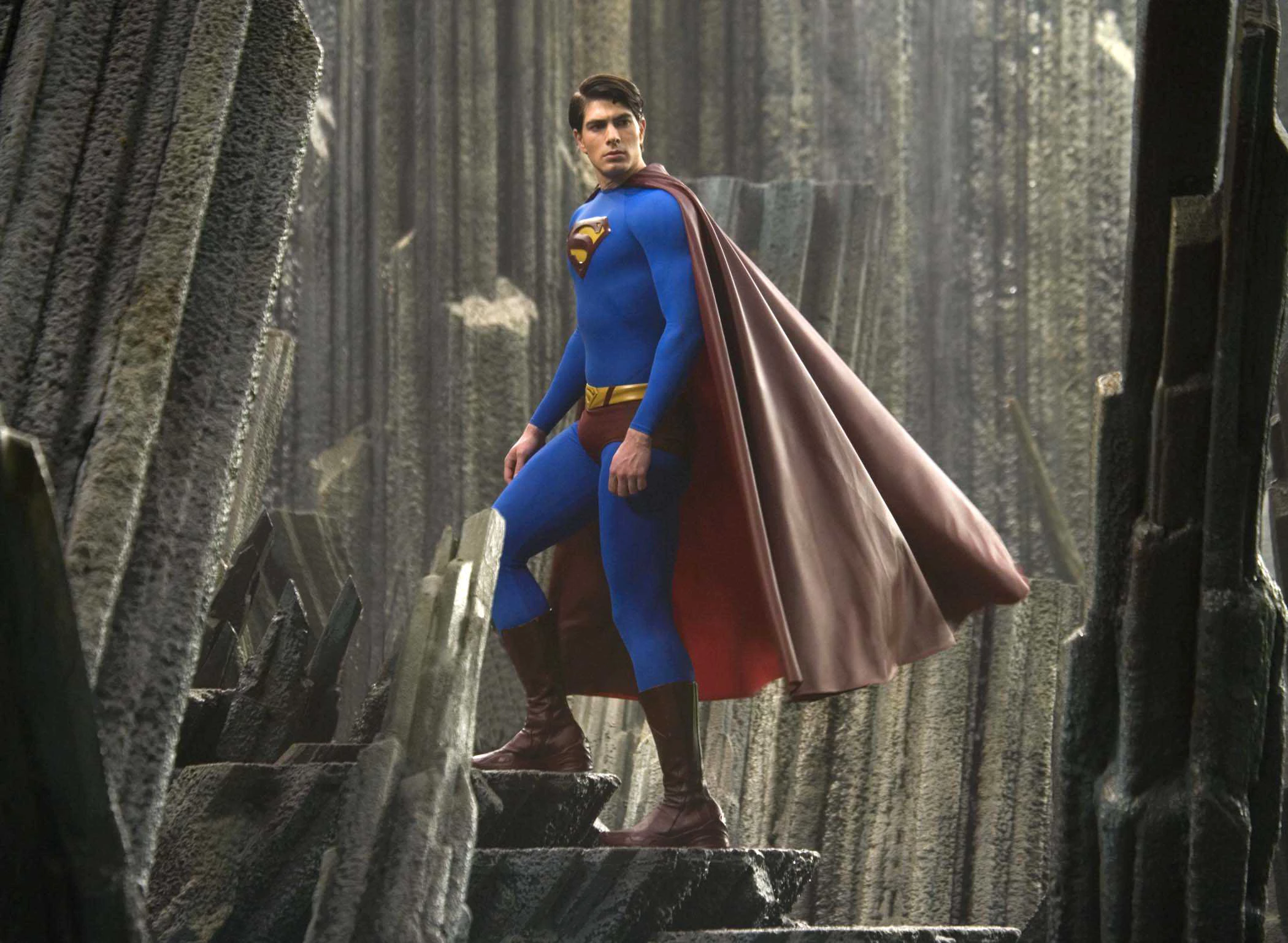
In the real world, this would obviously cause a tsunami and drown at least half the people in the city. But in our nonsensical superhero world, all it did was make Manhattan’s buildings wobble a few times.
Later, we watched Superman lift that chunk of land and throw it into space, cheering him on: “He’s ascending to immortality~!”
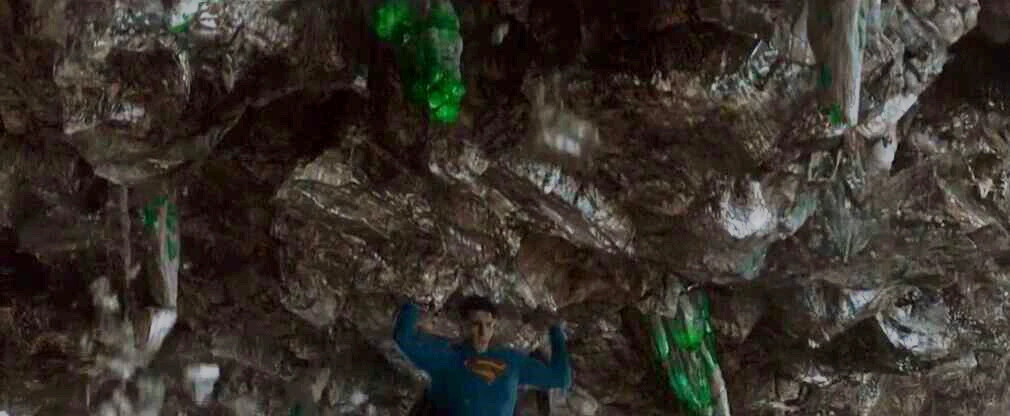
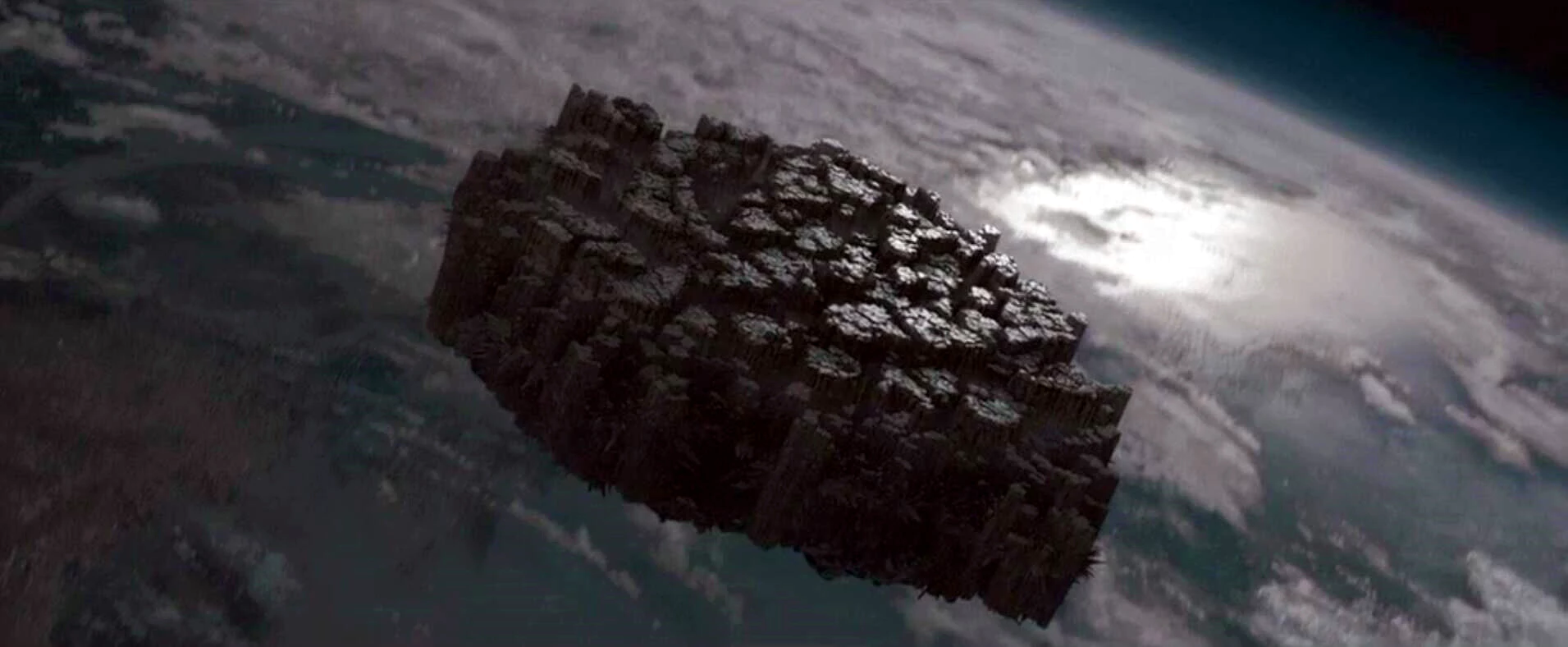
So that fight had the old-school superhero style. Old-school superheroes fought gently, like a spring breeze and fine rain. A fight was a fight, but they didn’t fling things around much, rarely hurt the flowers and grass by the roadside, and certainly didn’t hurt people. Back then, whenever we ordinary bystanders saw superheroes fighting, we’d rush excitedly to the tops of skyscrapers, brew a pot of tea, and watch the spectacle while cracking sunflower seeds—there was no danger anyway.
With a scene that big, the number of civilian casualties was zero.
I hear that about a hundred years ago, during China’s warlord conflicts, soldiers would fire into the sky without killing very many people. After a battle involving tens of thousands, maybe ten or twenty people had died. Ordinary Chinese people would then bring the elderly and children to the edge of the battlefield to watch the excitement. We ordinary bystanders did the same thing back then. Heroes fought, we watched, and everybody had a lovely time.
Back then, superheroes really didn’t kill ordinary civilians. That was the rule.
But the Transformers who dropped from the sky a year later changed everything. We used to watch from rooftops; now they fought directly on the rooftops. The curtain rose on superheroes’ descent into a demolition squad.
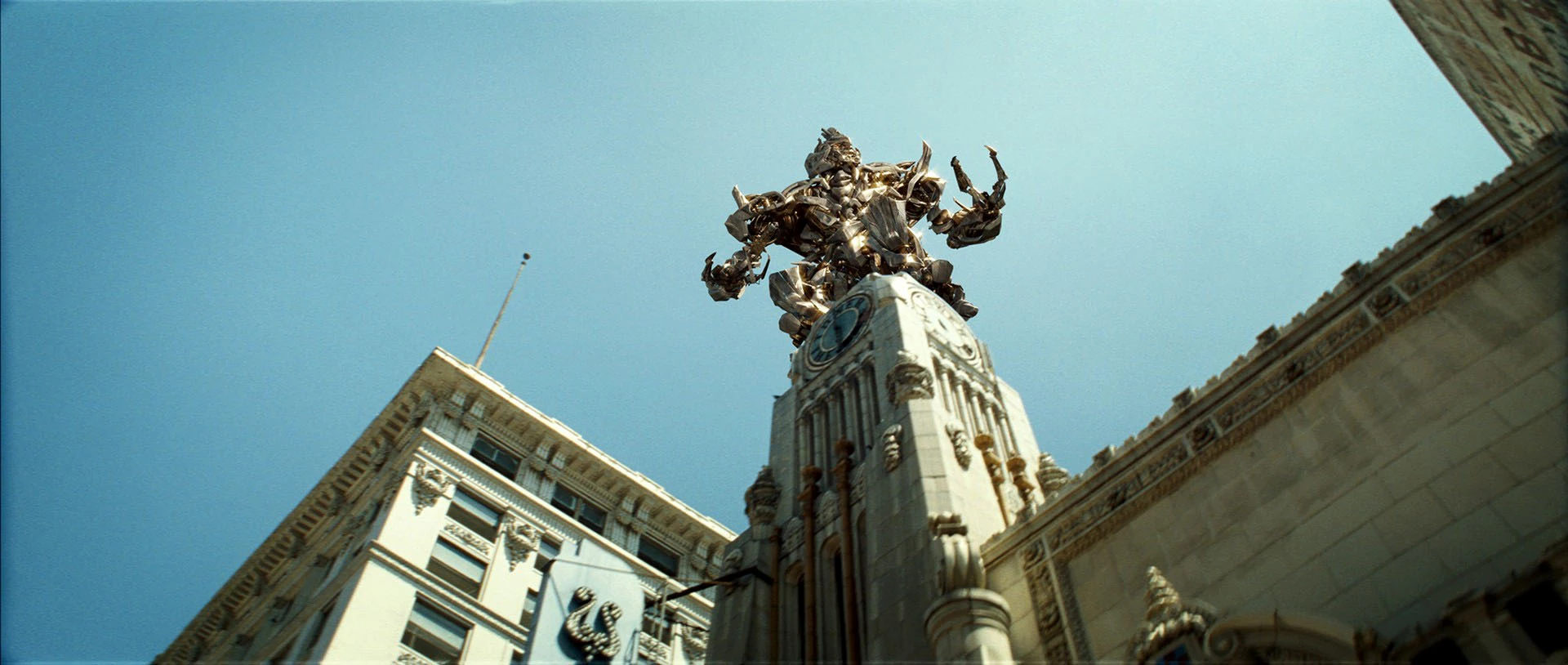
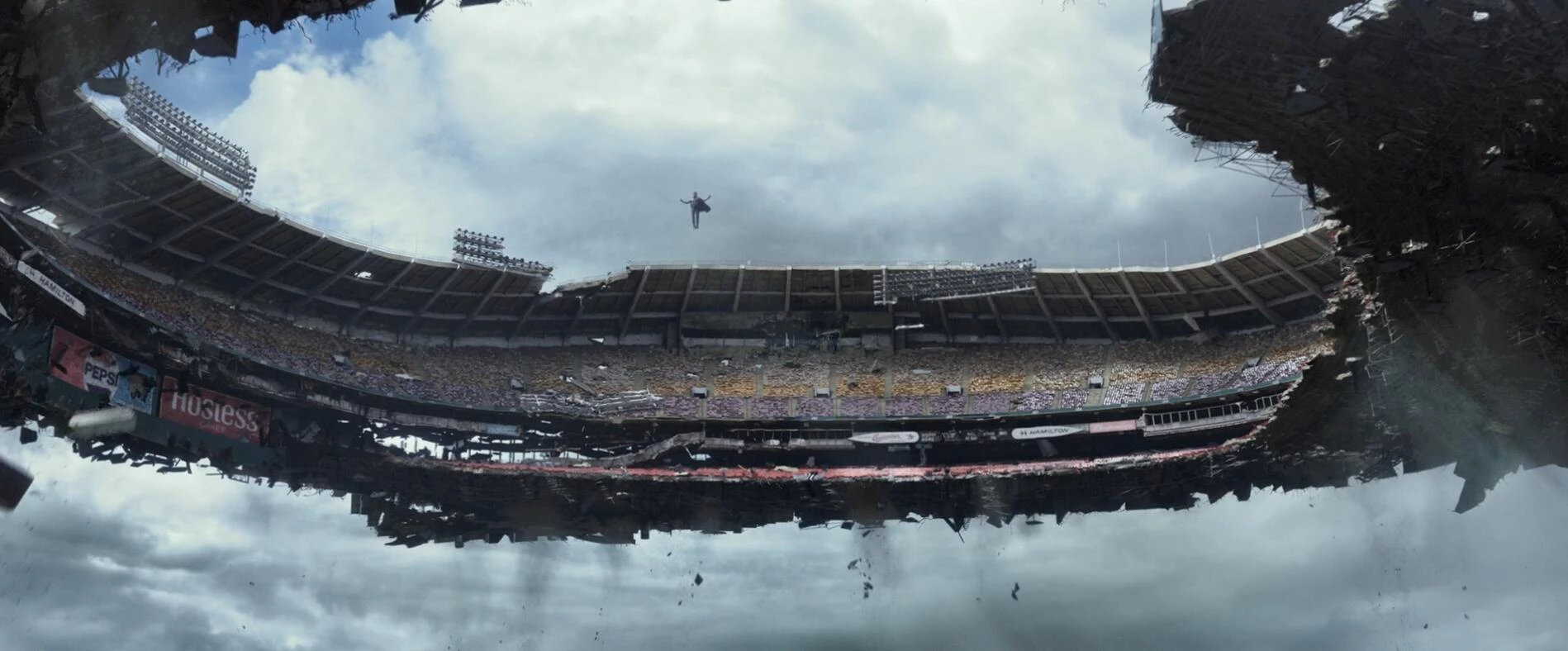
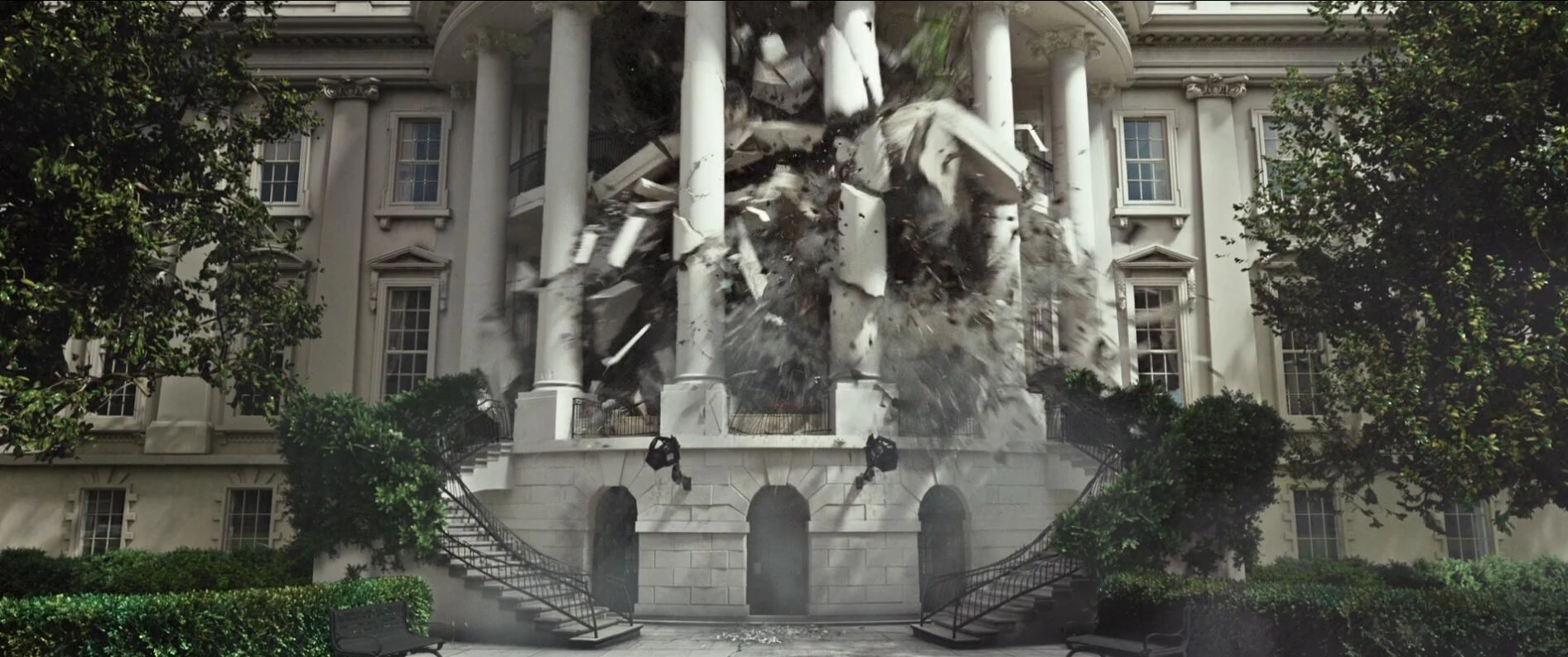
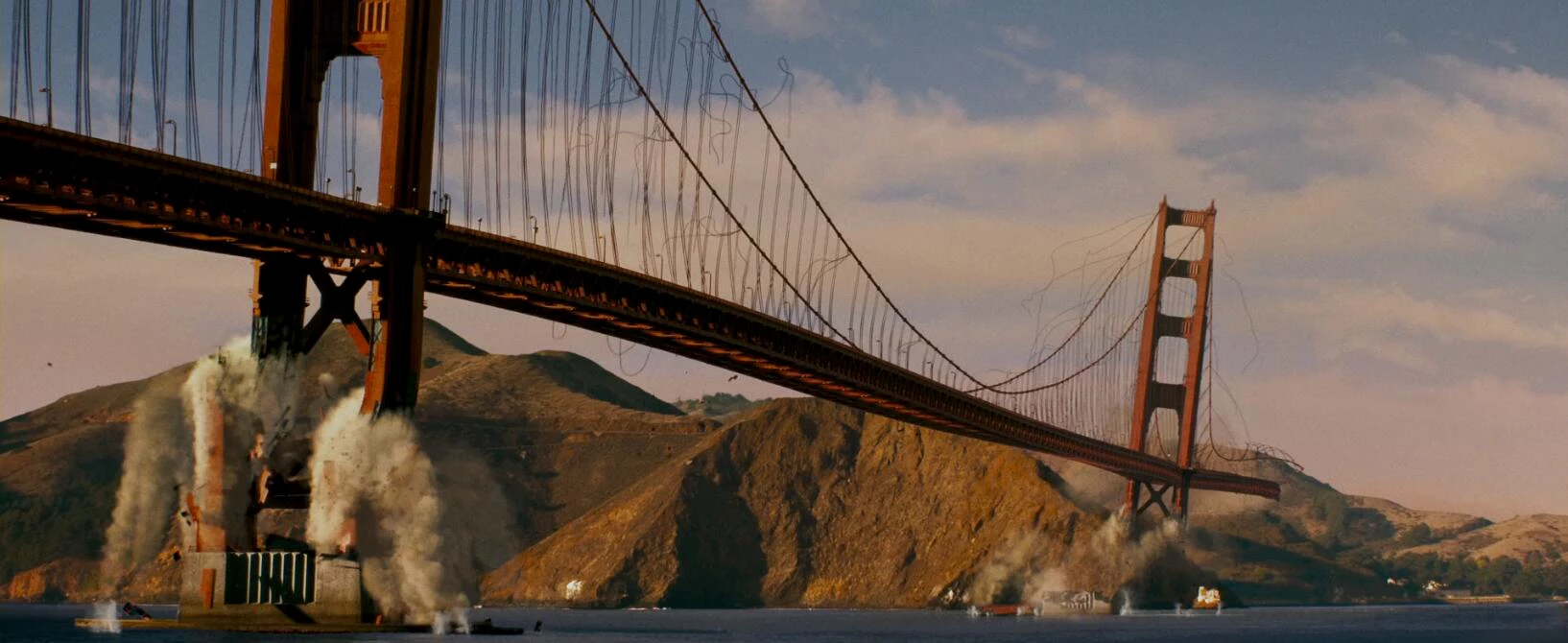
Before the rule went bad, demolition-squad captains were always supervillains. Take Magneto, for example—a real demolition expert among the mutants:
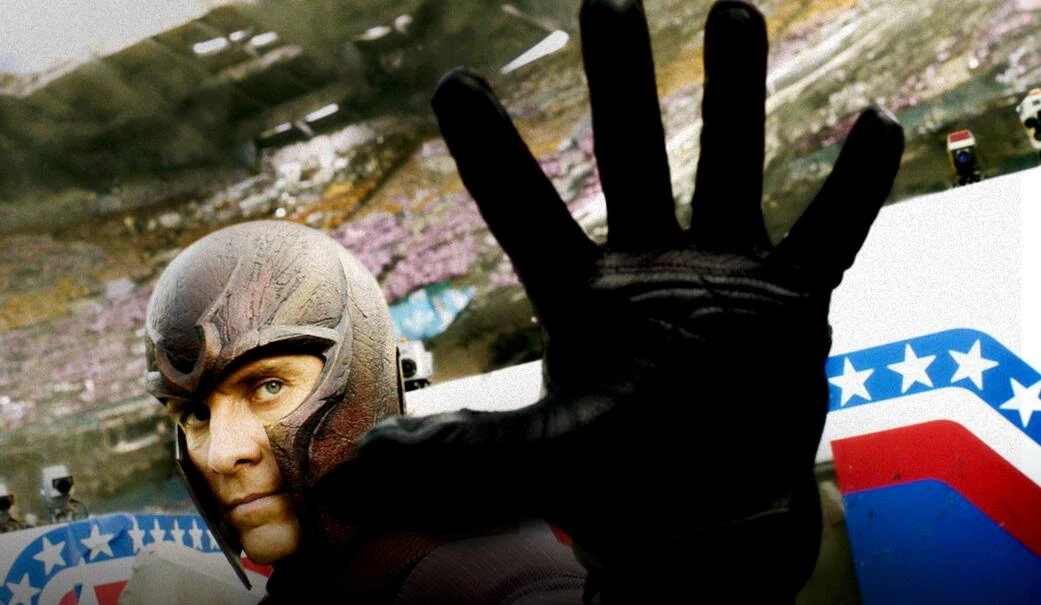
In the 1960s, he demolished a stadium:
The White House:
In the 21st century, he demolished the Golden Gate Bridge:
Things that only villains used to enjoy doing became things that superheroes and supervillains did together once the rule broke down.
For example, Superman, once so gentle that he wouldn’t hurt a flower or blade of grass, underwent a personality change a few years ago, in 2013. He arranged a fight with his fellow Kryptonian, General Zod—yes, in New York again. Last time, the ground merely split in a few places; this time, the entire city was pulverized:
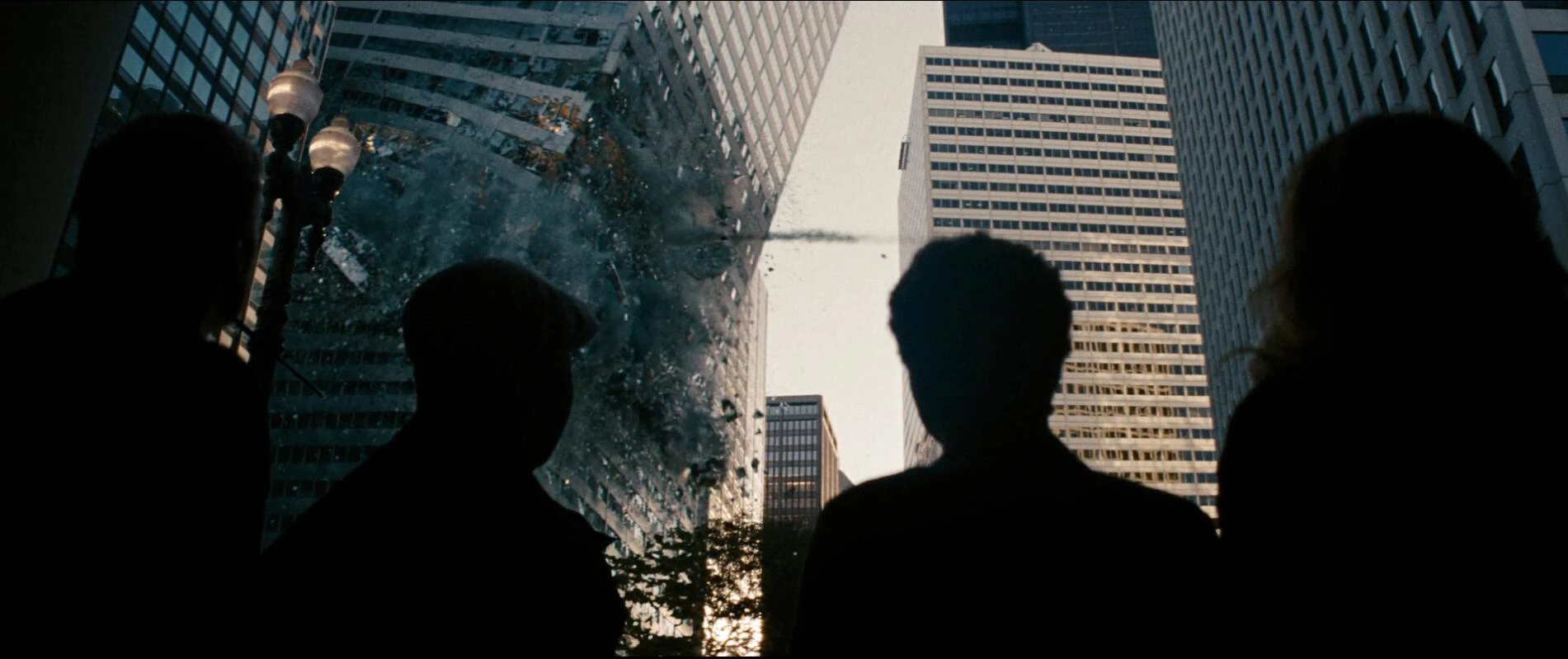
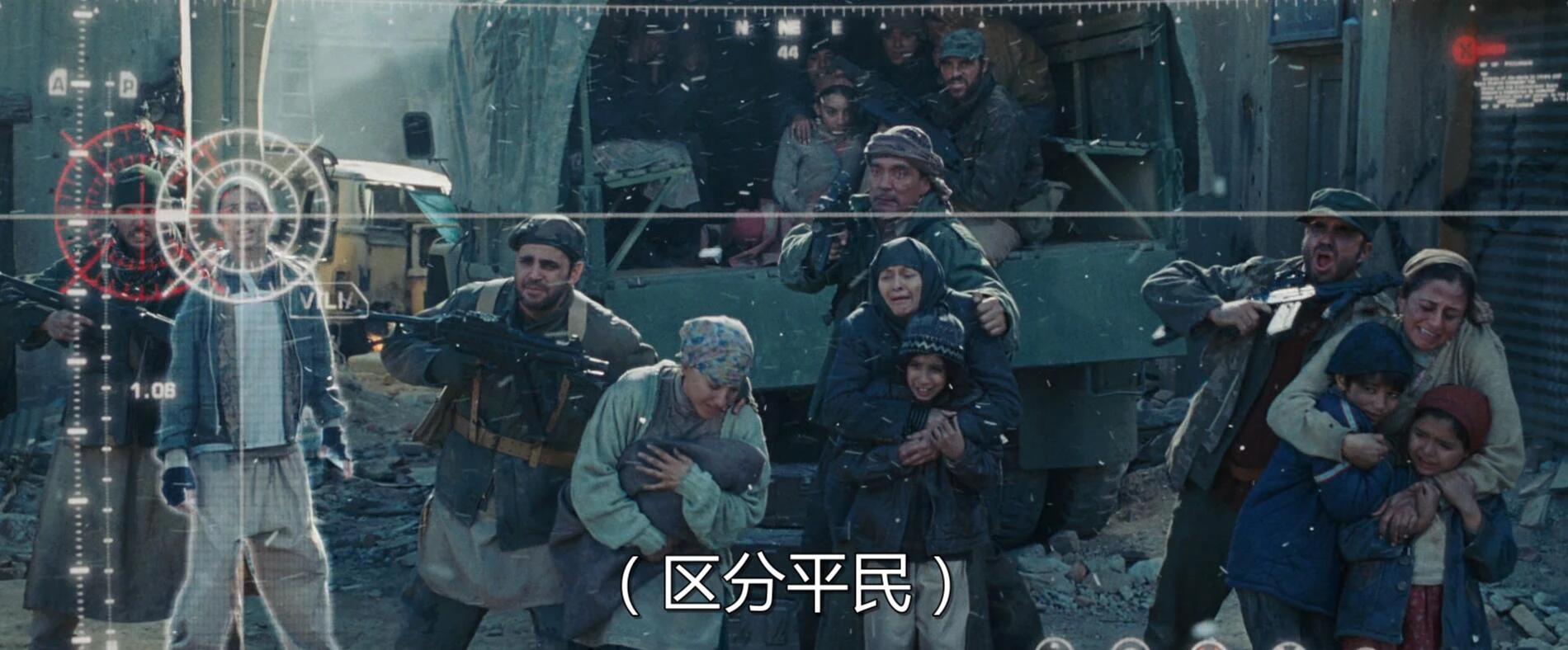
Or take Iron Man. When he first appeared, he cared deeply about protecting civilians. After all, protecting civilians was exactly why Stark turned himself into Iron Man:
But later, in the Avengers’ battle with the aliens, he and the Hulk turned all of New York into rubble.
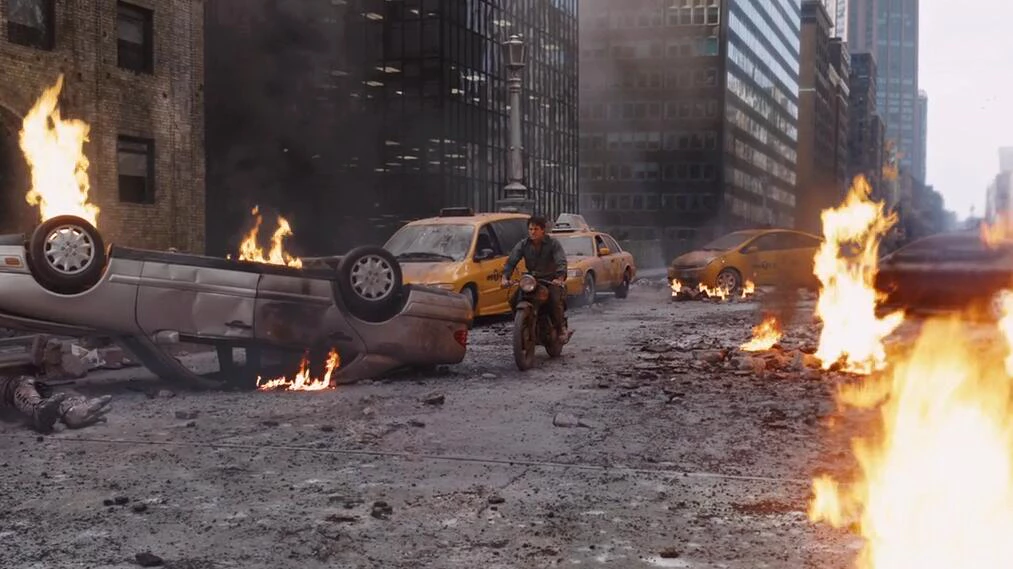
On the surface, these superheroes still seemed to put civilian lives first. Amid their frenzy of tearing down buildings and smashing walls, Captain America still remembered to direct a few ordinary bystanders to safety.

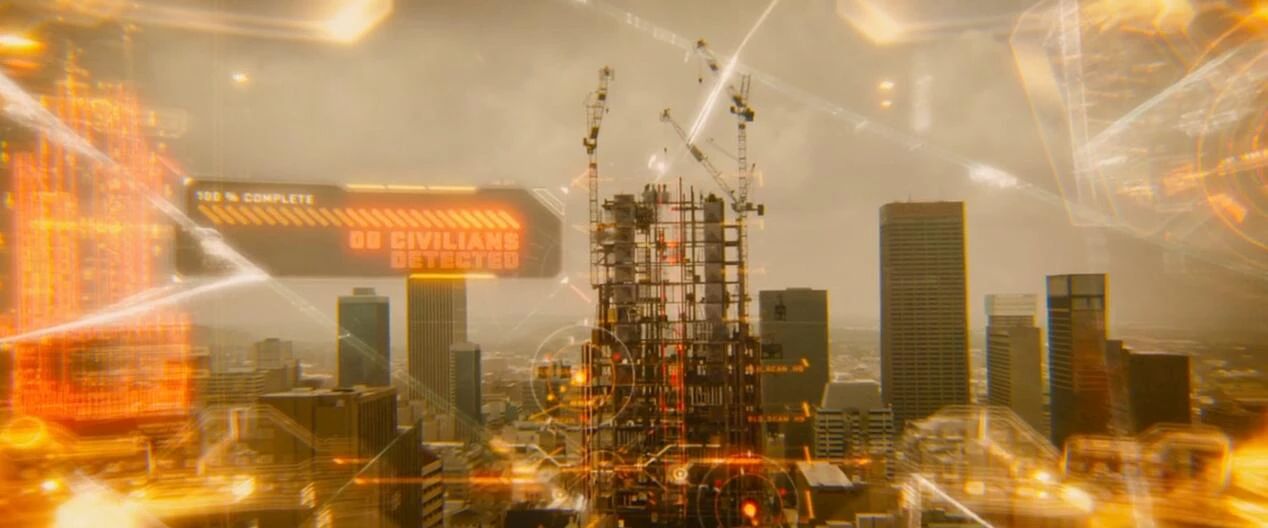
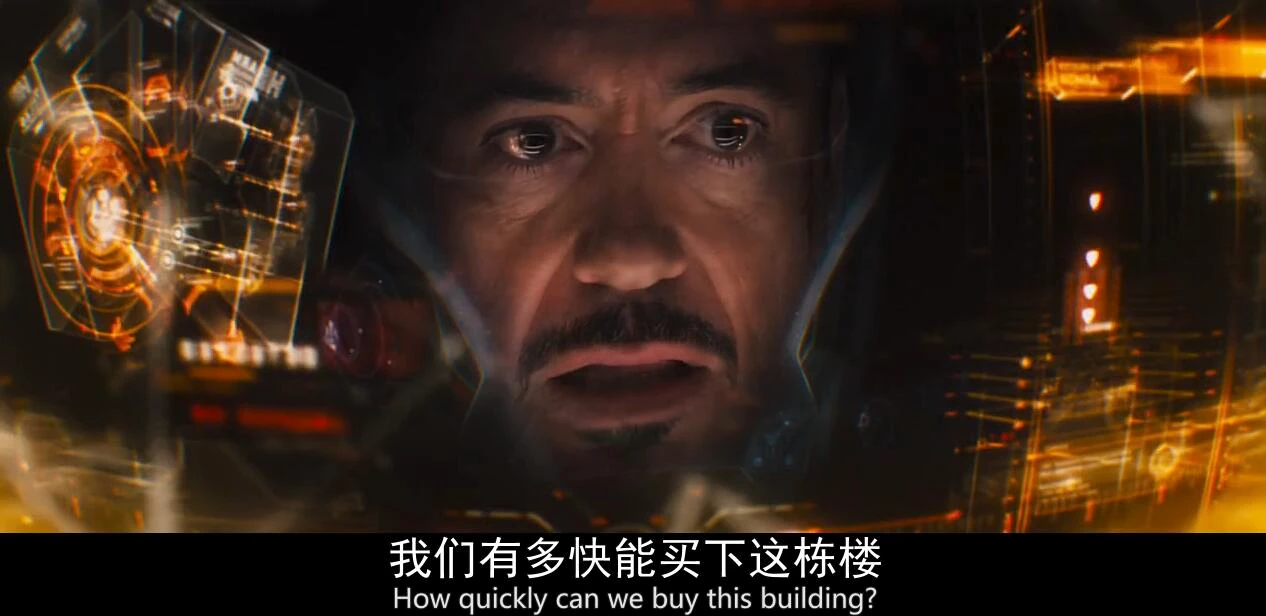
When Iron Man fought the berserk Hulk, he demolished a high-rise under construction, first scanning the building to make sure nobody was inside:
To protect a few ordinary bystanders, Superman didn’t hesitate to snap the neck of General Zod, the only other member of his species still alive:
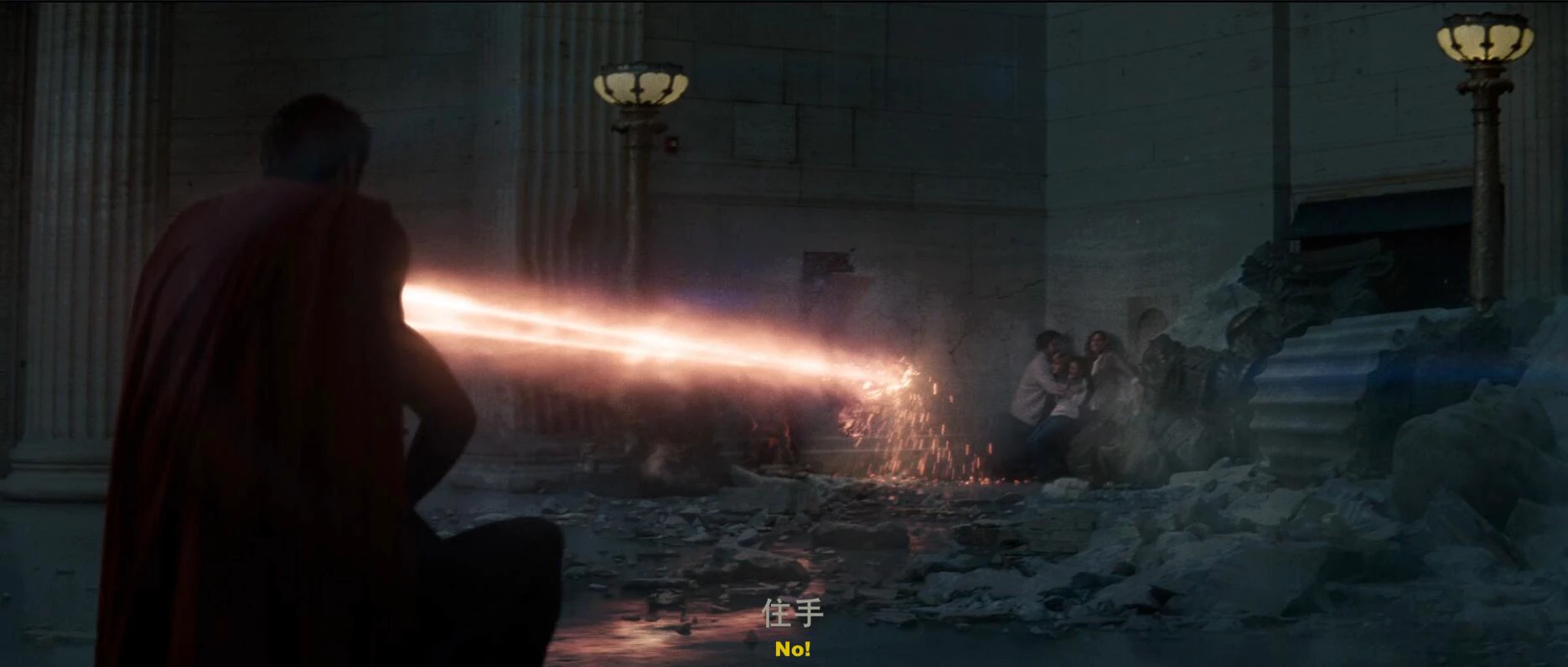
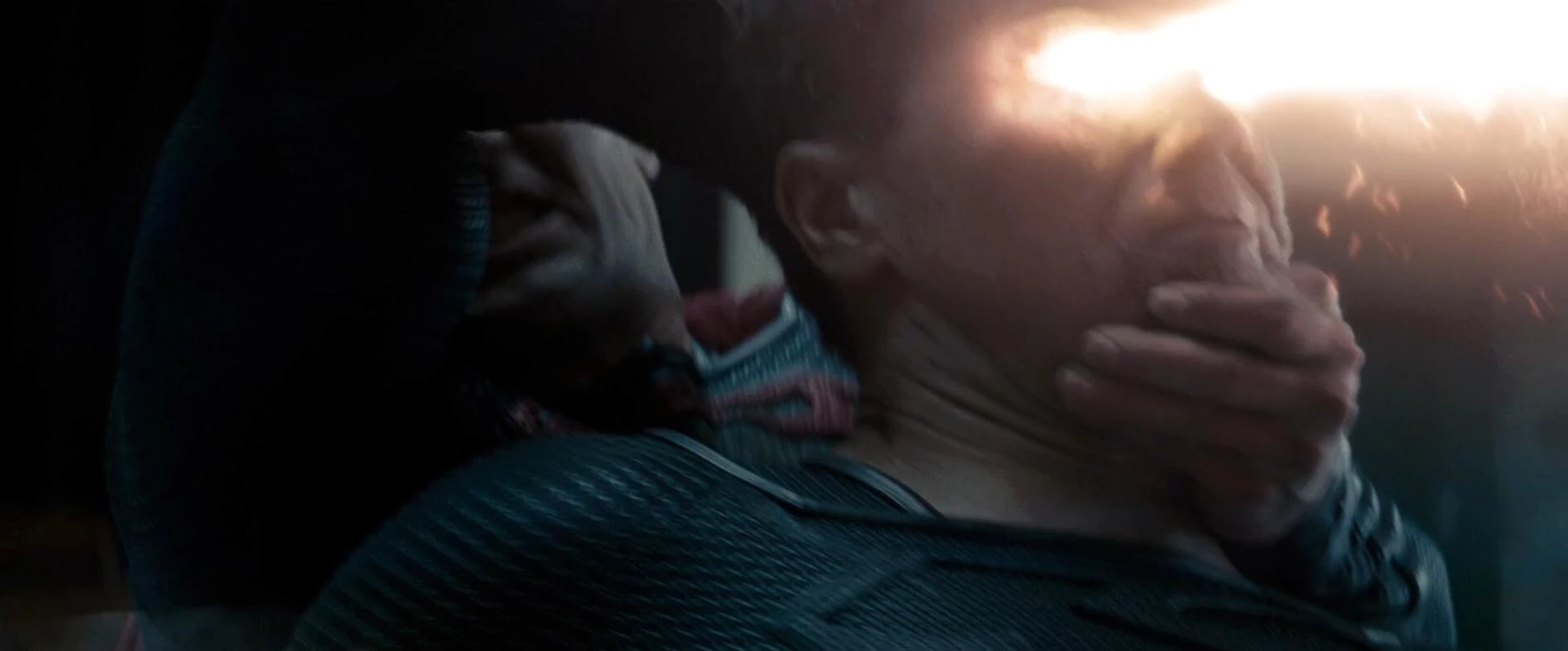
It seemed that the lives of ordinary bystanders were still priceless, just as before.
But before that, did he ever think about how many innocent bystanders had already been pulverized along with the city? They simply hadn’t shattered into rubble right in front of him.
That’s the strange part. For all these years, you’ve watched this bunch of superheroes demolish buildings and walls in densely populated cities, yet never seen a single innocent corpse.
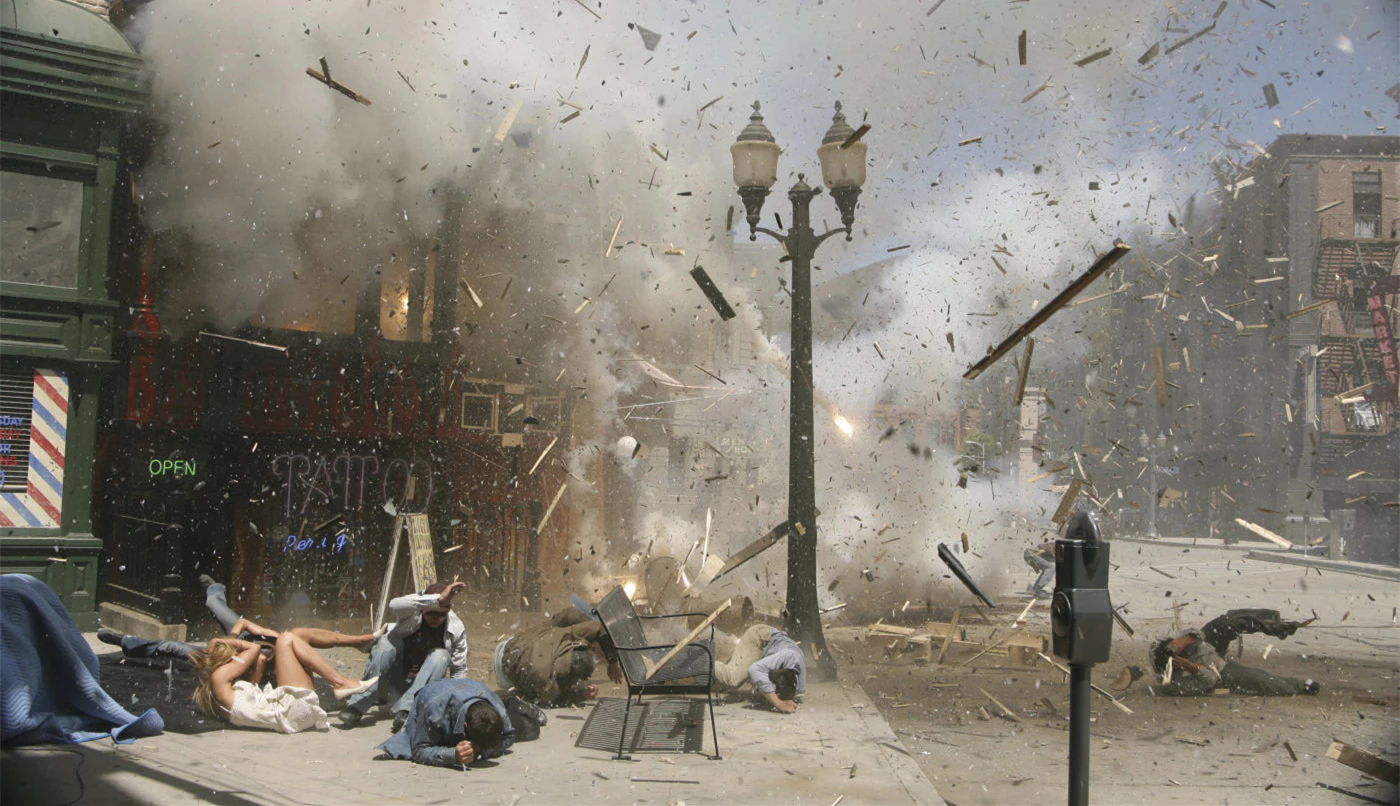
Most of the time, when we ordinary bystanders appeared on camera, we were dodging the broken bricks and tiles thrown around by superheroes and supervillains.
If those broken bricks and tiles were thrown by a supervillain, they could still kill a few people.
But as long as they were thrown by a superhero, well, they were all very “socially responsible.” Every piece of “justice’s debris” that entered the frame flew with astonishing precision into the gaps between people—the righteous side’s broken bricks and tiles simply could not hit anyone:
Or else, at the split second when a piece of debris was about to hit someone, the superheroes would swoop in and save them:
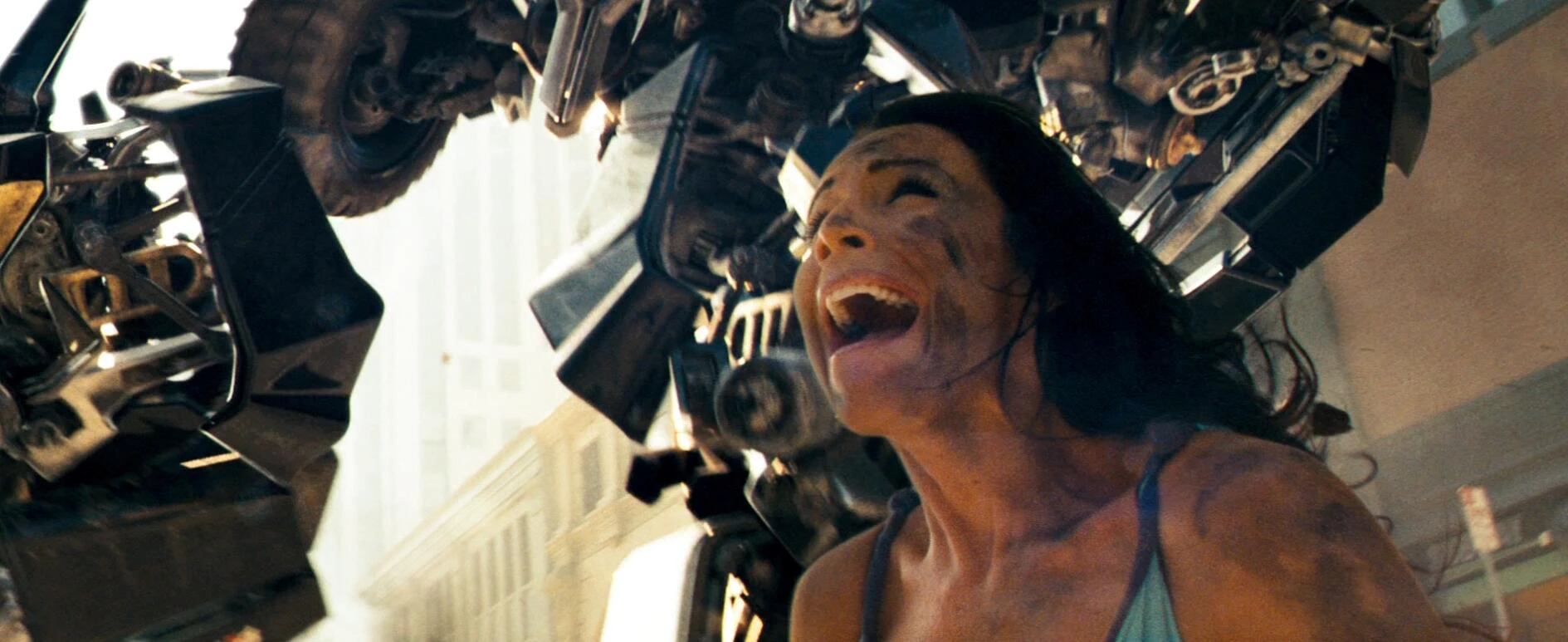
But seriously, does that make sense?
Only recently did people finally realize that, in those demolition battles, we ordinary bystanders had actually suffered heavy casualties.
Many people say superheroes are gods. If gods can hurt mortals, then how should we mortals face the gods?
Mortals fall into three categories.
The first are the god-revering. For them, “superheroes are gods” isn’t a metaphor. It’s reality.
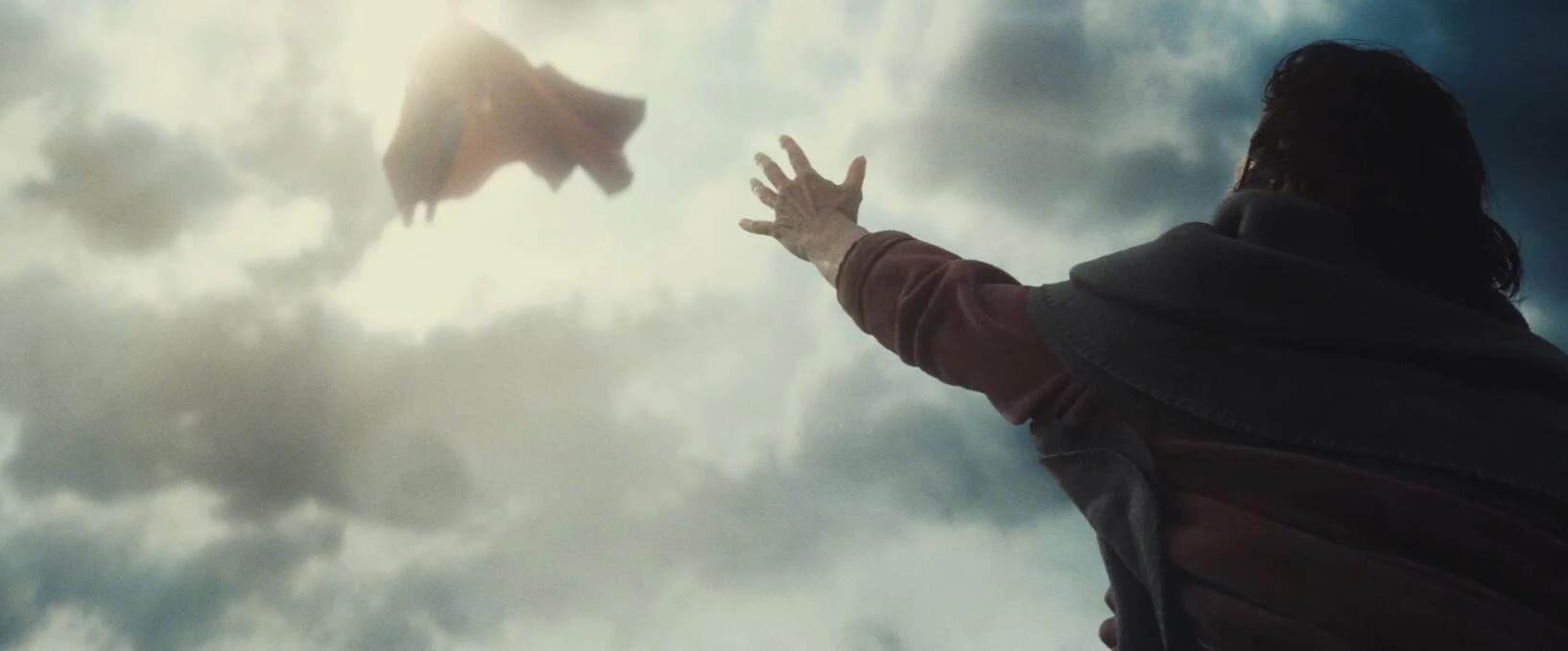
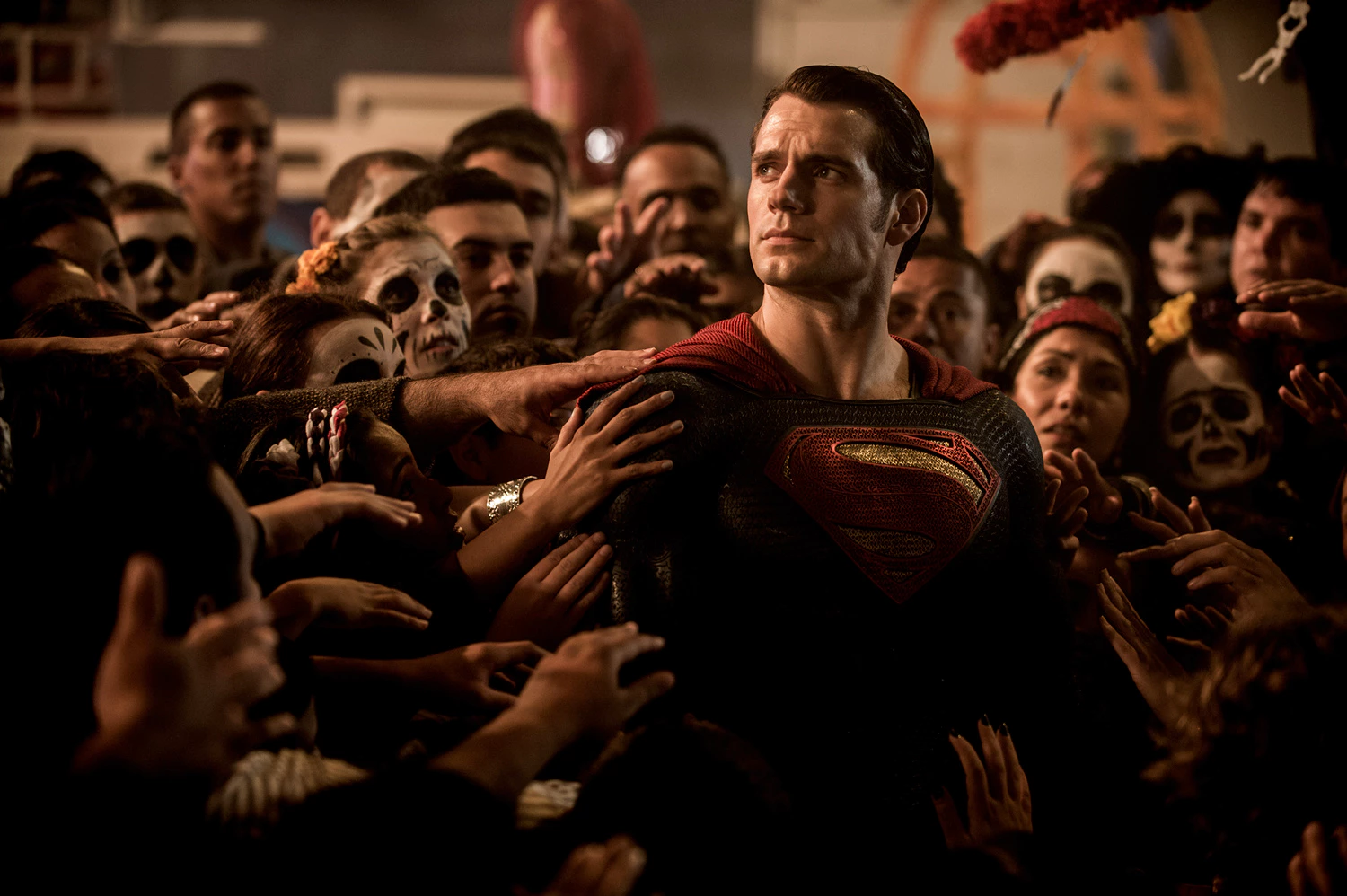
The second are the god-fearing. They fear the gods’ power, so they announce that the gods’ authority must be restricted. Superman is summoned and questioned by the U.S. Congress; more than 100 countries sign the Sokovia Accords to restrict the Avengers.
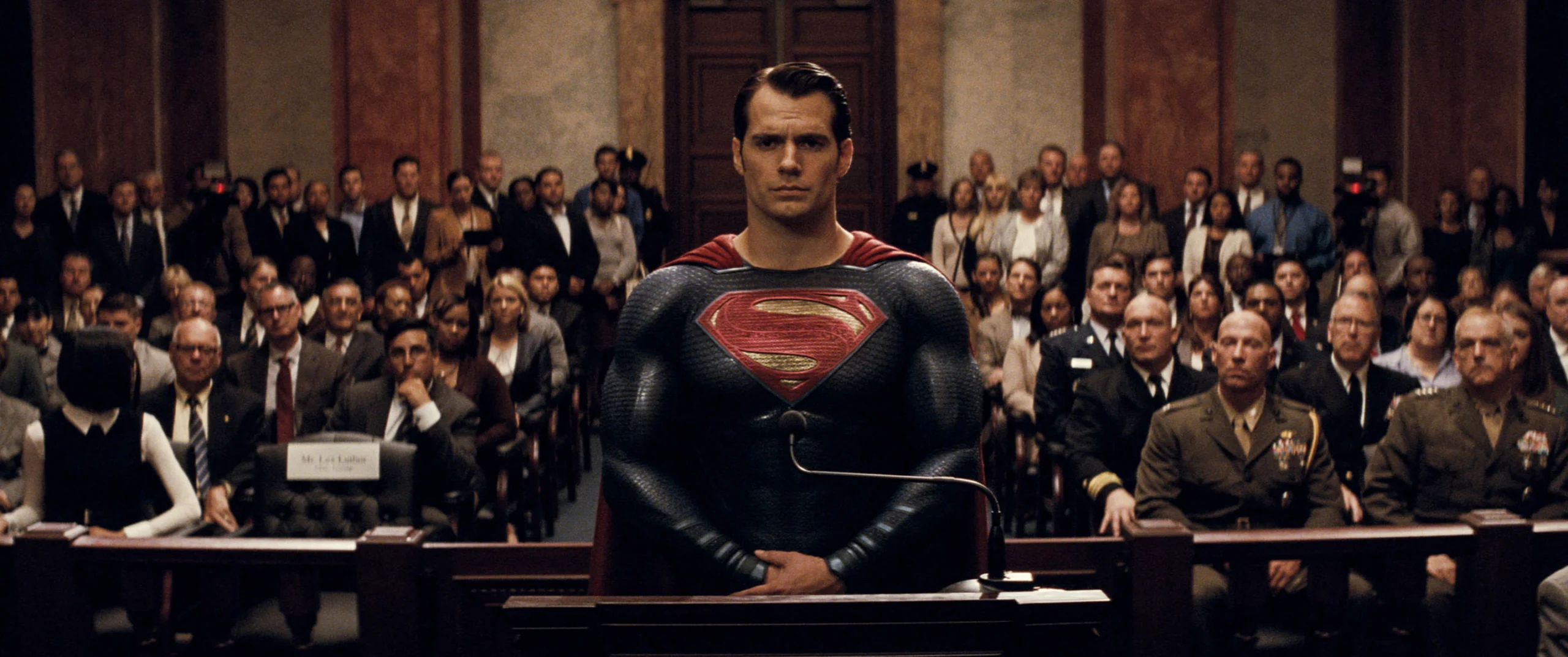
The god-fearing solemnly promise to have a good talk with the gods, but in reality they are timid and obsequious. Even if a god reaches an agreement with them, it isn’t because the two sides are equal; it comes from the god’s self-awareness and charity.
God-reverence and god-fear are really two sides of the same coin. Underneath, both are extreme fear of unimaginably great power. Interestingly, people take two opposite paths to eliminate fear, yet arrive at the same destination. One submits to superhuman power and trades submission for its protection, thereby recovering inner peace. The other fantasizes that the gods will honor their agreements with humanity, sparing humans the danger of being harmed. But in either case, the gods still hold the power of life and death over them and can use it whenever they wish. God-reverence and god-fear are both just self-deceiving psychological comforts.
So only the last and most difficult path can help humanity regain spiritual independence and freedom beneath the shadow of the gods.
Those of us on this path choose to become the third kind of person—the god-killers.
The first to choose this path was our ordinary-bystander best friend, Batman—our boss, Bruce Wayne.
Among the friends and family killed by flying debris in Superman and Zod’s demolition battle was one of Batman’s loved ones. Batman realized that whether Superman was good or evil, possessing that world-destroying power made him an enormous threat to humanity. So Batman decided to kill a god.
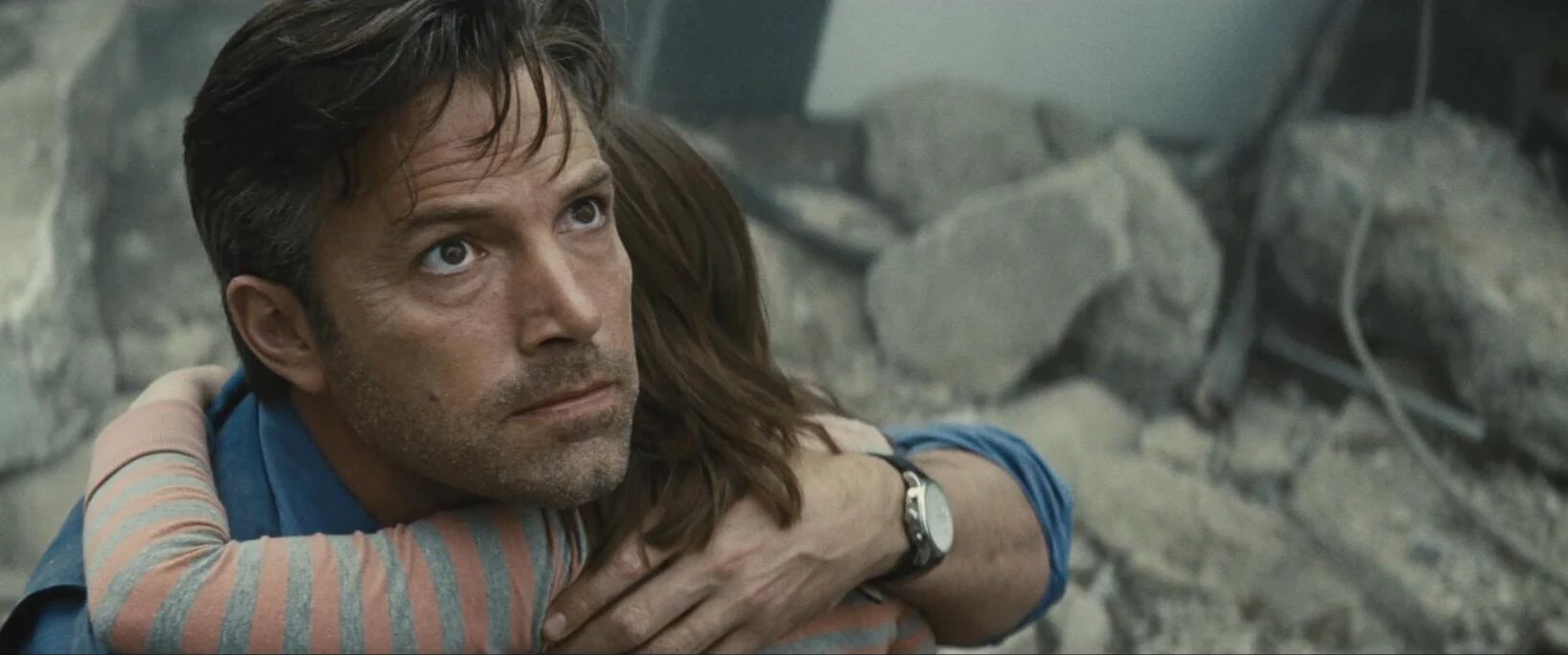
On the surface, Batman’s motive seemed to be a sense of responsibility for humanity’s survival. In truth, his real motive had nothing to do with that. What he felt was no different from what the god-revering and god-fearing felt: the moment he witnessed Superman’s power, enormous fear rose inside him—before a god, a mortal is helpless.
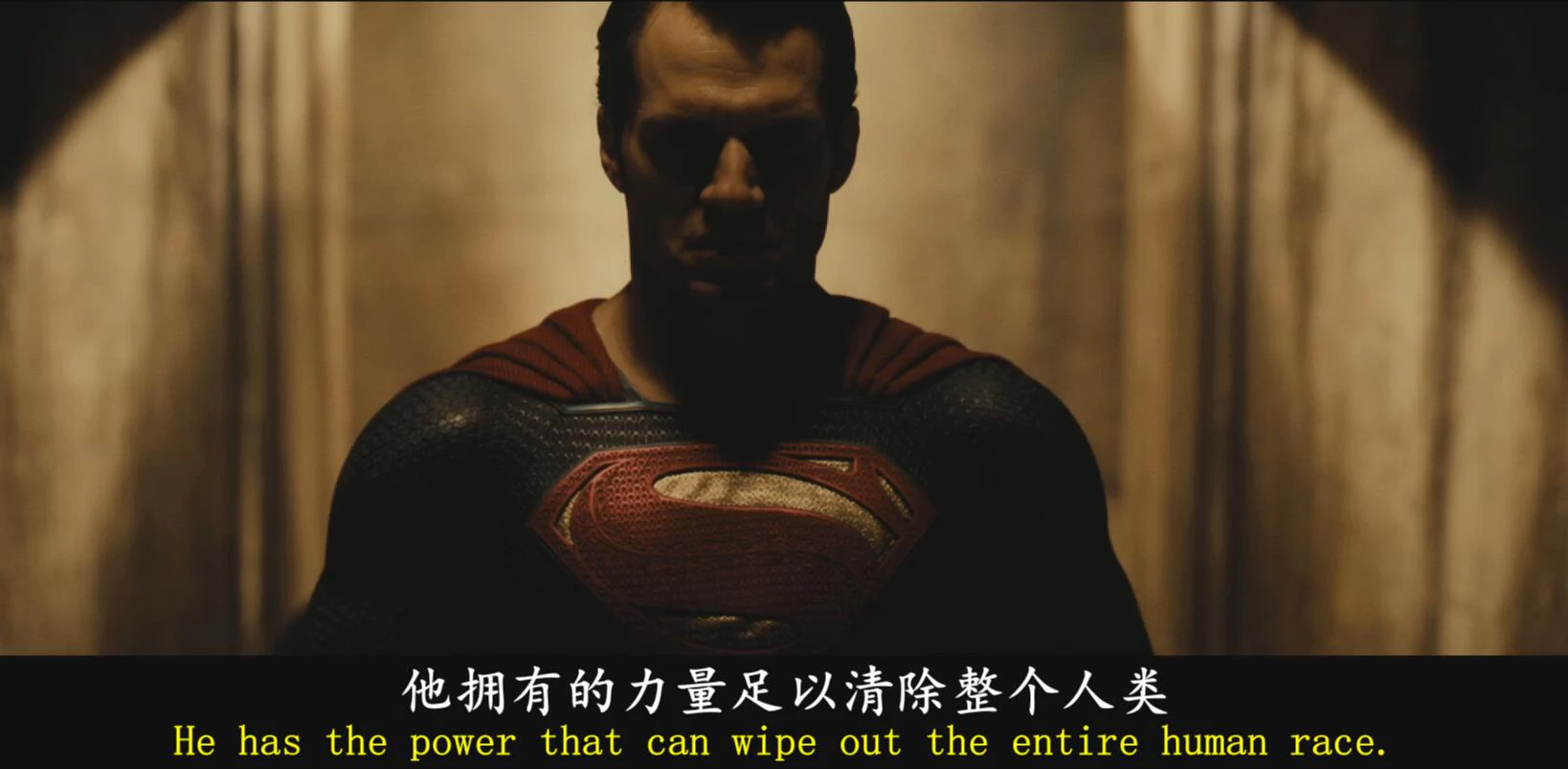
Batman had experienced that helplessness before, as a child: powerless to control his fate, he could not stop his father and mother, Martha, from being murdered.
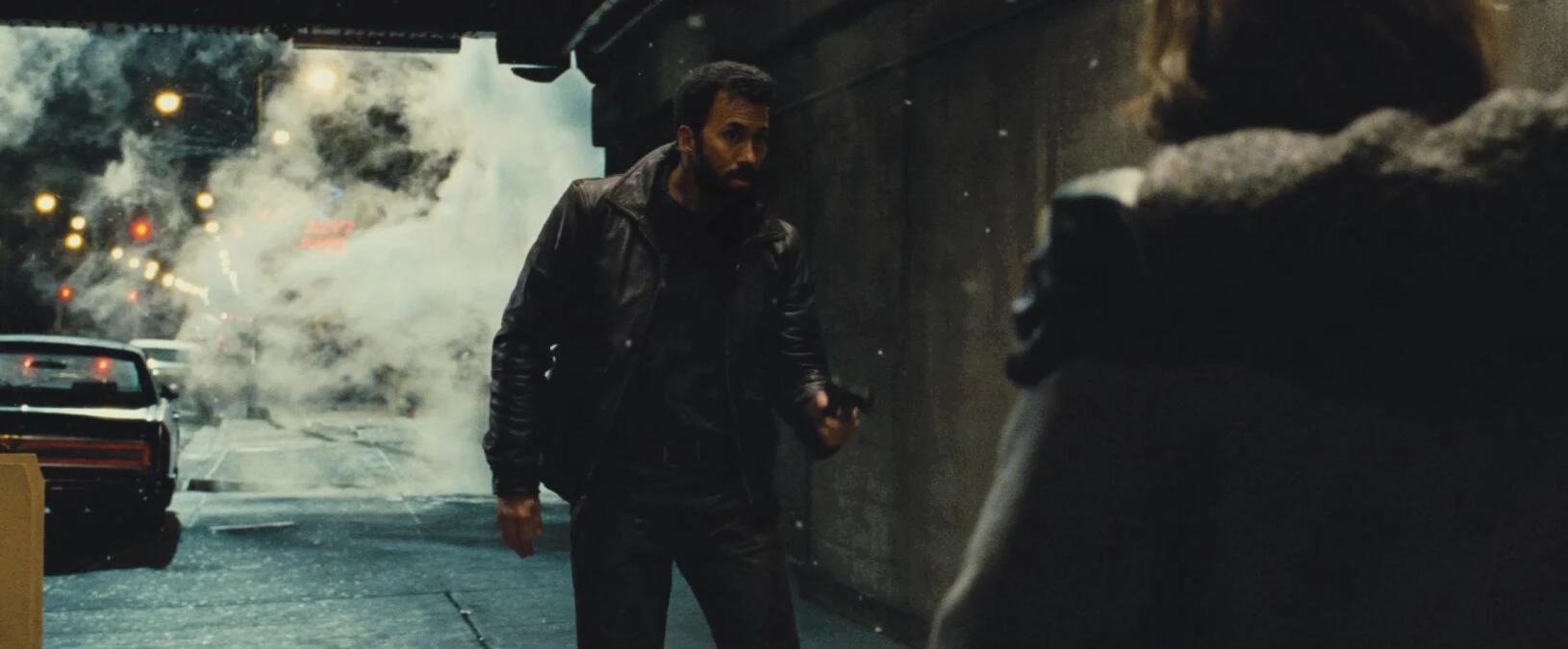
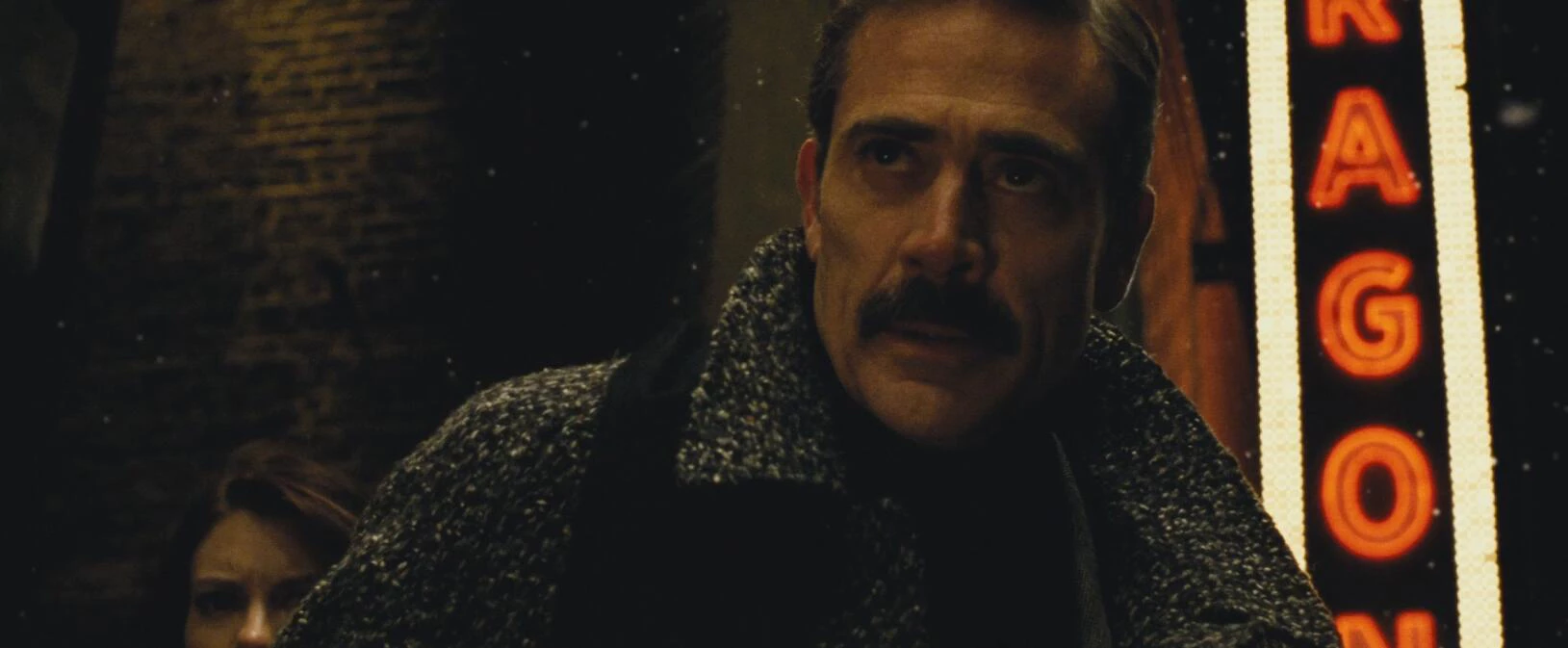
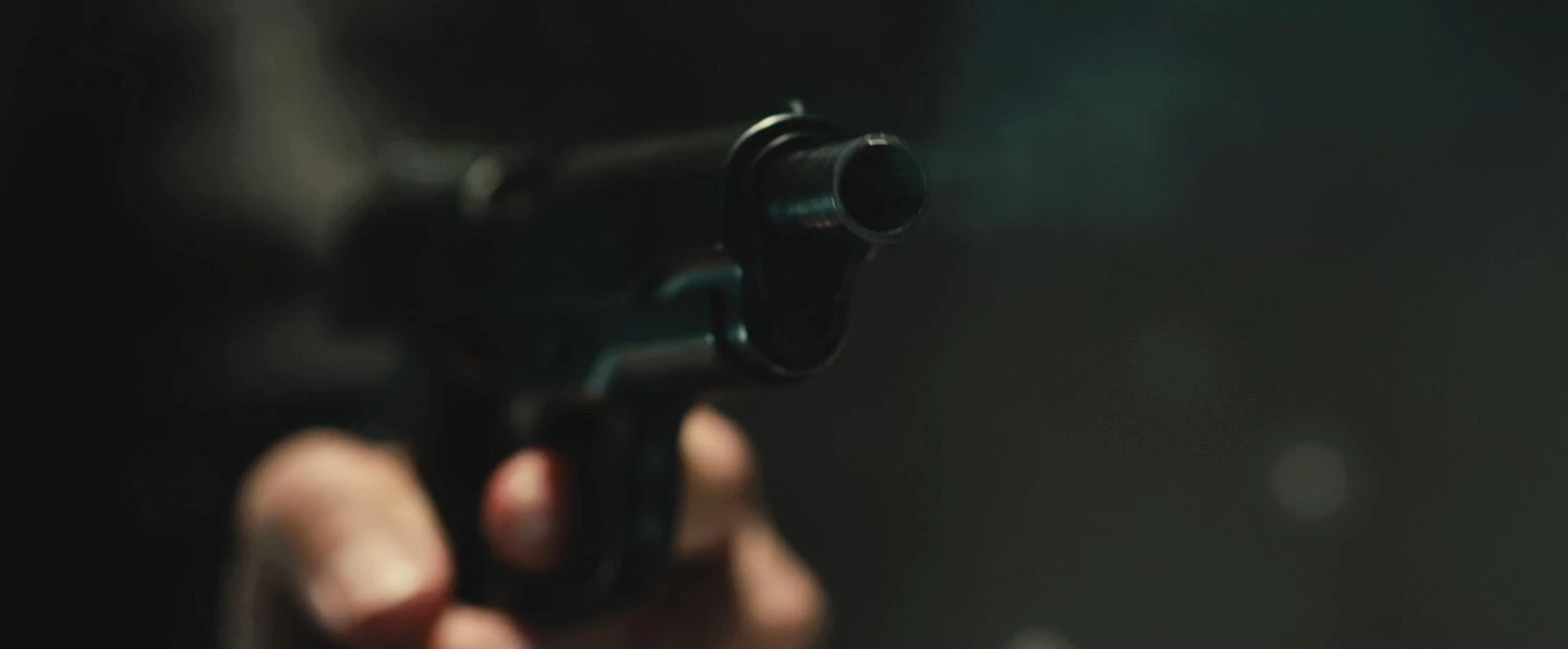
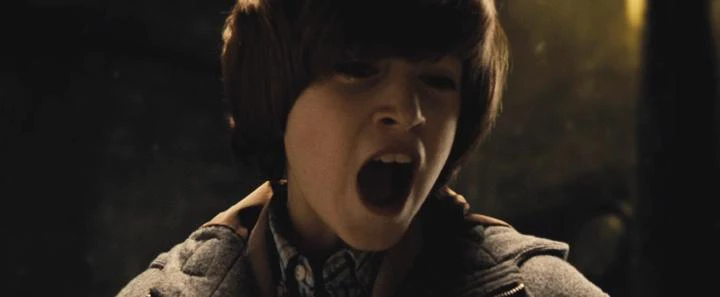
Superman’s power instantly turned Batman back into that terrified child. So Batman’s god-killing was actually driven by inner fear.
Batman nearly really did kill Superman, until Superman called out his mother Martha’s name at the last moment. As it turned out, Superman’s adoptive mother and Batman’s mother had the same name.
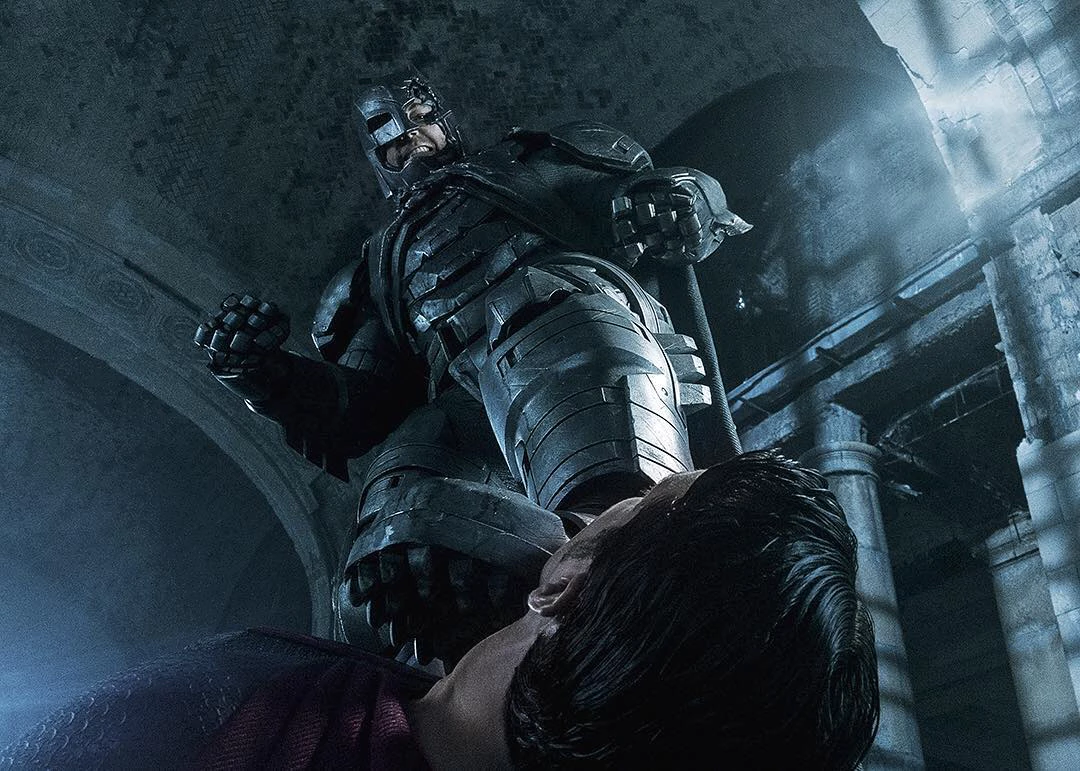
And Batman actually made peace with Superman just like that.
Some people said: “That’s ridiculously melodramatic.”
People who say that haven’t understood Batman. It wasn’t simply that the mothers had the same name, so he couldn’t strike and had to turn an enemy into a friend.
People are often like this. Much of the time, somewhere inside, we know we’re walking down the wrong road; we’re just afraid to admit it, so we avoid thinking about it. Then someone else happens to point it out at exactly the right moment. That’s the proverbial wake-up call, one sentence jolting a dreamer awake. Superman’s roar was that kind of wake-up call. The name Martha appeared at the split second before a terrible mistake was forged, and all the inner shadows he had avoided thinking about and been afraid to admit burst out. The more deeply a thought is hidden, the more tightly it controls us; once we put it on the table, we can often face it calmly. Thus, after that wake-up call, Batman was reborn, his mind clear, his god-killing impulse swept away.
For Batman, the question of how humans and gods should coexist remains unresolved. Perhaps, with Batman’s courage and wisdom, he will eventually find a way to live alongside the gods.
And me?
I’m nowhere near Batman’s level. I remain a determined god-killer. In the battle of Sokovia, my wife and child—ordinary bystanders just like me—were killed by the debris thrown by the Avengers.
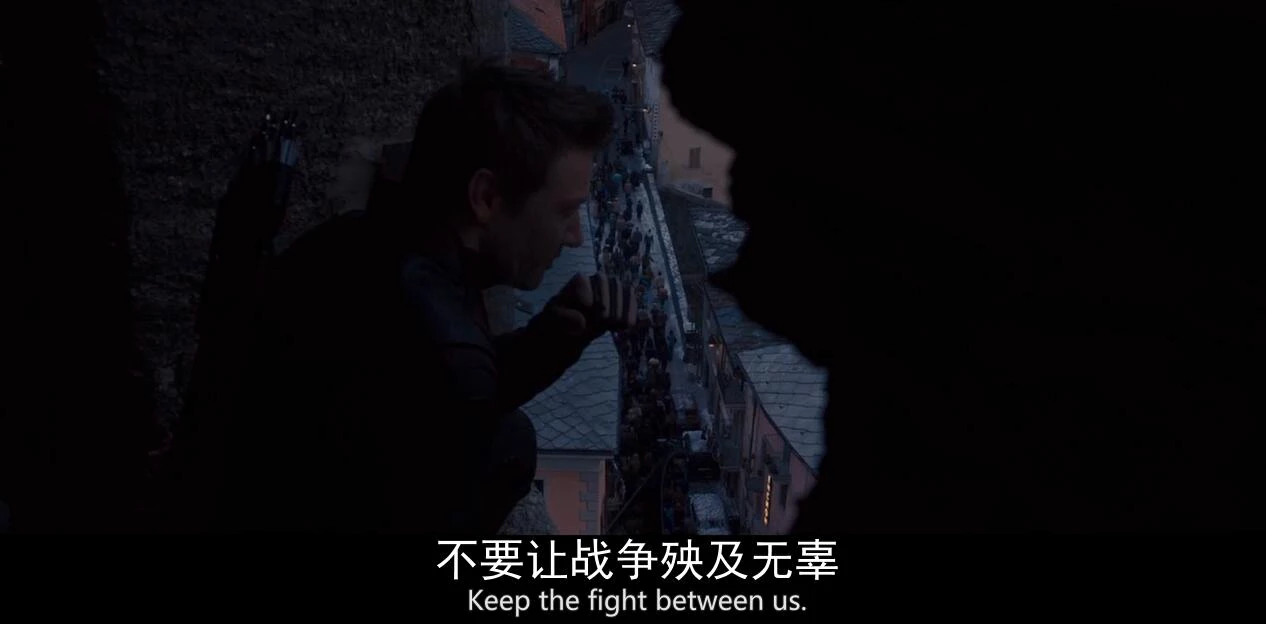
From then on, I became the avenger of the Avengers.
But what power could a mortal possibly have to kill a god?
On Superman’s side, besides Batman, who gave up halfway, there is another determined god-killer. That would be Superman’s archenemy, Lex Luthor.
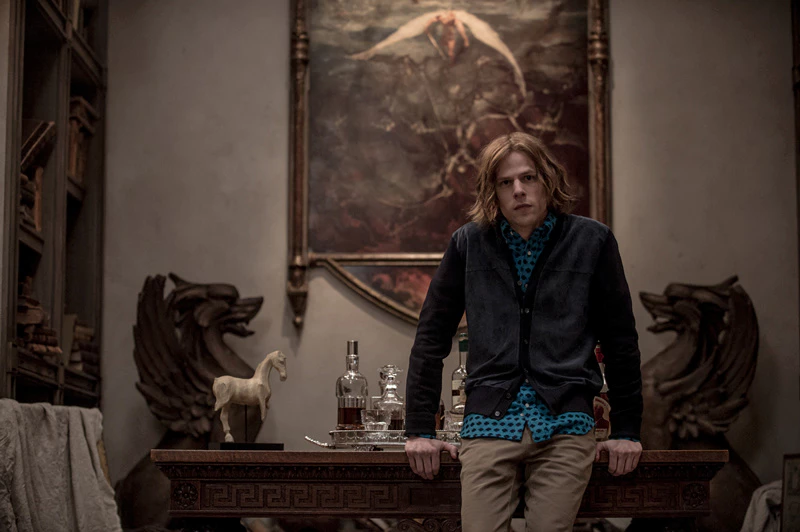
Unlike Batman, who kills gods out of god-fear, Luthor watches the gods seize humanity’s place as the spirit of all things and feels not fear but anger. In Luthor’s view, humanity’s dignity as the favorite child of heaven has been damaged by the gods’ arrival. So he doesn’t fear gods; he despises them. He is one of the few mortals who can sit as an equal with gods in spirit.
Luthor knows perfectly well that human power cannot stand against a god. He says: if humans can’t kill a god, then let the devil do it.
He tried to kill a god through a demon’s hands, but fell just short.
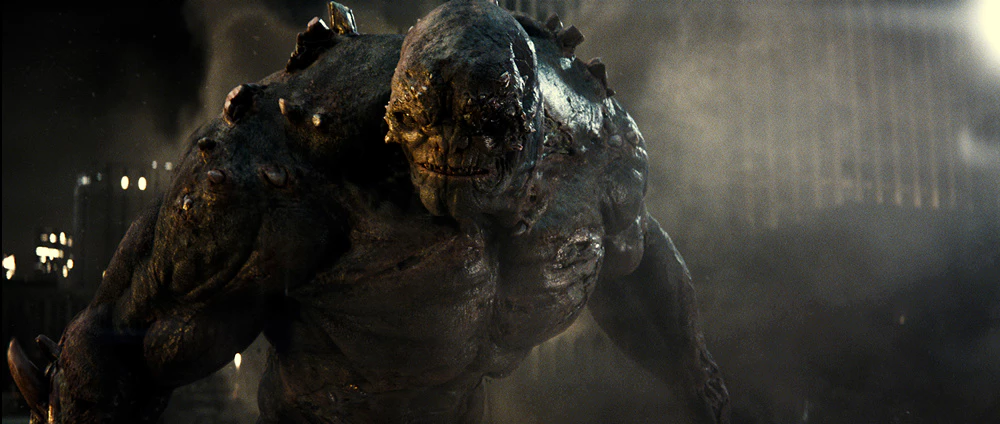
How could a brain as clever as Luthor’s not think of this? Besides demons, the only ones who can kill gods are the gods themselves.
I’m just an ordinary mortal—what makes me think I can stand up to the gods of the Avengers? The only thing I can do is set god against god, and let the gods’ own hands destroy them. With my scheme, Captain America and Iron Man walked obediently into the trap, and the Avengers set out on the road to breaking apart.
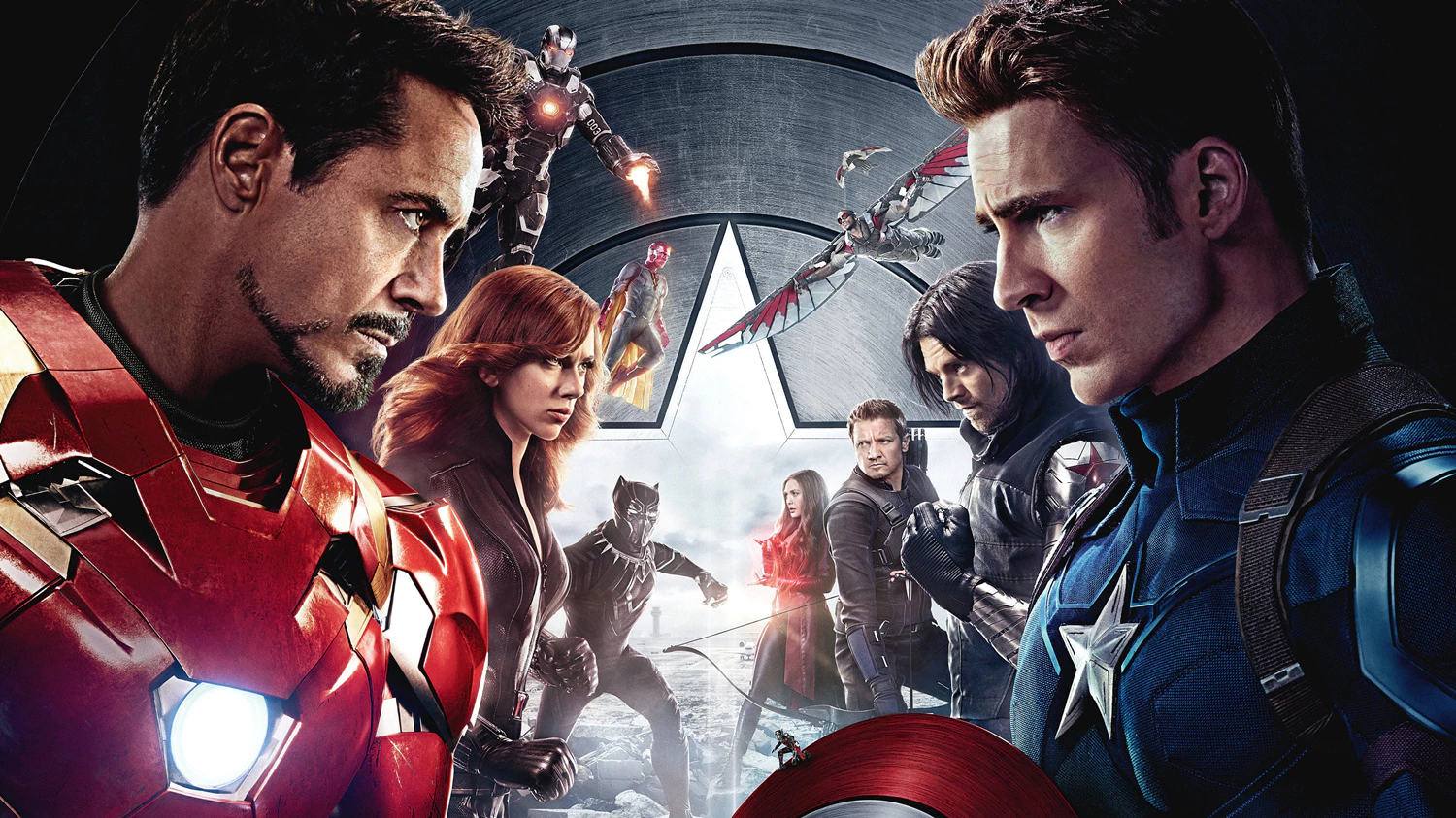
Maybe you’d say I’m the least ambitious villain in the superhero world. Maybe you’d be right. After all, I’m only an ordinary bystander who was hurt by superheroes. But it was precisely an ordinary bystander like me who, through sheer individual effort, set the empire of the gods on the path to collapse from within.
Ragnarök began in the hands of an ordinary bystander like me.
This is the great work of a mortal.
Leave a Reply