Professor James Fallon described his views on humanitarianism in one passage of The Psychopath Inside: A Neuroscientist’s Personal Journey into the Dark Side of the Brain:
“As a libertarian, I often don’t care if someone dies. I don’t feel that people who die because of complicated events have anything to do with me. Nor do I support people exhausting themselves to save a child who is about to die. This kind of indulgent, overprotective behavior will ultimately lead to the extinction of humanity. Besides, who has the right to decide which child will be saved and which will not? Take the long view: what will things look like hundreds, thousands, or tens of thousands of years from now? Some people invoke society’s name and make a great fuss because they are obsessed with tomorrow’s gains and losses. That’s a lousy way to act, and I wouldn’t let any of it weigh on me. I could watch a child starve to death right in front of me—I am not a cruel person—but if I had the power to run the government, I would cut all social welfare.”
“I care more about humanity as a whole than about any one person, or even any particular group of people.”
In other words, Professor Fallon saw himself as someone with only “universal love” and lacking “personal love.”
Fallon believed that his own situation was actually far from unusual.
What is a little surprising is that this quality can be observed in many great humanitarians. On a personal level, these towering figures were not kind to the people around them; they often even displayed the kind of unempathetic reactions we associate with psychopaths. At the same time, however, they showed profound concern for humanity’s poor and suffering.
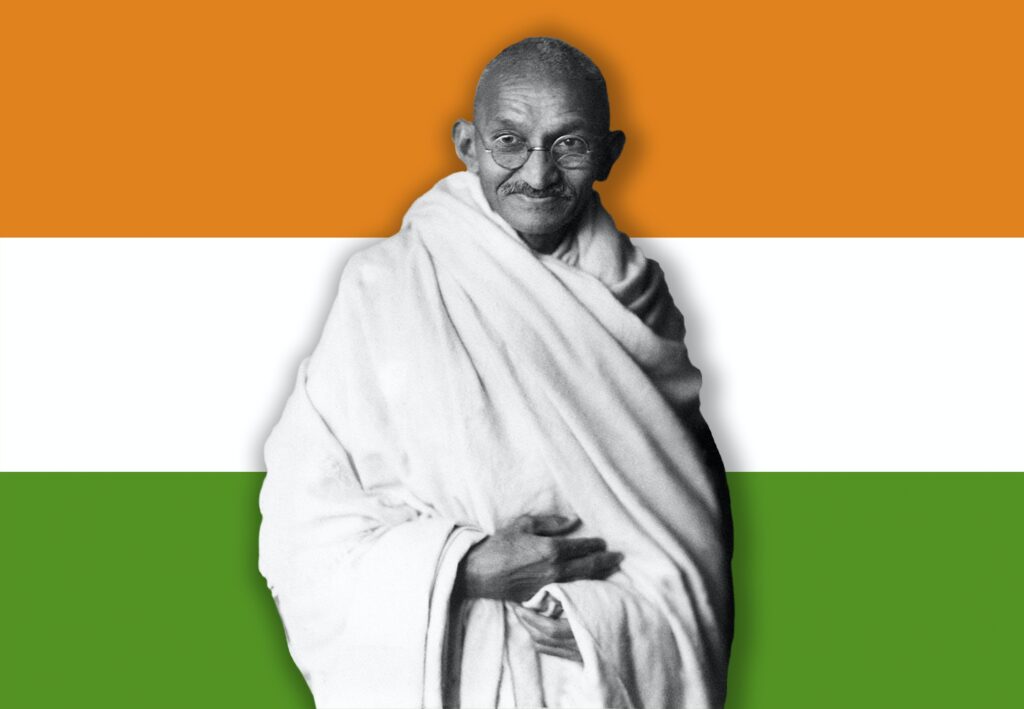
Mahatma Gandhi and Mother Teresa, the great saint, both embodied this contradiction.
“Mahatma Gandhi… was very harsh with the people around him. Even his wife, Kasturba Gandhi, spoke about Gandhi’s cruel behavior toward himself and their children.”
“As for another heroic figure of the twentieth century, the universally recognized saint Mother Teresa, there have also been reports that she was cold-hearted toward those around her, including the children she helped. Donal MacIntyre, writing in The New Statesman in 2005 (“The Dirty Truth Behind Mother Teresa’s Legacy”), and Christopher Hitchens, in his 1995 book The Missionary Position, both pointed to Mother Teresa’s irrational, even arguably cruel, treatment of the children she helped.”
Fallon went on to write:
“Although these claims remain controversial, they sketch out a kind of empathy for us—a world-based empathy directed toward all of humanity. This empathy exists in great humanitarians: it has saved tens of thousands of people, yet ignored individuals and even treated them cruelly.”
It seems that universal love and personal love differ in more than the breadth of their reach. They are fundamentally different emotions.
References:
James Fallon. (2016). The Psychopath Inside: A Neuroscientist’s Personal Journey into the Dark Side of the Brain. Qunyan Press.
Note
- This short popular-psychology essay was written as part of the content related to the Zhichao Wei: New Psychology Insights Course. It was published on the now-defunct platform “Fanfan” as part of the “New Psychology Insights” series, and the original link no longer exists.
Leave a Reply