In the final episode of my Enlightenment Now program, I said that the ‘enemies’ of humanism are all things we’re afraid to tackle, so I never made the section on ‘defending humanism’ into a standalone episode. Let me say a few simple words about it here.
The basic purpose of humanism is very simple: to realize human flourishing to the greatest extent possible—including extending life, safeguarding health, increasing access to happiness, protecting freedom, expanding knowledge, and so on.
What is there to oppose in such an apparently unimpeachable purpose? Who would oppose human flourishing and prosperity?
In reality, however, humanism is in deep conflict with certain values. This short essay deals with just one of them.
For example, humanism is a completely secular value system.
Enlightenment Now says:
‘History shows that when multicultural societies have to find common ground, they tend to converge on humanism. The separation of church and state in the U.S. Constitution arose not only from the philosophy of the Enlightenment, but also from practical necessity. The economist Samuel Hammond pointed out that 8 of the 13 British colonies had official churches, which intruded into the public sphere by paying ministers’ salaries, enforcing strict religious rituals, and persecuting members of other denominations. The only way to unite the colonies under a single constitution was to guarantee that religious expression and practice were natural rights. … A century and a half later, the international community, having just emerged from the world wars, had to formulate a set of principles to unite the world in cooperation. It could not unite around beliefs such as “we accept Jesus Christ as our savior” …’
The beliefs everyone could ultimately accept, once all religious backgrounds had been removed, were creeds aimed at ‘promoting human well-being.’ And the creeds left behind when the moral ideas of different civilizations and cultures were stripped of their religious elements were, in fact, astonishingly similar. Those were precisely the purposes humanism holds sacred.
Humanism, you might say, is the greatest common denominator of the secular morality shared by the world’s cultures and civilizations.
But ‘secular’ inevitably diverges from religious values—if we leave God out of the picture, can we really have a good life?
Enlightenment Now offers a forceful response to this challenge:
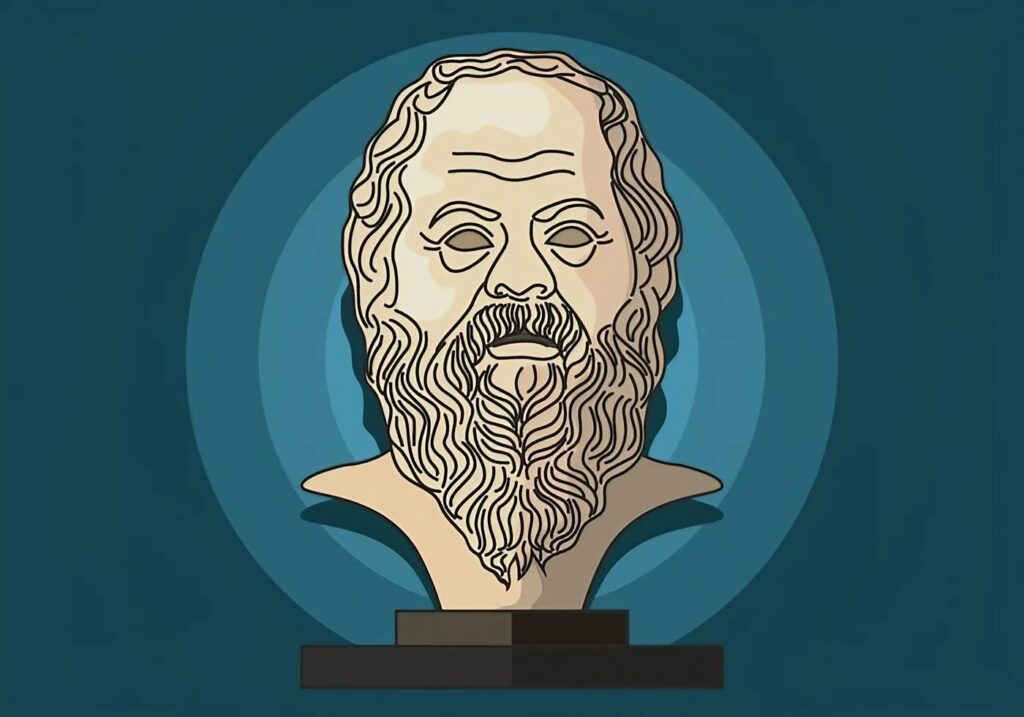
‘Even if there is a God, the divine commands communicated to us through religion cannot be the source of morality. This explanation can be traced back to Socrates’ point in Plato’s Euthyphro: if God has sufficient reasons for considering certain actions moral, we can appeal directly to those reasons and skip the middleman. If there are no sufficient reasons, we should not take these commands seriously. After all, thoughtful people refrain from killing, raping, or torturing others not because they fear the eternal fires of hell, but because they can give reasons for not doing so. Even if they had reason to believe that God had changed his mind, or if God told them these things were permissible, they would not suddenly become rapists or murderers.’
Whether an action is moral is purely a worldly matter. Perhaps achieving a good life never required God’s intervention in the first place. So there is nothing particularly worrying about completely secular humanism becoming widespread.
Note
- The articles in this ‘New Findings in Psychology’ series were short popular-science essays and miscellaneous reflections written at the time to accompany related content from Zhichao Wei: New Findings in Psychology Course. They were published on the now-closed platform Fantuan, and the original link no longer exists.
Leave a Reply