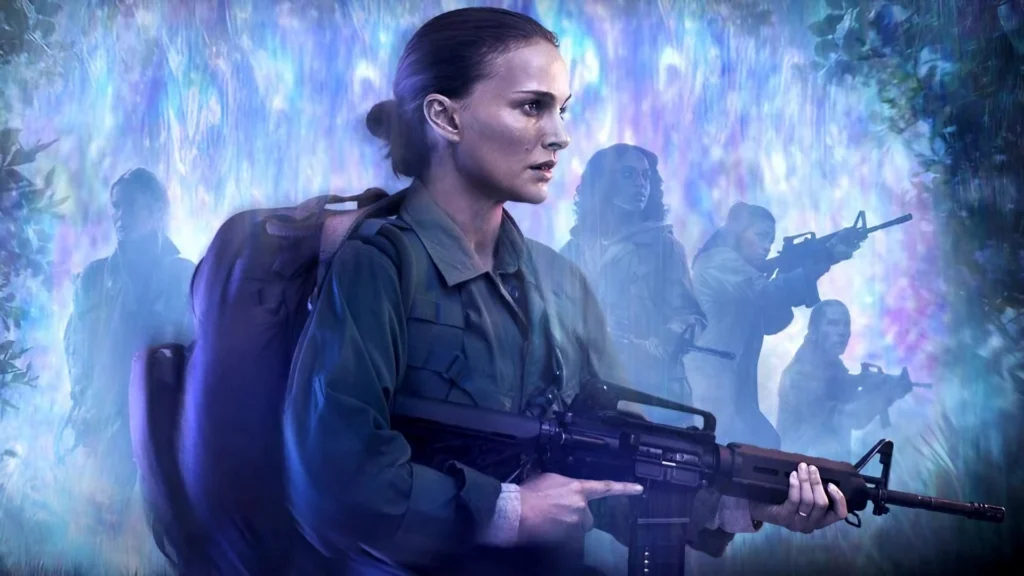
克苏鲁的皮、肉、骨。
In today’s episode, I’m going to use the sci-fi film Annihilation, which began its theatrical run a few days ago, to talk about what humanity’s deepest fear really is.
Today’s episode is adapted from a long-form review of Annihilation that I published on the WeChat public account Movie Watching, affiliated with Sina. You can also search for Movie Watching on WeChat, follow the account, and find the article there.
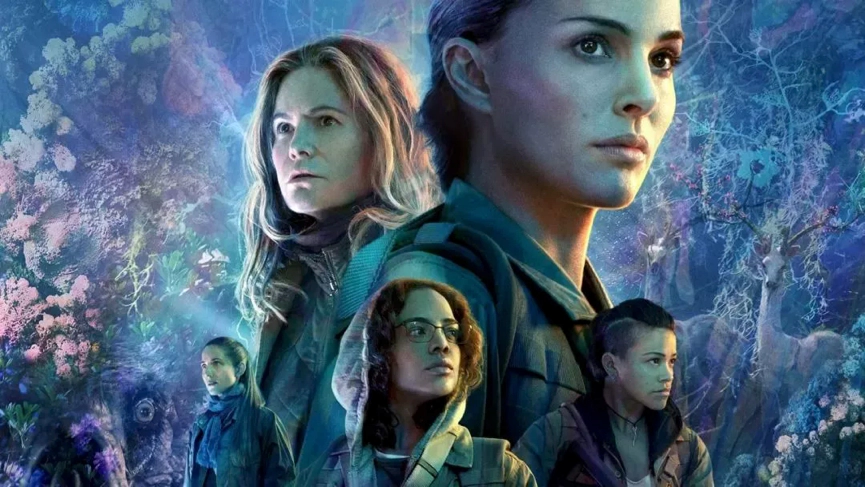
What follows is both an interpretation of Annihilation and an in-depth introduction to the Cthulhu Mythos. At the same time, it reflects on a very psychologically flavored question: what is humanity’s deepest fear?
I should say up front, though, that when it comes to fear, I’m thinking today entirely as a movie fan and literature lover—not as a psychology professional.
Let me brag a little: by the time you’ve finished this piece, you’ll probably understand what Cthulhu is, and then you’ll understand what Annihilation is really trying to say. There will be mild spoilers ahead.
All right, let’s start with a horror novelist—
What Annihilation Reveals About the Deepest Fear
On March 15, 1937, American horror novelist H. P. Lovecraft passed away, leaving behind dozens of loosely connected horror stories. While Lovecraft was alive, these works were almost completely ignored; it was only after his death that their reputation began to grow steadily.
People gradually came to realize that these works touched on a kind of nameless fear within the human mind. Before Lovecraft, this emotion had never been given a clear interpretation. Some of the settings in these works were later distilled into a worldview—the embryonic form of the Cthulhu Mythos.

Howard Phillips Lovecraft
At bottom, every story pattern connects to some basic human emotion: behind adventure stories lies curiosity; behind romance lie love and desire; behind tales of chivalry lie fairness and anger. Since Lovecraft depicted an emotion no one before him had clearly described, he effectively created an entirely new story motif.
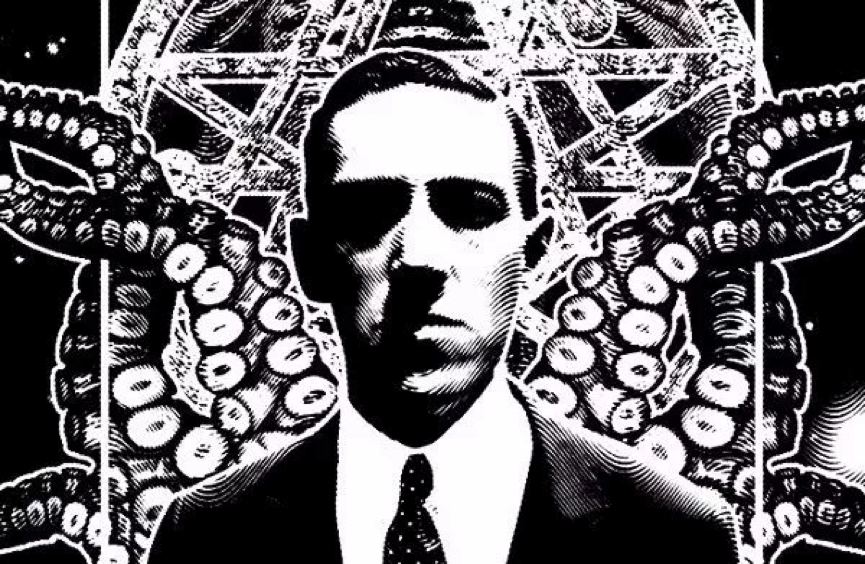
And that gives the Cthulhu Mythos almost limitless potential for expansion. Over the past few decades, besides directly expanding the Cthulhu universe, creators have produced countless novels, TV shows, and games based on particular qualities of the Cthulhu Mythos. In games, there’s World of Warcraft and Bloodborne; on television, True Detective and Stranger Things; in film, Prometheus and the Alien universe. All of them have countless threads tying them to Cthulhu.
The latest member of this enormous system is Annihilation, the sci-fi film Netflix released not long ago.
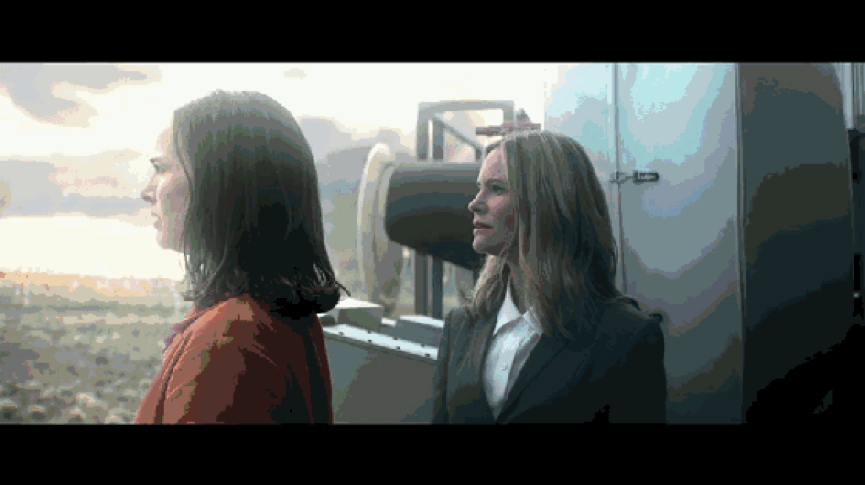
And Cthulhu is precisely the key to interpreting Annihilation. The next part of this article will try to explain what Cthulhu means in order to understand Annihilation’s spiritual core.
By now, the Cthulhu Mythos has become an immensely sprawling system, so it’s hard to sum up its meaning with one precise definition. Still, when Cthulhu comes up, there are three keywords we can’t get around: the unknown, the colossal, and unknowability.
To me, these three words point, from the surface inward, to three qualities of Cthulhu. I think of them as Cthulhu’s skin, flesh, and bones. So let’s start with these three keywords and see what kind of fear is hidden inside Cthulhu.
1. Skin: Fear of the Unknown
On the surface, typical Cthulhu stories follow a pattern like this:
The protagonist and their companions, intentionally or not, discover an unknown world,
where they encounter terrifying and mysterious ancient evil gods or forces,
and then some of them die while the rest go mad.
The End
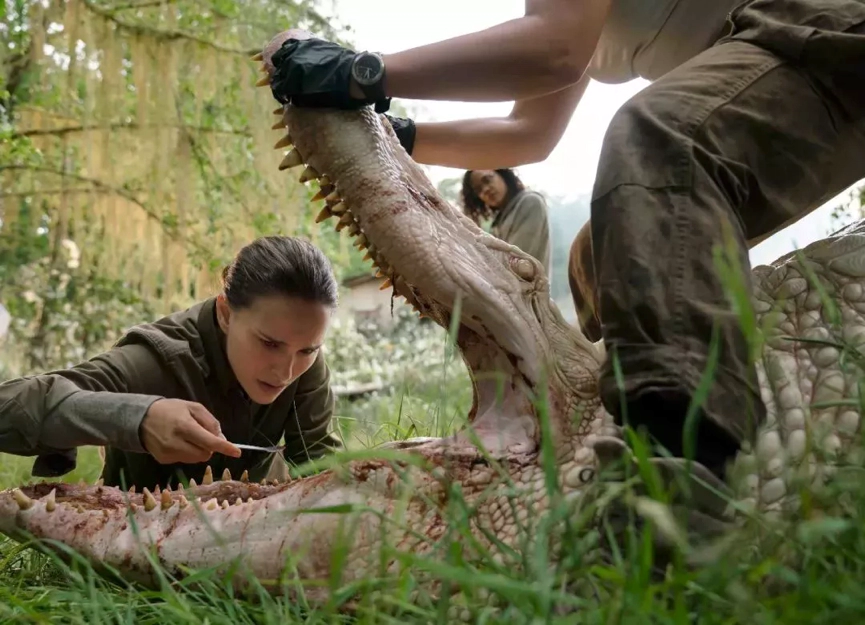
Almost all of Lovecraft’s novels can be summed up by this pattern: explore the unknown → die or go mad.
Take his representative work At the Mountains of Madness: an expedition discovers the ruins of an ancient civilization built by extraterrestrial beings among the mountains of Antarctica, and contact with the remains and ruins of those beings drives the expedition members, one after another, into madness.
Does the story sound familiar? This is essentially the framework of Prometheus, the Alien prequel. Prometheus was directly inspired by At the Mountains of Madness; it simply swaps the original’s Antarctica for an alien planet.
No wonder Prometheus is widely considered the film with the strongest Cthulhu atmosphere.
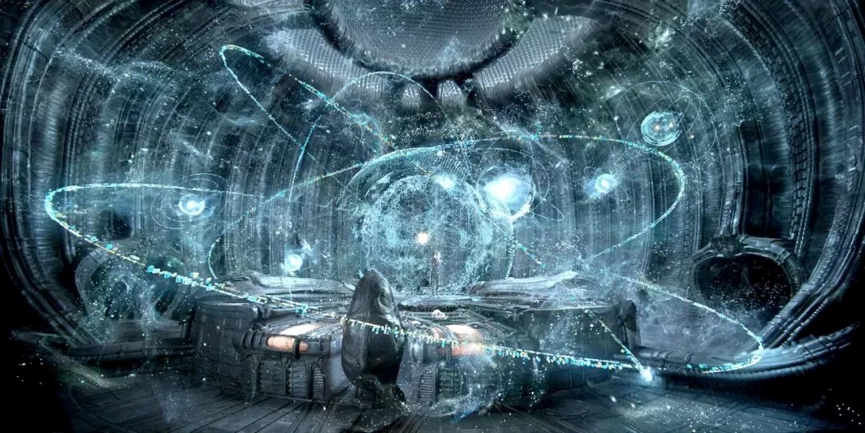
You could say that Cthulhu stories almost always describe the misfortunes and disasters humans encounter after venturing deep into the unknown.
Lovecraft himself once said:
The oldest and strongest emotion of mankind is fear, and the oldest and strongest kind of fear is fear of the unknown (fear of the unknown).
Fear of the unknown—many people believe this is the spiritual core hidden in the Cthulhu Mythos.
But here’s the problem: before the monsters and demons make their full appearance in almost any horror film, doesn’t the fear the audience experiences already include fear of the unknown? In fact, shadows in the dark—the unknown—have always been one of the most frightening elements in horror. So does that mean every horror film contains a little Cthulhu?
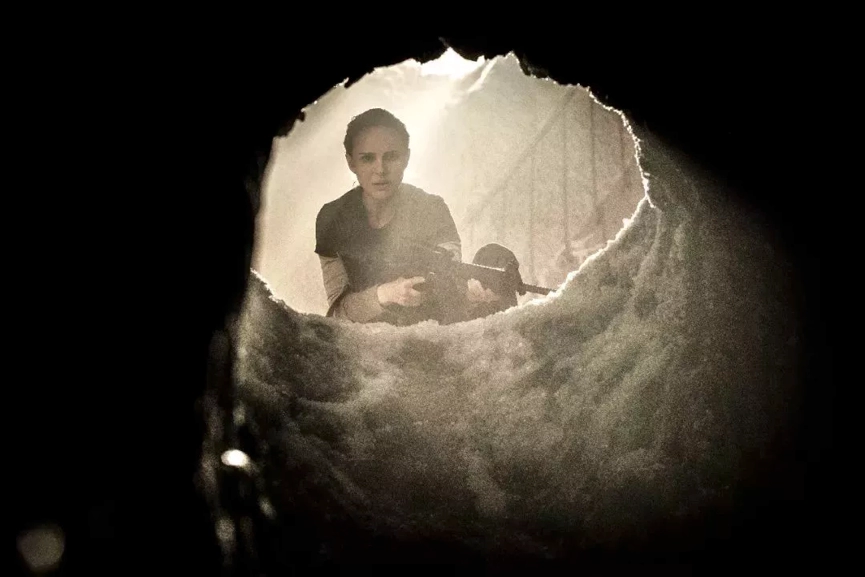
Fear of the unknown in Annihilation
Obviously not. Most of them aren’t Cthulhu-like at all.
So although seven or eight out of ten articles introducing Cthulhu begin with Lovecraft’s famous line, fear of the unknown is probably only Cthulhu’s most superficial aspect. It’s merely Cthulhu’s skin.
The plot of Annihilation clearly has Cthulhu skin too: humans venture into an unknown territory and eventually meet disaster—some die, some go mad. But exploring the unknown isn’t anything special. Annihilation has it, Ringu has it, and The Ghost Blows Out the Light has it too. This skin is simply a basic thriller formula.
2. Flesh: Fear of the Colossal
In fact, another of Lovecraft’s famous lines offers the sharpest summary of what the Cthulhu Mythos is about. In a letter from 1927, he wrote:
All my tales are based on the fundamental premise that the common human laws and interests and emotions have no validity or significance in the vast cosmos-at-large.
What does that mean?
In Lovecraft’s works, humans are often harmed by extraordinarily powerful beings and other cosmic forces. But these forces don’t actually harbor any particular hostility toward humanity. They simply—toward humans—
don’t care. No, wait—don’t care at all.
And this indifference may come from two different reasons.
First, it may come from an overwhelming disparity in power.Inthe eyes of forces far beyond humanity, human existence is like that of ants. Against the backdrop of the universe, humanlaws, interests, and emotions—even human existence itself—seem insignificant because they are so small.
This stark disparity between gods and humans is often made concrete in the Cthulhu Mythos through various enormous forms associated with the gods.
The name Cthulhu comes from Lovecraft’s representative work The Call of Cthulhu. In the book, the ancient god Cthulhu is a hybrid of an octopus, a human, and a dragon. What leaves the deepest impression, though, is its world-blocking, sky-shrouding scale:
Its appearance cannot be put into words. No language can describe this hellishly insane thing that violates everything—things, forces, and the laws of the cosmos. What came walking out was practically a mountain.
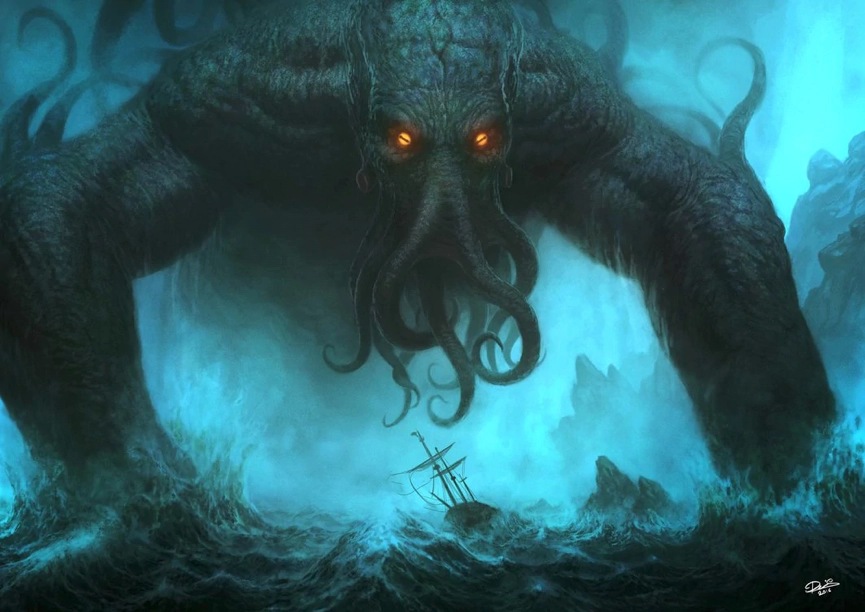
In fact, the most classic Cthulhu image is a gigantic demonic shadow appearing and disappearing in the mist behind distant mountains:
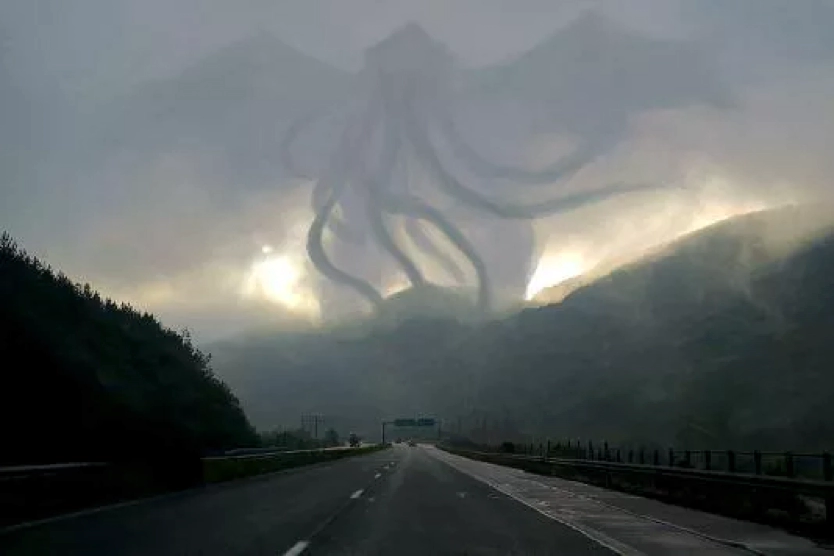
The Old Ones who appear in At the Mountains of Madness are far more diminutive than Cthulhu. But what takes the place of their bodies and crushes the reader is the colossal architecture they built among the Antarctic mountains—equally oppressive:
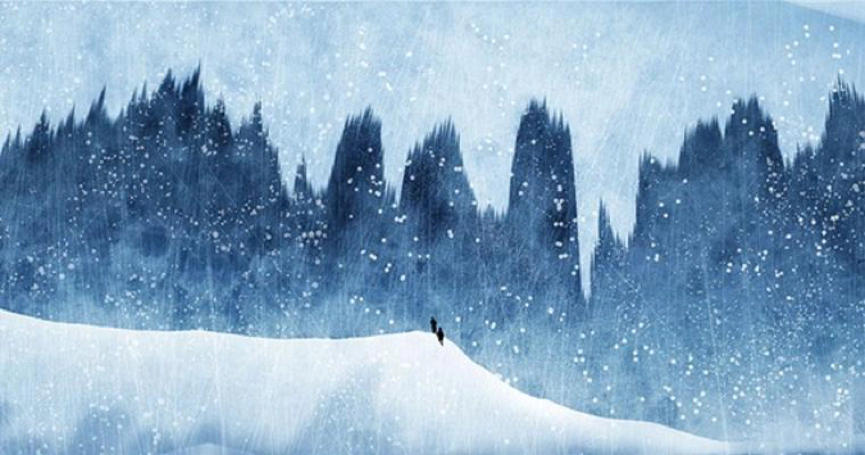
The colossal is the flesh beneath Cthulhu’s skin.
Many people claim that seeing objects of enormous size produces intense fear. This is what’s known as megalophobia. The colossal forms in Cthulhu are perfect material for triggering megalophobia.
The reason colossal things can inspire such intense fear is that the contrast in size is the most direct expression of a contrast in power. Behind the fear of the colossal lies the helplessness produced by being crushed beneath overwhelming force.
This intense sense of helplessness is Cthulhu’s first layer of inner meaning.
And on this spiritual level, Annihilation actually departs from Cthulhu.
The stronger a person’s will to survive, the more intense their helplessness will be when they face an overwhelming threat.
Ultimately, helplessness comes from wanting to live but being unable to do so—from refusing to accept death, yet having no way to stop it. The oppressive force radiating from those evil powers is also rooted in the protagonist’s will to survive.
So if someone wants to die, wouldn’t a threat from a terrifying force simply give them exactly what they want?

And the least Cthulhu-like aspect of Annihilation is precisely that so many of its major characters have already made peace with life and death.
Of the five members of the expedition, aside from the two who are the first to get their lunch boxes—that is, die—the remaining three include one who suddenly figures things out just before dying: ‘Actually, being a tree would be pretty nice.’ And so she really does turn into a tree;

another is already terminally ill. Compared with dying at the hands of disease, being killed by aliens is almost a relief;
and the female protagonist, burdened by her guilt over being unfaithful to her husband, has been determined to die from the moment she accepts the mission.
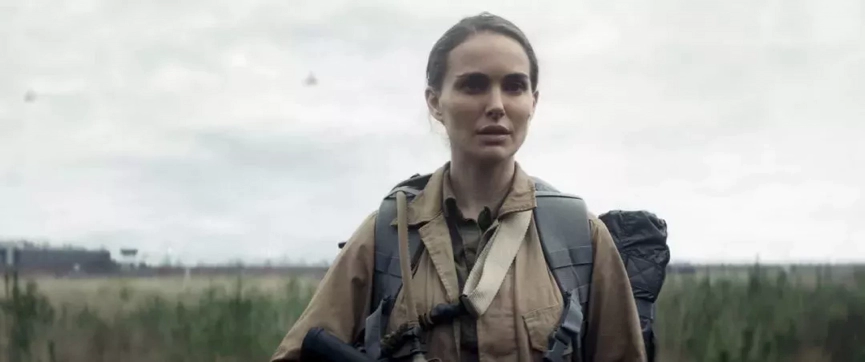
This isn’t a group of people trying to escape the crushing presence of an ancient god. This is practically a suicide squad.
We want to die, and then an ancient god happens to pass by and kill us—this isn’t Cthulhu. This is Cthulhu comedy.
3. Bones: Fear of Unknowability
Fortunately, Cthulhu has a second layer of inner meaning.
The gods’ ‘indifference’ toward humanity may well come from a much more frightening reason.
Perhaps it isn’t that the gods look down on humans. Perhaps even the idea of ‘looking down on us’ is merely a self-important fantasy humans have invented. Humans assume they can use their own emotions and thoughts to reason by analogy about the state of other intelligent beings in the universe.
But in Lovecraft’s cosmology, this is nothing more than a childish, naive delusion.
Human laws cannot be extended to the universe as a whole. The various meanings that exist in the human world simply do not exist in the worlds of those evil gods. The universe is filled with beings humans can never communicate with. Between humans and them, the possibility of mutual understanding simply does not exist.
We don’t know whether the gods are ‘indifferent.’ They are merely carrying out actions that are completely incomprehensible to us, and because they are so overwhelmingly powerful, we are easily swept into enormous danger.
What are those terrifying forces that can destroy us with a flick of the wrist trying to achieve?
What is their purpose?
We cannot understand.
We may not even be able to know whether the word ‘purpose’ exists in their world.
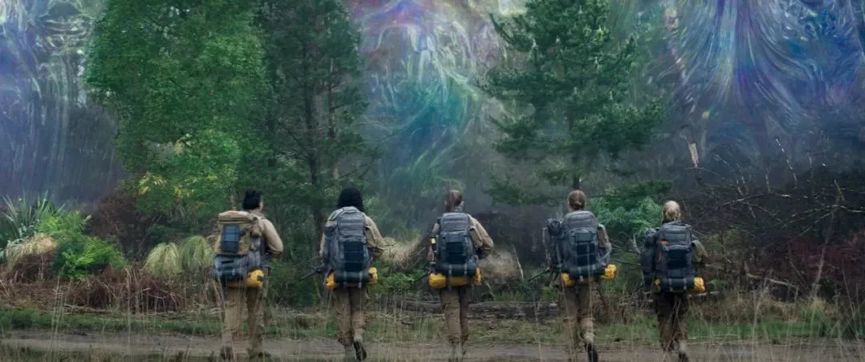
It isn’t that the forces hidden in the unknown realm are powerful enough to destroy humanity that frightens us. What terrifies us most is that those forces are simply impossible for humanity to understand.
Conversely, all the values humanity holds dear are utterly meaningless in the universe, because they are merely exceptions that exist on the isolated island of the human world.
The deepest fear doesn’t come from the unknown (unknown), but from the unknowable (unknowable).
The ‘unknown’ is merely a brief transitional stage: as exploration deepens, the unknown will always turn into the known. The fear of the unknown can be dispelled through the pursuit of knowledge, so it isn’t actually all that profound a fear.
But the ‘unknowable’ is something that no amount of human effort can understand or make itself understood by. It is a sense of helplessness that can never be resolved.
This is the second spiritual core of the Cthulhu Mythos.
It is precisely in this sense that Annihilation’s core is highly compatible with the Cthulhu Mythos.
What exactly is terrifying about the alien creature in the film? Creating chimeras, clones, talking man-eating beasts—that sort of thing is really just a parlor trick. Its true horror lies in being utterly incomprehensible.
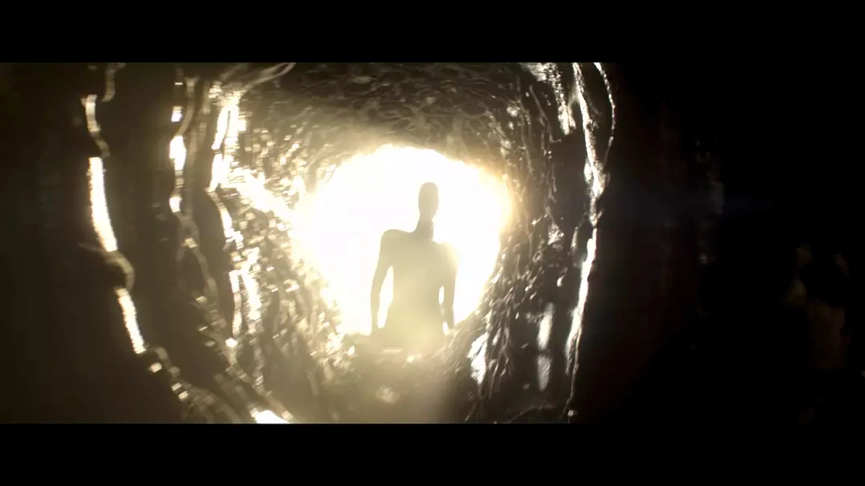
Two passages of dialogue in the film capture this ‘incomprehensibility’ particularly well.
The first is what Dr. Ventress says just before her death:
It isn’t like us. I don’t know what it wants, or whether it wants anything at all.
The second is the conversation between the protagonist and the official handling the aftermath.
Official: Can you describe its form?
Protagonist: No.
Official: Is it carbon-based, or…?
Protagonist: I don’t know.
Official: What does it want?
Protagonist: I don’t think it wants anything.
Official: But it attacked you.
Protagonist: It copied me, and I attacked it. I’m not even sure it knew I was there.
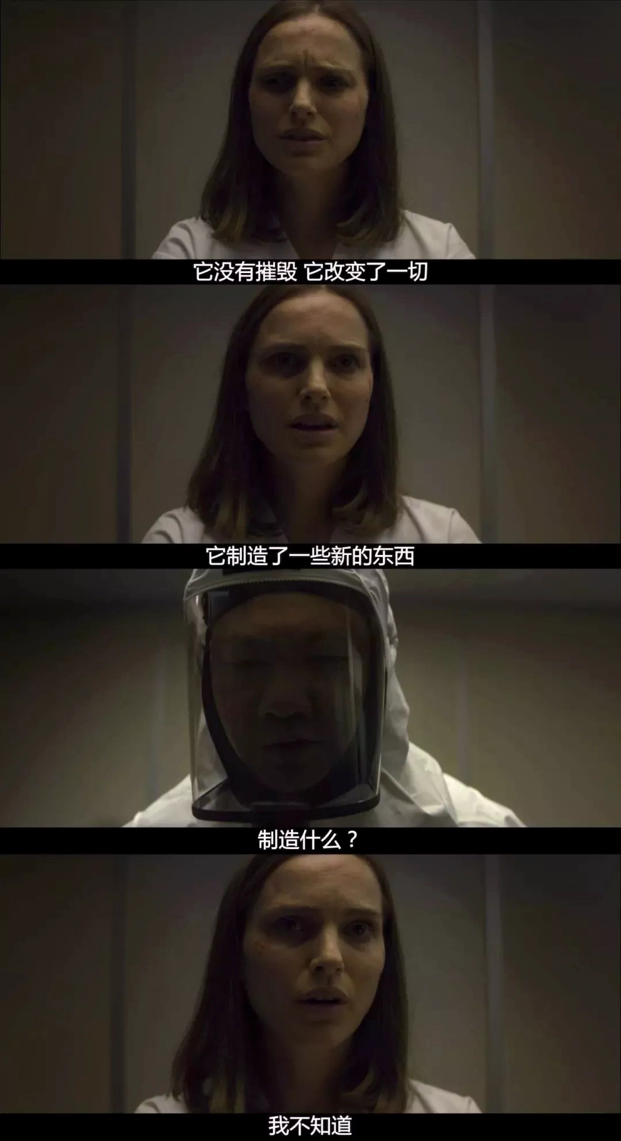
This is actually a worldview ten thousand times darker than the ‘Dark Forest.’
In the Dark Forest, all civilizations understand the chain of suspicion and the rule of shooting first to preserve themselves. It looks cruel, but in reality the entire universe shares the same survival philosophy, so they can communicate with one another perfectly well.
But in the worlds of Annihilation and the Cthulhu Mythos, the civilizations humanity encounters are indescribable, impossible to communicate with, and impossible to understand… There is no benevolence, and not even malice—only the terror of something forever unknowable.
Although Annihilation lacks some of the oppressive force of a threatening power, it depicts the ‘unknowable’ with absolute thoroughness. It has only one of the Cthulhu Mythos’s two core elements, so it is one-half Cthulhu.
In my understanding, the Cthulhu Mythos is the sum of two fears: the despair produced by adding the powerlessness of the ‘inescapable’ to the helplessness of the ‘unknowable.’
That nameless, indescribable fear refers precisely to this profound despair.
It is this despair that drives people toward madness.
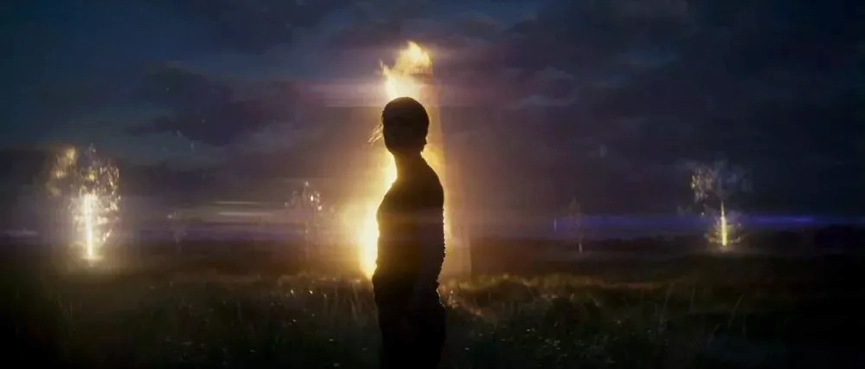
We watch a giant demon’s shadow emerge on the horizon.
We watch the earth beneath it turn into scorched earth.
We are utterly terrified.
Yet we don’t even know whether the shadow is aware that we exist.
This is the Cthulhu Mythos.
Leave a Reply