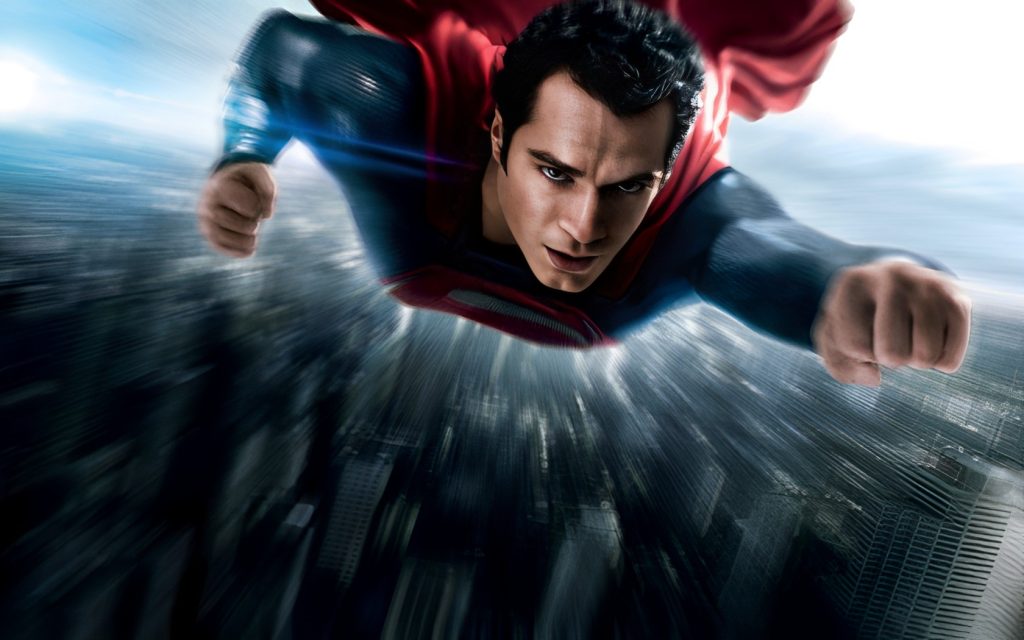
Zack Snyder, the director of Batman v Superman, is not exactly reassuring when it comes to storytelling. From 300 all the way to Watchmen, he has been remarkably good at turning flashy material into bowl after bowl of lukewarm soup.
But when it comes to visual presentation, he is absolutely reassuring!
1 Zack Snyder’s Visual Style
To talk about Zack Snyder’s images, we have to look at them from two sides: “motion” and “stillness.”
The “still” side: the rich colors and thick, sumptuous texture he established with 300 are utterly unique in Hollywood. There is no second act.
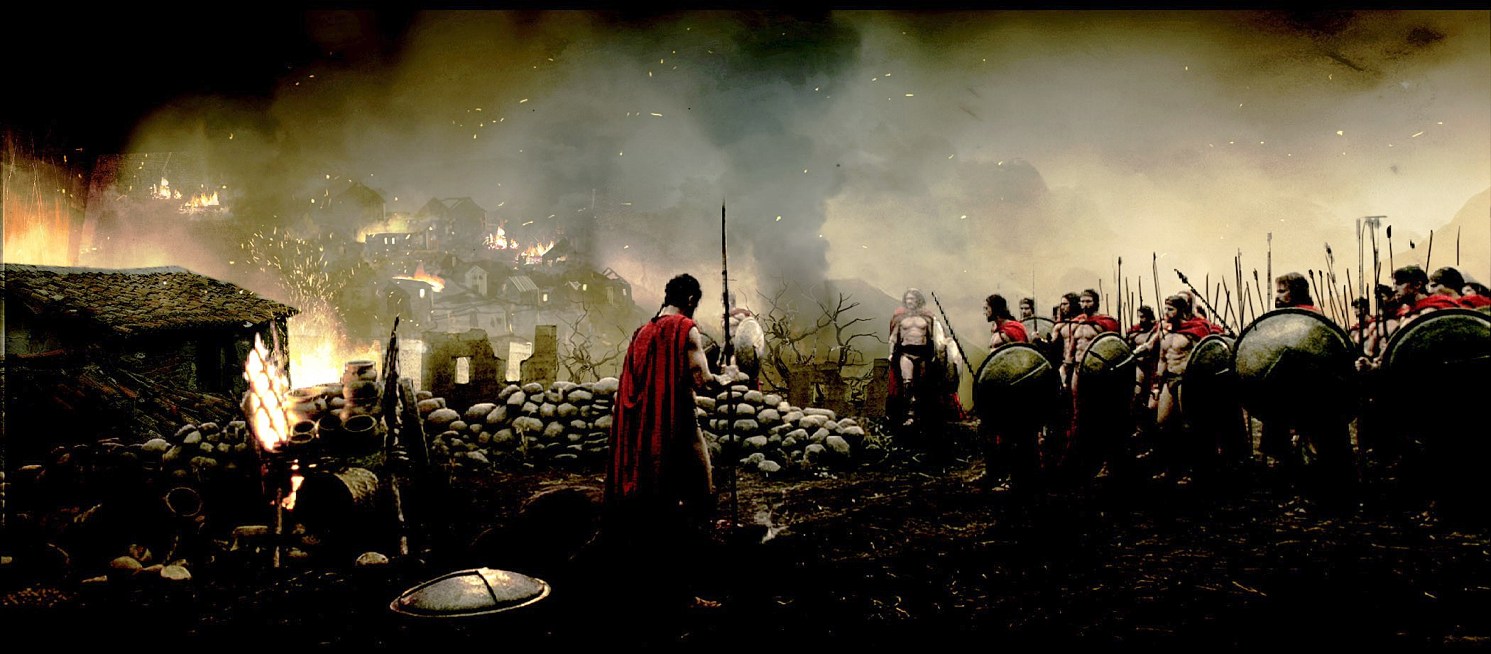
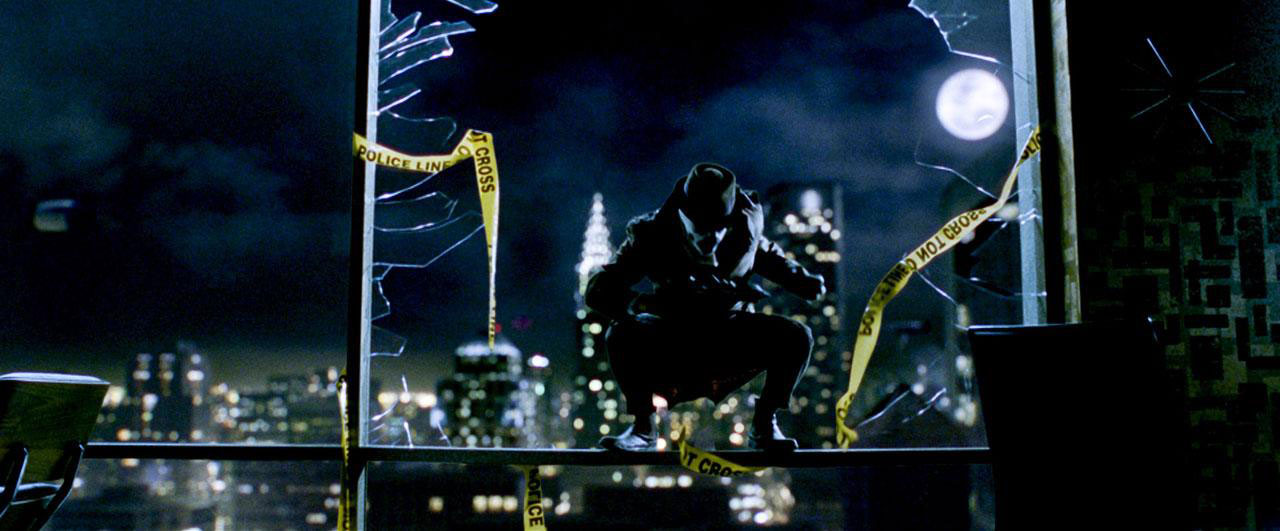
Over the past few years, Hollywood blockbusters have been shooting extensively on digital cameras, then taking the lazy route and refusing to put in the work during post-production. As a result, the visual texture of Hollywood films has grown thinner and thinner, drifting ever closer to television news footage.
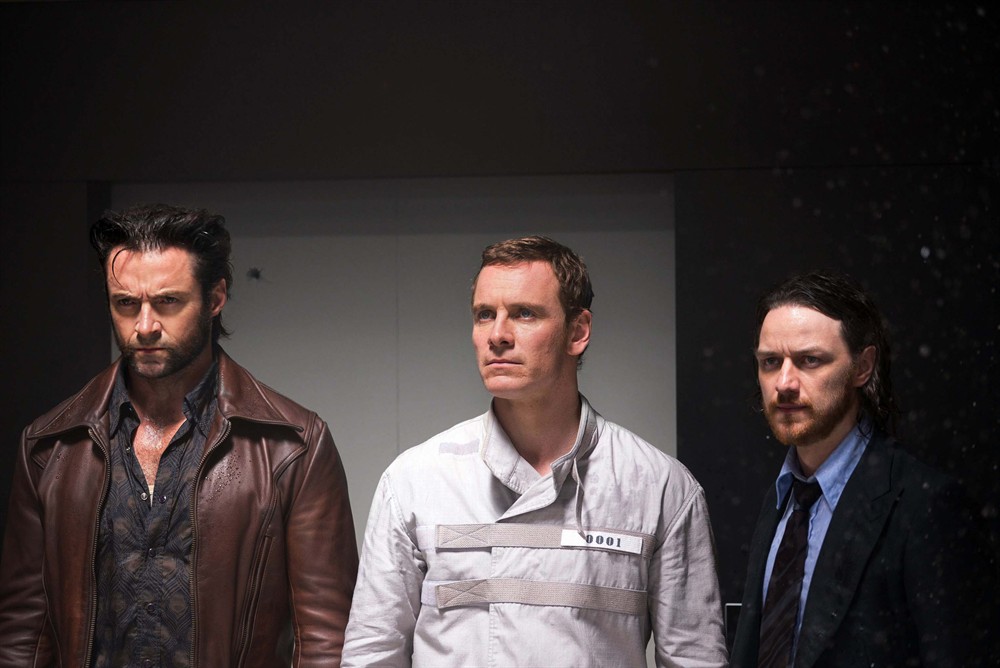
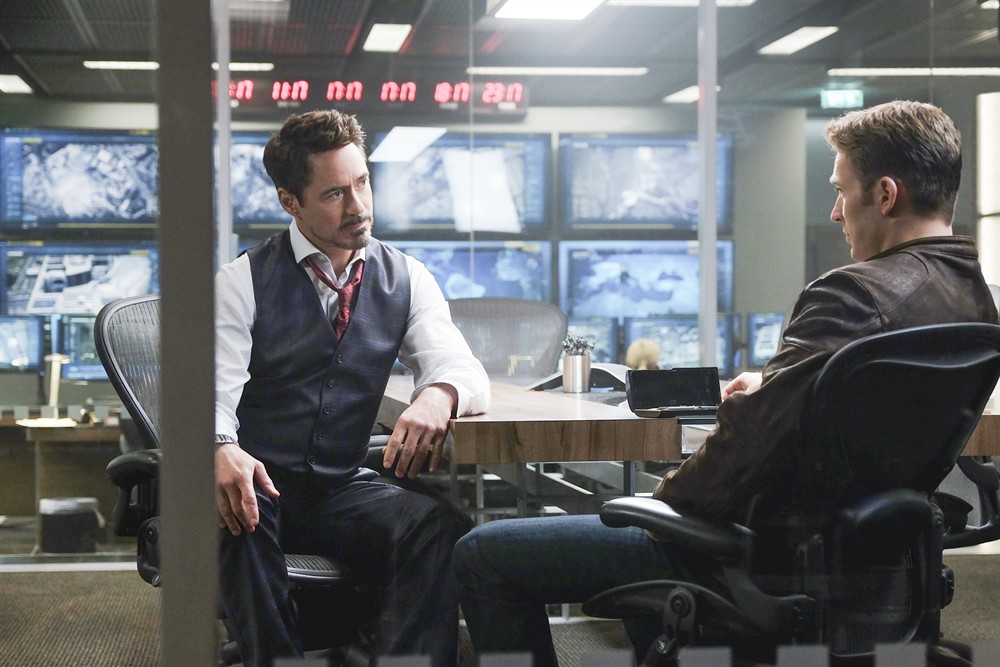
Against that trend, Zack Snyder’s “thick visual style” looks even more distinctive—and precious.
Then there’s the “motion” side.
When handling action, Zack Snyder is famous for being a “slow-motion maniac”:
In 300, Zack Snyder used slow motion extensively to show off the elegance and splendor of action choreography. The effect was astonishing, and he essentially created a new visual template for action cinema, inspiring countless imitators for years afterward.
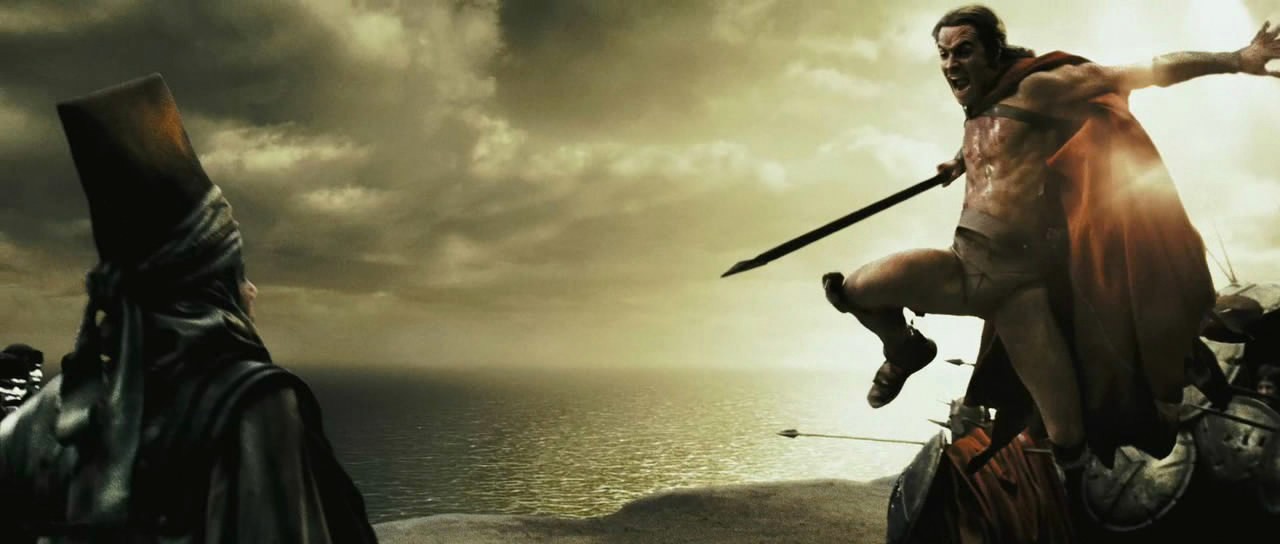
Before I went to see Man of Steel back then, I was genuinely curious: in Zack Snyder’s hands, would Superman have to fight like the Spartans, too, with every move slowed down dozens or hundreds of times?
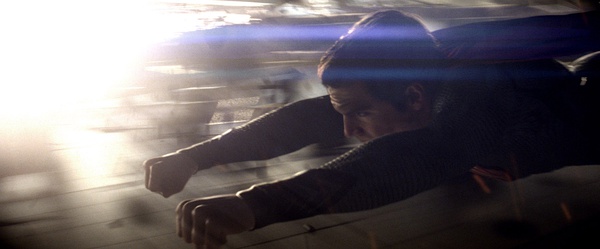
Well, the result was pretty surprising. The Superman in Man of Steel isn’t slow at all—he’s flat-out fast, and seriously hard-hitting!
2 Fights on the Big Screen Should Balance Force and Grace
Before the action in Man of Steel “hardened” again, Hollywood movie fights had been soft for far too long.
A fight on the big screen should be a twisted combination of violence and elegance, with both softness and hardness. In an action movie, you can’t just throw wild haymakers and settle for knocking the other guy down; you have to strike a pose while doing it. Power matters, but so does whether the movement looks beautiful. Audiences use screen violence both to release their emotions and to satisfy their aesthetic needs.
To satisfy that need for release, a fight has to land with force. But if you use too much force, it becomes hard to preserve the beauty of the movement. Conversely, if you hold back for the sake of beauty, the pleasure of violence gets discounted. Audiences may well think that instead of watching an elegant but limp fight, they might as well watch dancing.
So good-looking action has to find the ideal balance between force and elegance; it has to be both hard and soft.
3 Hollywood, from Hard to Soft
When hard action films were all the rage in the 1980s and 1990s, Hollywood fights were mostly muscle men throwing their weight around. There was plenty of force, but elegance was another question. They had more than enough to stimulate the hormones; whether they satisfied aesthetic needs was, well, a matter of taste.
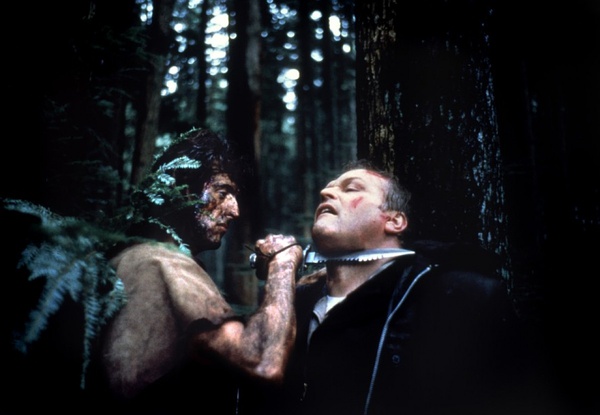
Then, in the late 1990s, Hong Kong martial-arts choreographers led by Yuen Woo-ping moved into Hollywood, and the atmosphere began to change.
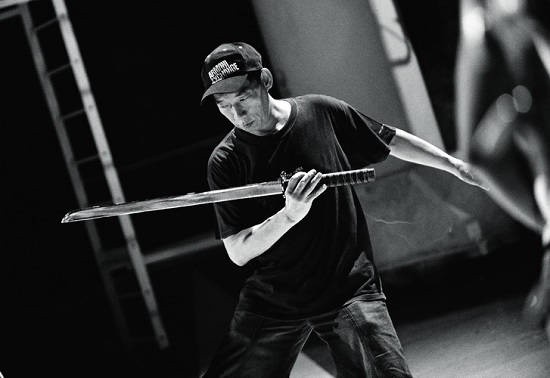
Long before going to Hollywood, these excellent choreographers had already found a near-perfect balance between force and elegance in Hong Kong action films. In Hong Kong from the 1980s through the mid-1990s, there were plenty of action masterpieces that fused power and beauty perfectly. (Looking back decades later, Hong Kong action films from that era still balanced force and elegance better than anyone.)
But once they arrived in Hollywood, things were different.
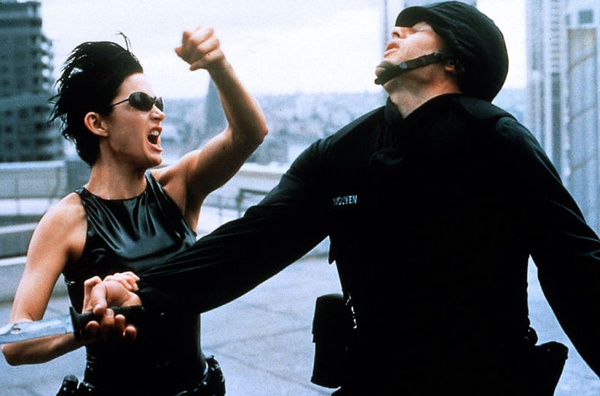
Without martial-arts stars who had trained since childhood, even the best fight choreography lost much of its force when performed by half-trained Hollywood stars. After Yuen Woo-ping took the fight-choreographer job on The Matrix, he actually hauled the principal cast into a stretch of basic training. The result was that The Matrix managed to make its action reasonably forceful.
But in the later Charlie’s Angels (also choreographed by Yuen Woo-ping), it would be more accurate to call the action dance incorporating fighting poses than fighting itself.
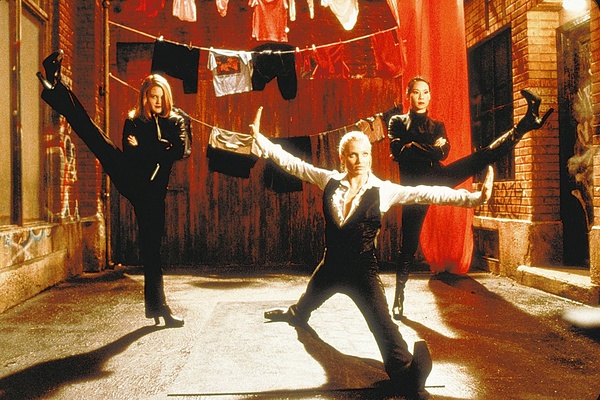
Hollywood action movies represented by Charlie’s Angels thoroughly “softened” in those years. But these action scenes had absolutely none of the cathartic pleasure of violence. You have to hit a punching bag with some force to get that release, right? How could merely “touching” a punching bag feel good? Even if the person doing the touching is a beautiful woman.
4 Zack Snyder’s Slow Motion
And then Zack Snyder made his grand entrance. 300 burst onto the scene and pushed this “fluffy” visual style to its extreme.
When Hong Kong used to make action movies, filmmakers often removed frames in order to make the movement look even faster. 300 did the exact opposite. After making extensive use of high-speed slow motion, every single move in its fights became a pose.
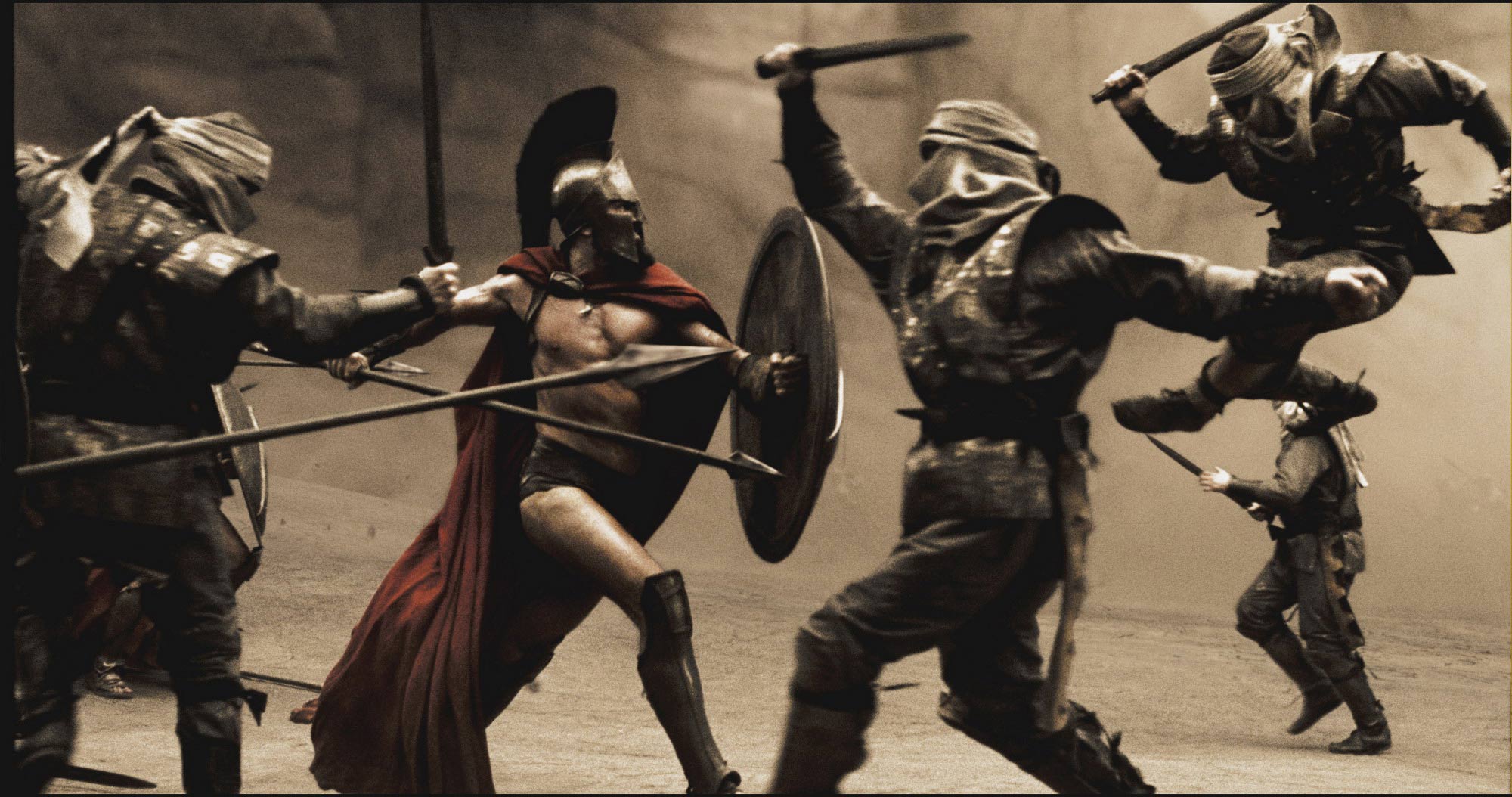
Elegance was pushed to the limit, but force dropped to rock bottom—because force is often conveyed through speed.
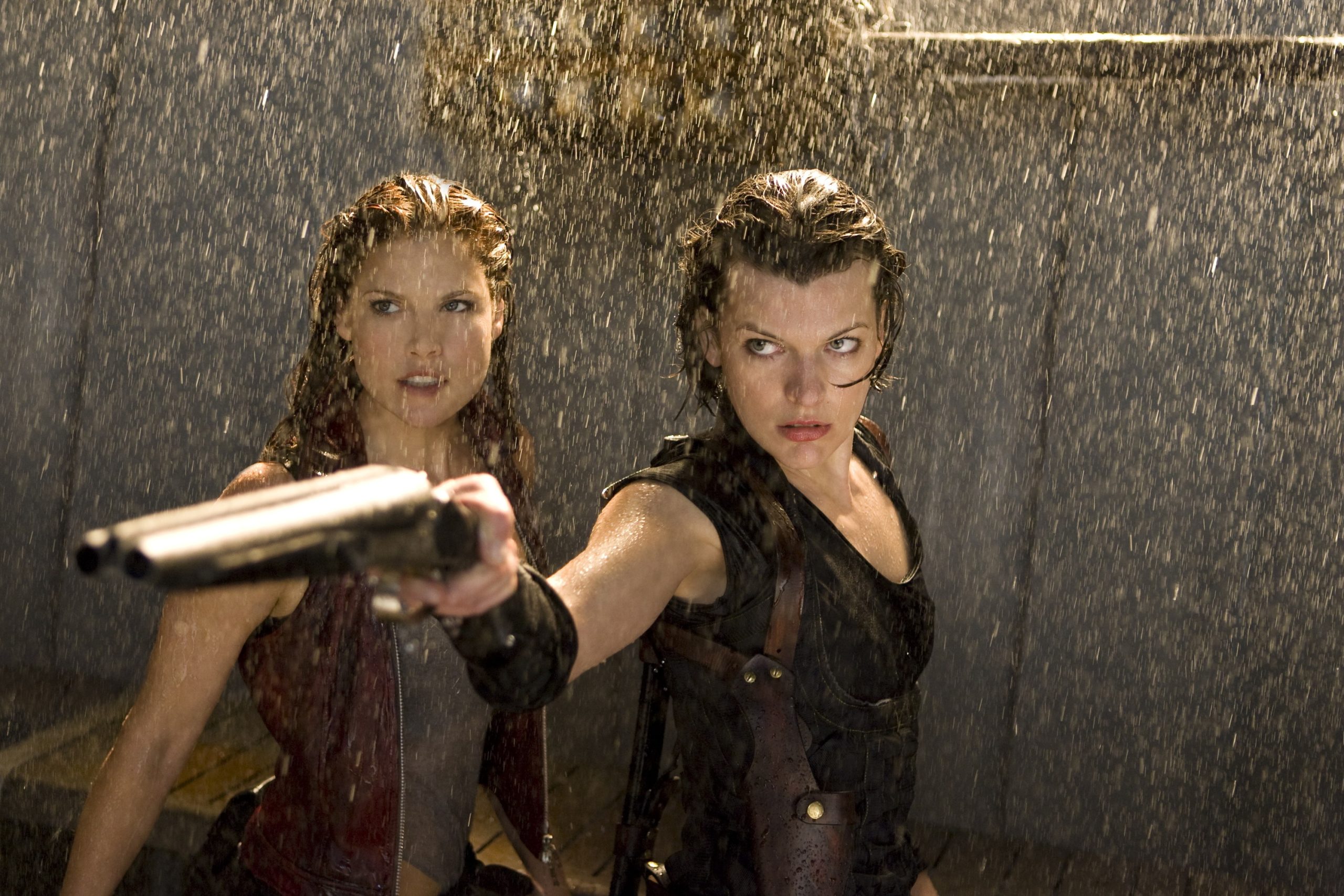
After the sensation caused by 300, this slow-motion action style practically infected every action movie on Earth for years. Among the imitators scattered everywhere, some were watchable, while others—like The Storm Warriors 2, The Founding of a Republic, and the later Resident Evil installments—imitated it into utter garbage.
The only real breakthrough in this style was probably The Grandmaster. Wong Kar-wai’s secret for showing force in slow motion is actually pretty simple: almost every slow-motion action scene includes something like an iron gate being knocked down, a brick wall being smashed apart, an iron bolt being blasted away, or an iron bar quivering from impact—the loss of force caused by slow motion is made up for by twisting steel.
5 Man of Steel Is Not Slow at All
Unexpectedly, the person who ended this bizarre, crooked trend was Zack Snyder himself, its very instigator. Man of Steel was Zack Snyder’s complete correction of the soft style he had started: its action scenes don’t use slow motion at all!
Why? My guess is that Superman’s powers aren’t as varied as those in the X-Men films. Basically, all Superman can do is make pure physical attacks, like Son Goku fighting in Dragon Ball. His superpower is nothing more than greater physical destructive force—higher, faster, stronger. So the only thing that really needs to be shown is force.
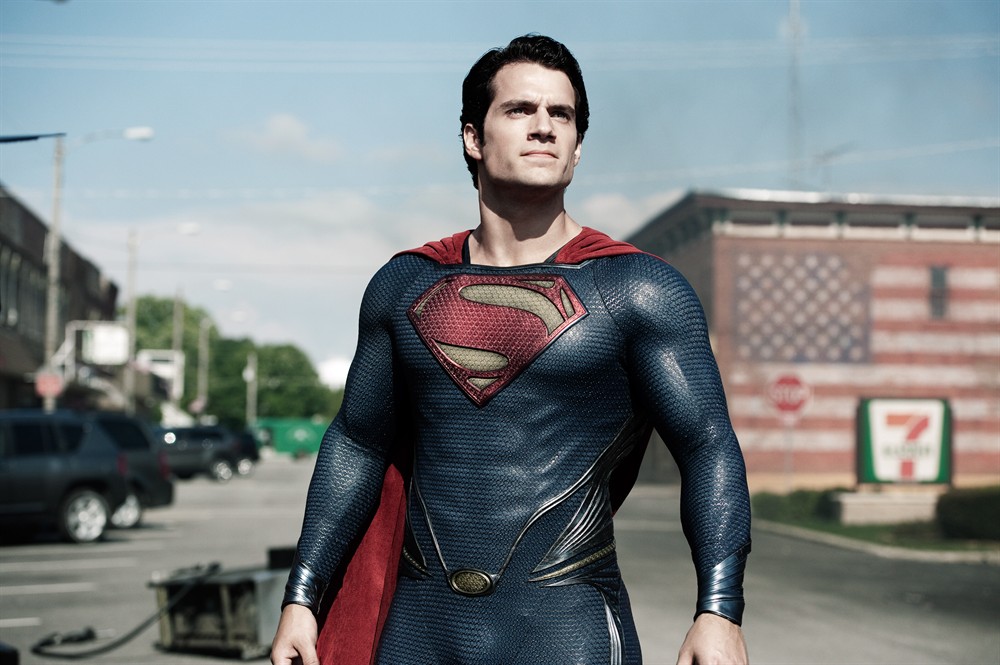
Actually, the old slow-motion method could have shown Superman’s speed and strength perfectly well. At worst, Snyder could have done what The Grandmaster did: let the things Superman hits twist and shatter gloriously in slow motion. But this time, perhaps Zack Snyder himself had grown tired of taking the scenic route. If you want to show speed, why not just get to the point and make Superman genuinely fast?
But actually making him fast is not easy. This is a technical job.
First Way to Show High Speed: Let the Audience Fill in the Blanks
If the movement is so fast that you simply don’t want the audience to see it clearly, that’s easy enough.
For example, in the TV series True Blood, vampires’ super-speed is basically shown by accelerating the action until it becomes impossible for the naked eye to catch. An entire fight is completed in just a few frames. In one frame they’ve just engaged; in the next, the opponent is already on the ground; in the one after that, the opponent has launched a counterattack. The action is over in the blink of an eye.
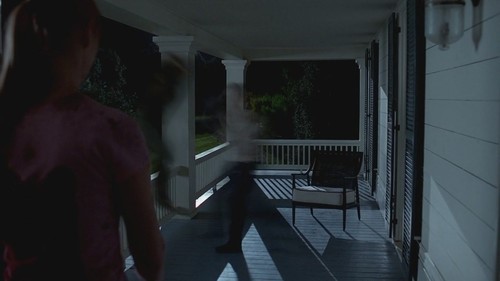
The audience has only seen three frames. What about everything that happens in between? Nothing needs to be done. It doesn’t need to be shown at all, because the audience will fill in the blanks on its own. Since the few frames are obviously connected by logic, the audience’s brain automatically assumes that the action they saw must have been continuous.
This trick works well in a TV series like True Blood. After all, a TV series is so long and has so many things to watch that, besides vampires fighting, the audience can also watch vampires having sex. But using this trick in a blockbuster like Man of Steel, which audiences had waited years for, would be inappropriate—I waited this long to watch people fight, and you won’t even let me see it clearly?
Second Way to Show High Speed: Frame Skipping
If you want the audience to see the action clearly, the simplest method is to do what old Hong Kong films did: remove frames directly, creating “fast motion.” An action that took two minutes to shoot could be sped up and played back in under a minute, naturally making the human movement faster.
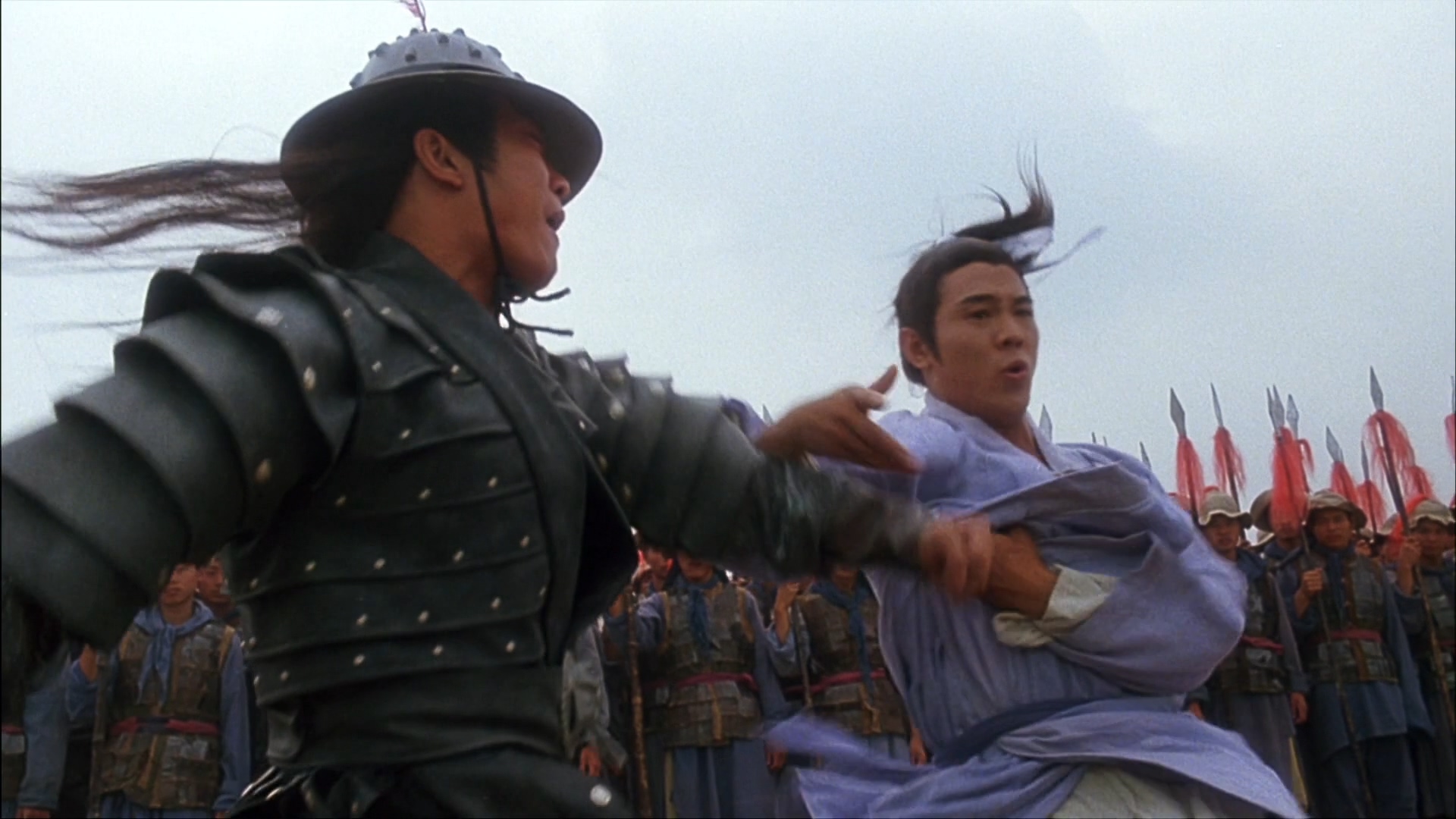
Old Hong Kong films often used this technique to show how swiftly martial-arts masters moved. For example, in Swordsman II, when Linghu Chong faces the Seven-Star Sword Formation of the Mount Hua Sect, the scene is one-against-many, so fast motion is unavoidable. Otherwise, if Linghu Chong attacked at normal speed, the audience would feel that the seven people fighting him were moving absurdly slowly.
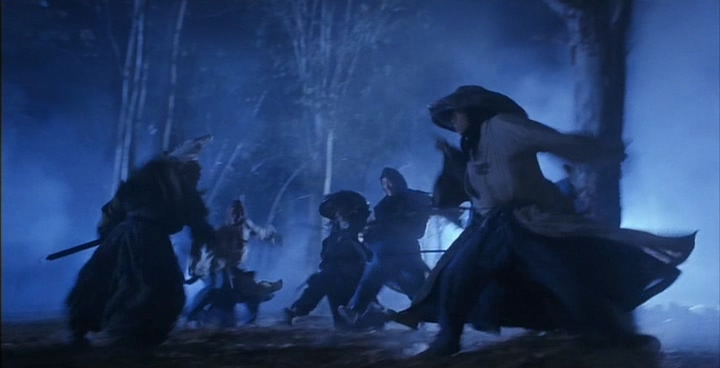
Using fast motion to display speed is simple, but its drawback is obvious: the people move faster, sure, but every other object in the environment speeds up too, making everything look deeply unreal. Even with close-ups of a person’s body, the movement itself becomes distorted by the acceleration.
We often see this kind of distortion in old Hong Kong films and old TVB dramas: the two leads in the center of the frame exchange blows at the speed you’d expect from martial-arts masters, while the lackeys circling them leap around at an even more outrageous speed, as if they were the ridiculously fast super-masters.
Third Way to Show High Speed: the Afterimage Fist
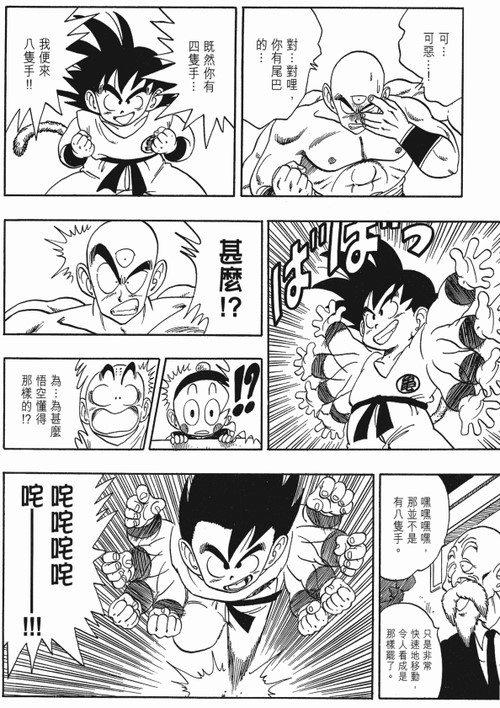
The third technique for showing high speed is similar to the “afterimage fist” in Dragon Ball—the movement is so fast that it looks as though the person has grown several extra arms and legs:
The Matrix used this trick too:
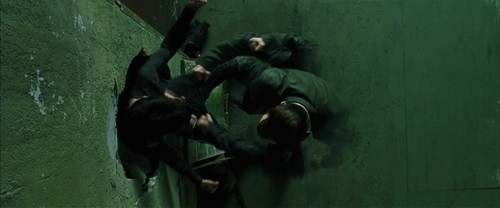
But if we’re being strict about it, having just one occasional shot in The Matrix use the afterimage fist to show high speed doesn’t make much sense. If Agent Smith was really supposed to move that fast, then he should have moved that fast in every other fight in the movie. In reality, in the other action scenes, his speed is no different from an ordinary person’s.
Fourth Way to Show High Speed: Psychological Illusion
The Matrix also contains another technique: using the audience’s psychological illusion.
This happens just after Neo awakens as the One. Smith charges at the newly awakened Neo, only to be calmly neutralized by Neo’s ability to use a small force to overcome a great one:
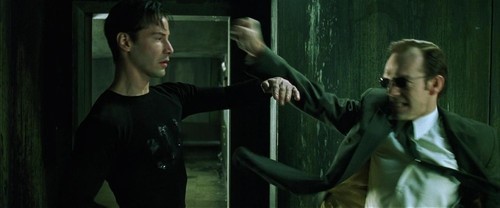
This scene contains two layers of psychological illusion.
If you watch the footage carefully, you’ll find that Neo and Smith are actually moving at roughly the same speed. Neo simply looks calm and composed, while Smith is frantic with rage. The contrast in their expressions makes the audience imagine that Neo is moving more slowly (not faster). That’s the first illusion.
The second illusion is that, precisely because Neo’s movements seem slow while he remains so calm, the audience automatically fills in the blanks like this: Neo must be much faster than Smith, fast enough to neutralize such a rapid attack so casually.
I think this trick of exploiting a psychological illusion is more clever than the afterimage punch. But obviously, you can’t overuse it. If you do, the audience’s imagination will stop filling in the gaps, and they’ll quickly see how unrealistic it is to use slowness to overcome speed. Some movies depicting the mystical powers of tai chi, for instance, are especially unconvincing: you’ll notice that the people fighting tai chi masters are always remarkably reasonable, as if they deliberately aim every strike at a spot the other person could block without moving much, cooperating beautifully by letting their opponent use stillness to control motion.
The Fifth Way to Show High Speed: Digital Doubles
This next technology, the digital double (digi-double), is the real killer move for depicting high speed.
A digital double is created by scanning an actor’s entire body at high resolution to generate a full-body CGI model, then combining that CGI model with live-action footage.
If I remember correctly, it first appeared, courtesy of the effects team, in The Matrix Reloaded. In some of The Matrix Reloaded’s action scenes, the backgrounds were real, while the characters were CGI. And audiences’ eyes weren’t as sharp back then as they are today, so apparently not many people realized they were actually watching something like a quasi-animated film.
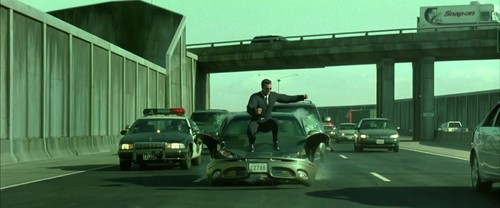
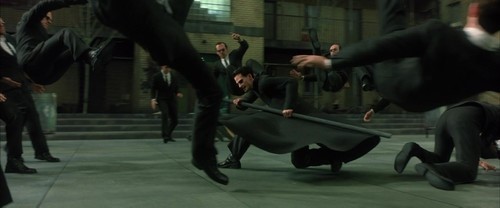
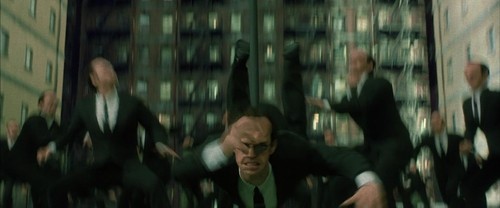
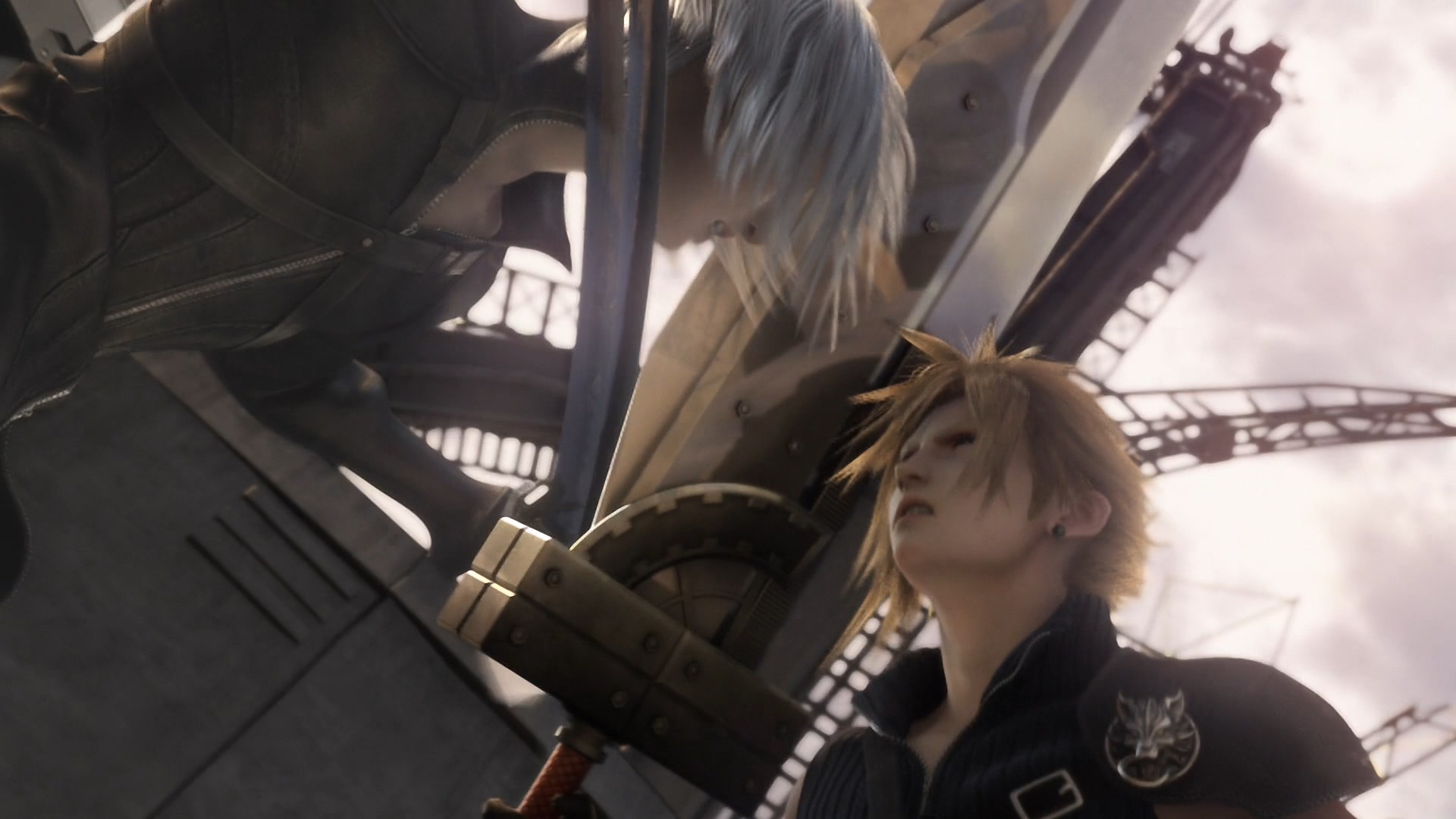
Characters created with CGI can of course depict high speed with ease. The fights in the Japanese CG-animated film Final Fantasy VII: Advent Children, for example, genuinely make you believe their swords are fast enough to knock bullets away.
But strangely, the Wachowskis—brothers back then, sisters now—didn’t use this technology to show the characters’ high speed in The Matrix Reloaded or The Matrix Revolutions. Even by the third film, Neo and Smith had both evolved to Superman-level beings, yet when they fought, they still moved at no more than the speed of ordinary kung fu masters in a Hong Kong action movie.
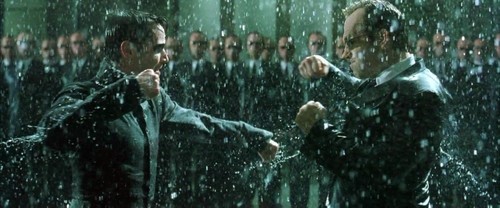
I figure the Wachowskis were trying to preserve continuity—after all, this technology hadn’t been used in the first film.
Of course, there’s another possibility: as kung fu fans, the Wachowskis probably found it hard to give up those elegant martial-arts movements performed by real people. Although digital doubles can also “perform” any movement a real person can, using motion-capture technology, judging from the scene in The Matrix Reloaded where Neo faces off against a whole swarm of Smiths, the movements of digital doubles are clearly rougher than those of real actors. They still have a hard time capturing the fine details in human movement. My guess is that when speed and beauty couldn’t both be had, the Wachowskis chose the latter.
6 Digital Doubles in The Man of Steel
But The Man of Steel didn’t have to worry about any of that.
Although The Man of Steel’s action is already a long way from the “tough-guy fighting style” of traditional Hollywood hard-action movies, compared with the martial arts in The Matrix, it has far fewer subtle, precise movement details. So in The Man of Steel, Zack Snyder made the exact opposite choice from the Wachowskis: speed things up and show the power. As for elegance, he didn’t insist on it.
So, digital doubles, go!
Most of the high-speed scenes in The Man of Steel’s fight sequences were completed with digital doubles. (For details, see this article on the FXGuide website: “Man of Steel vfx milestones”.)
In The Matrix Reloaded, digital doubles mostly performed movements at ordinary speed, which made them easy to catch out, since the human eye demands more detail from static shots.
What makes The Man of Steel more ingenious than The Matrix Reloaded is that it uses digital doubles for high-speed action. The human eye is inherently insensitive to details in highly kinetic images. So even though the digital doubles in The Man of Steel still aren’t as rich in detail as real people, the audience doesn’t notice.
That makes the combination of digital doubles and real actors much more natural than in The Matrix Reloaded.
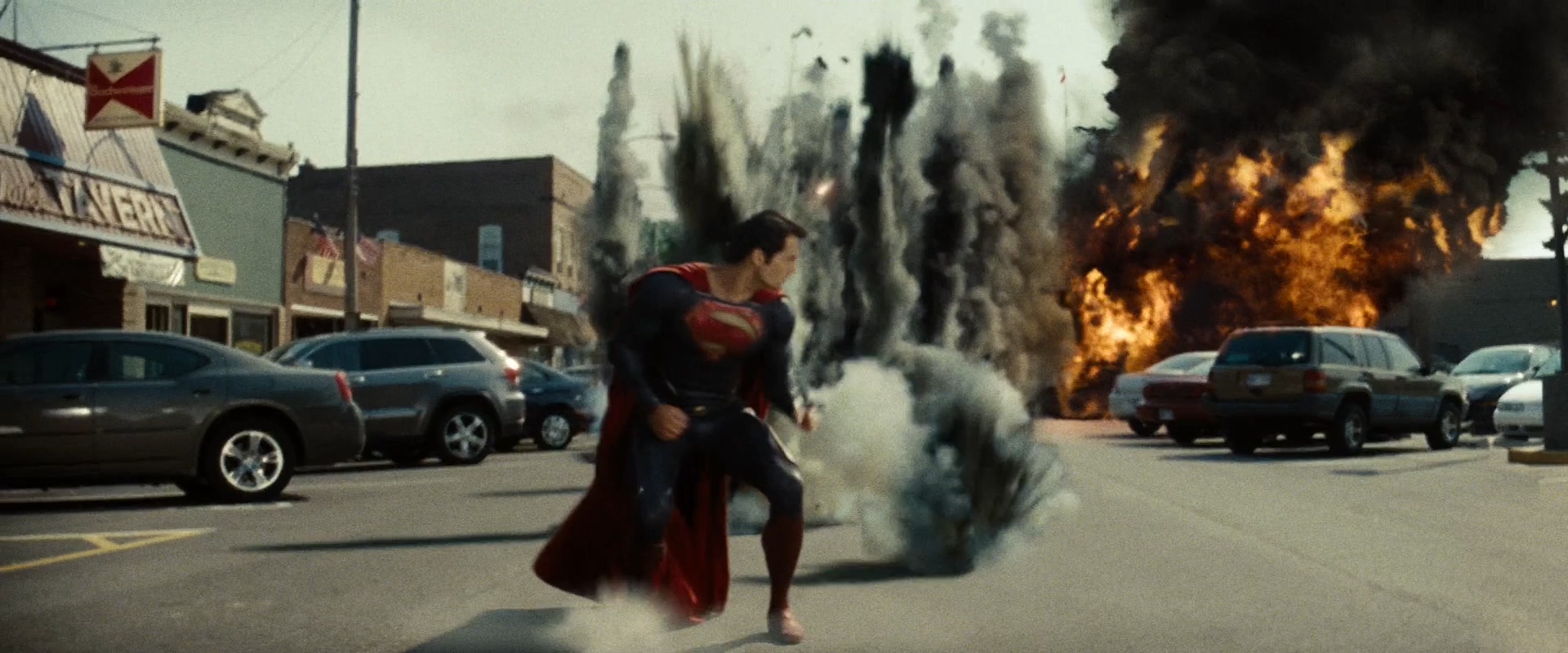
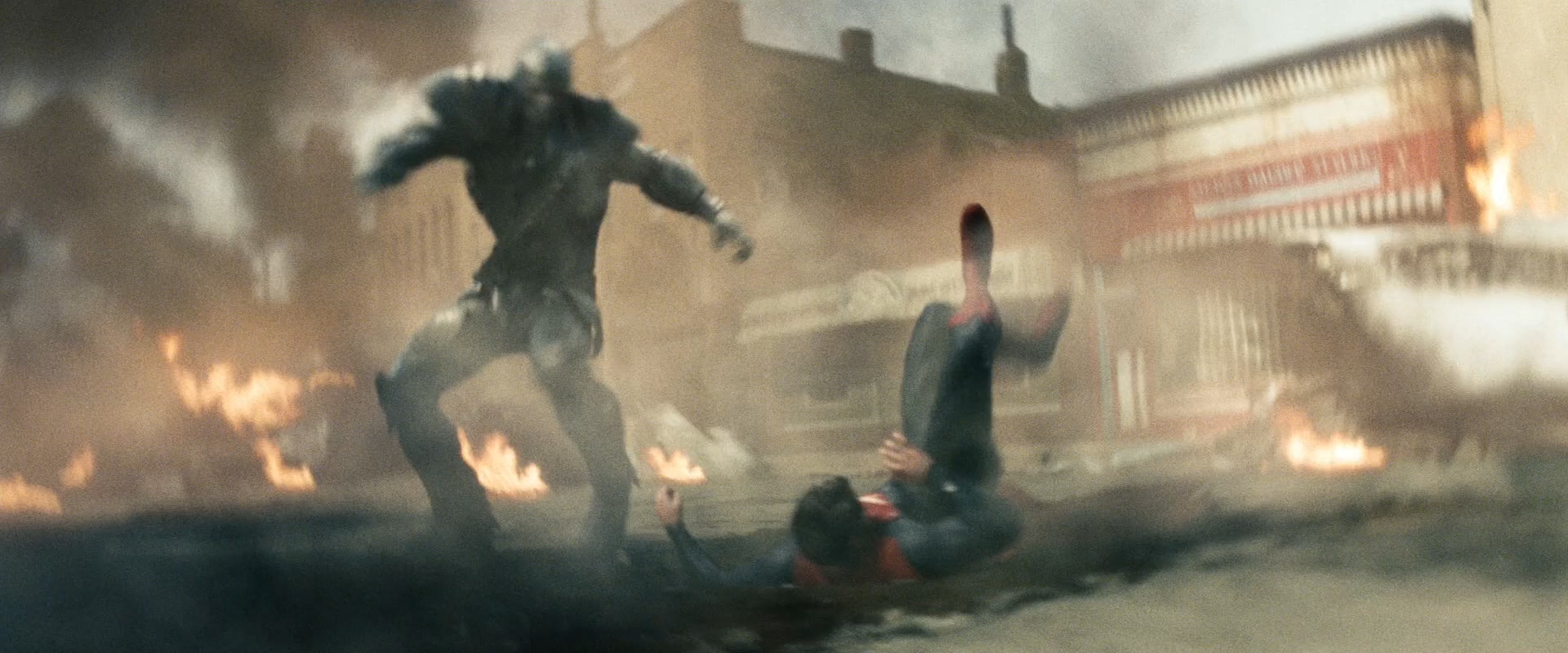
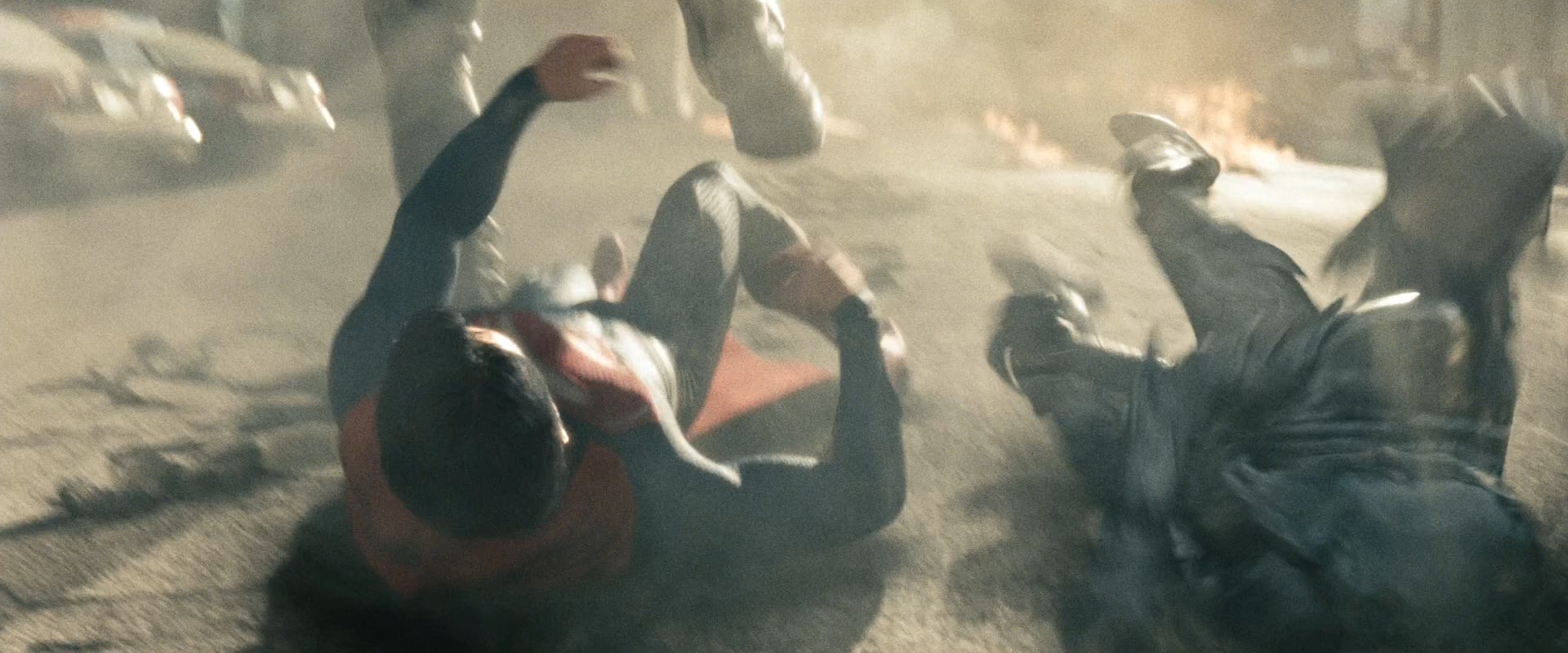
And so, for the first time, we saw Superman fighting with the speed and force he ought to have. As a kid who grew up watching Dragon Ball over and over, I had spent decades imagining countless scenes of Goku fighting Cell. Now that I finally saw it on the big screen, I felt the strangely comforting satisfaction of a long-held wish coming true.
So, thank you, Zack Snyder. You may never be very good at telling stories, but I still love you.
Collected in
After revision, this article was included in The Alluring Illusion: Psychological Secrets in Light and Shadow.

Leave a Reply