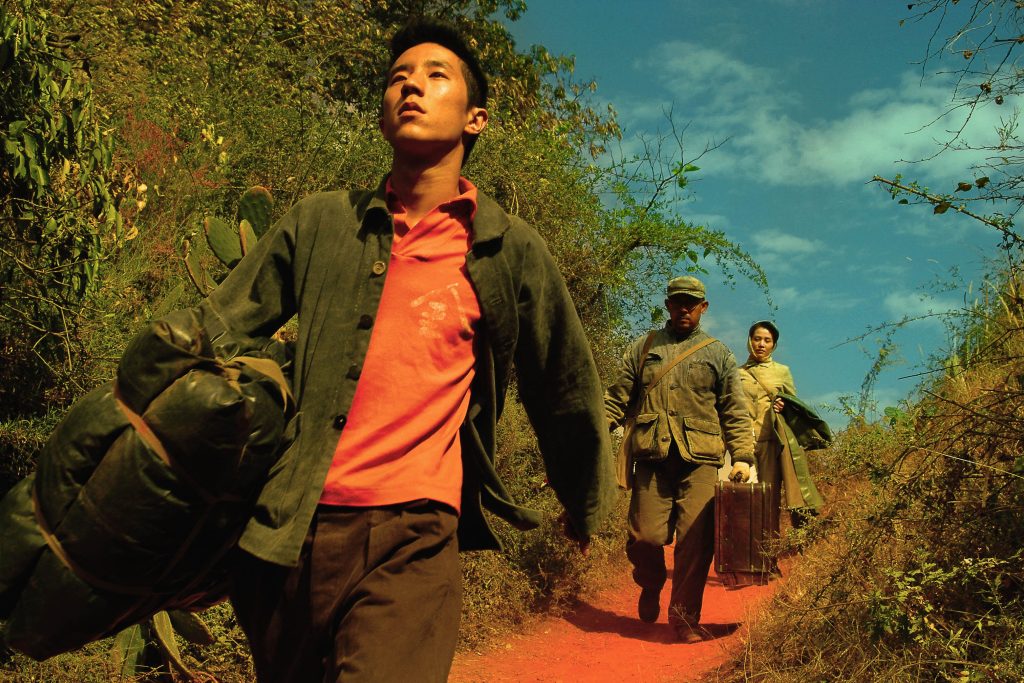
I remember a reporter once asking Jiang Wen in an interview: What is the theme of The Sun Also Rises? Jiang Wen answered: The theme of The Sun Also Rises is ‘the sun rises as usual.’ He delivered it with this swaggering, domineering air. The implication seemed to be: Didn’t I make it all clear in the movie? Go watch it yourself.
The Sun Also Rises is very obscure, but Jiang Wen has no desire to say much about it outside the film. I actually quite like that kind of tone.
I like a certain kind of film and literary work: on the surface, they may be very obscure, but what they want to express is actually contained in full within the work, laid out for viewers and readers. The key to the mystery has long been hidden in the riddle itself. To interpret works like this, all you need to do is read the work closely; there is no need to go hunting for trivia outside it.
Is The Sun Also Rises one of those works? Can that line from the film—‘All you can say is that you didn’t understand; you can’t say you didn’t see it’—be used to describe the film itself?

So now I’ll give it a try and see what we can read out of the riddle that is The Sun Also Rises.
The film is structured as a four-act play, broadly divided into ‘Crazy Mom,’ ‘Teacher Liang,’ ‘the Son and Uncle Tang,’ and ‘Dream.’ Let’s take them one act at a time.
Act One: Crazy Mom
From this first section and the final section, ‘Dream,’ we can piece together the backstory of Crazy Mom’s story.
Twenty or thirty years ago, an officer in the People’s Volunteer Army named Li Bukong fell in love with Crazy Mom when she was young. There are two versions of how they met.
According to Li Bukong, he spotted young Crazy Mom in a crowd while giving a report at school and fell for her.
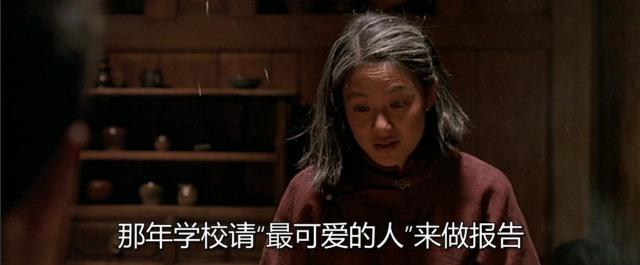
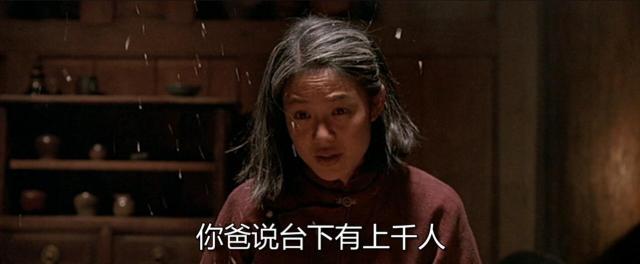
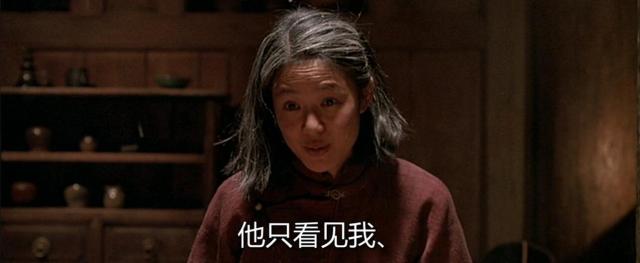
But according to young Crazy Mom’s account at the end of the film, they most likely met on the river embankment.
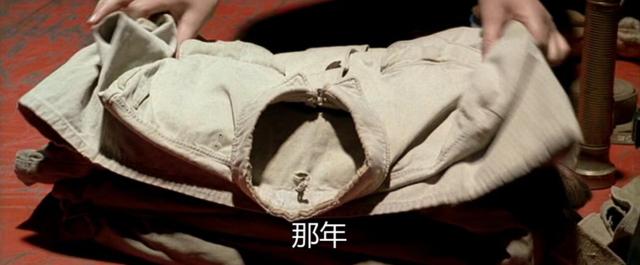
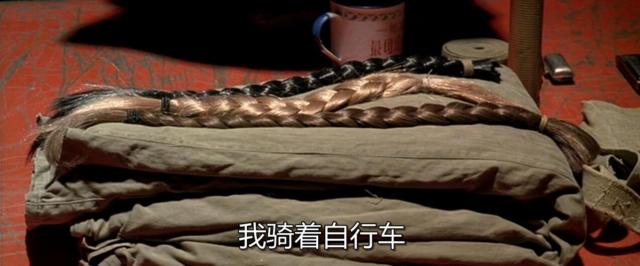
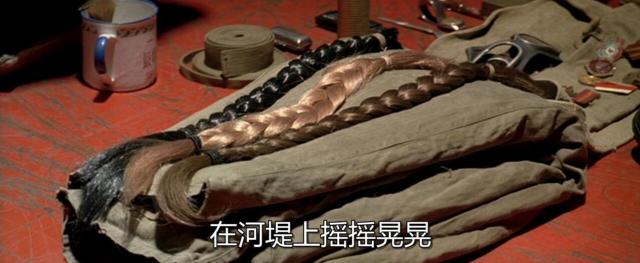
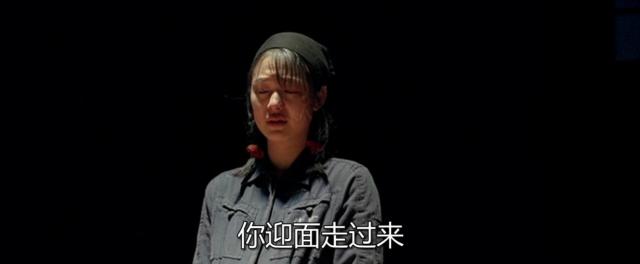
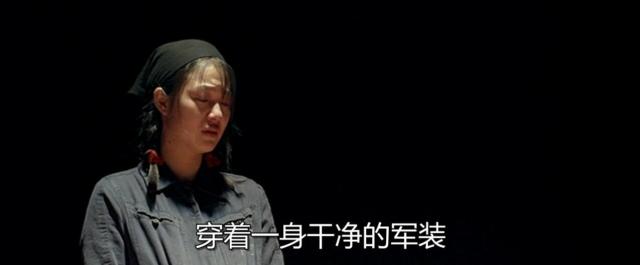
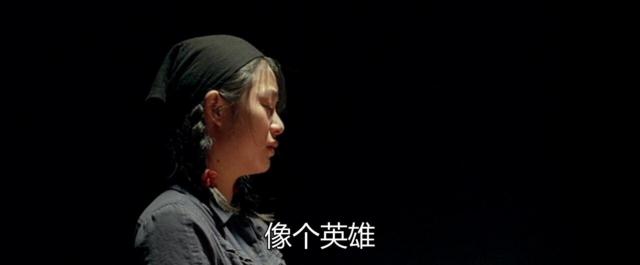
Whichever version you prefer, the two met. Then one day, Li Bukong went to find young Crazy Mom with a gun. She said ‘no,’ and Li Bukong said, ‘I know, I know.’
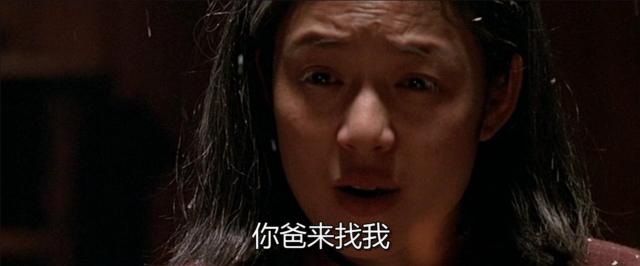
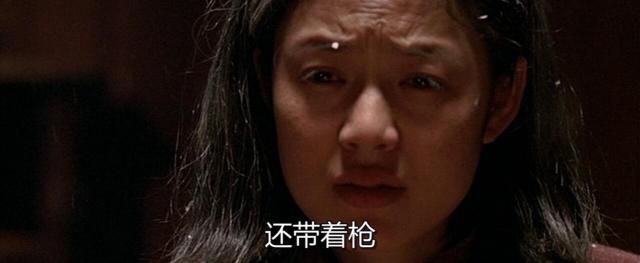
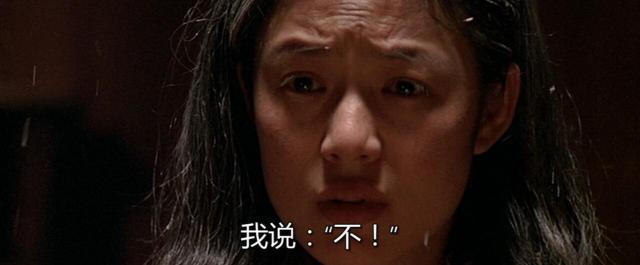
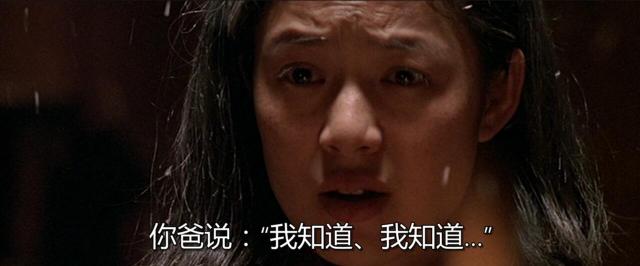
That ‘no’ seems as if it could mean that Crazy Mom didn’t want to elope with Li Bukong. But judging from the pained expression on middle-aged Crazy Mom’s face as she recalls the incident, ‘no’ probably meant ‘I refuse’ or ‘No way.’ So Li Bukong’s ‘I know, I know’ was really him forcing himself on young Crazy Mom and violating her.
After her chastity was taken from her, ‘The fear isn’t that you won’t remember; it’s that you’ll never forget. If you can’t forget, you know them too well; once you know them too well, you have to run.’ So young Crazy Mom had no choice but to follow Li Bukong.
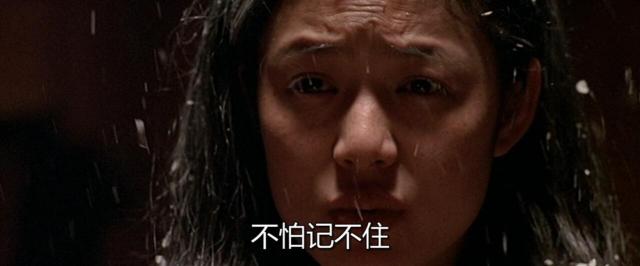
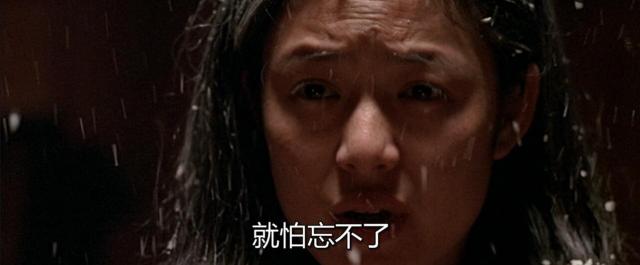
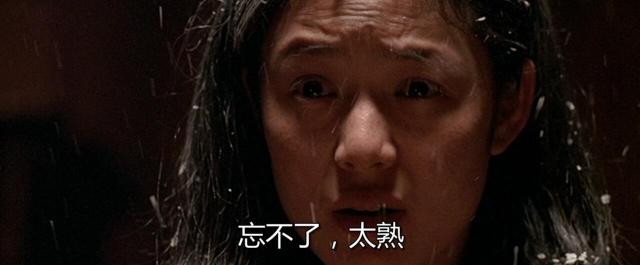

Li Bukong’s military rank kept rising, while his gun kept getting shorter.
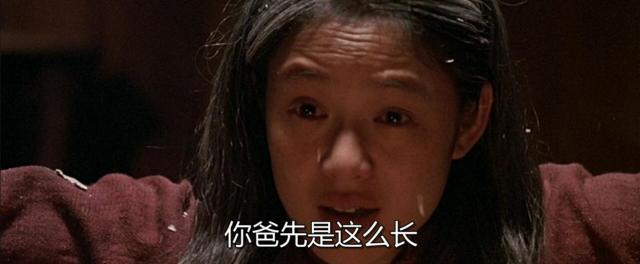
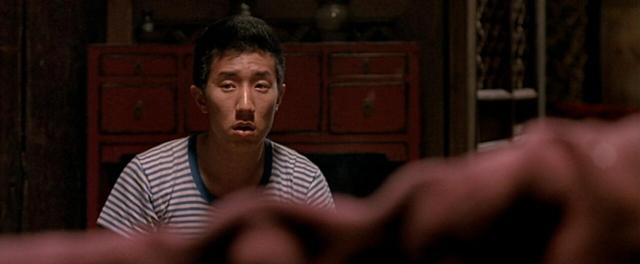
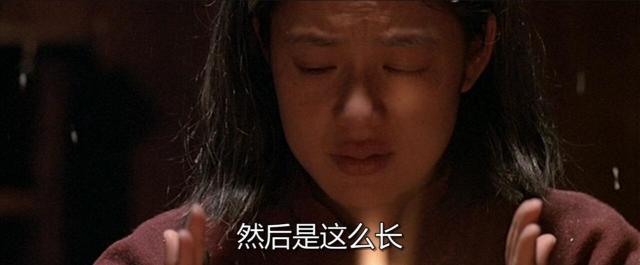

Later, young Crazy Mom became pregnant, while Li Bukong was serving in a military district on the Xinjiang frontier.
So what kind of person was Li Bukong? Apart from being one of ‘the most lovable people,’ the guy was a straight-up wolf. Having already committed the misdeed of ‘I know, I know,’ he naturally became even less restrained as his rank grew. He even used his position to extend his claws beyond the country’s borders, hunting women of every skin tone and hair color (the various-colored braids among Li Bukong’s belongings are evidence enough).
As a result, Li Bukong, who called himself Alyosha, died suddenly in an accident while committing adultery across the border with a Soviet girl named Natasha (as the Soviet granny explains at the end of the film).

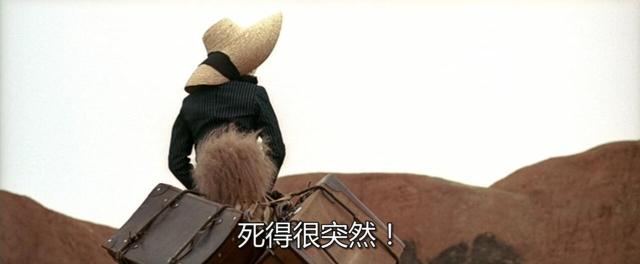
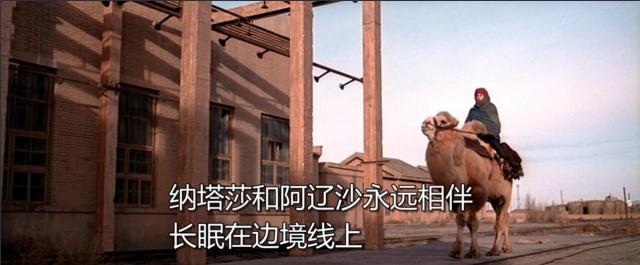
For that reason, Li Bukong doesn’t count as a martyr (in Li Congxi’s words, he ‘made the ultimate sacrifice’).
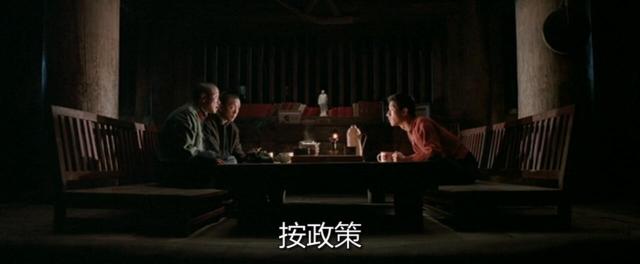
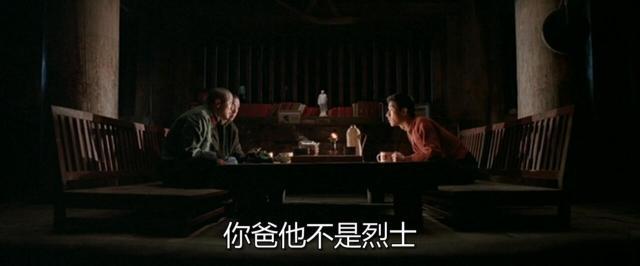
Although Crazy Mom knew before Li Bukong’s death that he was cheating, and although he was plainly bullying her (I’ll explain this later), she still loved him deeply. She even preferred to believe that Li Bukong had merely gone missing. (Li Bukong’s womanizing is one of the film’s easiest details to overlook. Once you understand it, quite a few plot points become less obscure. I’ll explain this in detail later.)
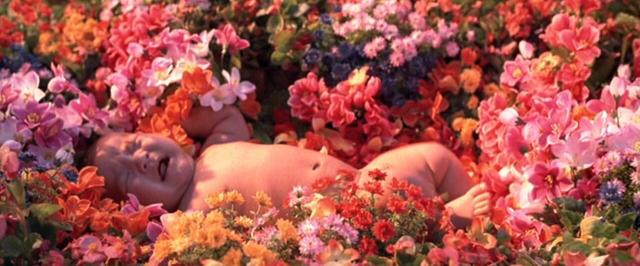
After sorting through Li’s belongings—including the letters exchanged between Li and Natasha while they were having an affair—Crazy Mom gave birth to her son on the train ride home. As for the bizarre scene of giving birth on flower-covered railway tracks, it was probably mixed with fantasies from the period when Crazy Mom’s mental state had begun to deteriorate (she was already starting to lose it by then).
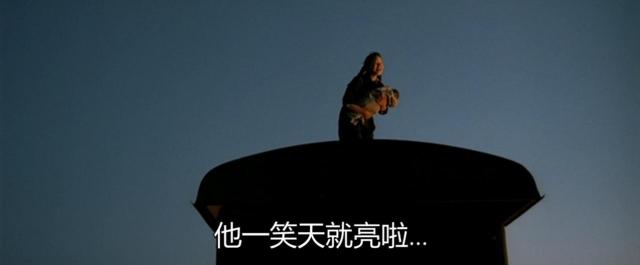
After giving birth to her son, Crazy Mom carried him to Li Bukong’s hometown and settled down there.
That’s right: Li Bukong, who never appears in the film, is actually the hidden spirit of Crazy Mom’s story. If you’re willing to rewatch the film along this line of thought, I think you’ll agree with me.
We might as well peel back Li Bukong’s skin through a few keywords connected to Crazy Mom.
1. Two Things About Li Bukong
Crazy Mom tells her son, ‘Let me tell you two things about him, and you’ll understand him more clearly than if you had met the real man.’
The first is the version of Li Bukong and Crazy Mom’s meeting mentioned earlier—the love-at-first-sight version from the school report. However you listen to it, it sounds like a tacky pickup line and feels fake. And after Crazy Mom finishes, she adds, ‘That’s what he said. I don’t remember it.’
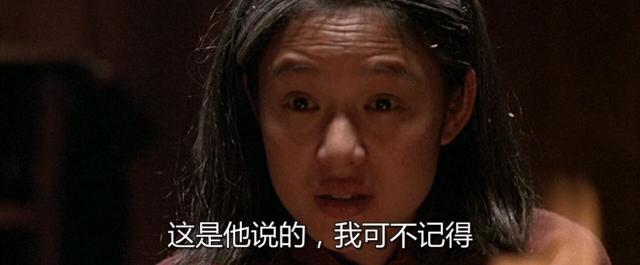
At the end of the film, Crazy Mom says to Li Bukong’s belongings, ‘That year, I was wobbling along the river embankment on my bicycle. You walked toward me in a spotless uniform, like a hero.’ That sounds much more like the scene of their meeting. So we have even more reason to believe the first version was probably just Li Bukong’s standard pickup routine.
The second thing: Crazy Mom first says that Li Bukong’s gun kept getting shorter. This should mean that his military rank kept getting higher. One day, Li Bukong went looking for Crazy Mom with a gun. She said ‘no,’ and he said, ‘I know, I know.’ Her expression was very pained as she said this. As analyzed earlier, this should mean that Li Bukong forced himself on her. Li Bukong also said, ‘The fear isn’t that you won’t remember; it’s that you’ll never forget. If you can’t forget, you know them too well; once you know them too well, you have to run.’ We can infer that everyone found out about Crazy Mom and Li Bukong, and that the disgrace—‘The fear isn’t that you won’t remember; it’s that you’ll never forget’—became public knowledge. After all, in Crazy Mom’s hometown, everyone knew everyone too well. Unable to endure the gossip, she had no choice but to run away with Li Bukong.
2. Li Bukong’s Letter: ‘Just call me Alyosha.’
Crazy Mom takes out a letter and asks her son to read it. Every line of the letter says, ‘Just call me Alyosha.’
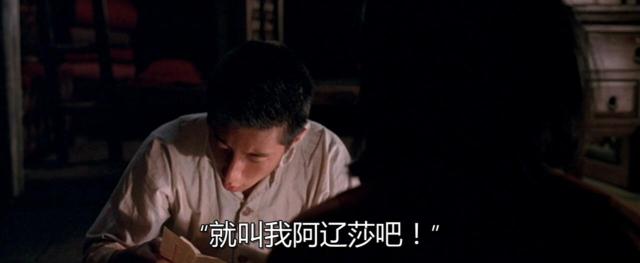
It’s easy to misunderstand this as a letter Li Bukong wrote to Crazy Mom. But according to the Soviet granny’s explanation at the end, these letters were correspondence between Alyosha (Li Bukong) and Natasha. The Soviet and Chinese militaries had already opened them while investigating Li Bukong’s death, and later returned them to Crazy Mom.
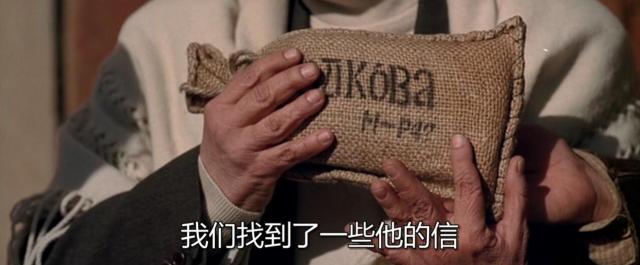
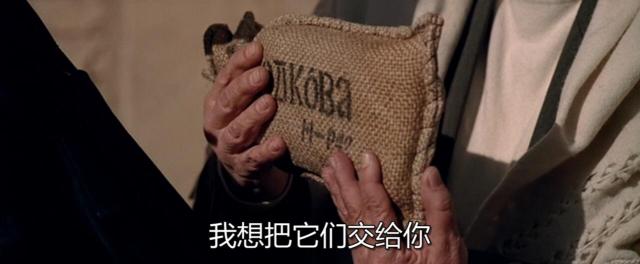
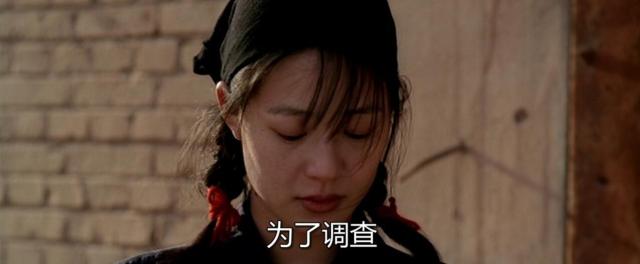
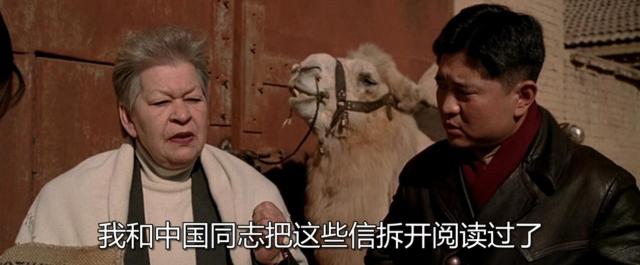
So the words in the letter are really Li Bukong’s sweet talk to Natasha. ‘Just call me Alyosha’ was simply the Soviet name Li Bukong gave himself to pick up a Soviet girl.
3. Crazy Mom: ‘All you can say is that you didn’t understand; you can’t say you didn’t see it.’
After her son finishes reading ‘Just call me Alyosha,’ Crazy Mom repeatedly asks, ‘Do you understand?’ Her son says, ‘I don’t understand,’ and then Crazy Mom says, ‘All you can say is that you didn’t understand; you can’t say you didn’t see it.’ Coming from Crazy Mom, this line sounds completely baffling. Coming from Li Bukong, it makes perfect sense.
If ‘All you can say is that you didn’t understand; you can’t say you didn’t see it’ was said by Li Bukong, then perhaps this is what happened back then: Li Bukong carried on an affair right in front of Crazy Mom, wrote Natasha a letter, and then read it aloud to Crazy Mom. After she finished, Li Bukong said, ‘All you can say is that you didn’t understand; you can’t say you didn’t see it.’ He was openly bullying her. Although the Soviet granny later handed these letters to Crazy Mom, that doesn’t mean she hadn’t seen them when they were written.
Now Crazy Mom is merely imitating Li Bukong’s tone from back then and reenacting that scene.
4. Crazy Mom: ‘You don’t understand everything either.’
Crazy Mom puts a sheep in a tree and tells a joke about ‘the lunatic in the tree.’ Then she says to a cat, ‘You don’t understand everything either. Who says you’ve never seen a sheep climb a tree?’ Later, her son secretly reads Li Bukong’s letters and mentions this joke. It’s not hard to imagine that Li Bukong once told it to Crazy Mom too, perhaps adding, ‘You don’t understand anything.’ So Crazy Mom makes a sheep climb a tree as a retort to Li Bukong’s ‘You didn’t understand.’
5. Breaking Bowls
The son secretly reads Li Bukong’s letters, Crazy Mom catches him, and slaps him. Then Crazy Mom starts smashing bowls.
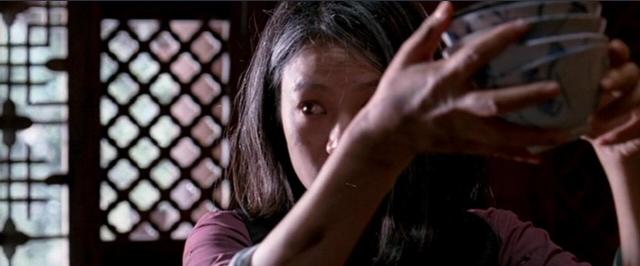
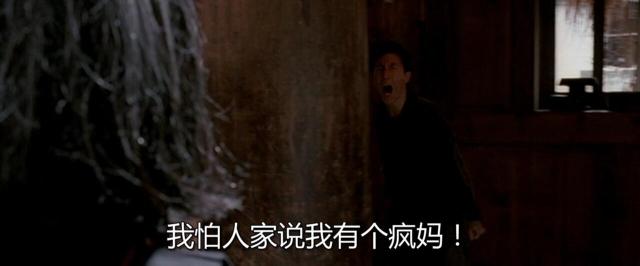
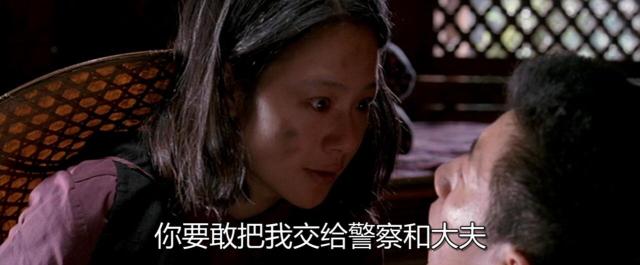
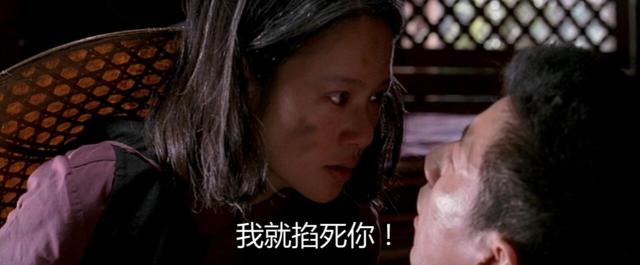
Maybe Crazy Mom herself was the one secretly reading the letters back then, and perhaps she even had bowl-smashing contests with Li Bukong. Li Bukong may even have said things like, ‘I’m afraid people will say I have a crazy wife.’ So when Crazy Mom hears her son say, ‘I’m afraid people will say I have a crazy mom,’ she suddenly freezes, grabs him by the neck, and says, ‘If you dare hand me over to the police and the doctor, I’ll strangle you.’ That sounds exactly like the way she once spoke to her husband. Was some of Li Bukong’s womanizing also caused by Crazy Mom’s mental problems?
6. Li Bukong’s Photograph
In the photograph of Li Bukong and Crazy Mom together, Crazy Mom has cut Li Bukong’s head out. She probably did it in a fit of anger after discovering his affair.

7. Three Braids
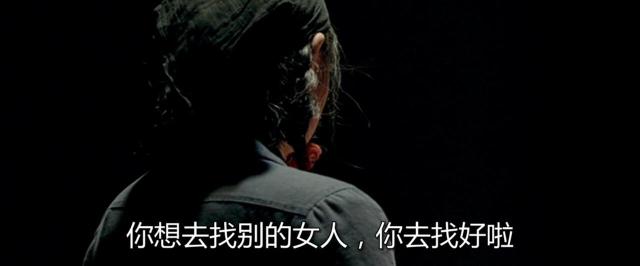
Among Li Bukong’s belongings are three braids in different colors. They were probably cut off by other girls and given to him.
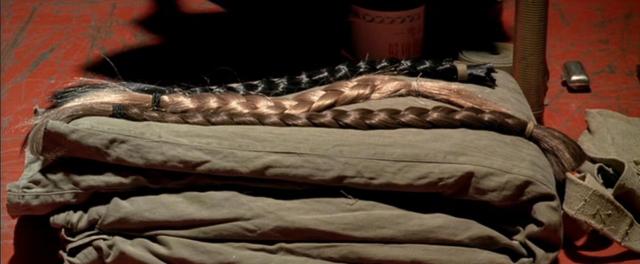
That’s why Crazy Mom says to Li Bukong’s belongings, ‘If you want to go find other women, then go ahead.’
8. ‘Bukong, from now on, your name is Alyosha.’
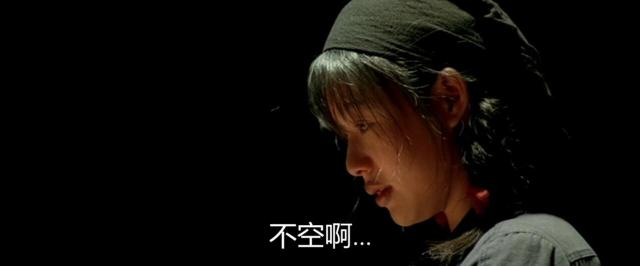
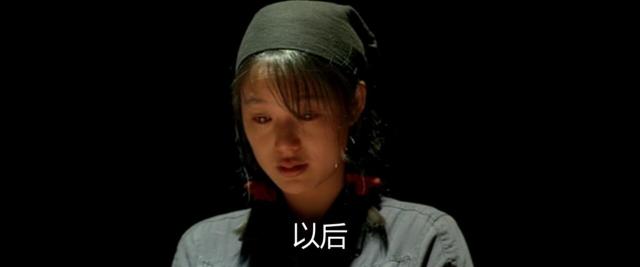
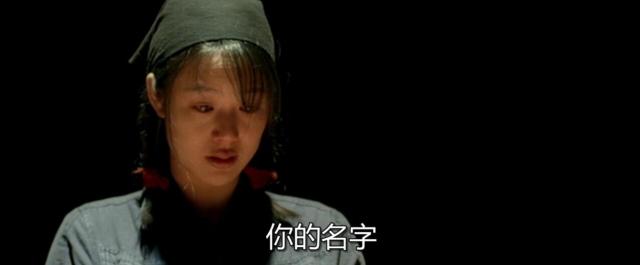
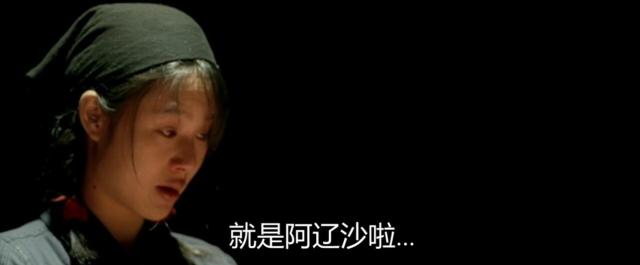
Since Alyosha was the name Li Bukong chose for writing love letters to a Soviet girl, why does Crazy Mom use that name to commemorate the dead Alyosha? I think it may be because Li Bukong didn’t love Crazy Mom, while Alyosha loved some other woman. Perhaps this is what Crazy Mom thinks: ‘Since you wanted to call yourself Alyosha in front of the woman you liked, I’ll call you Alyosha from now on. I hope I can become the woman you like again.’
As Li Bukong the ‘Alyosha,’ he is both the Li Bukong Crazy Mom loved and the Li Bukong she hated. He is both the Alyosha who flirted with Natasha in love letters and the Alyosha whom Crazy Mom obsesses over after his death.
9. Embroidered Shoes
One day, Crazy Mom dreams that a pair of embroidered shoes has been placed on a railway track covered with flowers. The film begins here. Crazy Mom had of course seen a similar scene before, except that what had been placed in the same spot was her son as a baby.
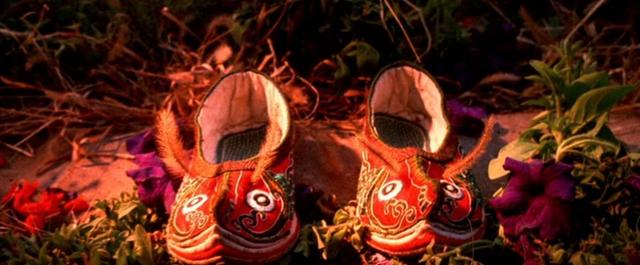
The symbolism of the embroidered shoes is actually very simple: they symbolize ‘woman.’
We can infer that after losing Li Bukong and giving birth to her son, Crazy Mom changed from a woman into a mother. The part of her that was a ‘woman’ and yearned for Alyosha had been repressed for 20 years. The change from ‘baby’ to ‘embroidered shoes’ signifies the reawakening of the woman inside middle-aged Crazy Mom. Her longing for Li Bukong suddenly burst out—and she went mad.
Crazy Mom’s descent into madness is really a process of spiritual communion with ‘Alyosha.’ By immersing herself in a mad mental world, she turns herself back into a woman worthy of being loved by ‘Alyosha.’
10. The Parrot
In traditional thinking, a woman’s allure is connected to her chastity. So the moment Crazy Mom hears the parrot say, ‘I know, I know,’ the embroidered shoes disappear. ‘I know, I know’ is what Crazy Mom heard when she lost her chastity. Losing her chastity means that Crazy Mom’s sense of her own feminine allure disappears once again.
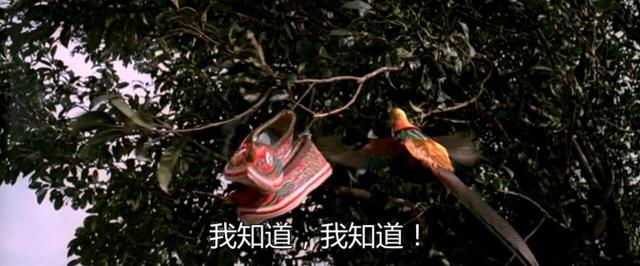
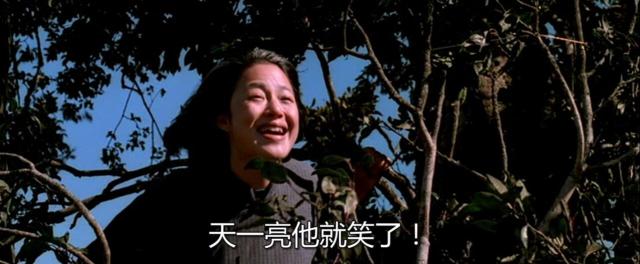
The parrot is, of course, something Mad Mom imagined for herself. When the parrot says, ‘I know, I know,’ those are the words Li Bukong said when he took Mad Mom’s virginity; you could even imagine them as Li Bukong’s catchphrase (including in bed). So the parrot is really a symbol of Li Bukong as a man. In Mad Mom’s eyes, the parrot is Li Bukong. That is why she climbs the tree after it, saying, ‘Alyosha, don’t be afraid. The train has stopped up there; when he smiles, the sky lights up.’
11. Drifting
Later, the embroidered shoe appears again. Mad Mom uses ‘madness’ to awaken her longing for Alyosha. Now, in her renewed sense of self, she once again exists as a woman who could be loved by Alyosha.
It is time to go out and see Alyosha.
Like Li Bukong, he leaves only his clothes behind, and his body can never be found. What exactly happened to Mad Mom’s body is not important. What matters is that she finally disappears in the same way Li Bukong did. She hopes to find her Alyosha this way, so that her soul can remain with the Alyosha she misses forever.
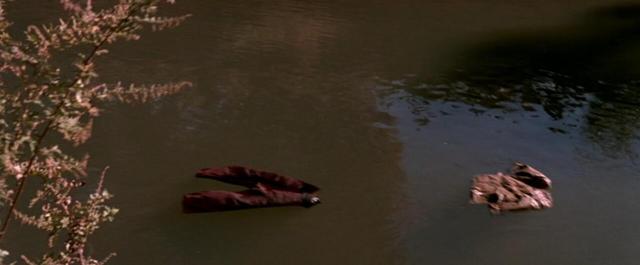
That is Mad Mom’s ending.
Act Two: Teacher Liang
Actually, the section featuring Tony Leung Ka-fai as Teacher Liang is not contained within Mad Mom’s story. Teacher Liang’s story is another beginning of the film. The film’s structure is really shaped like a ‘Y.’ The two upper branches are ‘Mad Mom’s story’ and ‘Teacher Liang’s story,’ two basically independent stories that separately give rise to the characters of ‘the Son’ and ‘Uncle Tang,’ before joining into the lower stem: ‘the Son and Uncle Tang’s story.’ Perhaps because Mad Mom’s section comes first and really is the film’s central thread throughout, many viewers instinctively feel that Teacher Liang’s story ought to fit within Mad Mom’s framework. That only makes the film harder to understand.
This part of the story is not obscure until just before Teacher Liang kills himself at the end. The problem is: why does Teacher Liang kill himself?
As everyone knows, the era depicted in the film was one in which sex was intensely repressed. Oddly enough, though, Teacher Liang seems to live in a utopia so overtly erotic that it feels surreal, with sensuality hanging in the air.
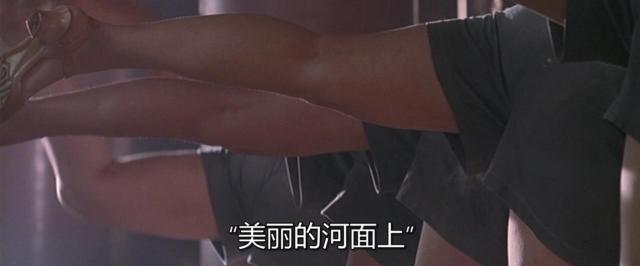
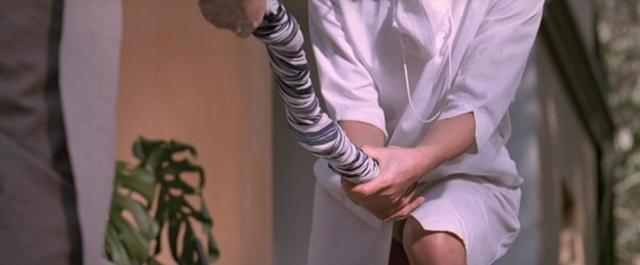
But what is the reality? He is no spring chicken, yet he still has to go to an open-air cinema to grope someone’s butt.
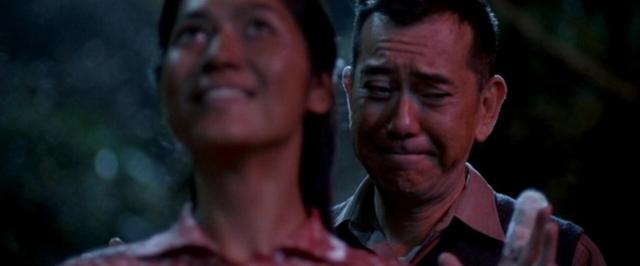
We can see how desperately Teacher Liang wants to grope someone’s butt whenever he feels like it. Of course, that is the only thing he wants. He does not want the kind of exchange of bodily commitment offered by Doctor Lin and the Superb Auntie.
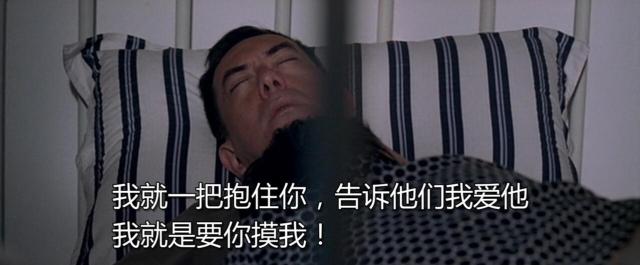
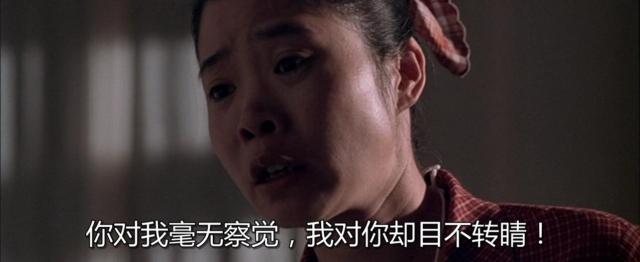
Put nobly, Teacher Liang wants freedom. Put plainly, he just wants to grope a butt, pure and simple.
The film’s fourth section, ‘The Dream,’ looks like nothing more than the beginning of Mad Mom’s story, but it is actually the beginning of the other two stories as well. Did anyone notice what the young Teacher Liang is doing at Teacher Tang’s wedding?
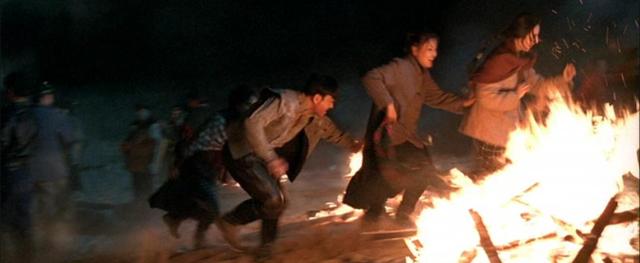
That’s right: groping someone’s butt whenever he feels like it!
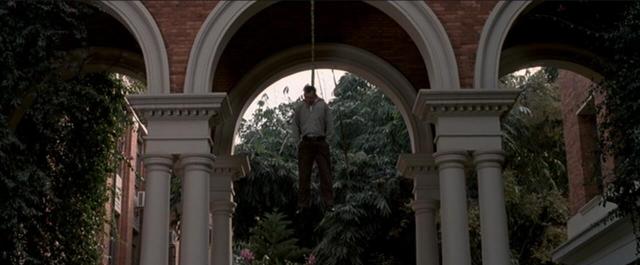
Did Teacher Liang really get disgusted to death by Doctor Lin and the Superb Auntie? Or did he kill himself in shame and fury after making a fool of himself? I think neither. Teacher Liang actually dies of the despair he feels when confronted with the enormous ‘contrast’ between two eras.
Act Three: The Son and Uncle Tang
After Teacher Liang kills himself because he cannot grope anyone’s butt, Teacher Tang is implicated and sent down to Mad Mom’s village.
After Mad Mom disappears, her son is lost. He can never figure out who his father really was. So he seizes every clue he can find to search for his father Alyosha, including having sex with Uncle Tang’s wife, a woman who seems to resemble his mother a little. That is why, during sex, the son says, ‘Just call me Alyosha.’
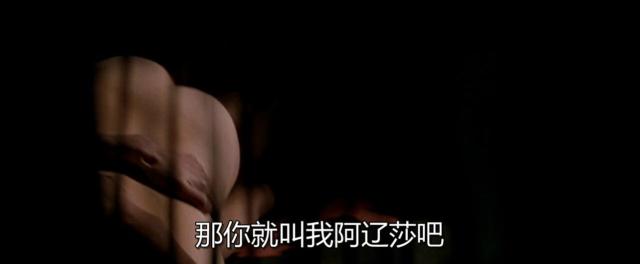
I do not think this is what some film reviews claim: that ‘the son is Alyosha.’ I think the son is simply hoping to experience his father through this method. Instead of looking for answers from the village chief or Uncle Li, he walks into the spiritual prop his mother created to remember his father—the white-stone house—and turns himself into his father.
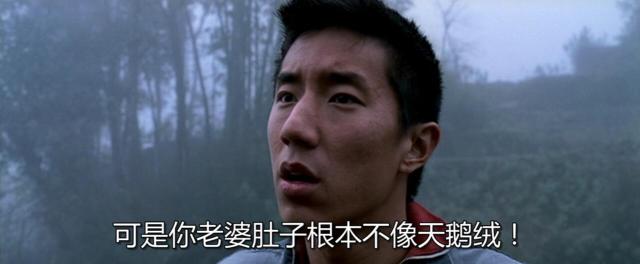
Why does Uncle Tang shoot the son only after hearing, ‘But your wife’s belly is nothing like velvet’? Because ‘Your belly feels like velvet’ was something Uncle Tang said when his relationship with Aunt Tang was at its most intense. Whatever the true origin of the line, it was certainly the lovers’ most tender declaration. ‘Your belly feels like velvet’ thus became a symbol of that powerful love. So to Uncle Tang, ‘But your wife’s belly is nothing like velvet’ sounds like saying: you never truly loved your wife at all. That is what enrages Uncle Tang most.
How the First Three Acts Connect
Taken together, the analysis above suggests that the first three acts share one simple feature: sex. Every major character in these acts is a victim of sex. Mad Mom is a victim of Li Bukong’s sexual promiscuity; Teacher Liang is a victim of sexual repression; Teacher Tang pays the price for his sexlessness; and the son pays the price for an immoral sexual relationship. The story of two victims of sex leads into the story of two new victims of sex.
So, does that mean the film’s theme is ‘lust brings a knife down over your head’? Not at all.
Act Four: The Dream
So what kind of theme is The Sun Also Rises trying to express, exactly?
I think the reason the film does not end with the son’s death, but ends with Act Four—‘The Dream’—is that the film’s theme is hidden in this section. Perhaps Jiang Wen is not just being deliberately mysterious by scrambling the order of the story. This treatment is very similar to another film I love, Eternal Sunshine of the Spotless Mind.
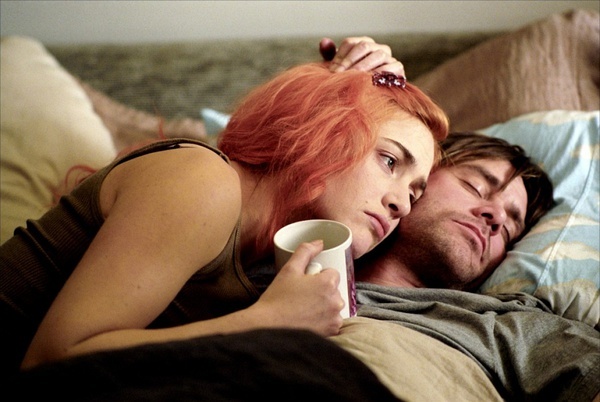
Eternal Sunshine of the Spotless Mind also uses a reverse chronology: it begins with the lovers’ breakup, the end of their relationship, and ends at the origin of their love. Its theme is: ‘Whatever happened later, the love we once had was so beautiful.’ Perhaps The Sun Also Rises means the same thing with its fourth act.
All three earlier stories begin in this dream, steeped in a magical atmosphere.
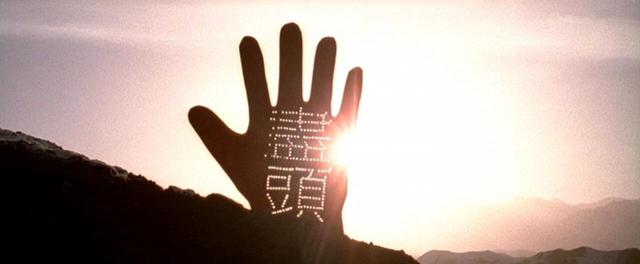
Here, Li Bukong changes from an unfaithful husband into Alyosha, the beloved Mad Mom will remember forever;
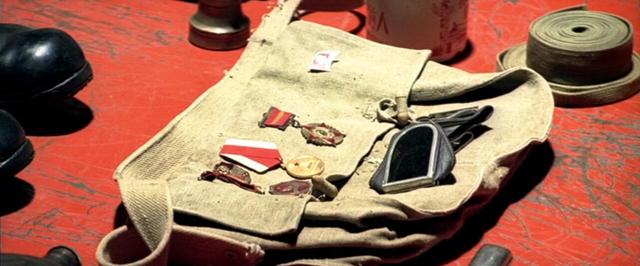
Mad Mom changes from a betrayed woman into a mother newly filled with hope for the future;
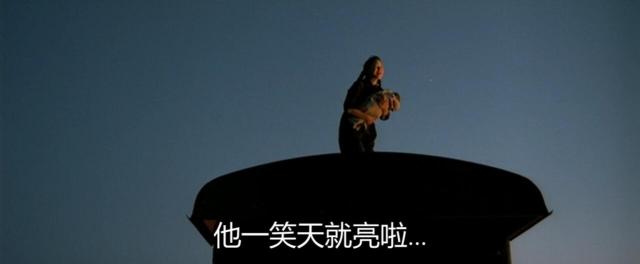
the son changes from a burden on his marriage into a symbol of hope and miracles;
Teacher Tang’s love reaches its climax here;
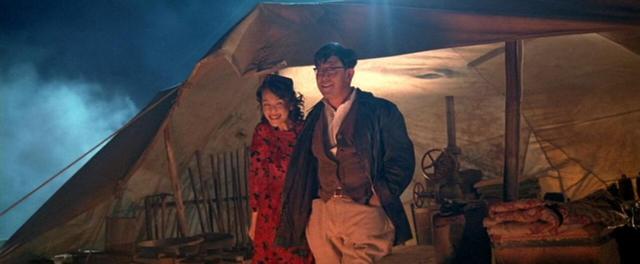
and Teacher Liang was once this free and uninhibited here.
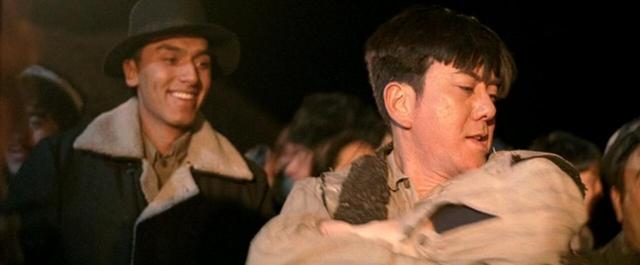
So who cares what happens in the end? We once loved like this, once lived with this much hope, once enjoyed this kind of freedom.
As long as we remember a beginning like this, the sun will rise as usual.
Epilogue
So far, The Sun Also Rises ranks near the bottom of all Jiang Wen’s directorial works. But as you can see, I love it dearly. I think that 10 years from now, we will of course still remember bringing up In the Heat of the Sun again and again; perhaps 30 years from now, more people will remember Devils on the Doorstep; and 50 years from now, people will remember The Sun Also Rises.
Version history
This article was revised from ‘The Sun Also Rises: An Incredible Film 50 Years from Now,’ which I wrote early in my career. Earlier version:
- The Sun Also Rises: An Incredible Film 50 Years from Now: http://content.mtime.com/review/649329
Leave a Reply