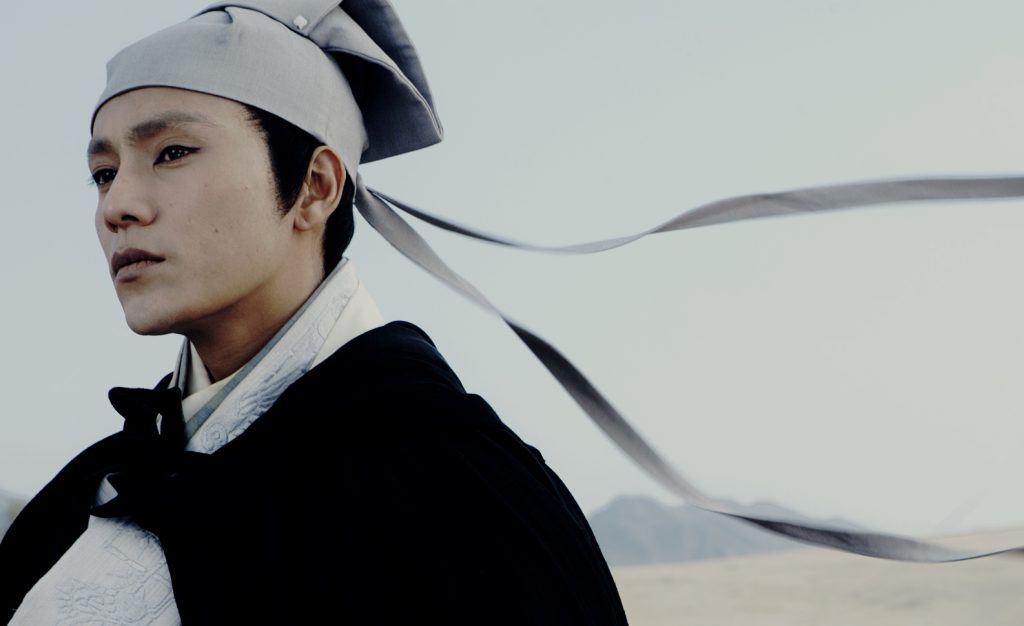
1. Weapons
Flying Swords of Dragon Gate: half a good movie. The first half is passable; the second half falls apart.
As for exactly where it falls apart, there seem to be two main theories. The first says it happens during the tornado battle—“If you’ve got the guts, come into the tornado and settle this with me” is probably the dumbest taunt ever. The second says it happens in the chaotic gold-hauling sequence in the ancient Western Xia city: you two, master and servant, team up and kill everyone first, but in the end, won’t the amount you can carry out still be limited to what Fenglidao and the others can carry?
But I don’t know whether anyone has noticed the small detail between these two points: a treasured saber that can slice through iron like mud. Before the ancient Western Xia city awakens, Yuhuatian has already shown every sign of losing. It’s only when he accidentally picks up this saber that he suddenly recovers the bearing of a true master.
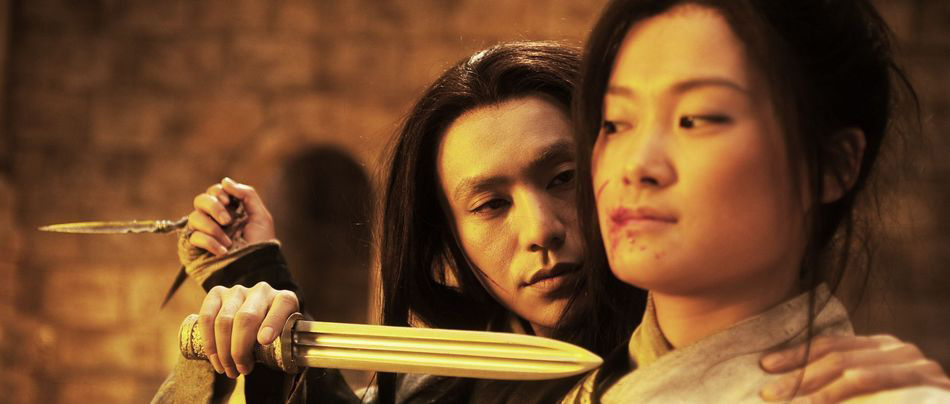
To me, compared with the previous two points, this moment is the more fatal collapse, because the aura of the “master” collapses right here—Yuhuatian is arguably the movie’s number-one master, but is someone who needs an unmatched weapon to back him up really a master?
I remember that Professor Kong Qingdong, before he lost his mind, once gave a remarkably apt analysis of weapons in Jin Yong’s wuxia novels (I forget whether the idea was originally his). The gist was that the more second-rate a master is in Jin Yong’s novels, the more he relies on exaggerated weapons, such as Yue Laosan’s alligator-mouth scissors; the truly great masters, by contrast, use the simplest weapons. The real masters in the novels need nothing more than the most ordinary sword—or just their palms. Yang Guo and Dugu Qiubai used the Heavy Iron Sword only when they were young; in old age, they used no weapon at all.
So what tier of master does Yuhuatian belong to?
Yuhuatian is deeply split. Right from his opening appearance, he absolutely has the air of an unmatched master. Those moves of his, shattering everything in sight, are basically Dugu Qiubai’s state of “not being bound by objects—grass, wood, bamboo, or stone can all be a sword.”
I originally thought that a master of this level should be like Dongfang Bubai: even with nothing in his hands, he could calmly flick his sleeve, turn his opponent into a blob of meat, and at most need to add a few embroidery needles.
But the fact is, the weapon Yuhuatian uses is extremely—well—fancy!
The sword Yuhuatian uses in combat is called the Three-Pronged Sword. It looks like a regular longsword, but the two short swords set into its blade can fly out and be used as hidden weapons. There’s nothing undignified about an unmatched master using hidden weapons; Li Xunhuan uses them too. The problem is that he uses a hidden weapon as an open weapon: before the fight even starts, he makes it perfectly clear that he’s going to throw a blade at you, fair and square. Yuhuatian, however, strikes a pose as if he’s using a longsword, then suddenly shoots out two flying blades halfway through the fight. That’s a barefaced sneak attack. It’s undignified. Sneaking up on people with fancy, bizarre weapons should not be the signature of the number-one master in a story.
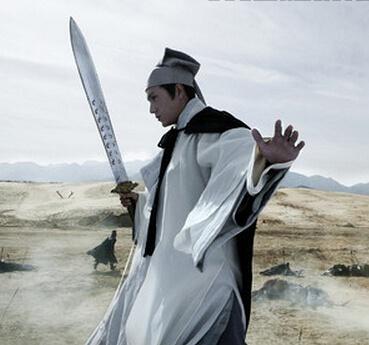
Someone might object: what’s wrong with an unmatched master using a fancy weapon? Take Xu Ke’s own work Seven Swords. The seven swords in that movie are even flashier than this. Do you really find Chu Zhaonan and Fenghuo Liancheng undignified?
Of course not. But I don’t think Seven Swords and Flying Swords of Dragon Gate can be compared directly.
Because in Seven Swords, a film that strives for realism in so many respects, those seven swords are precisely the least realistic part. Apart from being practical weapons, they are more importantly symbols of their wielders’ personalities and metaphors for their fates—something the film makes perfectly clear. The swords’ flashiness therefore lies less in their use in combat than in the variety of personalities and colorful fates they symbolize. In fact, when Chu Zhaonan and Fenghuo Liancheng, the two unmatched masters, duel, the swords in their hands are used almost exactly like ordinary longswords. On the level of actual combat, the swords of unmatched masters are as plain as can be.
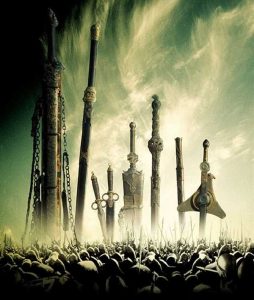
In Flying Swords of Dragon Gate, by contrast, the fancy weapons seem to have a little to do with personality and fate, but not much. For example, Chun Ge uses both darts and a broadsword—is that meant to show the two sides of her personality? I can’t see it. To me, she’s simply using whichever weapon happens to work better. The weapons’ fanciness mainly serves the combat. Xun Ge’s reverse-grip sword and Chun Ge’s chain of darts greatly enhance the spectacle of the fight scenes, but when even the unmatched masters in the film need fancy weapons to defeat their enemies, it makes their martial-arts level look rather cheap.
You could perhaps say: I’m smart, and only I could come up with such an insanely awesome weapon. That’s part of my strength. In the real world, fair enough. But in the wuxia world, that basically counts as cheating.
So the martial-arts level Yuhuatian displays when he first appears is profoundly split from his performance in actual combat. And when he picks up the saber that can cut through iron in the Western Xia imperial city, things take an even steeper turn. The more timid you are inside, the more you bare your teeth outside. Lesser fighters rely on magic weapons; masters rely only on their bodies. Needing a magic weapon to pump yourself up before you can act all badass is truly spineless—even if, to be fair, he really is “spineless.”
So if the master who uses alligator-mouth scissors and the master who uses his palms are both the best in the world, and they fight to a draw, is one actually superior to the other?
No.
Where exactly is the palm-user’s superiority over the alligator-scissors user?
They’re equally formidable.
But the palm-user is safer. The alligator-scissors user has exactly one weapon in the world that feels right in his hand. Once it breaks, you’re finished. The sword-user’s weapon breaks? Grab another one and carry on. The palm-user’s weapon grows right on his body. You can leave home forgetting your sword; you can leave without bringing enough darts; but you won’t leave home forgetting your hands.
If martial-arts level is a “system,” then going from alligator-mouth scissors to palms is a process of steadily increasing robustness. The fancier the weapon, the harsher the conditions required for your martial-arts level to operate perfectly. The less you are bound by objects, the more you can perform at your highest level in every time and place.
I think wuxia novels are, to a great extent, the fantasies of scholars who couldn’t even truss a chicken, imagining a way to protect themselves. So the more robust that protective ability is, the safer they feel.
So it isn’t that the more ordinary the weapon, the more powerful it is. It’s that the more ordinary the weapon, the more it provides all-weather defensive ability—and therefore, the safer you are.
That’s why not only do the greater masters tend to use their palms; they’re also more likely to acquire even stronger defensive abilities through various twists of fate, such as immunity to every poison. In Dragon Babu, for example, the passage where Duan Yu gains immunity to poison is remarkably close to science fiction, and does nothing much for the plot afterward. I feel Jin Yong simply couldn’t resist adding it, so that his lovable male protagonist would henceforth possess an even stronger ability to protect himself. (I’ve always thought Jin Yong was a man with a profound sense of insecurity. You can see traces of the anxiety that doesn’t quite fit his status in the jianghu in his revisions and his arguments with younger writers.)
The more all-weather defensive ability the masters in an author’s writing possess, the more easily certain insecurities in the author’s mind can be suppressed through this kind of wish-fulfillment fantasy.
A perfect master may be nothing more than a wish-fulfillment fantasy.
(For a broader discussion of this idea, you can also read the chapter “Fate: Is Your Destiny in Your Own Hands?” in my book The Alluring Illusion: Psychological Secrets in Film.)
2. Turning the Tables
Back to Yuhuatian. However undignified he may be, Yuhuatian is still the number-one master in Flying Swords of Dragon Gate. As in most wuxia films, the strongest fighter in this story isn’t the male lead but the villainous foil. So unless the story goes all the way dark and lets the bad guy kill every good guy in the end, it inevitably has to face the question of how the heroes can turn the tables on the villain in the final showdown.
“Turning the tables” is a huge problem.
Because the villain is usually not only superior in martial arts but also overwhelmingly advantaged in resources. You can’t beat him in a fight; he may not even have to lift a finger before summoning enough cannon-fodder underlings to wear you down in waves.
So the male lead has to reverse not only the resource disadvantage but also the martial-arts disadvantage. In real life, the odds of succeeding under these circumstances are basically zero. A reversal that feels both convincing and reasonable is one of wuxia screenwriters’ great challenges.
Let’s compare how the male leads turn around these two disadvantages in the three versions of the Dragon Gate story: Flying Swords of Dragon Gate, New Dragon Gate Inn, and King Hu’s Dragon Inn.
Reversing the resource disadvantage:
First, Flying Swords of Dragon Gate. Viewed from the angle above, the stretch from Fenglidao’s entrance to the desert melee is really a process of the heroes reversing their resource disadvantage. Yuhuatian’s scheme to impersonate Fenglidao—which ultimately fails completely—and the password “Flying Swords of Dragon Gate, then you’ll know true from false” are both spectacularly stupid moves that harm no one but their own side while helping the enemy. In the end, the heroes use these stupid moves to set a trap that makes the Second Chief Eunuch and Yuhuatian’s troops slaughter one another. That friendly fire wipes out at least most of the lackeys who could have swarmed the heroes, leaving the two sides roughly evenly matched in numbers. Yuhuatian’s resource advantage—the advantage in manpower—is reversed, or at least neutralized, by this plot development.
In New Dragon Gate Inn, Cao Shaoqin has already surrounded Dragon Gate Inn with a large army and enjoys every possible resource advantage. Zhou Huaian and the others escape through a secret passage to a position behind the army, only to have their trail exposed by a sash drifting away on the wind. Cao Shaoqin’s reaction deserves a close look. The moment he realizes “there’s someone behind us,” he leaps onto his horse and pursues them personally, followed by only a dozen or so Black Cavalry archers, while the rest of the army continues surrounding Dragon Gate Inn. Clearly, those dozen or so riders are something like Cao Shaoqin’s personal guard, following him automatically without needing an order. The rest of the Black Cavalry archers, on the other hand, obviously are not allowed to act without orders. This directly reverses the resource balance between the two sides: Jin Xiangyu’s willow-leaf sabers promptly wipe out the dozen or so cavalrymen, leaving the heroes surrounding Cao Shaoqin.
Cao Shaoqin’s resource advantage is something he gives up himself. He doesn’t order more troops to follow him. Judging from how decisively he personally gives chase the moment he notices “someone behind us,” he is quite confident that the people behind him are Zhou Huaian and the others. And yet, under these circumstances, he gives up calling in more troops to encircle his opponents. That is the absolute confidence of an unmatched master: “Heaven and earth are vast, but I’m the biggest.” Even if he abandons every resource advantage in his hands, even if he puts himself in danger, he is absolutely certain he can destroy his opponents.
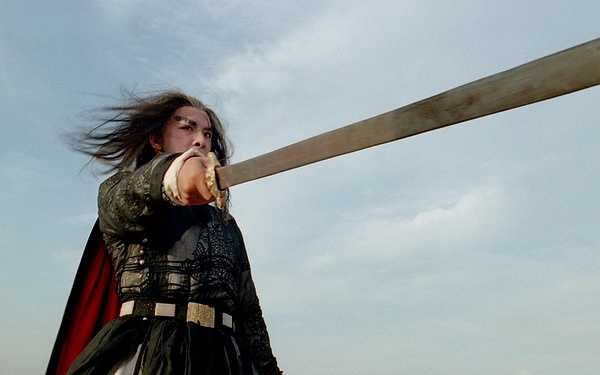
Cao Shaoqin in King Hu’s version of Dragon Inn is even more audacious! If Cao Shaoqin in New Dragon Gate Inn can be said to have made a slight decision-making mistake under pressure, then before the final showdown in Dragon Inn, the Eastern Depot had already put Xiao Shaozi and the others in a checkmate. Cao Shaoqin in Dragon Inn voluntarily gives up every resource advantage while he already has Xiao Shaozi and the others at his mercy, and is perfectly willing to face a group assault from the good guys by himself. The good guys rely on numbers with their hands and feet, and on their mouths they rely entirely on personal attacks involving reproductive organs.
By comparison, apart from the unfortunate fact that he is a bad guy, this version of Cao Shaoqin seems more honorable than the good guys in every respect. He is not only vastly superior to them in martial arts and resources; in certain aspects of moral cultivation, he beats them hands down too.
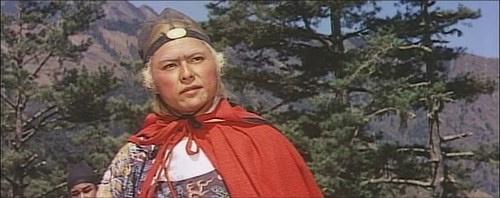
This seems to be the moral dilemma in most martial-arts stories of this kind: on the one hand, the righteous are always high-minded; on the other, they are always ganging up on their opponents. Pretty split personality.
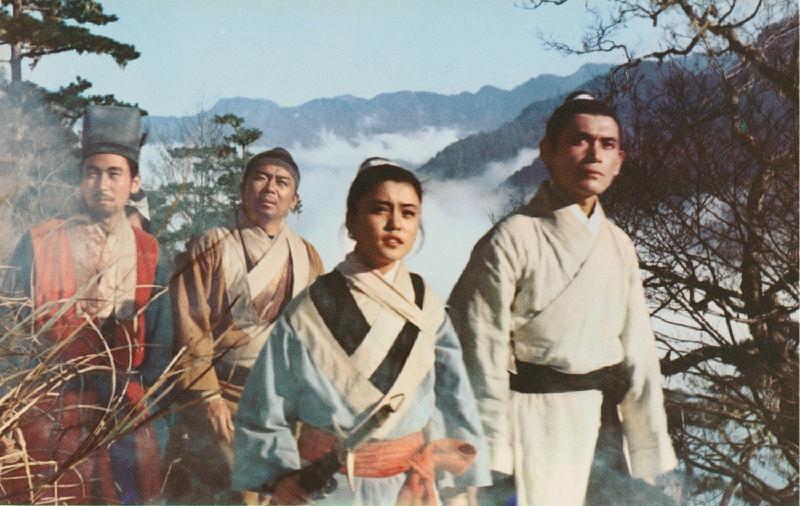
Now let’s look at the reversal of a martial-arts disadvantage:
In Hu Jinquan’s Dragon Inn, Cao Shaoqin’s martial arts are simply too good. Even against a pack of mad-dog righteous fighters, he should have been absolutely certain of victory. But Cao Shaoqin, the number-one fighter in the world, has asthma. And so the first model for reversing a martial-arts disadvantage makes its entrance: the master fighter has a medical condition.
Cao Shaoqin in Hu Jinquan’s Dragon Inn is also a split master fighter. When he is in good shape, he is the best under heaven; when his illness flares up, he can only wait to die. Strictly speaking, there is no reversal here. The peerless master has simply suddenly become weaker. The split master fighter dies of his own split personality.
Because the opponent suddenly becomes less formidable, this kind of reversal carries little weight, even though it makes perfect sense within the plot.
But precisely because it makes perfect sense within the plot, this move is completely risk-free. A master fighter may be incredibly badass, but he is bound to have a weak spot. An Iron Shirt practitioner may be impervious to swords and guns, but a squeeze of the balls will certainly break through it. From Eagle Claw Iron Shirt to The Deer and the Cauldron to Forbidden City Cop, it is always the same.
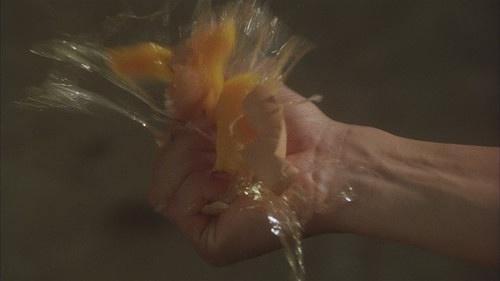
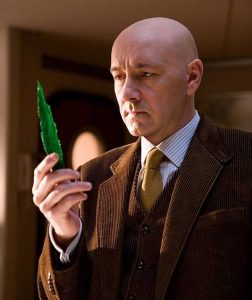
More interesting is the “reverse reversal.” In most Superman stories, Superman is the story’s number-one master fighter, and by a huge margin. If Superman had no weak spot, how could bald Luthor—a completely ordinary human—possibly play against him? To give his opponent a fighting chance, Superman has to get his balls squeezed in practically every episode: either a rock from Krypton smashes him, or a knife from Krypton stabs him.
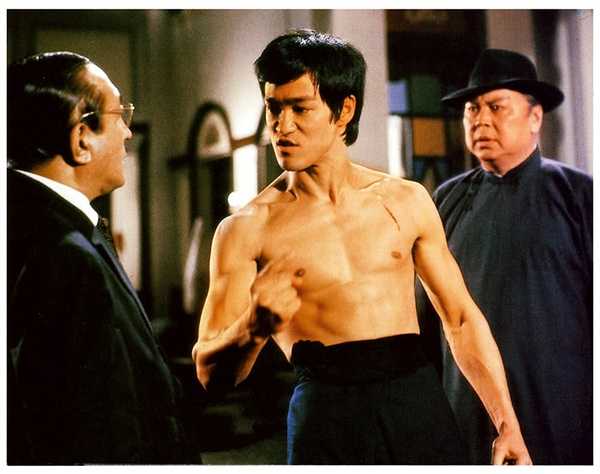
Take Bruce Lee, for example. Bruce Lee is too strong. You do not merely have to worry about him losing; you do not even need to care how he wins. His opponents are basically there to get beaten up. The only difference in strength is how long they can hold out. Even a BOSS-level villainous master fighter can do little more than land a few hits on Bruce Lee before the concentrated beating begins. But in a hero story, removing the reversal also means losing the dramatic tension that grips the audience most firmly. If you are guaranteed to win, how much is left to watch?
Jet Li’s Once Upon a Time in China is much better. Wong Fei-hung is also a hero who does not need a reversal, but he is not quite so overpowering. In a hero story that does not need reversals, a villainous BOSS who comes infinitely close to the hero is crucial. Opponents such as Yanzhendong and Lan Yuantan, almost Wong Fei-hung’s equals, somehow create the illusion of suspense before an ending that was originally free of suspense. Wong Fei-hung will definitely win, but you want to see how he wins.
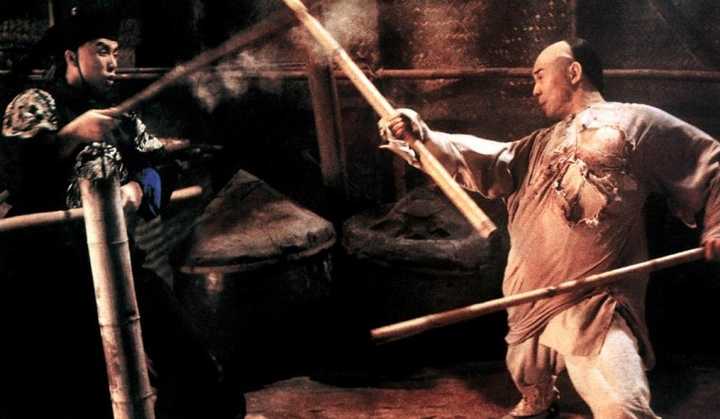
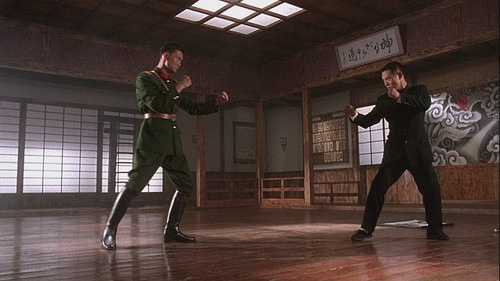
The biggest improvement in Jet Li’s Fist of Legend over Bruce Lee’s Fist of Fury lies here. With Fujita Tsuyoshi, whose strength comes infinitely close to Chen Zhen’s, every round of the final battle becomes worth watching, greatly heightening the dramatic tension. That tension comes not only from the excellent action choreography, but more importantly from the premise that the two sides are evenly matched. By comparison, Donnie Yen’s Legend of the Fist: The Return of Chen Zhen, with its huge reversal achieved through a cosmic burst of energy and a Seiya-style rampage, is a major step backward.
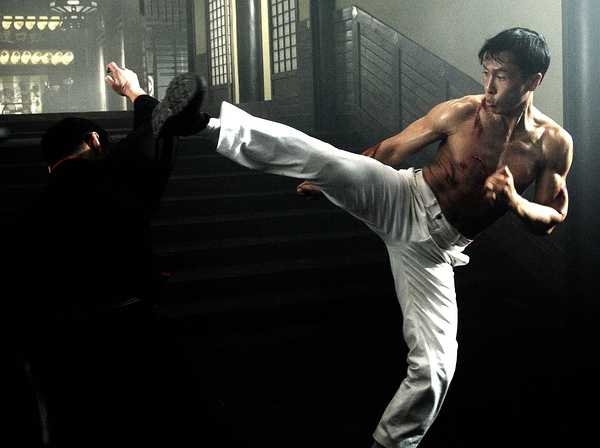
Back to the Dragon Gate series. Of the three Dragon Gate films, the most interesting reversal of martial-arts strength appears in New Dragon Gate Inn. The reversal in New Dragon Gate Inn is carried out by the meat-cutting Tartar, Diao Buyu. Before he descends from the heavens like a savior—actually, he burrows up from underground—he is a minor supporting character with barely a few lines. Although every appearance leaves a strong impression, not only does the audience never truly notice his importance; even the righteous and evil factions who have met him know he is a master fighter, yet have never taken him seriously.
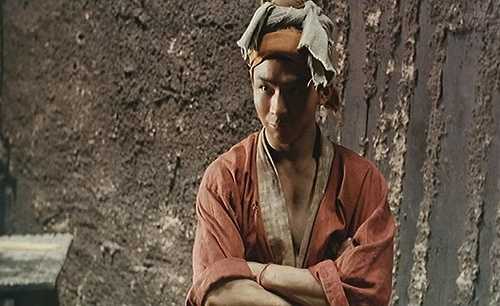
New Dragon Gate Inn is Tsui Hark’s version of Suddenly. Only this deliberate belittling and neglect can make the final fatal reversal so unexpected and breathtaking.
In this respect, New Dragon Gate Inn feels a lot like an Ellery Queen mystery. All the clues have been placed right in front of you, and you look straight past them. Only when the mystery is solved do you sigh, “I saw all those clues ages ago—so why did it never occur to me to connect them?”
In this story, the Tartar Diao Buyu is a hidden master fighter. If you add him to the equation, the difference between the advantages and disadvantages of the two sides may not exist at all. The hidden master fighter creates a fictional weakness. In reality, the two sides are evenly matched, and the righteous side may even have the advantage; the weakness is merely an illusion. “The hidden master fighter” is another model of reversal, although strictly speaking, there is no reversal.
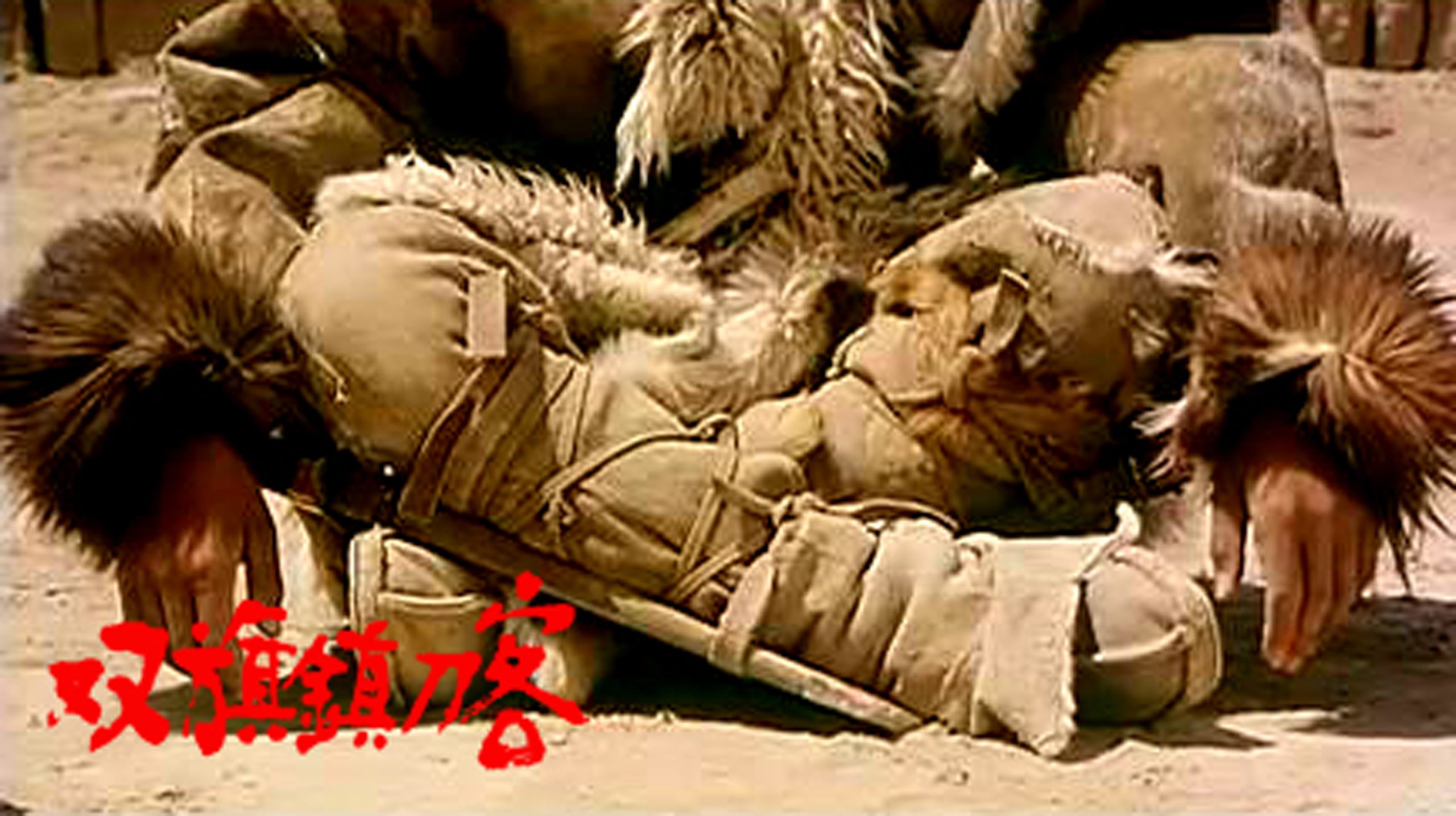
The most interesting use of “the hidden master fighter” appears in The Blade of the Twin Flags. The boy Haige is actually like Bruce Lee and Wong Fei-hung: from beginning to end, he is the story’s number-one master fighter. But before Haige swings that one blade, nobody knows it. And so all the drama unfolds inside this “fictional weakness.”
Now let’s return to Flying Swords of Dragon Gate. In the Western Xia imperial city, Yu Huatian says with swagger, “It’s a pity that none of you is my match.” He makes it sound as if all of them together still could not beat him. Yet in the end, Zhao Huaian, already wounded, and Ling Yanqiu, seriously wounded, join forces to take him down.
The reason for the reversal is never properly explained. Just before Zhao and Ling suddenly reverse the situation, Yu Huatian has stabbed Zhao Huaian. Then Zhao Huaian, possessed by Wong Fei-hung and using a shadowless kick, reverses the situation. It is simply not convincing. Either Yu Huatian was bluffing and was not really far stronger than Zhao Huaian and the others, or Zhao Huaian and Ling Yanqiu’s concern for each other’s safety caused a cosmic burst of energy. Either way, it is a rushed design with very little dramatic force.
The screenwriter spent so much effort reversing the good guys’ resource disadvantage, yet hand-waved this point. To me, this is one of Flying Swords of Dragon Gate’s most regrettable plot problems. Most martial-arts stories I have seen have at least some gimmick for reversing a martial-arts disadvantage, but lack a convincing way to reverse a resource advantage. Flying Swords of Dragon Gate does exactly the opposite: it fills someone else’s gap, then fails to bring its own story home. What a shame. Still, for most viewers, this tiny bug probably seems insignificant amid the chaotic final half-hour.
Before the final battle, Zhao Huaian has already reversed a large part of his martial-arts disadvantage. The method is simply to upgrade his weapon. All Zhao Huaian does is add an iron chain, and the gap in fighting power between him and Yu Huatian shrinks dramatically. Of course, this move works only because of the major split mentioned earlier between Yu Huatian’s image of being unattached to objects and his practical reliance on a divine weapon. I will not repeat that here. This can, however, be classified as the second model of reversal: “training and leveling up.”
The hero’s training and leveling up is probably the most common model of reversal in martial-arts stories. Most martial-arts novels are, at bottom, coming-of-age stories about the male protagonist.
Growth usually means training, and training usually depends on a lucky encounter. Few stories have someone practice martial arts one move at a time like The 36th Chamber of Shaolin, or level up by fighting monsters like The Legend of the Twin Dragons. A lot more protagonists fall off cliffs and find a secret manual.
The absurd plot device in which you fall off a cliff, survive, and still find a secret martial-arts manual is forgivable once. But when it seems that every male protagonist in every martial-arts novel has this kind of rotten luck, it inevitably starts to feel contrived. Still, I think the real reason it feels contrived is not the device itself, but the fact that it is always used within the same kind of impressionistic backdrop.
Martial-arts stories are usually impressionistic rather than realistic. Absurdity in an impressionistic story is merely clumsy coincidence; absurdity in real life is fate!
And so, once absurdity is used in a realistic setting, it blooms with a completely different brilliance.
Take Tsui Hark’s The Blade. The same absurd device of falling off a cliff and finding a secret manual is set against a realistic jianghu and brutal slaughter. And so half a life, half a body, half a sabre manual, and a broken sabre with only half its blade left are no longer coincidences, but destiny!
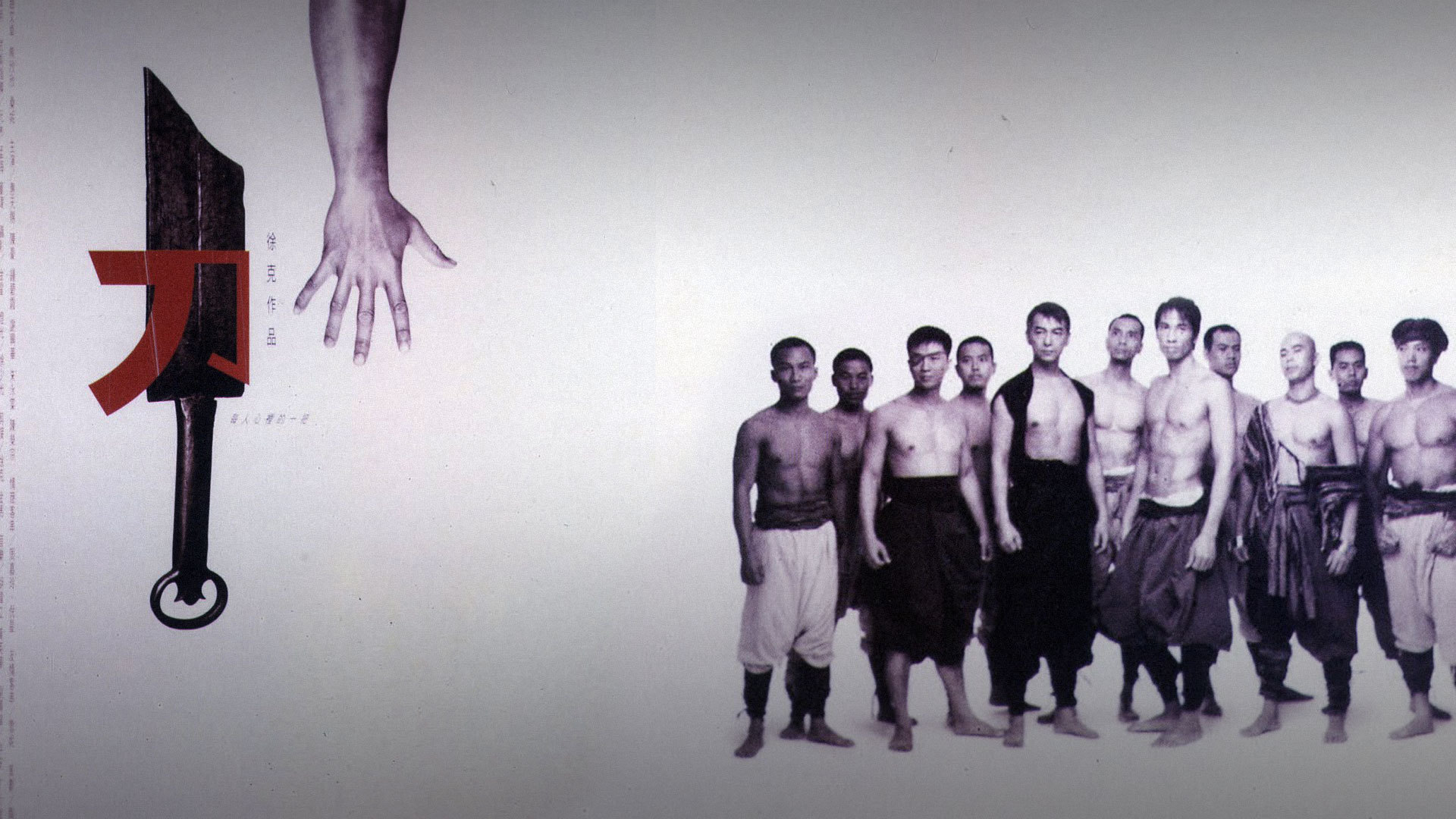
Coincidence turns into fate. In my view, this is Tsui Hark’s most badass act of turning the rotten into magic.
Besides training, leveling up can of course also come through sudden enlightenment. Sudden enlightenment comes from having a feeling; having a feeling comes from having experiences. The conditions needed for enlightenment have long been contained in the hero’s experiences. When the right opportunity arrives, everything suddenly connects and the hero attains complete understanding. That is what happens when Yuki realizes Lu Zhu’s four moves in Reign of Assassins, and with the “melancholy ecstasy rice” in The God of Cookery. They look like destiny at work, but in fact they are the natural culmination of everything that came before.
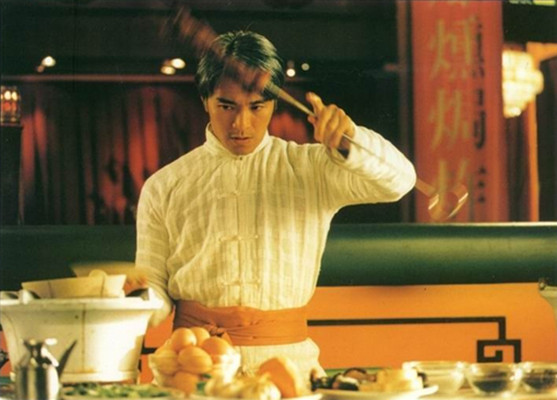
Villains have their own destiny too.
In Eight Great Kings, the story from Tsui Hark’s Wong Fei-hung series continued by Li Rengang, Wong Fei-hung actually needs a reversal. The story’s Jinghua Monk is the only opponent in the series whose martial arts surpass Wong Fei-hung’s. In the end, Jinghua accidentally strikes a bell and breaks his own kung fu, allowing the reversal. Jinghua is driven out to the sound of the bells at Shaolin Temple, and finally meets his end amid the same sound. Reconciling with what those bells symbolize is precisely the liberation he most desperately longs for. It looks like coincidence, but it is actually destiny. The inevitable is hidden inside the accidental.
In Tsui Hark’s Swordsman II, Invincible Asia, moved by his old feelings for Linghu Chong, shows mercy and suffers a total defeat. This is a reversal caused by emotion. In Gu Long’s The First Swordsman of the Storm, Shangguan Jinhong has far too many chances to win, yet he still waits for Li Xunhuan to make that one stroke, gambling on whether he can catch a blade that never misses. The defeat was hidden in his character from the beginning.
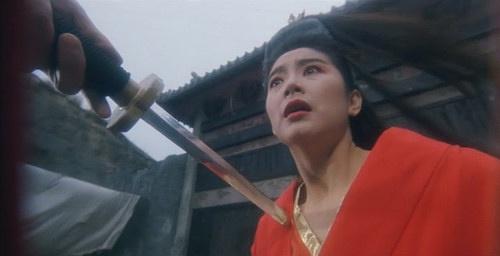
I prefer this kind of destiny that comes from within: character, experience, and emotion determine fate. It does not come crashing down from the heavens, yet there is no escaping it.
3. Impossible Reversals
Once a master fighter is perfect, no reversal can be completed. And so in far too many stories I have seen, those villainous master fighters are deliberately split in two. On the one hand, they look unbeatable; on the other, they are either laughably fragile or full of holes.
In Terminator 2: Judgment Day, T-800 originally has no chance at all—as long as T-1000 uses a weapon with the same firepower as his.
But for some reason, the T-1000 uses almost nothing but relatively weak small arms from beginning to end. Take the moment they first run into each other: if the T-1000 had been carrying a rifle like the T-800 instead of a pistol, the T-800 wouldn’t have stood a chance. And please don’t tell me the T-1000 couldn’t get its hands on heavier weapons. With its ability to shapeshift at will, acquiring heavy weapons would have been much easier for it than for the T-800. It could even have strapped on a load of high explosives and detonated them when John Connor was within fifty meters—the mission would have been over. Opportunities like that are everywhere in the film. But strangely, the T-1000 is always considerate enough to use a little pistol that feels like a tickle when it hits the T-800, then go into hand-to-hand combat the moment the bullets run out.
This robotic master is seriously divided.
In Battle: Los Angeles, the aliens have the ability to travel across n galaxies to reach Earth, yet they use the same tactics as the U.S. military and get thoroughly trounced; in Independence Day, aliens with that same ability to travel across n galaxies to Earth somehow have no firewall; in War of the Worlds, the Martians spend n eras plotting an invasion of Earth and somehow fail to factor in Earth’s bacteria.
The alien masters are seriously divided too!
All these reversals by the Earthlings are complete nonsense. If an alien civilization has the technology to cross n light-years to reach Earth, then the gap between Earth’s technology and theirs is the gap between an ant and a human. If these aliens also mean us harm, humanity has no chance of a reversal whatsoever. Maybe you’ll say that even if there’s a gap, accidents happen—sometimes a bunch of ants can beat a human. Sorry, I’m talking about the difference between one ant and all of humanity! Humanity has no chance of a reversal.
So if an alien civilization with the technology to cross n light-years to reach Earth wants to fight humanity, humanity is absolutely doomed!
Unless—the alien civilization needs something from Earth. Humanity could use that to play the mutual-destruction card against the aliens, leaving both sides ruined. That is the only possible reversal.
So what could an alien civilization need from Earth? Water, as in Battle: Los Angeles and Independence Day? Or labor, as in Transformers: Dark of the Moon?
A civilization capable of traveling across n galaxies to reach Earth would actually covet Earth’s water? What a load of nonsense!
If an alien civilization can travel across n galaxies to reach Earth, its technology is so advanced that humans cannot imagine it. It must be using the laws of physics with an efficiency many times greater than Earth’s. Want water? The most conservative guess is that it might only need to bask in sunlight, convert mass and energy, and manufacture any chemical elements and compounds it wants from scratch. That’s what you call turning a little sunshine into a whole lot of brilliance!
There is no chance of reversing the situation against a godlike civilization like that. So the only possible reversal for Earth can occur under the following conditions:
This alien civilization, which wants to conquer Earth because it needs something from Earth, cannot be too far away. The n in n galaxies must be in the single or low double digits. In other words, although it can make the journey to Earth, the distance is really only a short hop. Its technology is still far beyond Earth’s, but perhaps within the range of human imagination. And precisely because its technology is still limited, it needs something from Earth in one particular respect. It lacks what Earth has.
In other words, the alien master humanity encounters has to be a not-too-great master. Only then does humanity have even the tiniest chance of a reversal.
Friends familiar with Cixin Liu’s novels probably know what I’m about to say.
That’s right: the great Three-Body series.
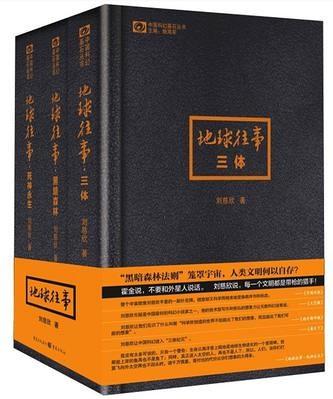
If you look at the creative thinking behind The Three-Body Problem from the perspective of reversal, you will see how painstakingly Cixin Liu makes the story’s reversal seem reasonable.
All the characteristics of the Trisolarans, along with the cosmic vision of the entire Three-Body series, add up to make precisely the only possible reversal scenario described above possible:
The Trisolaran system is not far from Earth;
its civilization is terrifyingly advanced, but still far from godlike;
it needs the solar system’s entire living environment;
because of the dark-forest universe, humanity can exploit that fact to create a terrifying balance of power with the Trisolarans by playing the mutual-destruction card.
Cixin Liu pays more attention to the logical plausibility of reversals than any science-fiction creator I’ve ever seen. The entire process of setting up the background for the Three-Body series may well have been a process of making an impossible reversal possible!
Making the impossible possible—is Cixin Liu the perfect master after all?
4. The Perfect Master
But Cixin Liu is divided too.
Cixin Liu’s divided nature makes the Trisolaran civilization divided as well. On the one hand, its physical technology is so powerful that it looks practically divine to Earthlings; on the other, the Trisolarans are astonishingly stupid when it comes to psychology and strategy.
This raises a question: are strategies based on psychology or language forms of culture and art that cannot be fully understood across cultures—and therefore have nothing to do with how advanced one’s science and technology are—or are they sciences that can be calculated precisely—and therefore have little to do with culture at all?
In The Three-Body Problem and a whole series of other works, Cixin Liu chooses the former. In his view, strategies based on human psychology and language are forms of culture or art that cannot be fully derived through logic, rather than sciences that can be calculated precisely, and they have nothing to do with a civilization’s level of development. Thus, in The Three-Body Problem, even though the Trisolaran civilization’s physical technology is unimaginably advanced, that has little to do with its ability to understand human strategy. This is the most important premise enabling the second half of Death’s End to unfold.
But are strategies based on human psychology and language really beyond the reach of precise scientific calculation?
In fact, Francis Crick, the discoverer of DNA’s double-helix structure, said long ago: “You, your joys, your sorrows, your memories, your ambitions, your sense of personal identity, your free will—in fact, all of it is simply the physiological response of vast numbers of neurons and their associated molecules.”
When psychology and neuroscience reach their ultimate limits, suppose every neuron in the human brain can be monitored completely. Then all human thoughts would be nothing more than a particular permutation and combination of neural firing patterns. Just a mathematical model!
Although human psychology and neuroscience are nowhere near that point today, we have every reason to imagine such an ultimate state.
So for a super-civilization, a strategy based on psychology and language is merely a math problem.
Even art can be produced scientifically.
In Cixin Liu’s The Poetry Cloud, a super-civilization uses the matter of the entire solar system to permute and combine Chinese, placing every poem that poets from the past and future might write somewhere in that combination—yet they have no way to search it. The beauty of poetry is supposedly something technology alone can never truly master completely.
But is that really so?
Human tastes in art almost invariably correspond to certain innate human tendencies. Contemporary evolutionary psychology can already predict our liking for certain artistic elements—sound patterns and colors, for example—and even for certain forms, as well as explain why. If we imagine the situation of a godlike civilization, the human brain is, in its eyes, a mathematically omniscient model. The “preferences” and “aesthetic tastes” output by that model can also be calculated, and then artworks that satisfy those preferences can be calculated accordingly. (See the chapter “Quantum Minds” in my book The Alluring Illusion: Psychological Secrets in Film and Television.)
So the Trisolarans should actually be far superior to Earthlings in strategy too, just as they are in physics. This is pure calculation, not culture.
Cixin Liu’s imagination in the physical sciences is almost ferocious, while his imagination in the humanities and social sciences tends toward the conservative. This is Cixin Liu’s divided nature.
In fact, a civilization that is godlike in physics would certainly be godlike in art as well. Perhaps it simply doesn’t care, but it certainly wouldn’t be incapable.
Even the most brilliant human at the top of the intelligence pyramid in Limitless delivers the swaggering line “I see everything”—mastering literature, politics, economics, mathematics, and combat alike. And the human sage in Ted Chiang’s “Understand” thinks to create a language first to match his super-intelligence when he acquires it. So what about the Trisolarans?
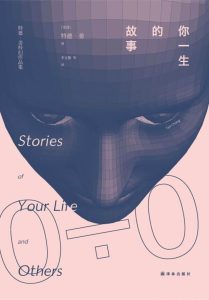
“I see everything”—that’s the perfect master!
Version history
Collected in
- Zhihu Weekly: The 2014 Collection of 300 Questions
- After revision, the central argument of this article was included in The Alluring Illusion: Psychological Secrets in Film and Television.

Leave a Reply