Let me introduce a science-fiction story with plenty of wild ideas and plenty of heart.
Today I want to introduce a short-story collection called The Feast of the Masters, subtitled The Best Science Fiction of the Twentieth Century.
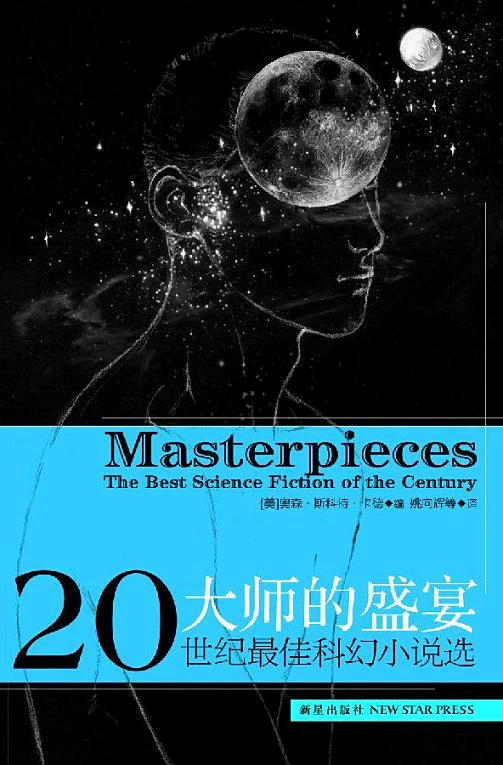
The 27 short stories selected for this book are almost all masterpieces; a few of them even qualify as absolute miracles. Reading them gave me goosebumps, layer after layer.
There are simply too many good stories in this collection for me to bear letting them go after a single episode, so we’re splitting the introduction into two parts.
In today’s episode, I’ll first give you the overall framework of the book, then focus on recommending one short science-fiction story that has both heart and a slightly wicked sense of humor—and that I personally adore.
Orson Scott Card
First, a word about the editor. Anyone capable of putting together a collection like this is obviously no ordinary person. The editor is Orson Scott Card.

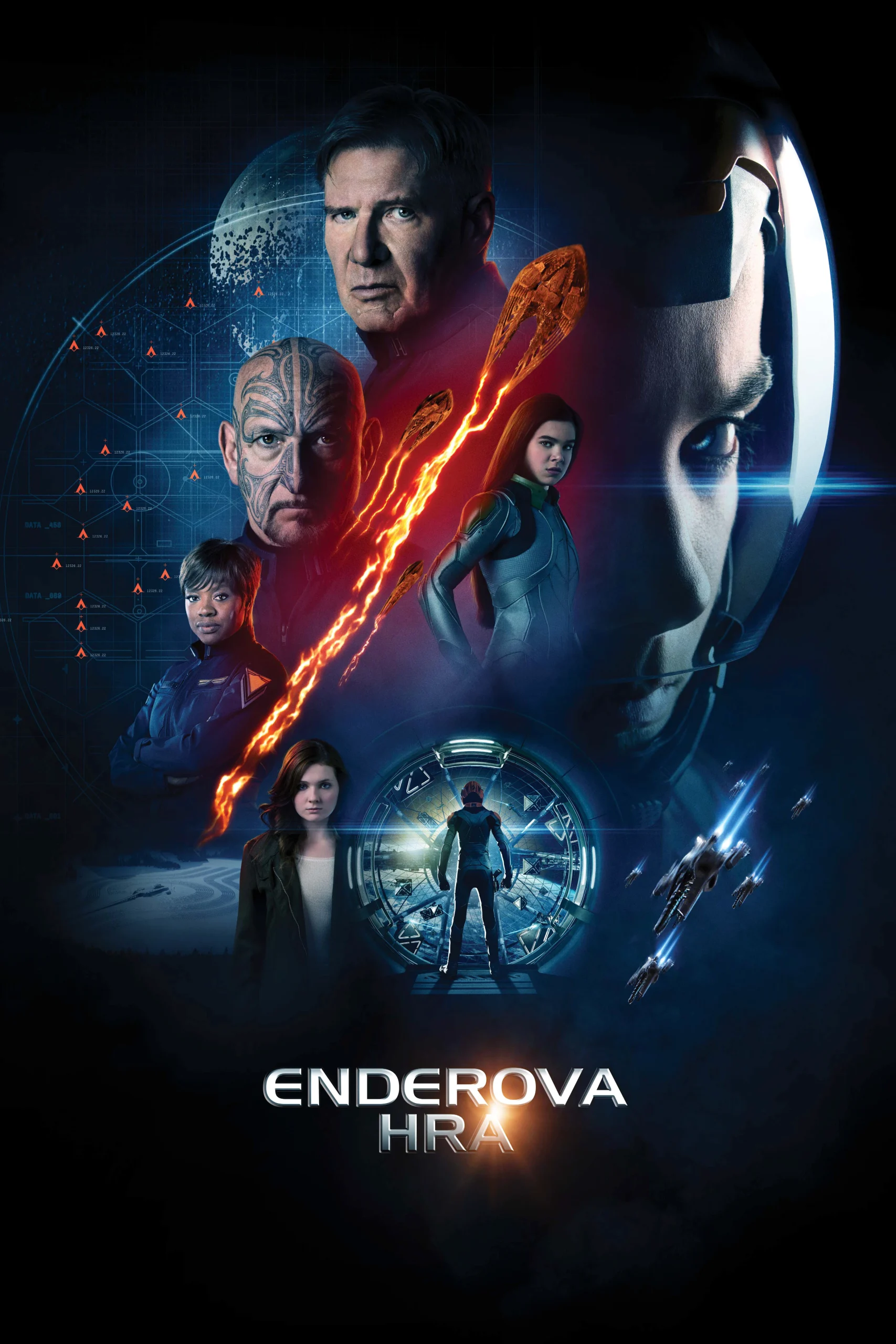
Card is a top-tier science-fiction writer himself. His signature work, Ender’s Game, won both of the two highest awards in science fiction: the Nebula Award and the Hugo Award.
Three Eras of Science Fiction
In Card’s view, 20th-century science-fiction writing can be divided into three eras, and the 27 stories he selected cover representative works from all three.
What are the three eras?
Golden Age
First comes the Golden Age, stretching from the beginning of the twentieth century through the middle of the 1960s—a span of more than half a century. This was the era when science fiction established itself as a literary genre.
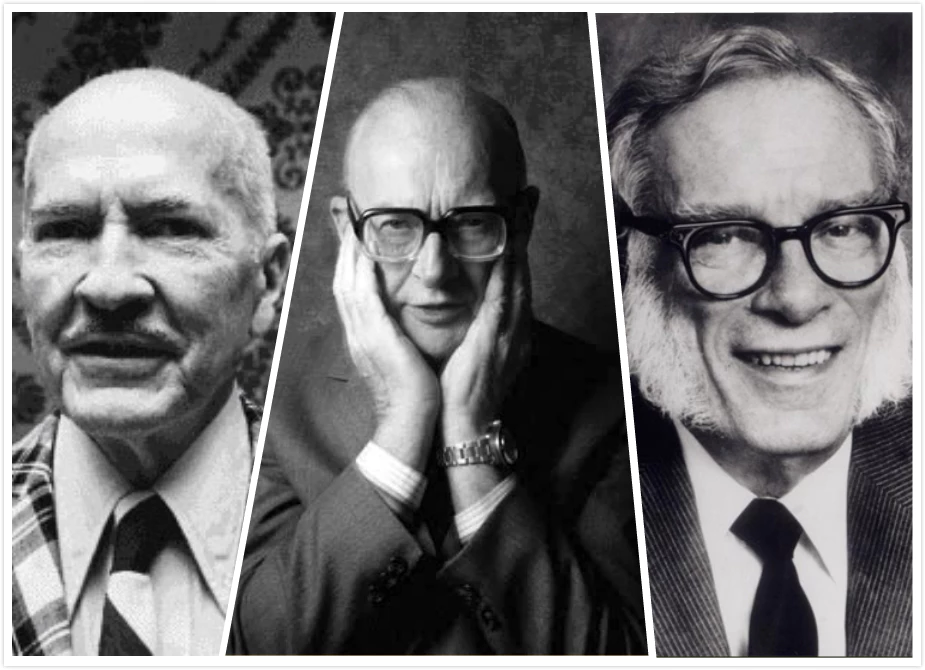
This period produced three figures familiar to every science-fiction fan: Arthur C. Clarke, Robert A. Heinlein, and Isaac Asimov—the so-called “Big Three” of the Golden Age.
New Wave Era
Next comes the New Wave Era—from the middle of the 1960s to the middle of the 1970s.
A lot of new writing styles and storytelling modes appeared during this period. Science fiction became more and more varied: some works got very cool, while others became much more literary.
A representative figure of this era was the cross-genre writer Ursula K. Le Guin.

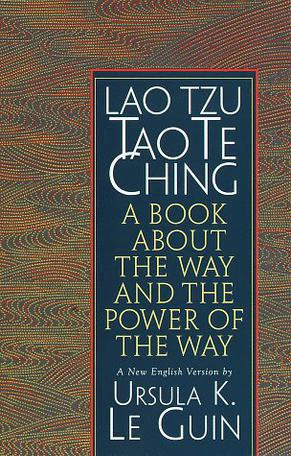
Le Guin’s range as a writer was astonishing. She once translated Lao Tzu into English.
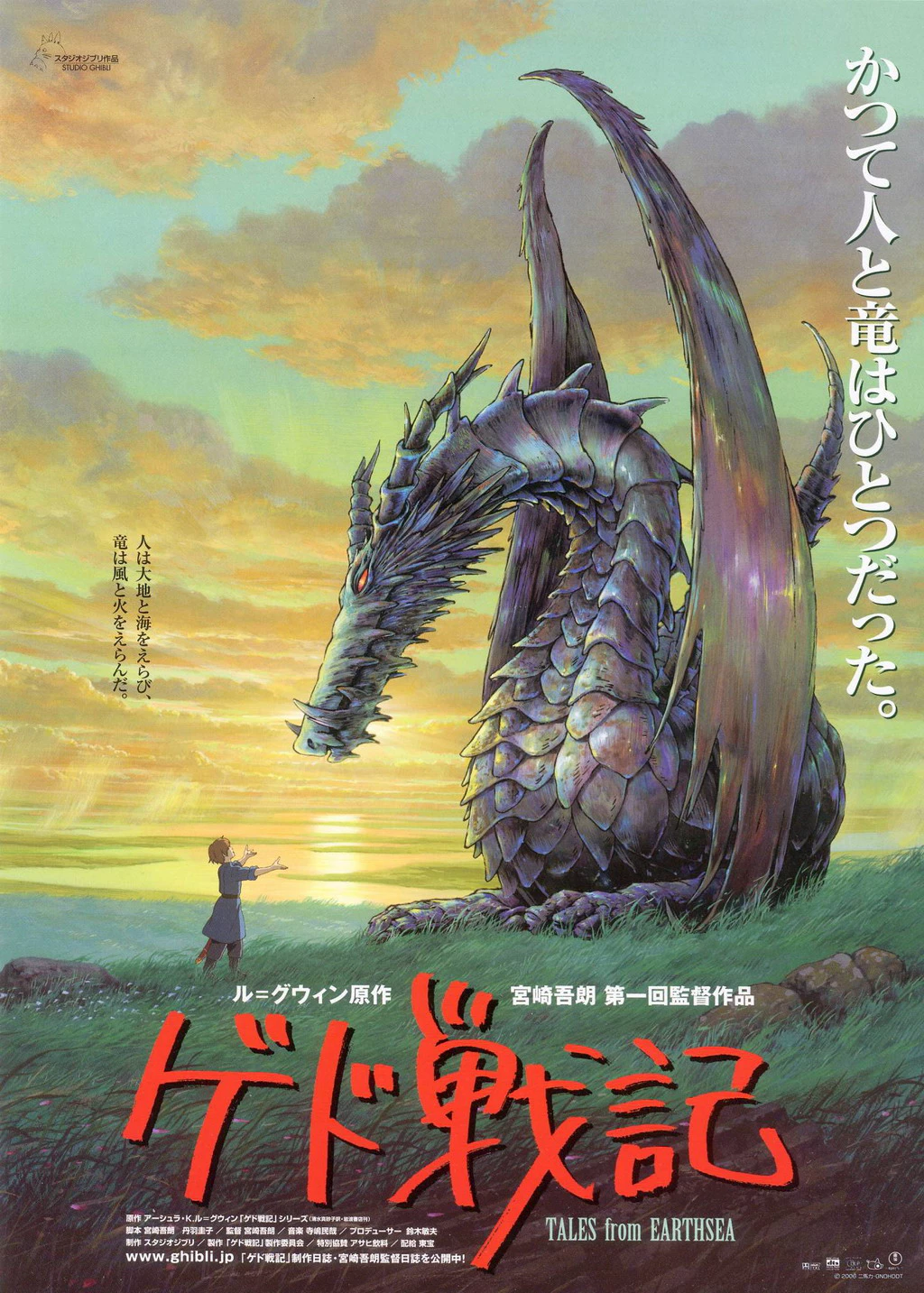
She wrote not only science fiction but also the famous fantasy novel Earthsea, which was adapted into an animated film by Hayao Miyazaki’s son, Goro Miyazaki.
Media Generation
After that comes the 1980s and 1990s. The writers who emerged in this final era were called the “Media Generation”—they grew up watching Golden Age novels and science-fiction films flourish.
Science fiction blossomed even more wildly in this era, producing many subgenres no one had seen before. Take the cyberpunk that William Gibson excelled at: hackers, networks, virtual worlds—the new technologies brought whole new flights of imagination along with them.

The Media Generation, Right Next Door
These three eras aren’t stages in a straight-line progression. Each has its own character, and the very best works from each era still look like miracles today.
Of the three eras, the one I personally favor most is still the last one, the Media Generation.
After all, it’s the closest to the present. Some classic science-fiction films that movie fans have loved talking about over the past twenty or thirty years—Mamoru Oshii’s Ghost in the Shell series, for example, and the Wachowskis’ The Matrix—have countless threads connecting them to the fiction of this era.

You could say that the flavor and spirit radiating from the science fiction of the Media Generation have continued all the way into today’s science-fiction novels and films.
This era isn’t over yet. It’s right here beside us.
The Pot
Among the stories from the Media Generation section of The Feast of the Masters, the one I found most thought-provoking—and most gratifying to my own wicked sense of humor—is called The Pot, or Pots in English. Translating it as bottle or pot would work. The author is a female writer named Carolyn J. Cherry.

I can’t resist spoiling this story in depth. So next I’m going to scramble the novel’s narrative structure and retell it in my own words.
A Civilization Saved by a Nude Painting from Outer Space
The Pot is about this:
There is a species in the Milky Way—let’s call them the Bigheads, just to make the story easier to tell—and the Bigheads’ civilization has been plunged into a major crisis by war.
Just as the Bigheads’ planet is falling into total despair, they happen to intercept a probe launched 850 ten-thousand years ago by an ancient alien civilization.
Metal Plaque
The probe has of course stopped working long ago, but inside it is a metal plaque that remains perfectly preserved.
The plaque shows two aliens, presumably one male and one female, both nude. One of them has raised a hand, as if saying hello to someone.
Below them is a diagram that seems to indicate the star system where the civilization that launched the probe was located.
The Bigheads think the ancient alien civilization that launched this plaque was trying to express something like this:
Greetings, stranger. We come from this planet, this star system.
We revere knowledge and civilization. Stranger reading this message, whoever you are, we do not fear you.
There is an unmistakable, soaring optimism in this metal plaque, along with a pacifism so romantic it borders on childish.
Yet this unbelievably childish object inspires the Bighead civilization, which is trapped in a deep crisis.
The plaque is like an Apocalypse, a sacred object descending from the heavens, bringing with it a revelation almost religious in nature.
The Bigheads then abandon the war and emerge from that great crisis.
And the alien civilization that launched the plaque becomes a myth, a legend.
The metal plaque gradually becomes a totem of the Milky Way.
Desolate Planet
The Bigheads pull themselves together and, after enduring unimaginable hardships, finally find the planet where the probe-launching civilization once lived. But it is already utterly desolate.
That civilization was destroyed 850 ten-thousand years ago, not long after launching the metal plaque.
Ruins
Apart from the remains of some gigantic buildings and large dams, the Bighead archaeologists find only one extraordinarily strange man-made object on the abandoned planet: some bottles dug out of the strata—the “pot” in the story’s title.
The Bighead archaeologists put it this way:
We have found many bottles like these. Mass-produced, industrially manufactured.
They have been excavated not only on this continent but at every site across the entire planet, distributed through the uppermost layer of the strata. The design is identical. The manufacturing date is just before the great catastrophe.
We use these little objects to trace and analyze the possible existence of a global alliance and global trade.
The author never says what the bottle actually is—not even by the end of the story.
Millions of years pass. The seas and fields change, everything is submerged, and only these pots can still be found here and there, scattered across every continent on the planet.
What are they?
I’ll reveal the answer at the end. Maybe you’ve already guessed it.
Destruction
So how did this ancient civilization go extinct?
The Bighead archaeologists discover gigantic craters all over the planet, pits that look like impact craters. After studying them, they reach a conclusion: the civilization on this planet destroyed itself in a nuclear war.
Those huge pits are the ruins of nuclear explosions.
The Truth
However, the Bighead archaeologists cannot transmit this truth back to the government.
Because if the government learns the truth, what will it do?
It will kill the archaeologists to silence them!
The government leadership believes the public must not discover that the great civilization supporting their faith destroyed itself.
God wasn’t anything special after all—in fact, it managed to wipe itself out. If that truth got out, it would mean the collapse of their faith.
The Ending
At the end of the story, the Bighead archaeologists launch a coup, overthrow the government, and preserve the truth.
Because they believe that although the ancient civilization has perished, the beautiful things it carried inspire successor civilizations like the Bigheads. From then on, this spirit spreads among the stars and inspires still more civilizations.
This beautiful side must not be erased.
The True Face of the Ancient Civilization
By this point, the truth behind the story is obvious without anyone having to say it.
The ancient civilization that destroyed itself is, of course, human civilization. The planet that lies abandoned is, of course, Earth.
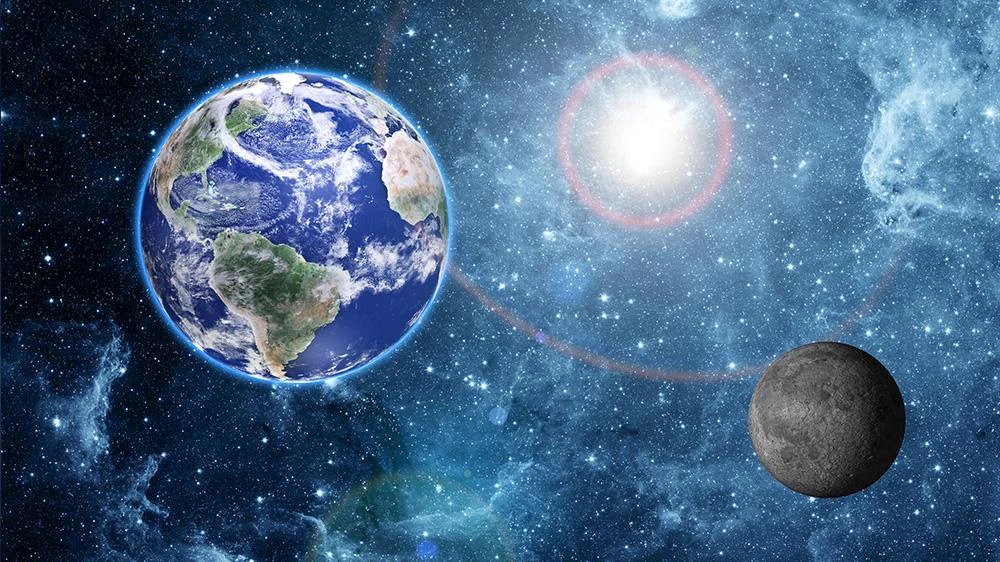
And the probe intercepted 850 ten-thousand years later is, of course, one of the Pioneer 10 and Pioneer 11 space probes launched by NASA in 1972 and 1973.
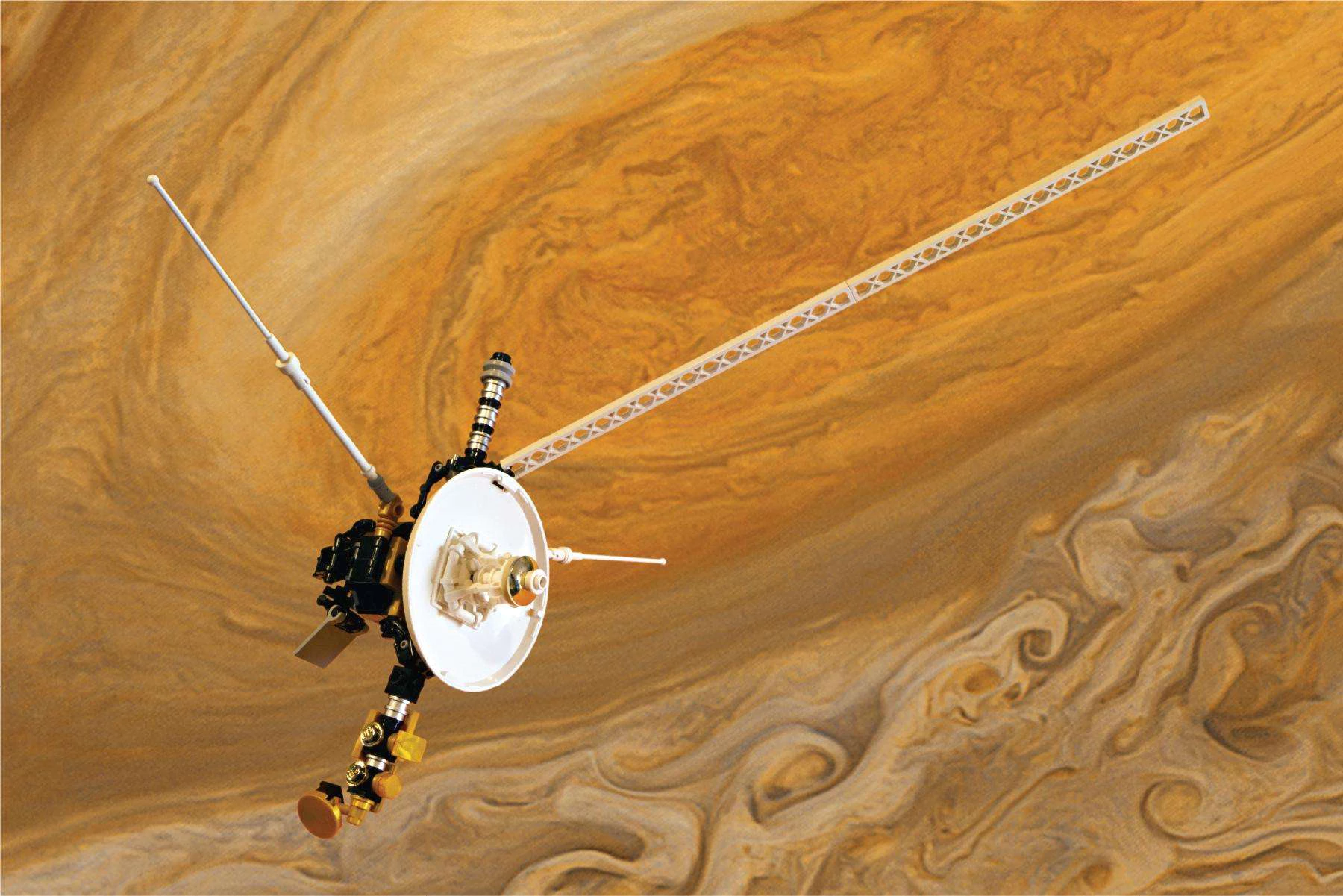
Both carry a gold-plated aluminum plaque, depicting us humans: one man and one woman. The man has raised a hand in greeting to extraterrestrials, and beneath them is a diagram showing the location of the solar system.
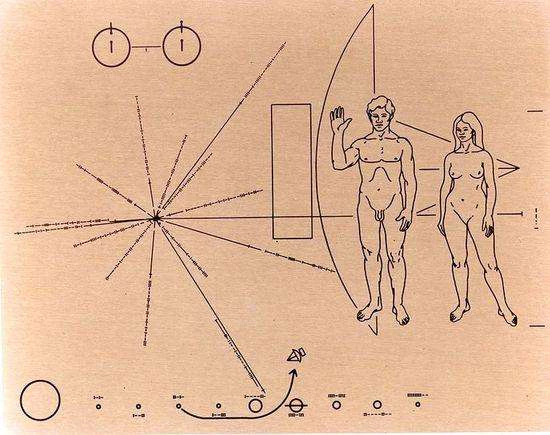
In The Pot, humanity’s foolish side ultimately destroys itself, but humanity’s soaring, upward-looking side survives and inspires those who come after.
This image moved me deeply.
Bottles
So, finally, let’s look at the relic of human civilization—those bottles. What exactly are they?
They have a few distinctive features:
- They are mass-produced industrially;
- They are found all over the world during the period shortly before the destruction of human civilization;
- The book also says they are “slender, ridged bottles”: in other words, somewhat slender, with some sharp-edged vertical ridges running down them.
What else could they possibly be?
They can only be Coca-Cola bottles!
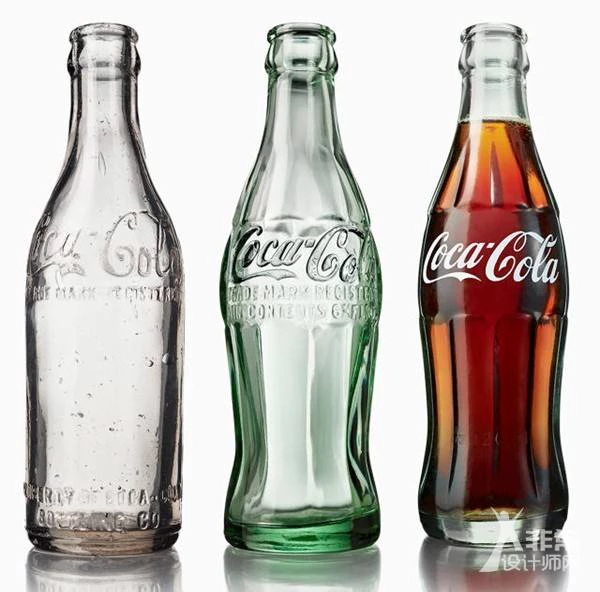
If humanity were destroyed today, wouldn’t the only relic we could leave behind millions of years from now be a pile of Coke bottles?
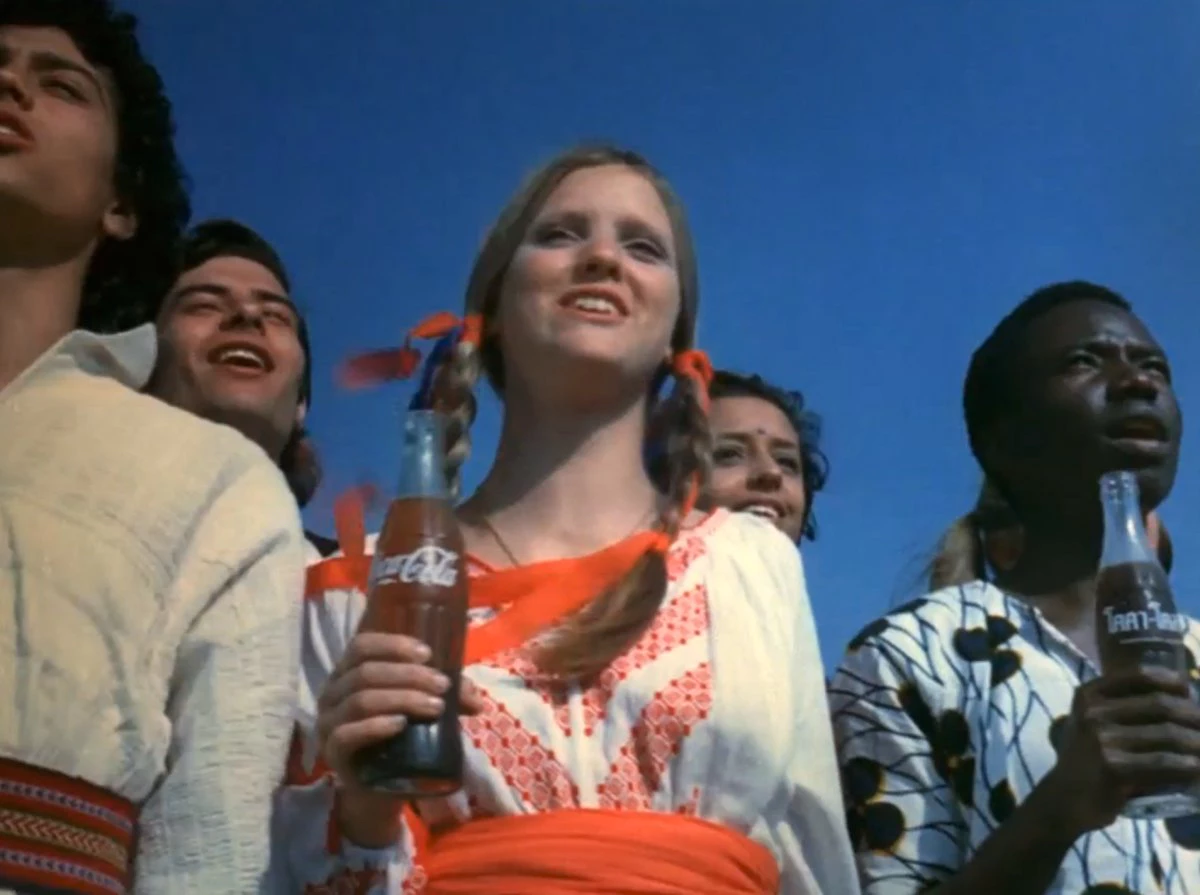
Coca-Cola really ought to pay me an advertising fee for this episode. But it doesn’t.
Words|Zhichao Wei
Editor|Wang Xiaowei
People, books, and bits of gossip mentioned in this article:
1. Apparently I read a fake Lao Tzu
Le Guin’s English translation of Lao Tzu made me feel that what I had read before was a fake Lao Tzu.
The first line of Lao Tzu:
The Way that can be spoken is not the constant Way; the name that can be named is not the constant name.
Le Guin’s translation reads:
The way you can go isn’t the real way. The name you can say isn’t the real name.
2. The Pioneer Gold-Plated Aluminum Plaque
The main designer of the Pioneer plaque was the famous astronomer, science popularizer, and science-fiction writer Carl Sagan.
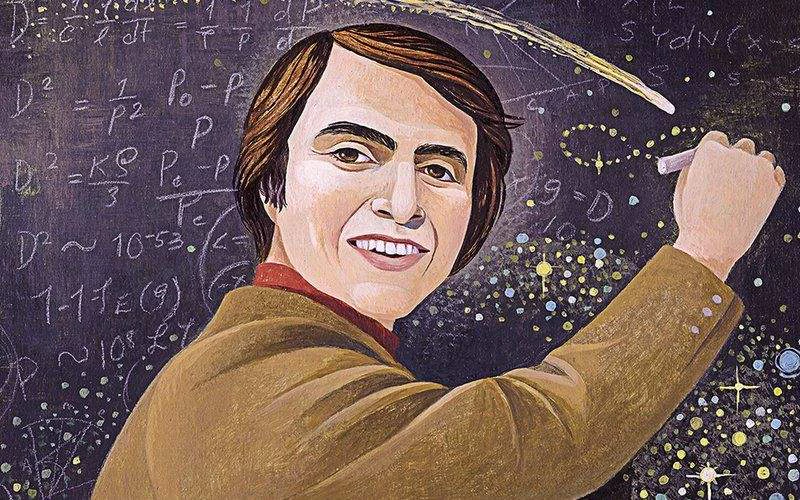
Of the materials I’ve seen about Sagan’s design of the Pioneer plaque, the most detailed account is in Wang Jieh’s Alien Defense Plan.
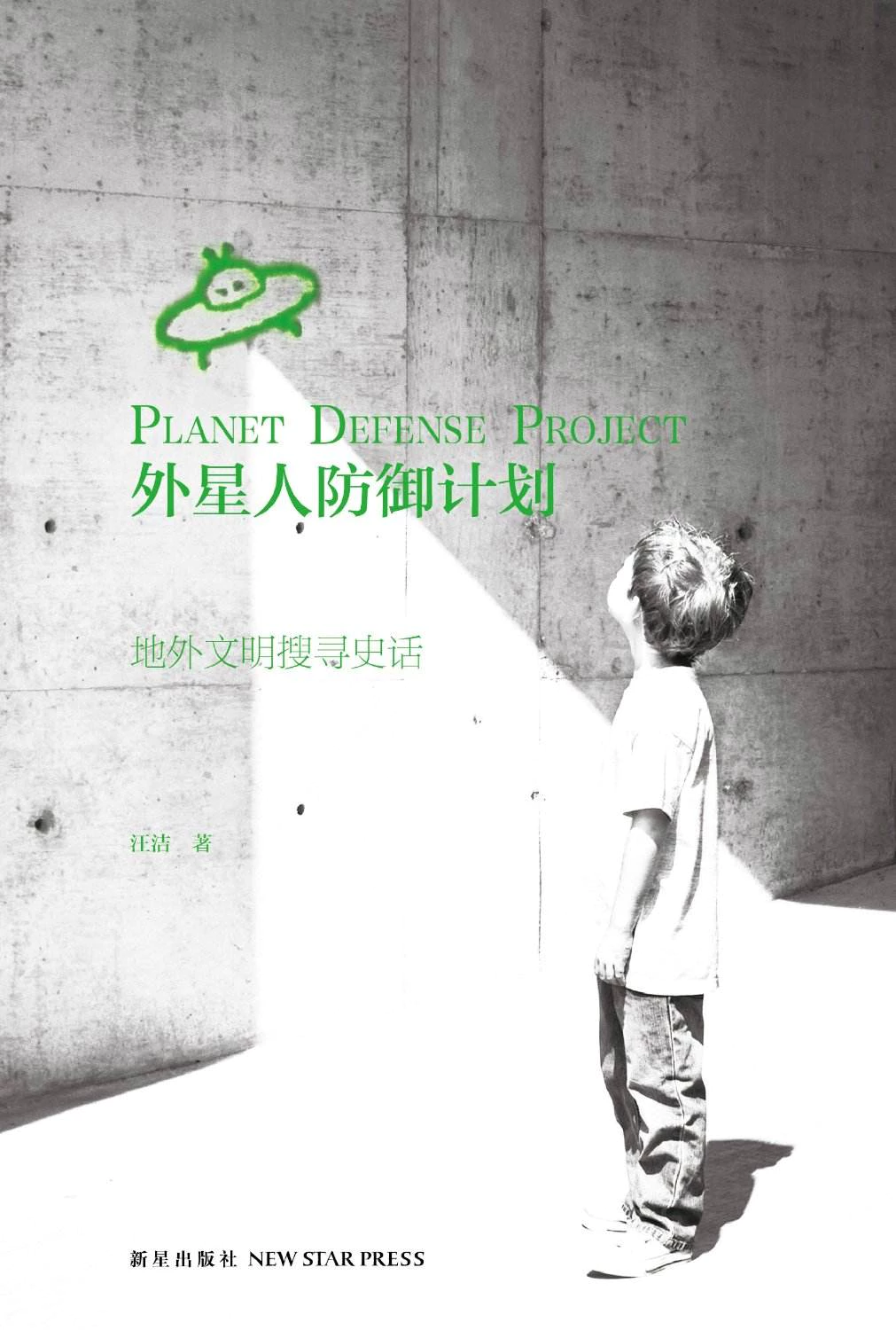
Here are some excerpts from the book:
Carl Sagan…… began lobbying NASA. He told the agency’s leaders, why not put a small gift for extraterrestrials on these two probes? Once the kite’s string snapped, it would never come back anyway. They might as well put it to some use; after thinking it over, the only thing it seemed good for was serving as a message in a bottle. Better than letting it go completely to waste.
The bosses were eventually won over by Sagan, and gave him three weeks to design the gift.
Sagan was thrilled. He immediately called in his old friend Dr. Drake, and the two of them began working on the design together.……
……In the end, they settled on this picture, which Sagan’s wife drew by hand. Let’s take a look:
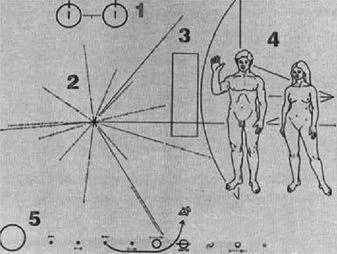
- Part 1: The spin transition of a hydrogen atom. Hydrogen is the most abundant element in the universe, and the extent of our understanding of the hydrogen atom—that is, the extent of humanity’s understanding of the microscopic world—roughly reflects how far human civilization has developed.
- Part 2: The Sun’s position relative to 14 pulsars in the Milky Way. This part was meant to help extraterrestrials locate humanity’s exact position in the galaxy.……
- Part 3: The outline of the Pioneer probe. In the foreground of this outline is the human figure, showing the size of human beings relative to the probe.
- Part 4: The human figure.
- Part 5: The solar system. At the bottom of the plaque is a diagram of the solar system, along with a tiny figure representing the probe. The diagram shows the probe’s trajectory as it passes Jupiter and leaves the solar system. Saturn is drawn with its rings, in the hope that this distinctive feature would make the solar system stand out and easier to find. The set of binary numbers beside each planet gives its relative distance from the Sun. The unit is one-tenth of Mercury’s orbital radius.
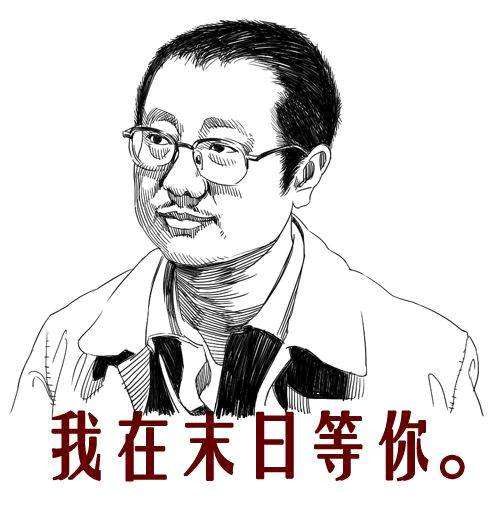
Cixin Liu:
“F***ing hell, you just broadcast Earth’s location to the entire universe!!!”
3. Card
Orson Scott Card is also a university professor, teaching language arts at Southern Virginia University in the United States.
He is a Mormon.
Leave a Reply