
If mind reading were Sun Wukong, then the word “randomness” would be the palm of the Buddha.
As someone who claims to make his way through the world by psychology (shaking), I mean psychology (quick-witted), I pay special attention to psychological elements in movies, TV shows, and novels.
Mind Shielding vs. Legilimency
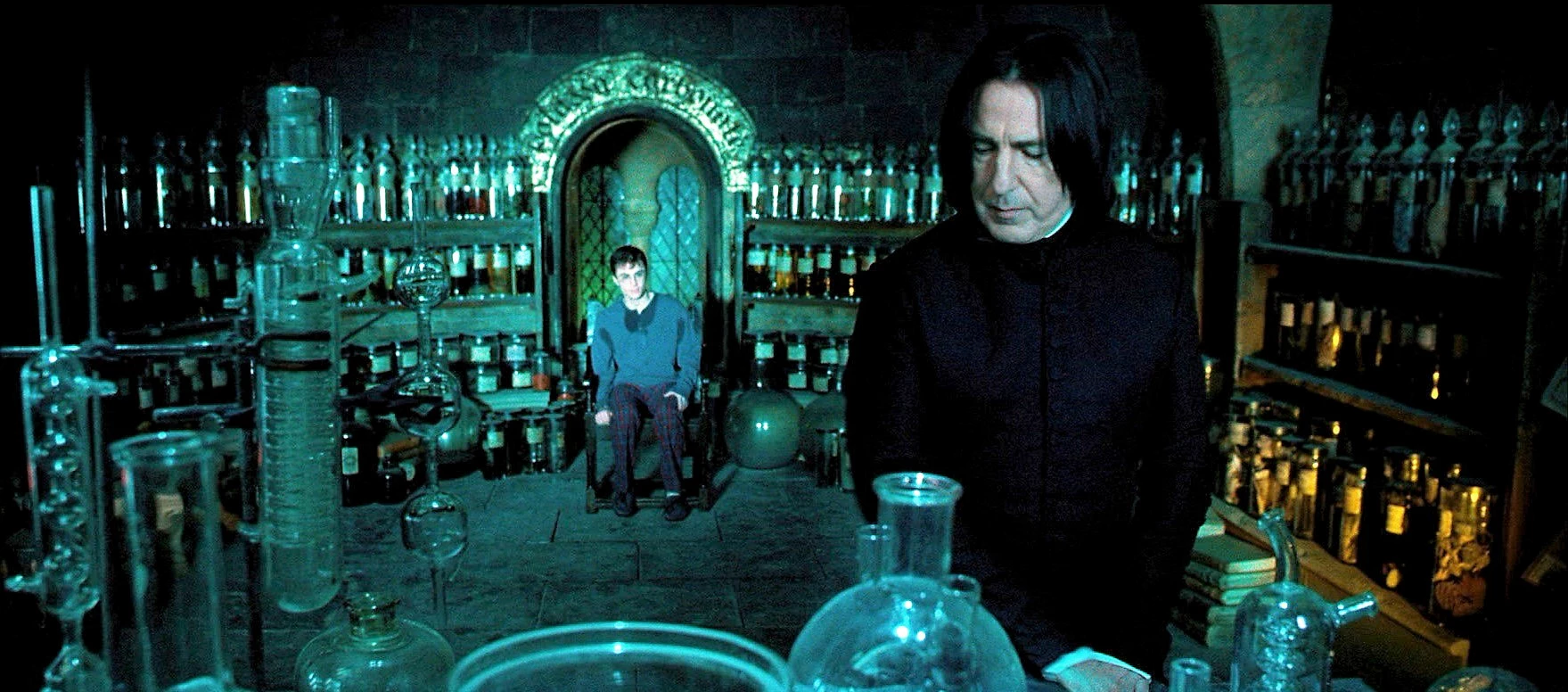
When I watched Harry Potter years ago, for instance, one kind of magic especially caught my interest: the “Mind Shielding” Snape teaches Harry in The Order of the Phoenix.
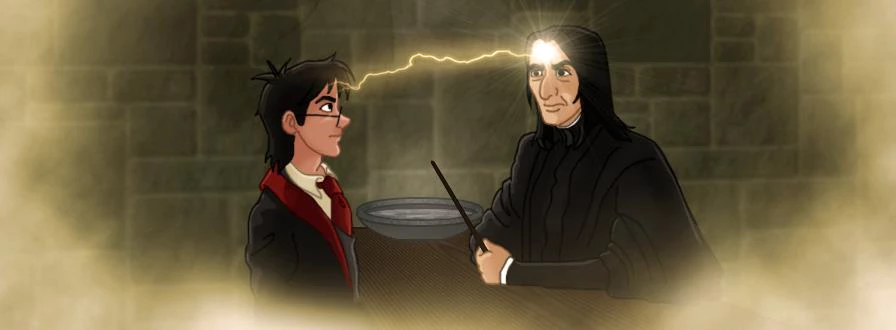
The plot goes like this: Dumbledore discovers that Voldemort and Harry’s minds are often connected.
And Voldemort is very good at a spell called “Legilimency”—basically, mind reading.
If you let him keep burrowing into Harry’s mind and reading it, you’re in for a very big headache. “Mind Shielding” is precisely the nemesis of “Legilimency.”
This magic sounds a little psychological, doesn’t it?
Mind Shielding in Real Life: Rolling Dice
So, do we have a kind of “Mind Shielding” in real life?
If there really were someone in front of me who could read minds, and they wanted to steal the secrets in my head—say, coax my bank password out of me—could I make myself harder to guess?
Of course. And it’s especially simple. Three words:
Roll the dice!
The most reliable “Mind Shielding” in real life is simply to use dice to decide what you do—brutally simple.
In Sherlock, Mary Watson gives us a wonderfully vivid demonstration of this trick (I feel like this one movie alone could fuel a whole year of episodes).

Here’s what happens:
In Season 4, Episode 1, an enemy of Mary Watson comes to her door. To avoid dragging Watson and Sherlock into it, she decides to disappear on her own.
But Mary is deeply wary of Sherlock’s mind-reading ability. She knows that no matter how she plans her route, as long as she designed it intentionally, Sherlock will find a way to work out where she’s going—and then bring Watson along to find her.
So, to make herself unpredictable, Mary hands her actions over to fate. At every airport, she rolls a die to decide which flight to take.
Later, she puts it this way: “Every step I take is random. Even Sherlock Holmes can’t predict the number on the die.”
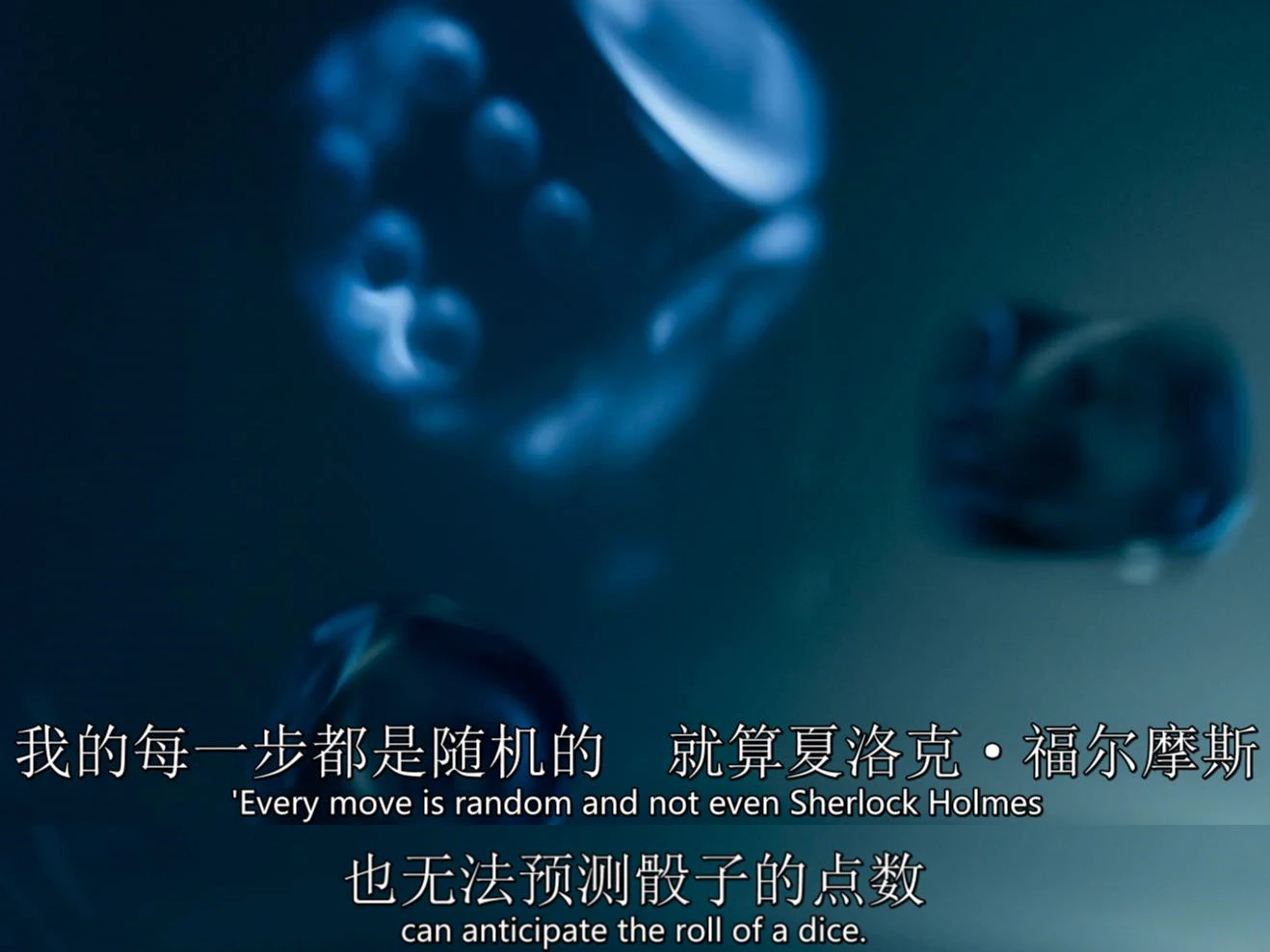
I think that line hits the vital point of mind reading. If something is completely random, it can’t be predicted.
No Dice in Hand, Dice in Mind
Once we understand that, the next question is purely technical: how do we use randomness in real life?
We can’t exactly carry a die around all the time and say, whenever someone tries to read your mind, “Hey, hold on—I need to roll a die first.” You probably won’t get many chances like that.
Fortunately, last year Zhejiang People’s Publishing House published a book called Rock, Paper, Scissors: How to Become a Superforecaster.

The book introduces several little tricks for using “randomness.” Use them well, and you can achieve “no dice in hand, dice in mind.”
The author, William Poundstone, is a famous American bestselling writer.

He studied physics at MIT, but his writing ranges across psychology, the philosophy of science, business management, and more. His books already published in China include Priceless: The Myth of Fair Value (and How to Take Advantage of It) and The Labyrinth of Reasoning—one introduces the psychology of pricing, the other explores paradoxes. Both are well worth reading.
Password Protection
Rock, Paper, Scissors has several little tricks for defending against mind reading. I’ve pulled them out to share with you.
In real life, what we worry about most is having our passwords stolen. You rack your brain to invent a password so complicated you can’t even remember it yourself, and a hacker cracks it in an instant.
So how should you set a password that’s safest and least vulnerable to a hacker’s algorithms?
Unreliable Passwords
We need to understand one thing: any password invented by our brains, no matter how complicated, cannot be completely random. It comes, to some extent, from your life experience, which makes it unsafe.

For example, an eight-character password mixing numbers and letters: the first two digits of your mother’s birth year, followed by the pinyin letters of your grandmother’s name, then the month of your daughter’s birthday, and finally the English pinyin letters of your first love’s name.
You think that’s complicated and secure enough, right? In front of a hacker, it’s practically transparent. If they care to look, the sources of all that information are easy to find, and the combinations they can form are pitifully few compared with a computer program’s processing speed. Cracked in a few moves.
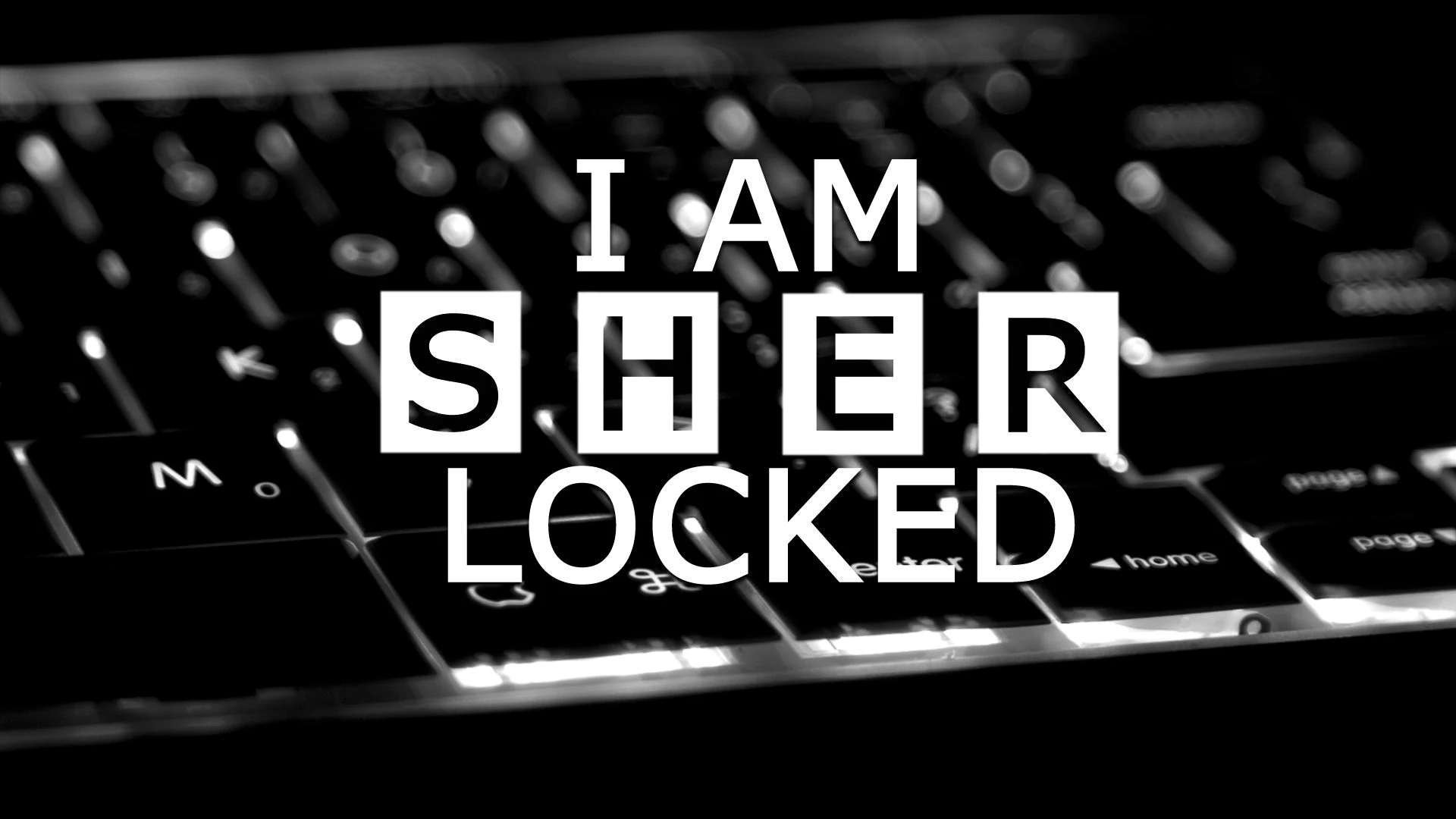
The classic cautionary tale here is Irene Adler in Sherlock. She locks all the intelligence that keeps her afloat in a phone, then practically begs for trouble by declaring her love for Sherlock in the unlock password. Sherlock follows her train of thought and cracks it.
The Random-Password Method
So what’s the genuinely secure method?
There are plenty of programs and websites that can generate a random string for you. Just memorize it and use it as your password.
That string has nothing whatsoever to do with your life, so hackers have no way to narrow the range of guesses. To break it, they can only brute-force it.
There are 52 uppercase and lowercase English letters plus 10 Arabic numerals, for 62 possible characters in total.
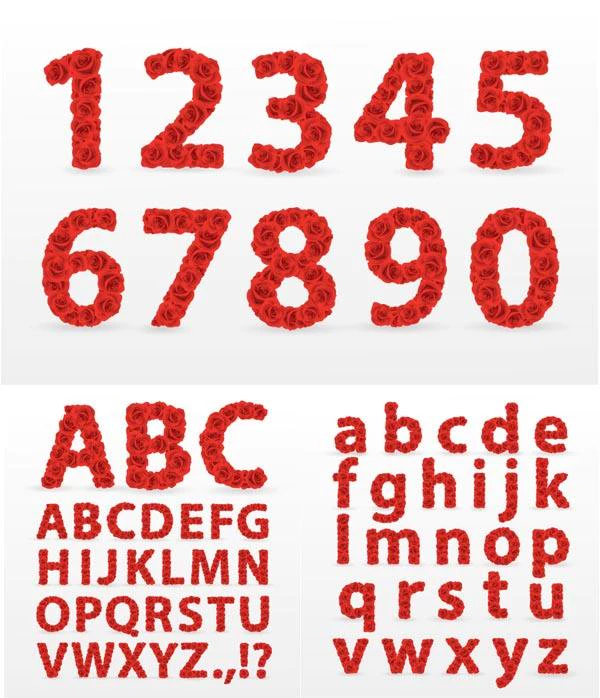
If you use them to make an eight-character password, there are roughly 218 quadrillion combinations. Even the most powerful computer would need to calculate until the end of time to try them all.
That makes a brute-force break extremely difficult.
Passwords Leaked by Websites
But if brute force fails, someone can still steal the password.
That’s because many less-than-reputable websites have serious security problems.
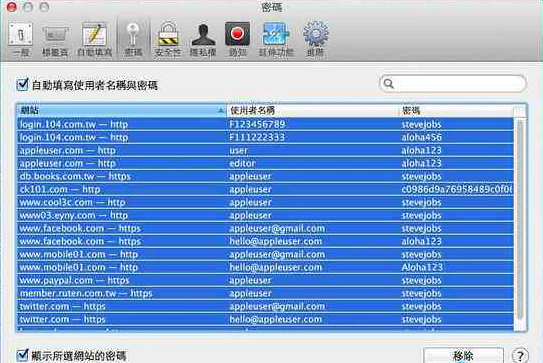
A few years ago, China saw several severe password-leak incidents. Some major Chinese websites actually stored passwords in plain text, meaning the site administrators could see exactly what your password was.
That’s extremely dangerous. Once hackers break into the site’s backend, they have every member’s password.
Two Basic Passwords
So what do we do?
First, you need at least two randomly generated passwords.
Use one only on the handful of sites with the strongest security—for example, major internet companies in China and abroad. They generally take security very seriously and invest heavily, so they’re basically safe to trust.

Use the other password on all your remaining websites.
Infinite Passwords
Then modify those two passwords so they’re different on every website—that is, every site gets its own password.
How do you modify them?
Easy: add the last letter of the website’s English name to the end of the password. Say your strong password is 12345, and you want to use it on Google. Google ends in e, so change the password to 12345e.
Now every website has a different password.
Even if a hacker cracks the password for one site, generally they’ll look for passwords that can be used on other sites without modification, and won’t bother with one that differs by a single letter.
A password system like this is relatively safer, isn’t it?
Rock, Paper, Scissors
Rock, Paper, Scissors also devotes a lot of space to its central topic: the winning strategies of the game “rock, paper, scissors.” There are tricks here for using randomness too.
Don’t underestimate rock, paper, scissors. It has a world championship, and an expert can absolutely crush a beginner.
Offensive Tactics
Rock-paper-scissors experts have plenty of offensive tactics. By “offensive tactics,” I mean guessing what move the opponent might make next.
Beginners tend to follow fixed patterns, which makes them easy for experts to read.
For example, a clenched fist—the “rock”—is the most aggressive, and people across cultures more or less see it that way. So beginners love to throw rock in the first round; you should throw paper, and your odds of winning are high.

Beginners also unconsciously adjust their next move based on whether they lost or won the previous round.
If a beginner opens with rock and you throw paper, they lose the first round and are very likely to change their gesture next. So in the next round, you should throw scissors.
Scissors can put you in an unbeatable position. If they throw paper, scissors wins; if they throw scissors, you tie.
Some beginners, after losing, like to copy the move that just beat them. If rock was beaten by paper, they’re quite likely to throw paper next, making your scissors even more likely to win.
So against beginners, experts launch a mind-reading offensive.
Defensive Tactics
But what if you’re facing a super-expert who’s even better at guessing than you are? You guess them, and they guess farther ahead.
At that point, experienced players adopt a defensive strategy. Defense means making the sequence of your moves completely random.
The book doesn’t spell out the exact technique, but the basic principle is something like this:
Before each throw, sneak a glance at the clock on the wall opposite you. If the second hand is near 1, 4, 7, or 10, throw rock; near 2, 5, 8, or 11, throw scissors; near 3, 6, 9, or 12, throw paper.
Generally speaking, the intervals between throws aren’t fixed. This makes the sequence of your moves almost completely random.

You can absolutely adapt this method to everyday life.
For example, when playing tennis, wear a sports watch that monitors your heart rate in real time. Before each serve, sneak a glance at your heart rate. If the last digit is odd, serve to your opponent’s backhand; if it’s even, serve to the forehand. Then your opponent has no way to predict your serve placement.

Those are some little tricks from Rock, Paper, Scissors for using randomness to shield the mind.
If mind reading were Sun Wukong, then the word “randomness” would be the palm of the Buddha.
Use it well, and make yourself impossible to predict!
Words|Zhichao Wei
Editor|Wang Xiaowei
Sources and Gossip Mentioned in the Article:
1. A website that generates random strings
2. Rock, Paper, Scissors in JoJo’s Bizarre Adventure
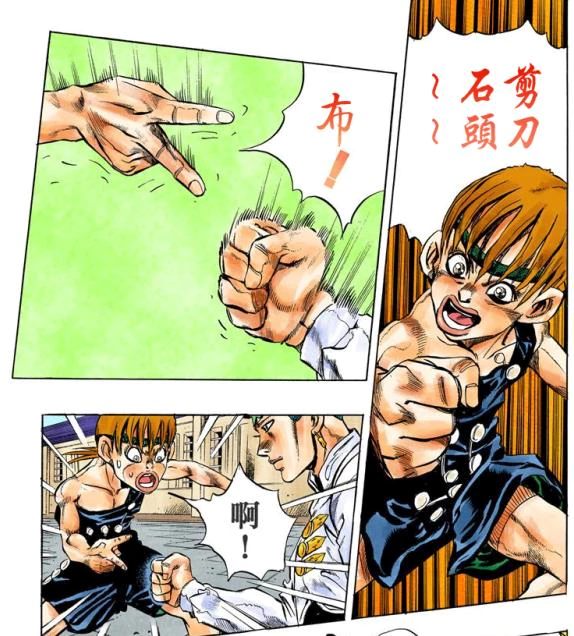
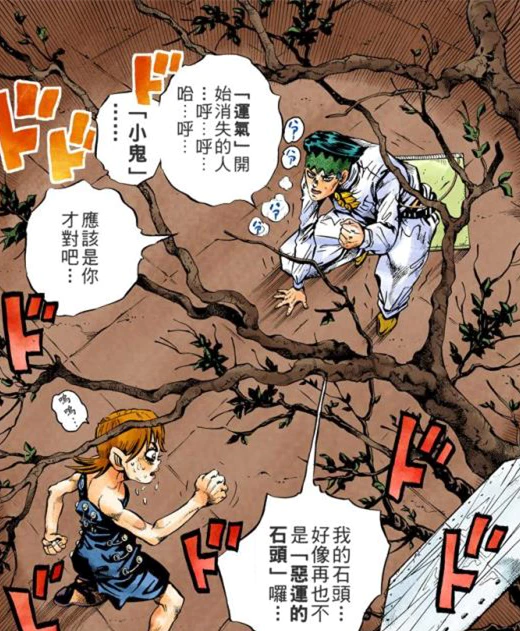
Of all the versions of rock, paper, scissors I’ve seen, the most entertaining is the showdown between Rohan Kishibe and the Rock-Paper-Scissors Kid in JoJo’s Bizarre Adventure.
Leave a Reply