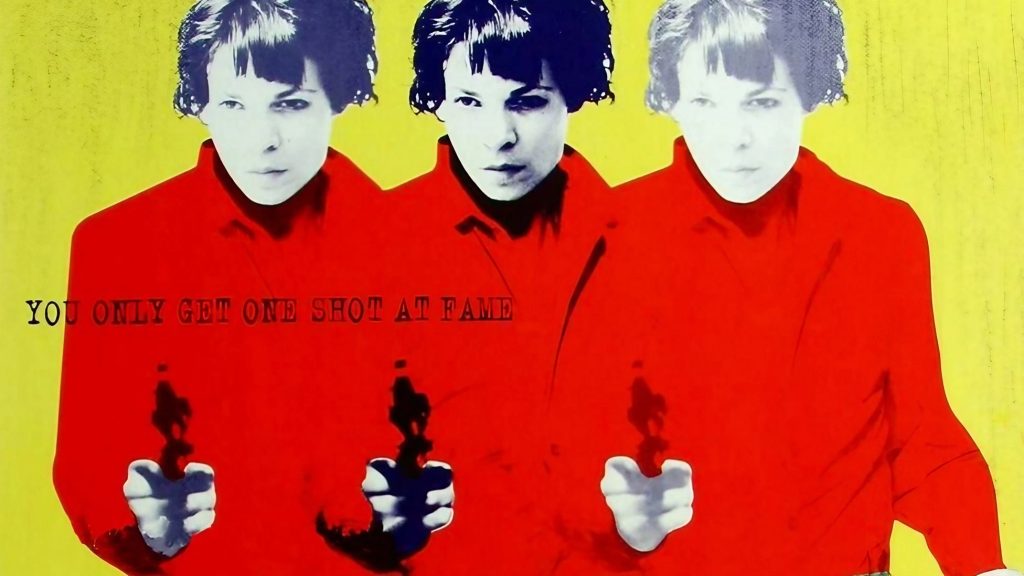
Today I want to tell you the story of an organization that makes men tremble at the very mention of it—the Society for Cutting Up Men.
Today I want to tell you the story of an organization that makes men tremble at the very mention of it—the Society for Cutting Up Men.
The Organization That Kills Men
Let’s start with a movie:
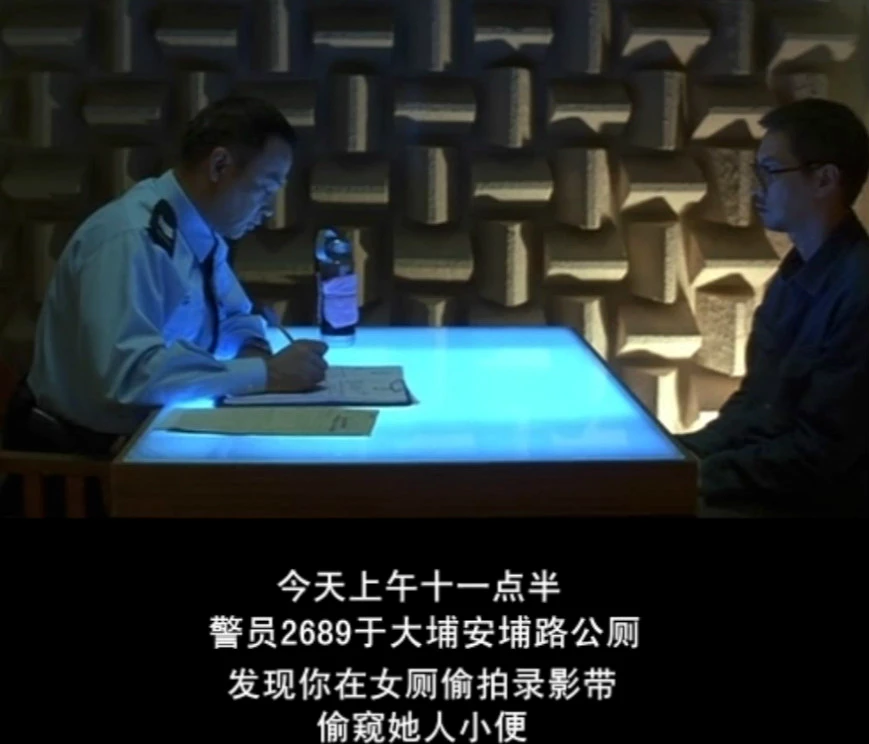
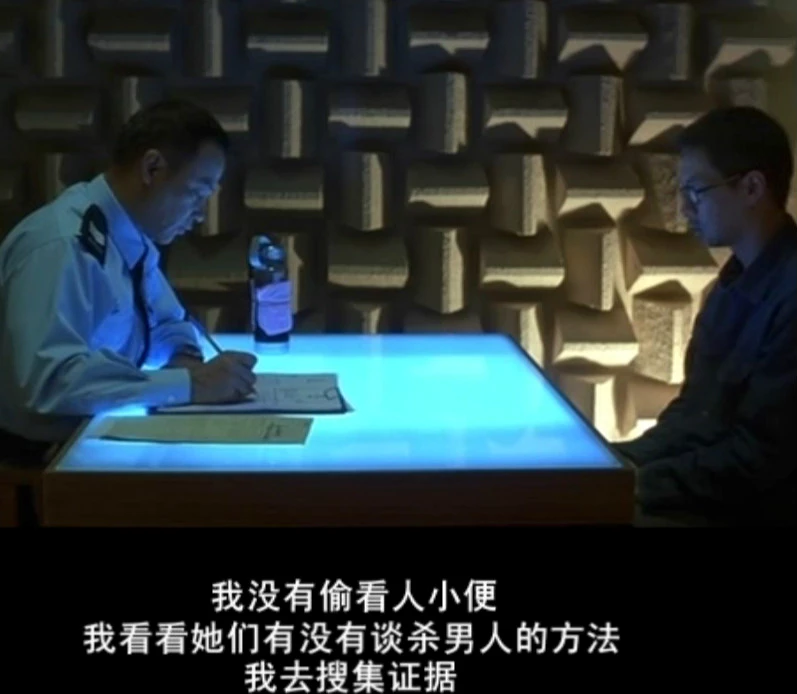

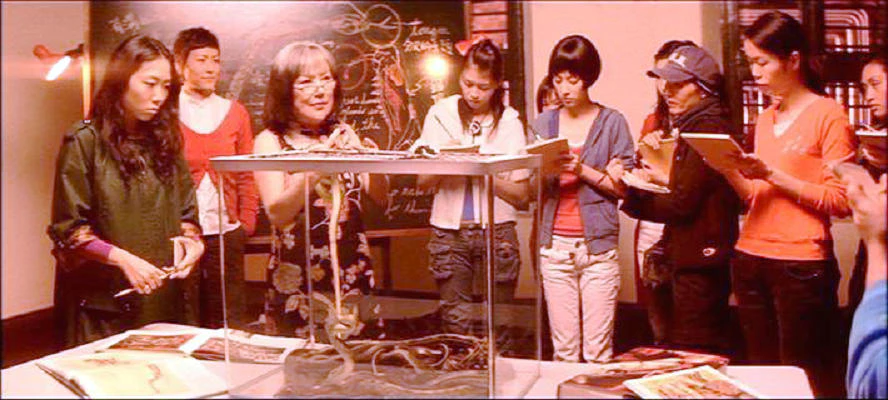
The scene above comes from Pang Ho-cheung’s film Exodus.
It’s a kind of “How to Kill Your Husband” guide.
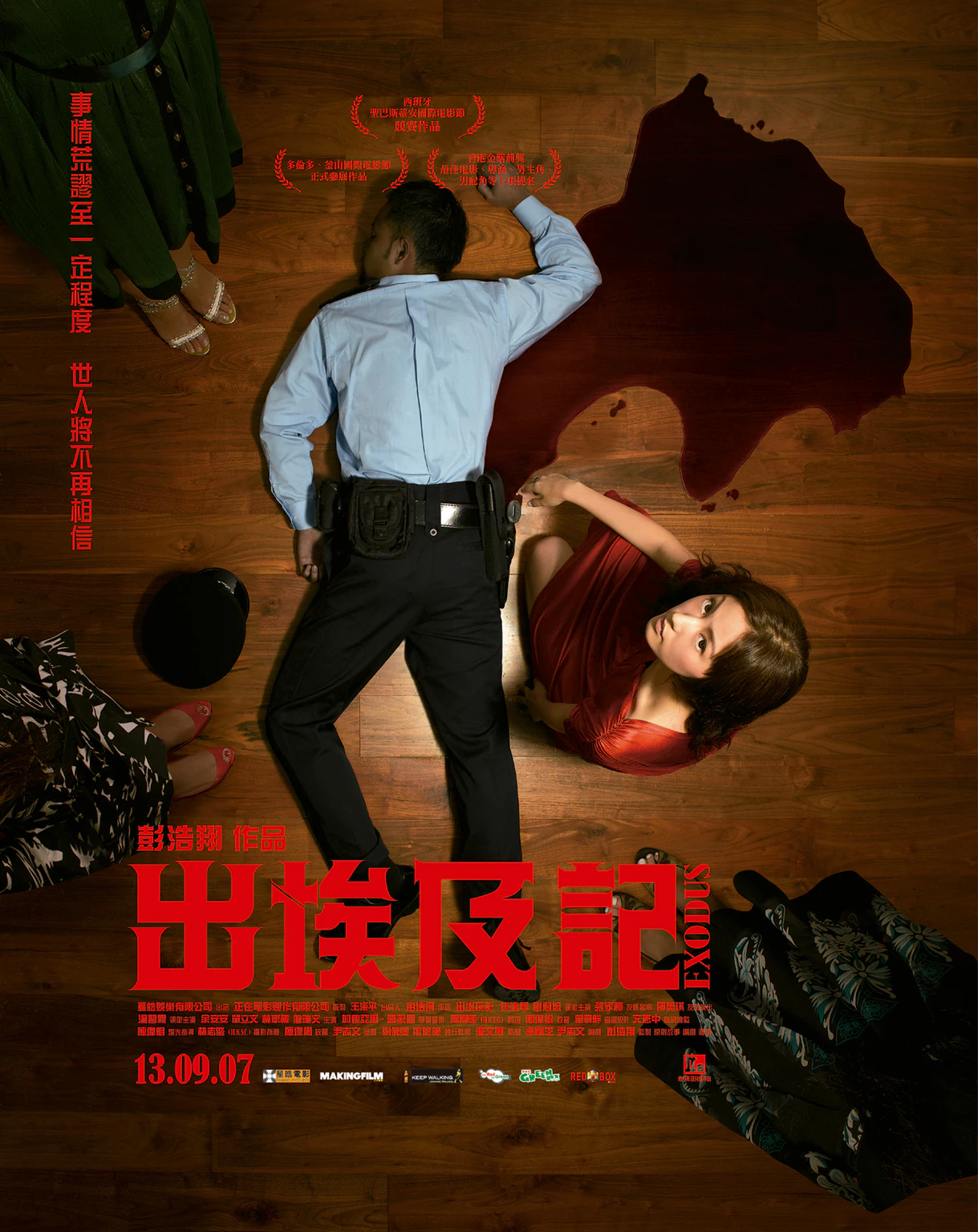
In the film, Pang Ho-cheung imagines a women’s organization that executes men through vigilante justice. The unfortunate women abused by men learn in this organization how to quietly kill their cheating boyfriends, unfaithful husbands, and beastly fathers.
The Bubble Manifesto
Where did Pang Ho-cheung get the idea for a women’s organization that kills men? If I’m not mistaken, the inspiration came from a radical feminist manifesto of the 1960s: SCUM Manifesto.
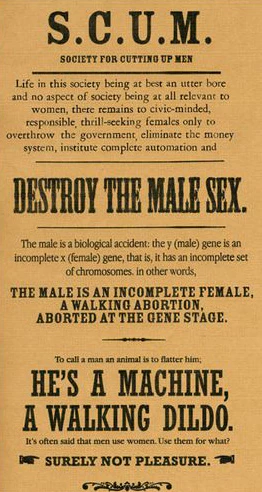
SCUM, translated directly, means “scum.” In many Chinese sources, the book is translated as The Bubble Manifesto. But here SCUM is actually an acronym, short for Society for Cutting Up Men. “Cutting up” means cutting them off at the root—removing them completely, roots and all.
So SCUM should really be translated as “Society for Cutting Up Men.” Doesn’t the name alone remind you of the organization in Exodus?
I Shot Andy Warhol
What I’m going to talk about next is the story of Valerie Solanas, the author of SCUM Manifesto.
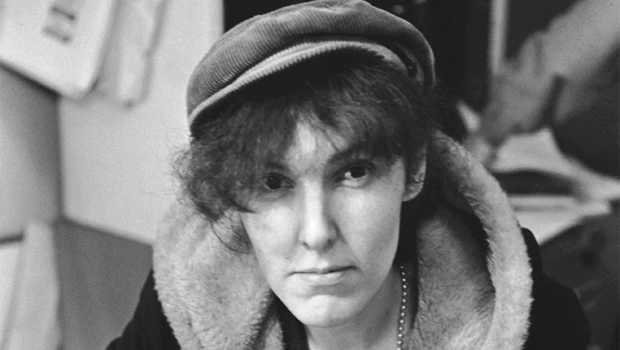
Valerie was a radical feminist. But what made her infamous wasn’t this murderous manifesto; it was one sensational crime that shook the world.
That was the 1968 shooting of Andy Warhol.
Andy Warhol was one of the most important artists of the twentieth century and a pioneer of pop art.
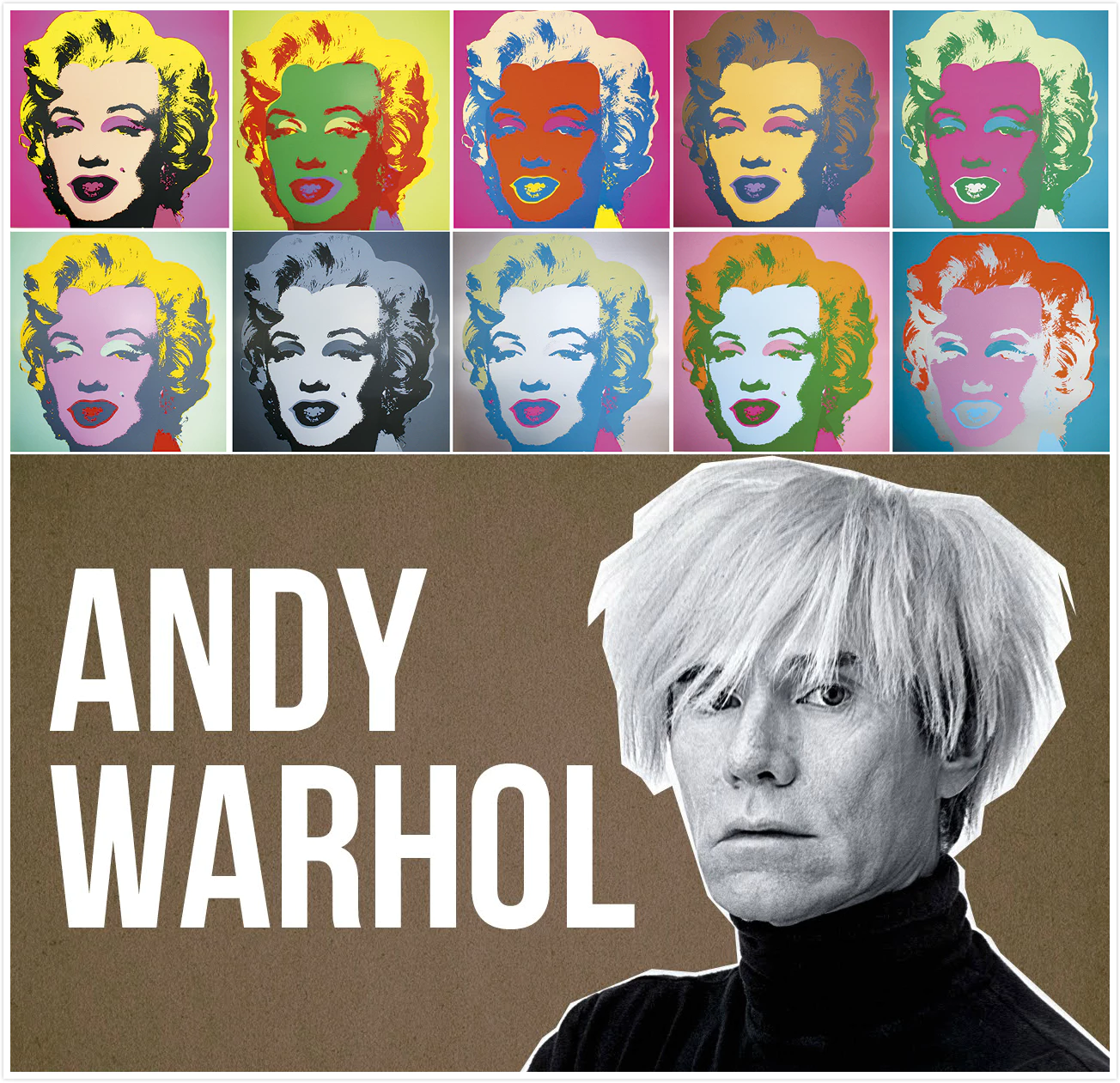
In 1968—more or less the peak of Andy Warhol’s artistic career—he was inexplicably shot by Valerie. Luckily, he wasn’t killed, and he lived on into the 1980s.
Still, some people believe Andy Warhol’s golden age ended with that shot. His work after the 1970s was a completely different creature.
So where exactly did this Valerie, who supposedly ended pop art’s golden age, come from?
Growing Up: Surrounded by Jerks
Valerie was born in New Jersey in 1936. Her childhood and adolescence can be summed up in four words: surrounded by jerks.
Her father was an alcoholic who beat her; she was fostered by her grandfather, also an alcoholic, who beat her; she fell for a sailor, got pregnant, had an abortion, and was thrown out of her grandfather’s house.
Not long afterward, she came out and declared that she was a lesbian. And that was, in its own way, also a declaration of war on the male world.
This gang of jerks from her childhood dealt her the first round of blows.
Little did anyone expect that the second round of blows would come from psychology.
The One-Two Punch from Psychology
That’s right: Valerie studied psychology at university.
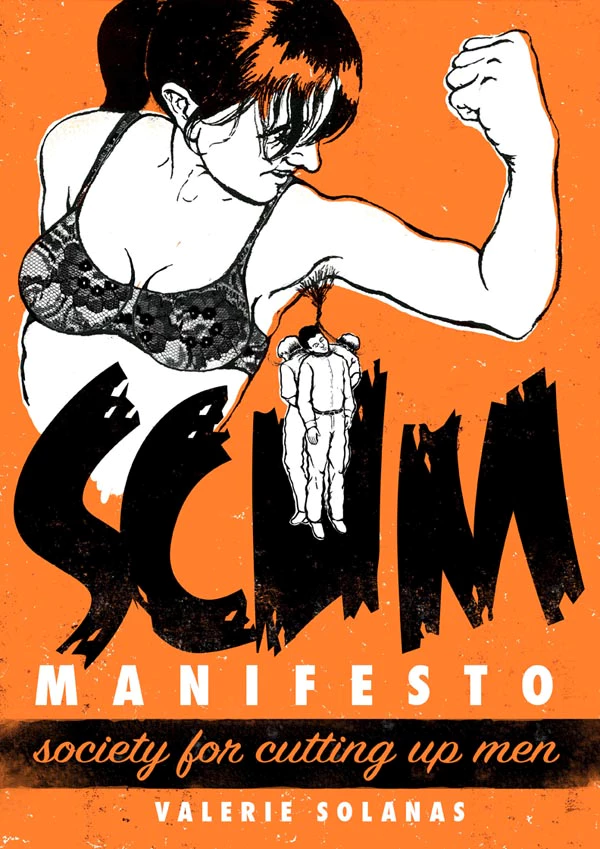
If you want to know what kind of blows psychology dealt her, just read the SCUM Manifesto, which later became famous around the world.
A Female Utopia
She began writing this manifesto after dropping out of graduate school and giving up her degree.
At the very beginning of the manifesto, Valerie says the Society for Cutting Up Men’s goal is to build an ideal female society, and one of its most important methods is: the elimination of men.
Why? Because, the manifesto says, men are “incomplete women.”
Men Are “Incomplete Women”
Men have a Y chromosome in their genes, and it carries all sorts of defects. These defects make men self-centered, emotionally deficient, and lacking in compassion, among other things. Women, on the other hand, have only X chromosomes, so they don’t have these defects.
So men are actually jealous of women, and spend their whole lives trying to turn themselves into women. According to the manifesto, all men suffer from vulva envy—that is, they envy themselves for not having female reproductive organs.
Freud, the Male Chauvinist
Does that passage vaguely remind you of something?
That’s right: Freud.
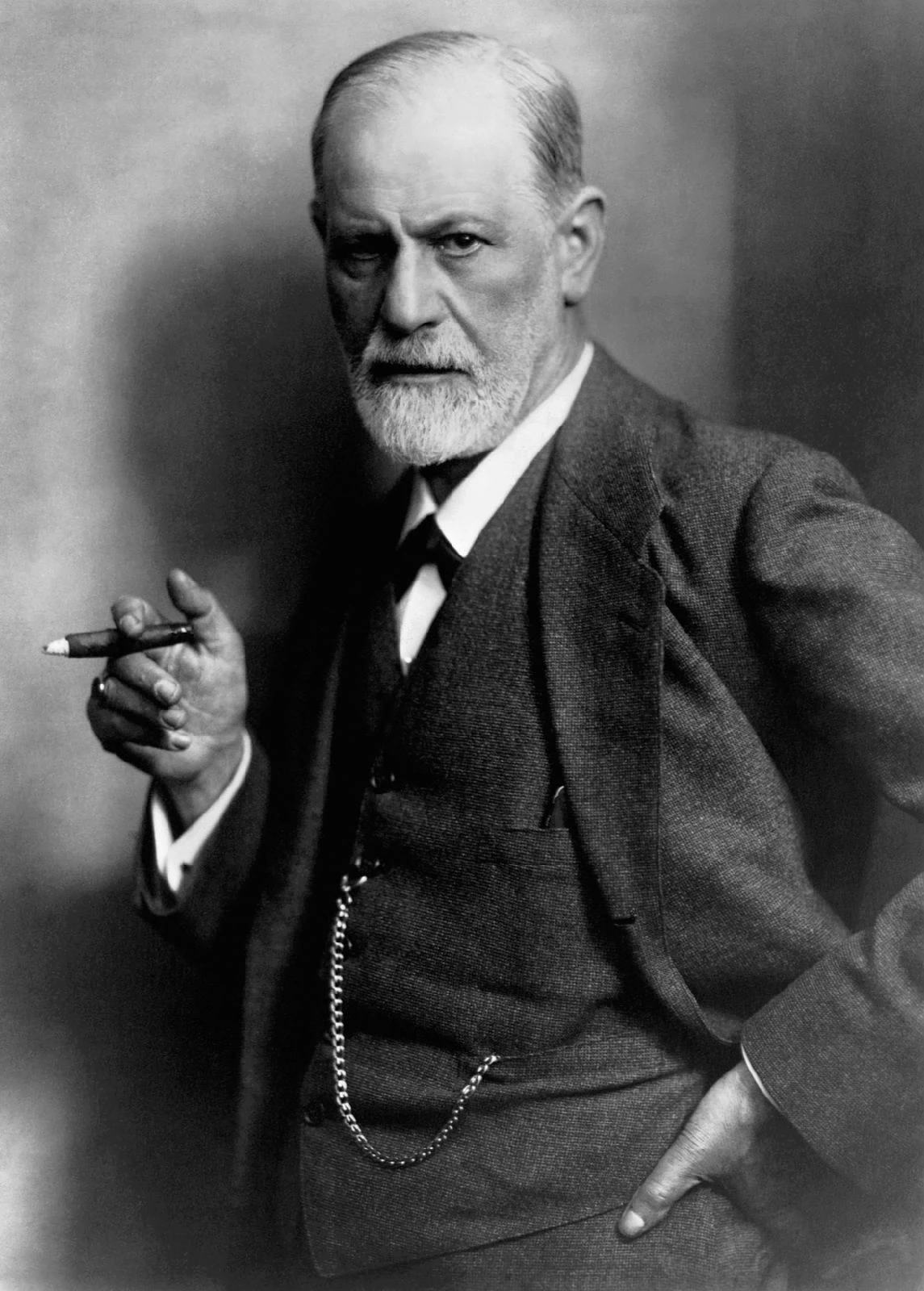
Every part of that bizarre theory is aimed at Freud.
We know that many of Freud’s ideas were remarkably hostile to women. For example, he believed that as girls grew up, they would discover that they didn’t have a penis, conclude that they were incomplete men, and develop penis envy—envying their brothers for having penises while they did not.
Of course, that theory sounds pretty ridiculous to us today.
Valerie was obviously furious at this theory’s denigration of women, so in The Bubble Manifesto she flipped Freud’s theory of men and women around, mocking Freud as a male chauvinist.
Psychology’s Male Chauvinism
In the 1950s and 1960s, when Valerie studied psychology, the male chauvinism in most disciplines that researched human behavior—including psychology—was glaringly obvious.
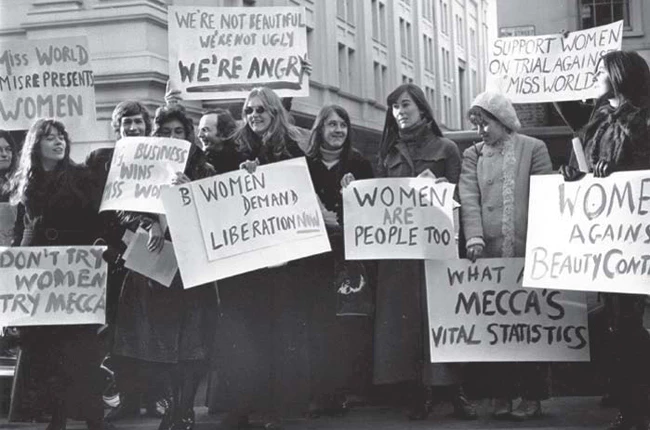
Sometimes researchers would hint that some of the patterns they discovered might not apply to women. “Might not apply” really meant that women were supposedly disadvantaged in these areas: women lacked ambition, had no aspirations, weren’t persistent, had poor logic, were prone to losing control of their emotions, and so on and so on.
The One-Two Punch
Imagine a girl who was abused by all kinds of jerks throughout childhood, then went to university and discovered that the prevailing theories in her own field all looked down on women. How would that feel?
It was practically a one-two punch, from personal experience straight into the textbooks—a perfect combo delivered in one breath.
A Work of Literature
Valerie’s The Bubble Manifesto was really a counterattack against this one-two punch. If all men were jerks, then why not kill them all?
So The Bubble Manifesto was really just a work of literature—a satirical rant, basically.
A New York Drifter
Around the time she wrote The Bubble Manifesto, in the 1960s, Valerie moved to New York and settled in Greenwich Village, the American gathering place for young bohemians. She became a “New York drifter” writer.
Life was extremely hard for her then. She wrote plays and novels by day, and lived on the little money she made begging and selling sex on the streets at night.
By chance, she met Andy Warhol, who was filming a movie.
Film buffs may have heard that Andy Warhol also made some extremely bizarre films. For example, he made what was probably the longest—and most boring—film in the world, Empire: one fixed shot of the Empire State Building for eight hours.

Valerie happened to have written a stage play around that time, titled Up Your Ass. You can interpret the meaning for yourselves. The play had exactly the same tone as The Bubble Manifesto: curse men, eliminate men, repeat.
Valerie gave the script to Andy Warhol, hoping to use his resources to get the play produced.
But Andy Warhol didn’t take it seriously, and somehow even managed to lose the script.
Andy Warhol’s indifference left Valerie bitterly disappointed.
Perhaps because of Andy Warhol’s sexual orientation, Valerie had always regarded Andy as a comrade-in-arms.
Andy Warhol was gay too. According to the gossip of the scene, he had an affair with the great American writer Truman Capote, who wrote Breakfast at Tiffany’s and In Cold Blood.
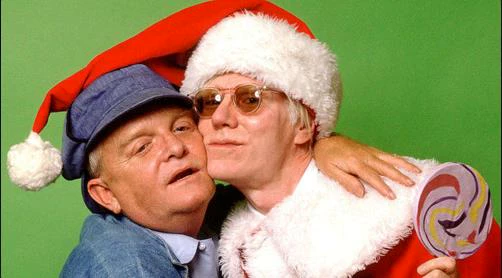
Valerie may have thought that a gay avant-garde artist like Andy Warhol was obviously on her side, and must also be a rebel against traditional patriarchy. But after Andy Warhol brushed her off, she felt betrayed.
Under all these blows, Valerie’s mental state grew increasingly unstable. She began insisting that Andy Warhol had stolen her script.
The Shooting
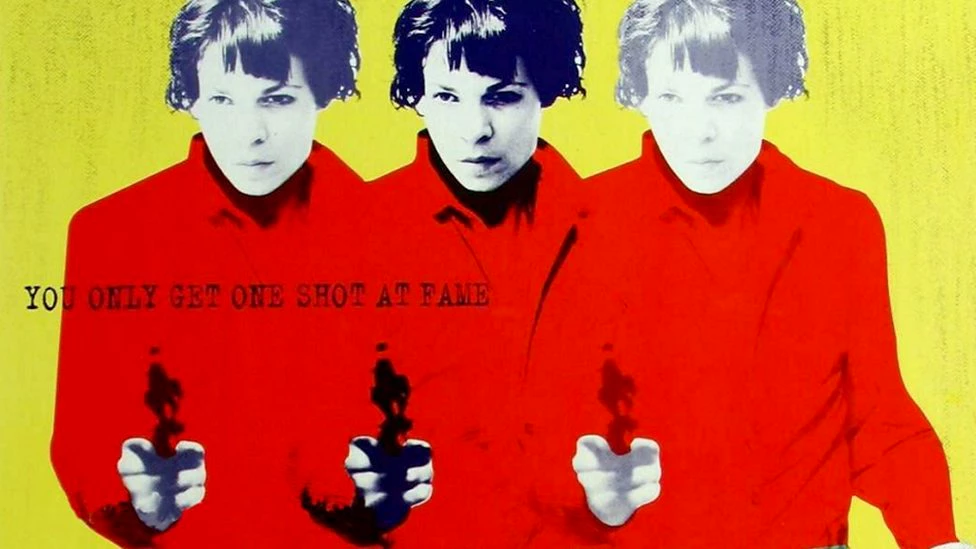
By 1968, Valerie’s emotions had completely collapsed. She borrowed money to buy a gun, then on June 3 went out with it to take revenge on her “enemy.”
She first ran to the home of a female producer, hoping to persuade her to produce the rewritten version of her stage play Up Your Ass. She even imagined with her what a beautiful new world would emerge after all men had been eliminated. But in the end, the producer still said no.
So Valerie pulled out her gun and said:
You’re going to help me make this play, because I’m going to shoot Andy Warhol now. Then I’ll become very famous, and this play will become very famous too.
Then she left to find Andy Warhol.
The producer was naturally terrified. She hurriedly called one police station after another, saying that a crazy woman wanted to kill Andy Warhol and was on her way there. Yet not a single police station believed her.
One police station replied:
We can’t arrest someone just because somebody says she’s going to shoot Andy Warhol.
Another police station asked in return:
Ma’am, how do you know what a real gun looks like?
And so, while the police looked the other way, Valerie swaggered up to the door of Andy Warhol’s famous studio, “The Factory.” She hid in the elevator, riding up and down to avoid being seen, until Andy Warhol finally came back.

The two of them went into Andy Warhol’s office. Just then, the telephone rang—perhaps the producer had finally managed to find the number.
As Andy answered the phone, Valerie fired three shots at him. The first two missed; the third tore through both of Andy Warhol’s lungs, his liver, stomach, and esophagus.
Andy Warhol, gravely wounded, was taken to a nearby hospital and only escaped death after a five-hour operation.
Valerie, meanwhile, ran to the police station and turned herself in.
Caught by a Stray Bullet?
During the subsequent trial, Valerie was diagnosed with paranoid schizophrenia. In court, she said Andy Warhol had committed acts against her and was going to destroy her—but this was almost certainly a persecutory delusion produced by her schizophrenia.
Considering Valerie’s mental state, the court gave her a light sentence. After three years in prison and psychiatric hospitals, she was released.
The shooting later became a symbol of the women’s movement, interpreted by some as the most extreme expression of women’s resistance to patriarchy.
But if you look at the whole process, Andy Warhol was basically caught by a stray bullet.
It’s only lucky for Freud that he died young; otherwise, he should have been the one taking that bullet. Andy Warhol took the hit for patriarchy, and honestly, it was a pretty unfair burden.
The Bubble
The ironic thing is that the shooting seems to have achieved Valerie’s purpose. What she told the producer came true:
Before the shooting, her work attracted no attention. Afterward, it became the focus of intense public interest—especially SCUM Manifesto, the book calling for the elimination of men. It was reprinted again and again and became a bestseller.
Riding that momentum, Valerie really did organize several gatherings after her release to recruit members for the “Society for Cutting Up Men” she had imagined. But presumably, not much came of it.
Valerie later admitted herself that the society ultimately existed only on paper; it was never actually established.
For Valerie, perhaps, everything in SCUM Manifesto remained nothing more than a fantasy bubble until her death from pneumonia in 1988. She never lived to see the arrival of a female era.
The Female Era
However, in the decades since her death, the influence of the feminist movement has spread into more and more corners, and feminist ideas have taken root and begun to grow in more and more people’s hearts. The sisters’ revolution may not have succeeded yet, but there’s no doubt it’s already under way.
The joke in The Bubble Manifesto about “men idolizing women” has gradually become a current in popular culture.
Nowadays, “kneeling before the queen” has become a whole trend:
In 2003, readers around the world followed Professor Langdon in The Da Vinci Code as he knelt before a Madonna;
In 2015, audiences around the world followed Sherlock Holmes in The Abominable Bride as they welcomed the arrival of a female age.

Although men still rely on historical momentum to retain a little advantage in many respects, plenty of signs suggest that the golden crossover between women and men in education, income, social status, and so on is already just around the corner.
A reversal in the social standing of women and men may well be imminent.
The bizarre fantasy inside the bubble is gradually becoming reality.
Perhaps this is how the story ought to end:
In 2053, octogenarian director Pang Ho-cheung released a nostalgic blockbuster, Exodus, commemorating an age of men that no young person had ever heard of.
After its release, nobody cared. The box office bombed, and the reviews were a disaster.
Director Pang let out a sigh and died in gloom.
Words|Zhichao Wei
Editor|Wang Xiaowei
References, films, and gossip mentioned in the article:
1. I Shot Andy Warhol
This assassination was adapted into the film I Shot Andy Warhol. It’s a bit of a dud.
2. Psychology’s Attitude Toward Women
For an account of how psychology’s mainstream attitude toward women evolved, see the discussion in Chapter 2 of The Tribal Animal.

In short:
- The 1960s: women were considered inferior to men;
- The 1970s: women and men were considered essentially no different, and any differences were blamed on culture;
- From the 1970s to the present: women are better than men.
3. Warhol and Capote in Watchmen

The superhero film Watchmen has a wonderfully stylish opening sequence. It presents an alternate history of the second half of twentieth-century America after it has been transformed by superheroes.
One shot shows Andy Warhol displaying a Pop Art portrait of a superhero. As someone walks past, he turns back and gives Andy Warhol an intensely ambiguous look. That someone is Truman Capote.

4. Psychology’s Eccentrics
As you can see, the protagonist of this article, Valerie, was trained in psychology.
I really hope that someday I can complete a series called Psychology’s Eccentrics, collecting odd stories about all sorts of people with a connection to psychology.
They are marvelous or neurotic, and their stories will never be taken seriously by psychology’s official history.
5. Exodus
If you haven’t seen Pang Ho-cheung’s Exodus, I strongly recommend watching the original Cantonese version, because its ending is completely different from the Mandarin version. You know why.
Original article
Collected in
A revised version of this article was included in my book The 24-Frame Psychology Code: Psychology in Film.

Leave a Reply