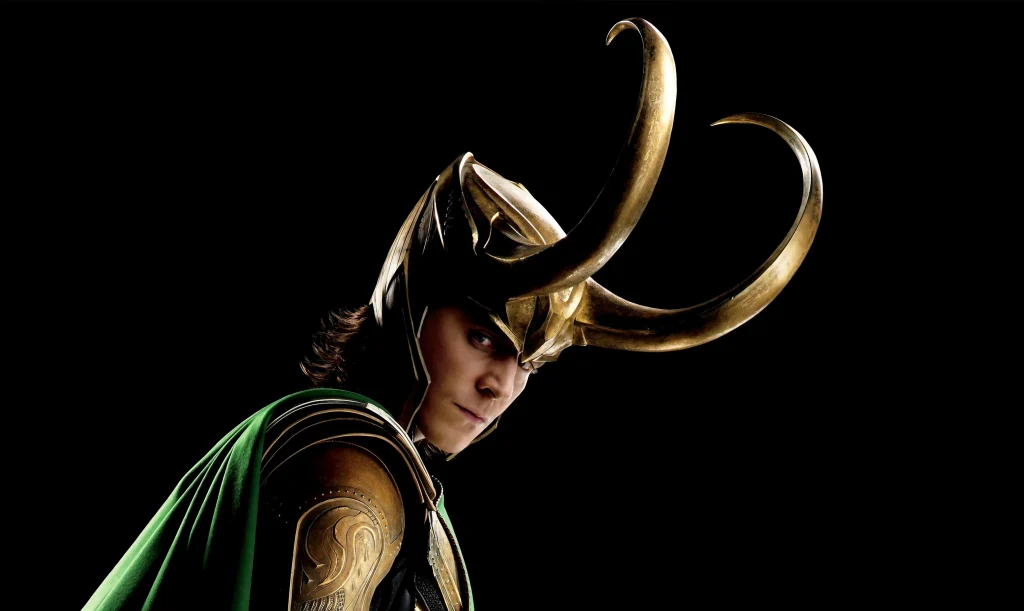
Let's seriously examine what bad guys want.
Today, let’s talk about the desires of the villains in movies and TV shows.
Why bring up a topic like this?
Because I recently read a book called Who Am I: The 16 Basic Desires That Motivate Our Actions. In it, the famous psychologist Steven Reiss introduces a study of his own.

Through this study, he demonstrated that humans have 16 basic desires. Somewhere deep down in each of us, these 16 desires are present to one degree or another.
Looking at the 16 desires listed in the book, I immediately thought of some movie and TV villains who left a deep impression on me. What did they want? Did they make such an impression because their actions corresponded to these desires?
What Do Bad Guys Want?
The reason I’m interested in the desires of bad guys is that, in movies, good guys’ desires are generally accounted for. But what do the bad guys want? What are they actually trying to get out of doing evil? Screenwriters often leave that out, or explain it badly.
It’s driven me into full-on obsessive-compulsive territory. Now, whenever I watch a movie where a good guy and a bad guy are tearing into each other, one question starts looping in my head:
“Bad guys, bad guys, tell me: what do you want?”
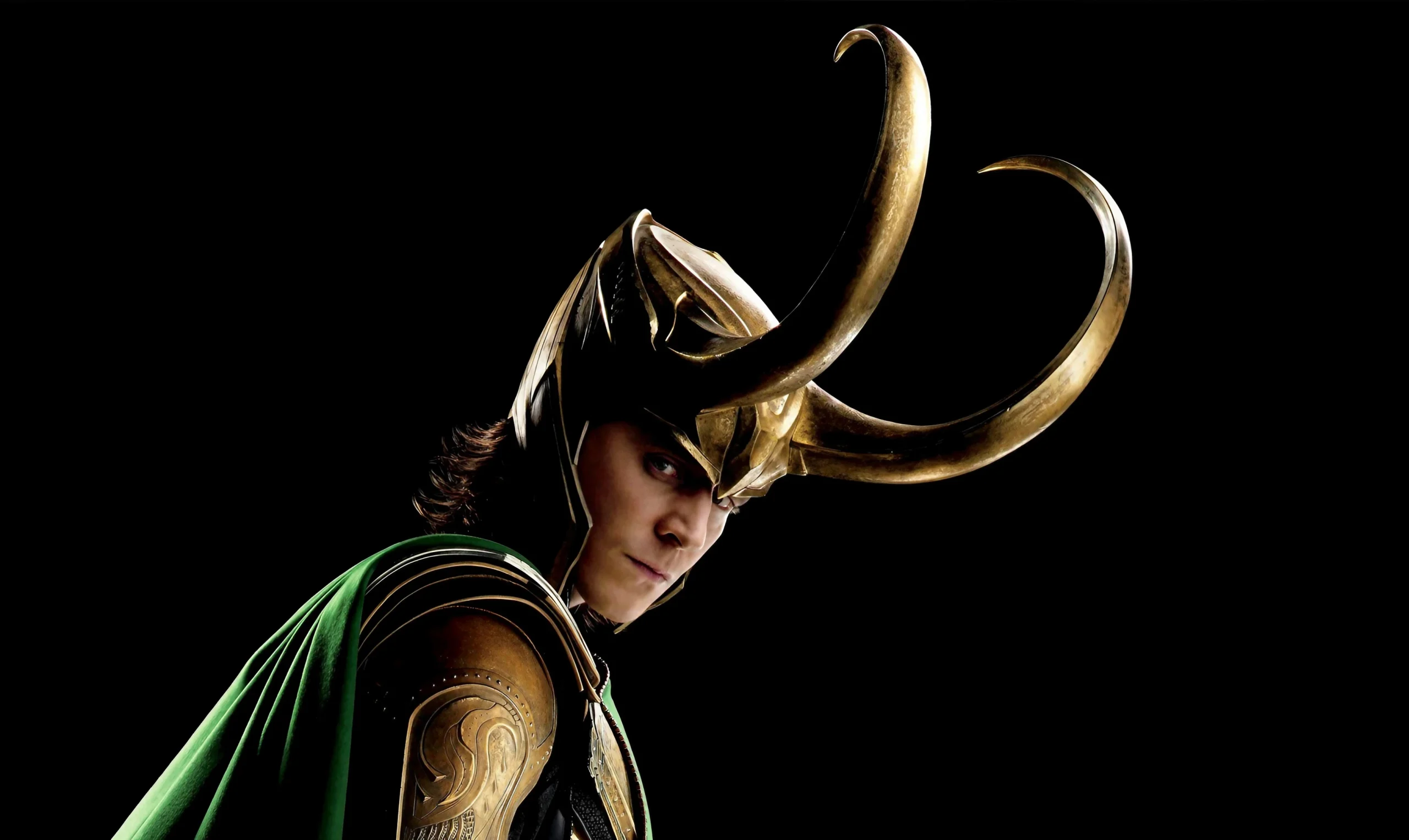
Take the Marvel movies, currently the hottest thing around. A lot of the villains’ motives are sketched in pretty lazily. In the Thor series, for instance—from Thor to The Avengers to Thor: The Dark World—the most popular villain, Loki, never really even counts as the main villain.
Do you even remember who the main villains in the movies were, apart from Thanos, who only showed up in post-credits scenes?
You might not remember unless I give you a hint: wave after wave of ugly, pitch-black aliens who look like half-orcs.
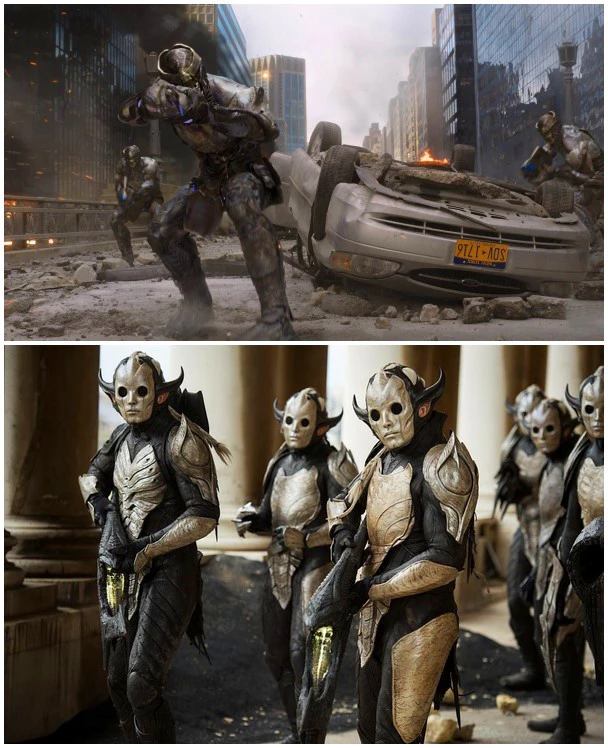
They all look so much alike that I can’t tell whether the creatures in each movie are even the same bunch. Why are they fighting Thor? And what was their goal in invading Earth in The Avengers? How many viewers remember?
The screenwriters seem to be saying: all you need to know is that hordes of ugly black villains want to fight Thor, because that’s not the important part. Please focus your attention on the brothers’ homoerotic bonding.

Give the Bad Guy a Desire
But that’s not right. In the screenwriting bible Story, old master Robert McKee says that if you put yourself in the bad guy’s shoes, his motive has to make sense. A bad guy is a normal person within his own worldview.

That’s not a direct quote, but it’s roughly what he means.
I completely agree with this in the vast majority of cases. A bad guy’s motives and desires should not be fundamentally different from those of ordinary people—or the good guys in the movie.
So does that mean all a screenwriter has to do is give a movie villain one desire, and the character is guaranteed to work?
Not necessarily.
Reign of Assassins: A Negative Example
I immediately thought of a “negative example.”
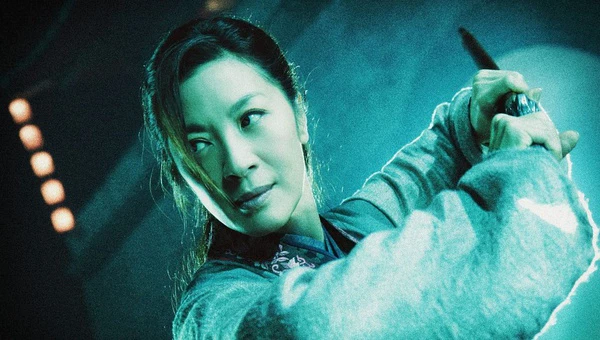
It’s Reign of Assassins, a 2010 wuxia film. It scored only 6.9 on Douban, and many people gave it one star, lumping it in with the parade of terrible Chinese-language costume movies we’ve suffered through over the years.

Personally, I refuse to accept that verdict. I’ll rehabilitate it in a moment.
The film was written and directed by the Taiwanese screenwriter Su Chao-pin. He’s one of my idols. I have always loved screenwriters with unusually wired brains. His Drugs, Three: Going Home, Double Vision, and Twenty Something Taipei are all wonderfully distinctive works in the history of Chinese-language cinema, and all gave me beautiful moviegoing experiences.

But Reign of Assassins was probably his heartbreak project.
I’m about to spoil one of the most criticized plot devices in Reign of Assassins. If you’ve seen the film, I suspect you already ranted about it like crazy back then; if you haven’t, this one detail shouldn’t stop you from looking it up later.
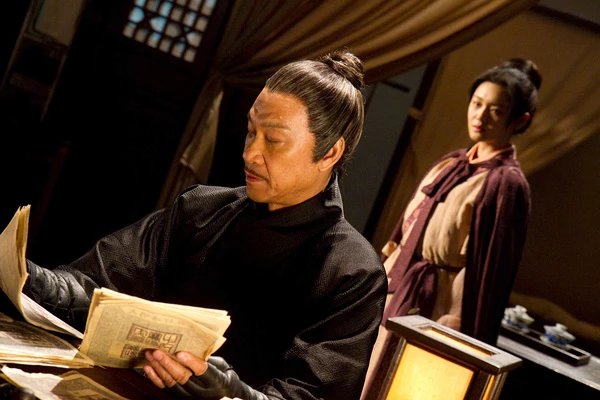
Reign of Assassins is about a martial-arts master named Patriarch Bodhi Lu. After he dies, his body turns into a dried corpse. According to a rumor circulating in the martial world, anyone who obtains Lu’s remains can master an invincible martial art.
So various factions start fighting over them. The group most determined to seize this treasure is an assassin organization called “Dark Stone.”
Its leader is Wheel King, played by Wang Xueqi.
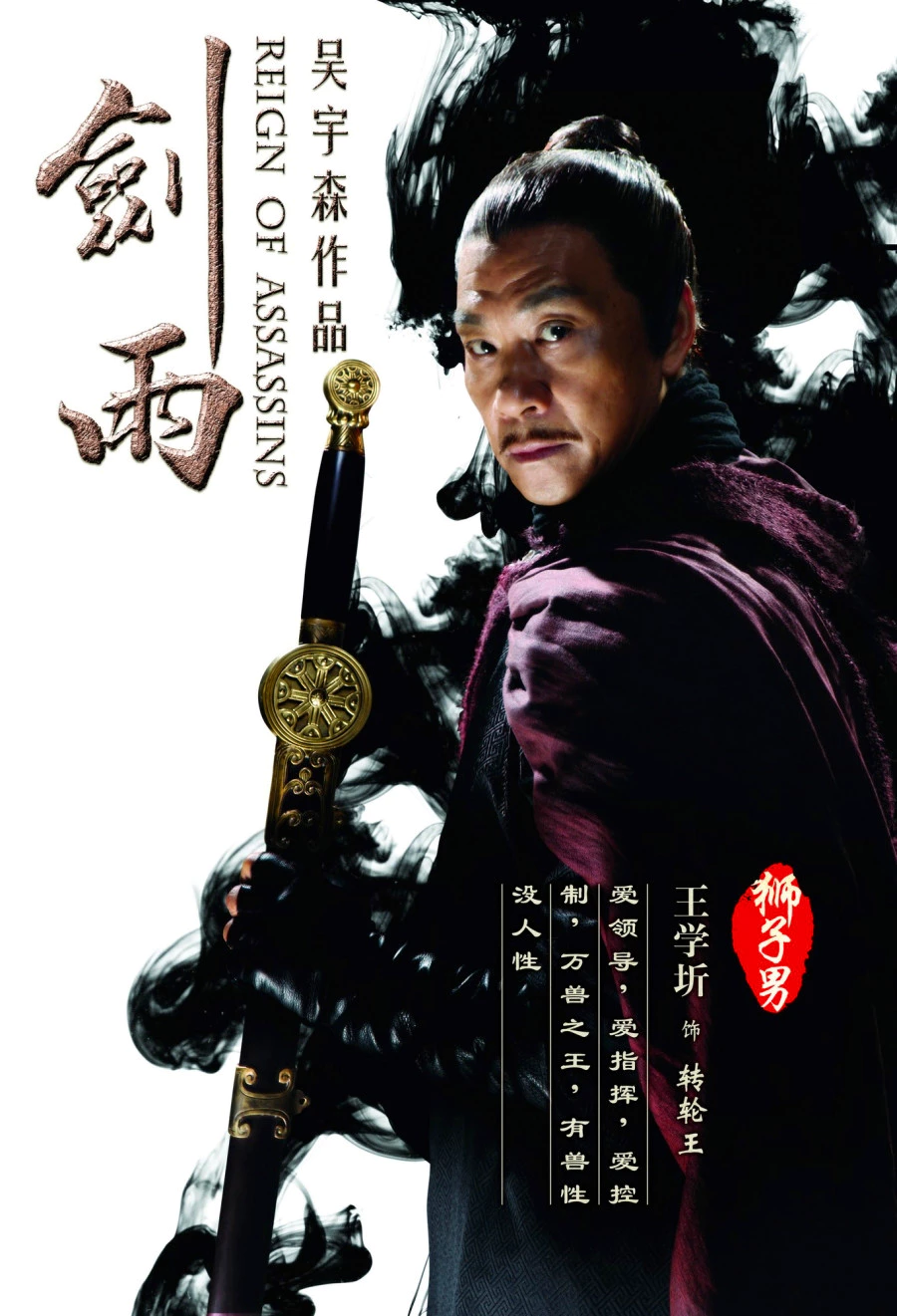
His martial arts are already extraordinarily impressive, but he still throws himself into the effort to obtain Lu’s remains. Everyone in the martial world simply assumes that Wheel King is going this far because he wants to take his kung fu to the next level and rule the martial world. Nobody questions it.
But once Wheel King finally gets his hands on the treasure, the story takes a sharp turn:
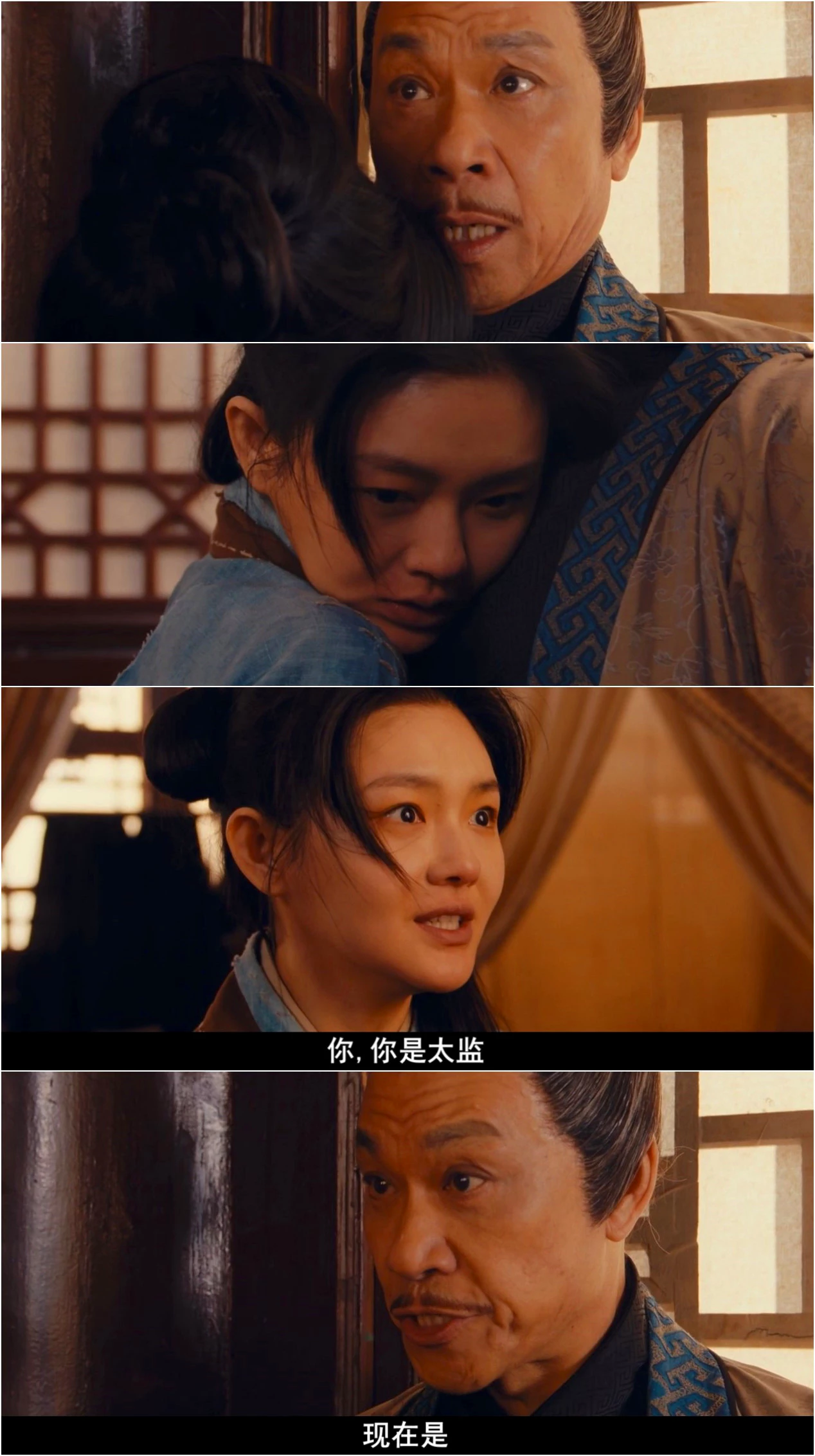
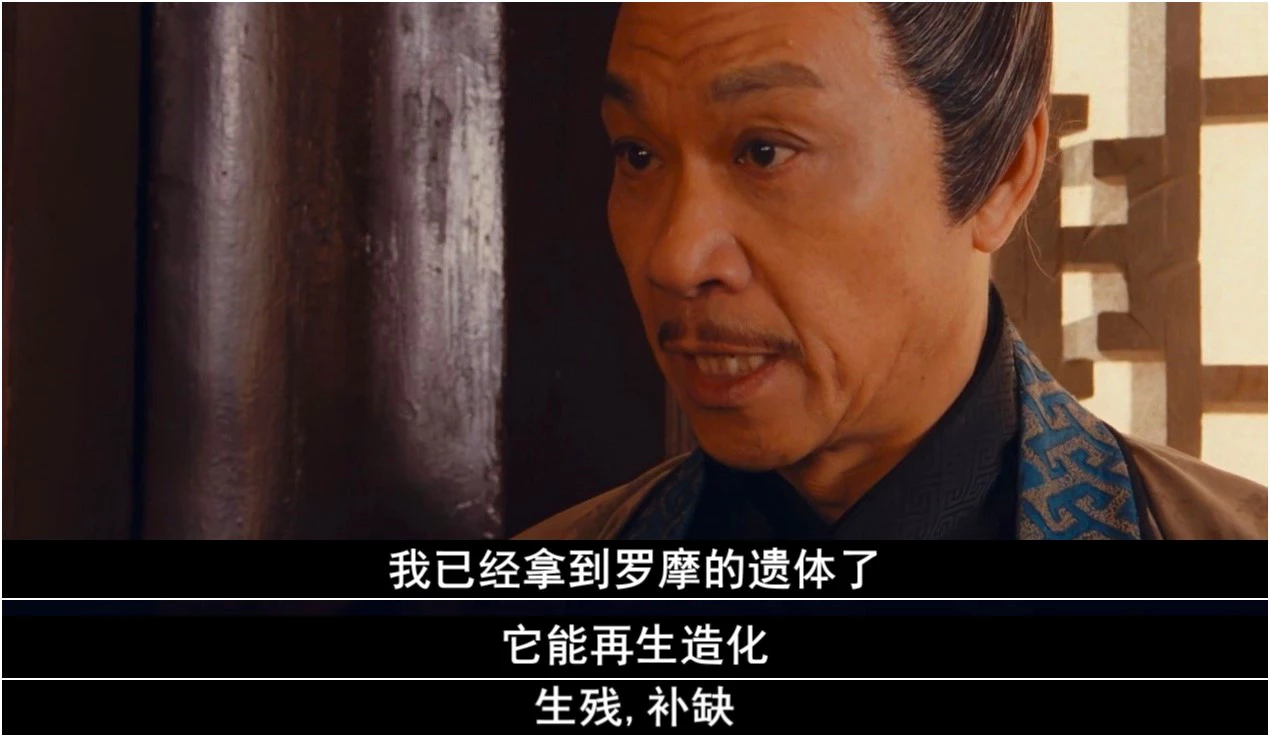
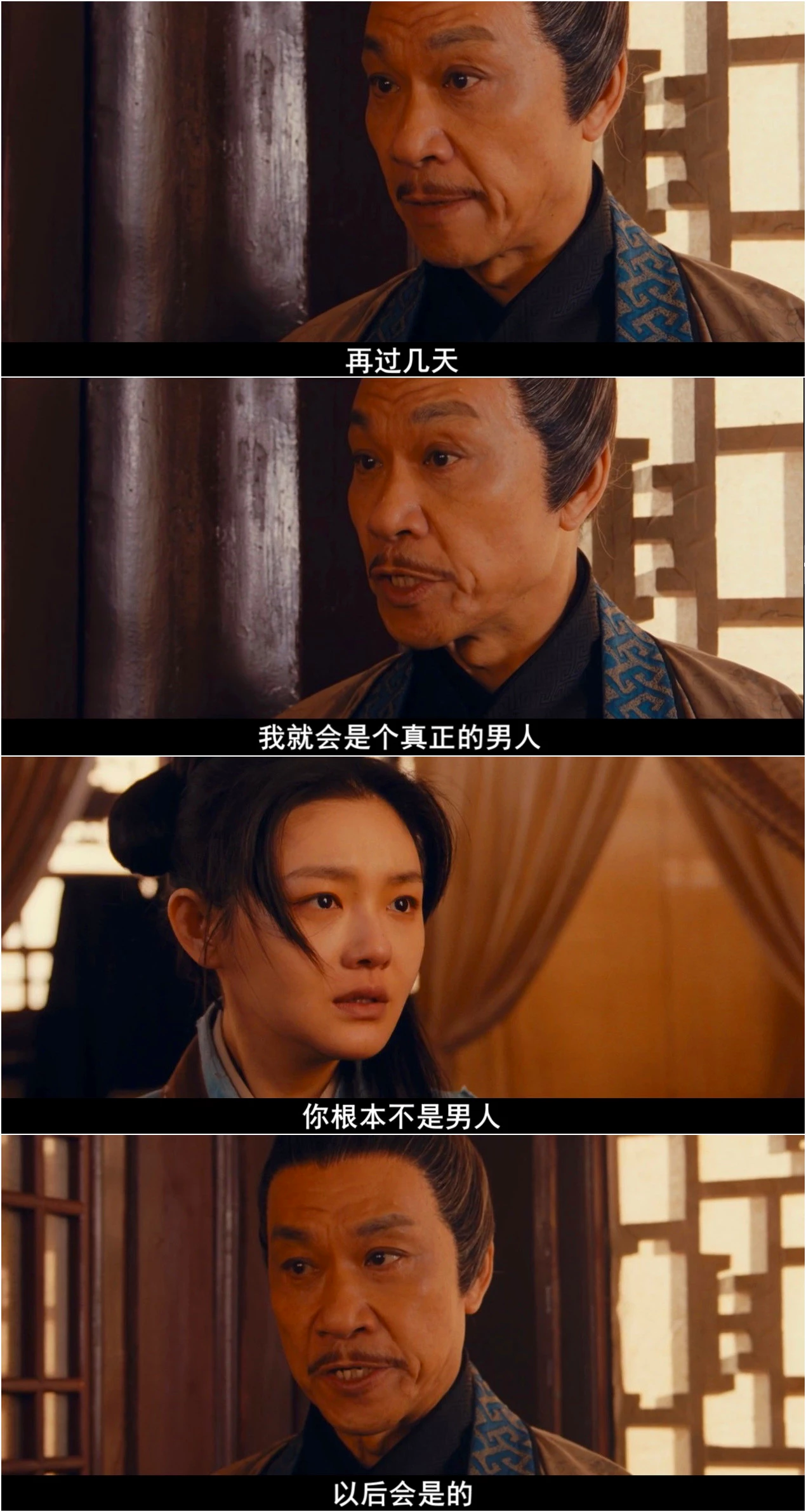
I remember seeing this scene in the cinema back then and watching the whole theater explode with laughter. The film’s entire reputation collapsed with that one laugh.
Audiences had heard of villains like Yue Buqun, Lin Pingzhi, and Dongfang Bubai castrating themselves to master supreme kung fu. But they had never heard of a great demon enduring all that trouble just to grow his penis back.
What a pathetically unambitious great demon!
But I completely understand that Su Chao-pin deliberately played with a trope reversal here. Before this film came out, wuxia movies had already used the “castrate yourself for supreme kung fu” bit far too many times:

It had become a thoroughly worn-out wuxia gag. So why not reverse it for once?
Horny-Brained Villains
What Su Chao-pin failed to anticipate was that, in the audience’s eyes, human desires come in different ranks.
The BOSS in Reign of Assassins could be called a horny-brained villain. This kind of villain’s life ambition is to spread his seed everywhere.
The desire he represents is “sex,” one of the 16 basic desires. The book calls it “romance”: in other words, the instinct to reproduce.
Unfortunately, horny-brained villains probably rank as the lowest of all villains in the audience’s eyes. If he were just a henchman, fine. But for the BOSS to have a life goal at this level? That is a little hard to defend, isn’t it?
In fact, those 16 human desires do not inherently rank higher or lower. Whether you love power or beautiful women, ultimately you’re trying to get through some particular survival predicament, so there is no such thing as a more elevated or more lowbrow desire.
But to most viewers, a martial-arts grandmaster whose life goal is “growing a penis” is simply impossible to accept. In ordinary people’s minds, desires still come with a hierarchy.
I myself am fairly comfortable with the idea that desires have no hierarchy, so I can completely overlook this biggest absurdity in Reign of Assassins.
And once I do, I discover that this bizarre film, whose ultimate goal for its biggest BOSS is a penis, can honestly be called the best wuxia film of the past ten years—no contest.
Foodie-Type Villains
All right, now that we’ve covered Reign of Assassins as a negative lesson, does that mean a villain whose desire is lowbrow can never be a successful character? Apparently not.
As the saying goes, “Food and sex are human nature; once fed and warm, people think about sex.” About as lowbrow as “sex” is probably “food.” And yet successful foodie-type villains are everywhere.
There have been plenty of foodie-type villains on screen lately, with East and West competing to serve them up.
The two great Western foodie-type villains are vampires and zombies: one drinks human blood, the other eats human brains.
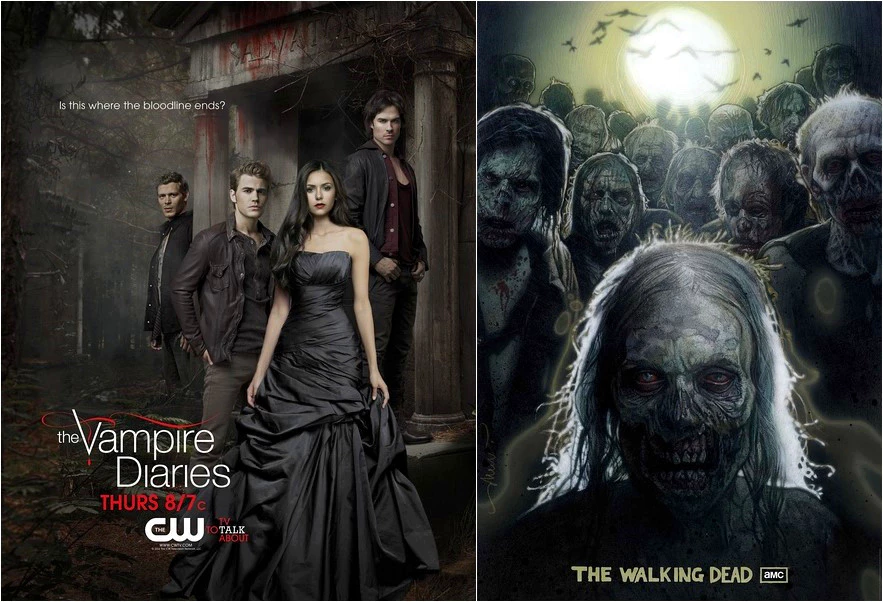
The East has not been outdone lately. It has produced foodies of its own: first Hajime Isayama’s Attack on Titan, then the Taotie in Zhang Yimou’s The Great Wall last year.
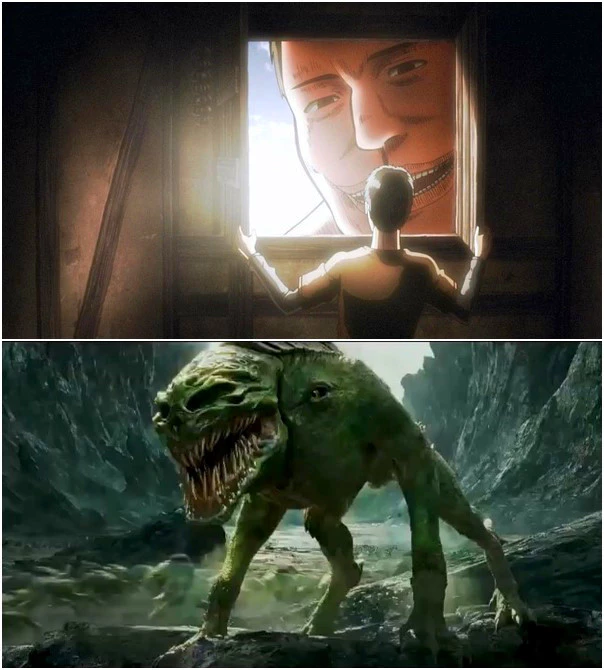
Think about it: these two are especially similar. In both Attack on Titan and The Great Wall, humans live inside walls, using them to separate humanity from the foodies. And the humans defending the walls all use a kind of gymnastics-like technique to fly up and down while fighting monsters.
Coincidence, you say? Or coincidence?
Of the four foodie-type villains mentioned above, all but the Taotie are highly successful.
From True Blood to Twilight, from The Walking Dead to Train to Busan, vampires and zombies have spawned two subcultures that have swept across the globe.
Attack on Titan has also become a phenomenon in recent years, and Hollywood recently bought the rights.
But the Taotie aren’t so bad, are they? Wasn’t their acting in the film second only to Matt Damon’s?

Do Desire and Identity Fit?
So it seems that a villain is not automatically rejected just because his desire is lowbrow. What audiences may be watching is whether the desire fits the character’s identity and setup.
Vampires have to drink human blood, zombies have to eat human brains, and Taotie have to eat TFBoys—or they die. So it makes perfect sense for them to be foodies.

But a martial-arts grandmaster does not need a penis in order to live.
—And that is the heart of the problem. Desire and identity have to fit.
Fitness-Type Villains
As long as the desire and the identity fit together, even a desire that looks absurd at first glance can be attached to a bad guy and used to create a memorable character.
One of the 16 desires, for example, is exercise: the desire to strengthen the body.
Exercise strengthens the body, which increases our ancestors’ odds of successfully hunting and escaping. So of course it is one of our instincts.
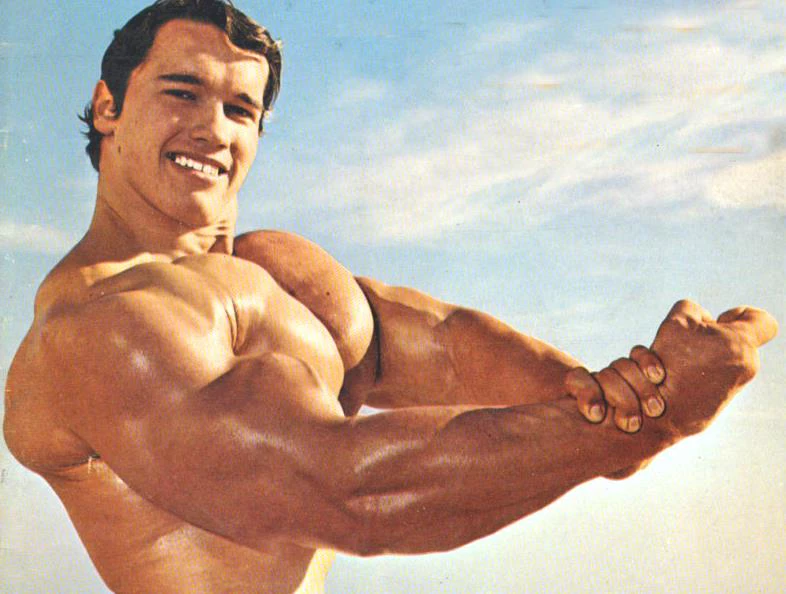
You might ask: if someone wants to train themselves to be taller, faster, and stronger, what’s wrong with that? Could someone really do evil because of it?
Of course they could. If someone quietly lifts weights in a gym, they are harmless enough. But if a huge guy pats you on the shoulder and says:
“Hey, little buddy, come on over and help me become taller, faster, and stronger.”
Wouldn’t your butt suddenly clench?
There is one movie character who has made a lot of heroes on Earth clench their butts that way: the Predator.
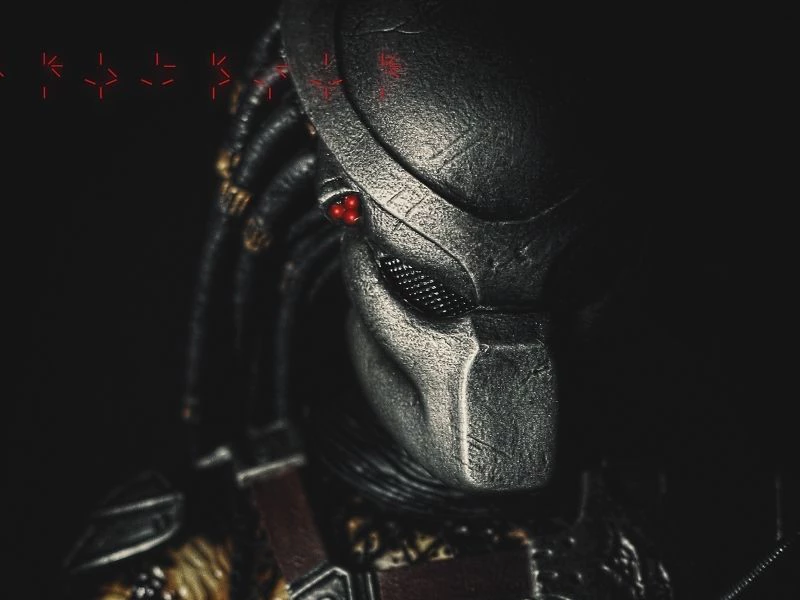
Predators are a pretty bizarre kind of alien. Their rite of passage is traveling to another planet to fight a hulking alien one-on-one.
Win, and you’re an adult—that is, you make yourself taller, faster, and stronger by beating up a hulk from another planet.
And so they became some of the rare villains in film history whose ultimate goal is physical training.
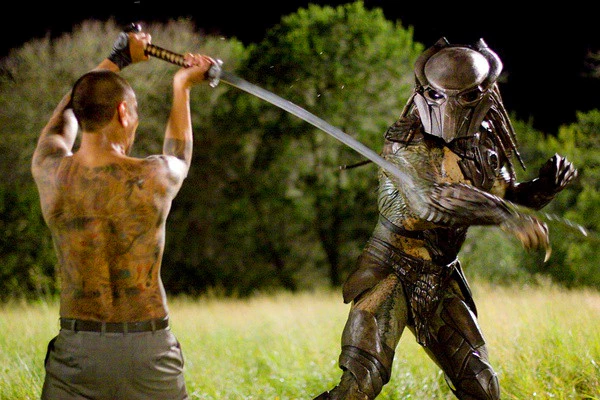
See? Give a desire the right identity and background, and even a strange setup like “doing evil for fitness” no longer feels out of place.
Marvel’s Problem
All right, now we can return to the Marvel movies I was mocking at the beginning of the show.
Giving a Marvel movie’s BOSS a desire presents one particularly tricky problem:
These BOSSes are all not human.
Take Dormammu in Doctor Strange. He is a cosmic overlord, an entity infinite in space and endless in time.
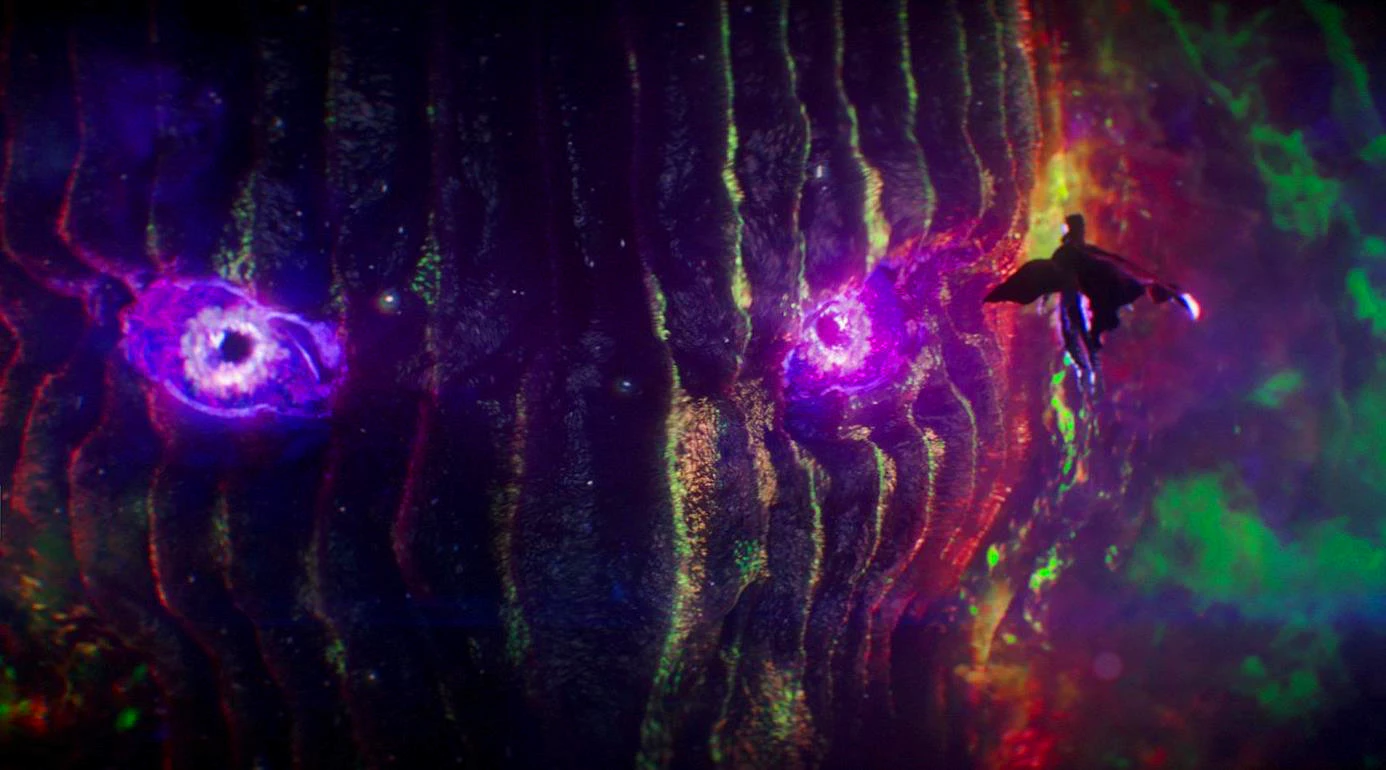
Can an existence on that philosophical level still have desires that only a human could have?
It shouldn’t.
If a villain on this level still patterns its behavior on human desires, the logic is bound to become shaky.
In Doctor Strange, Dormammu’s desire is:
One universe isn’t enough. He wants to swallow up several more.
This is basically screenwriters trying to infer the desires of a cosmic overlord from those of flesh-and-blood creatures.
Isn’t that a bit unimaginative? We humans eat one meat bun, find it delicious, and want another—that makes perfect sense. But the universe isn’t a meat bun.

What Should Thanos Do?
What I’m curious about next is this: what is the ultimate goal of Marvel’s other big boss—the Thanos who’s about to make his entrance in Avengers: Infinity War?
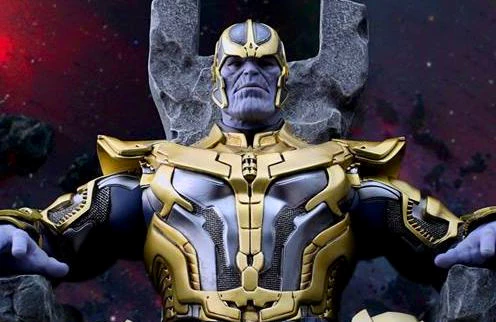
To make his ultimate desire believable, I can think of only two ways to handle it.
Take It Head-On
The first way to handle it: take it head-on!
Since the big bad is a being on a philosophical level, its desire should be philosophical too.
What does a flesh-and-blood being crave most?
Probably immortality.
So what would a being that exists infinitely across space and time crave most?
I think it should be the exact opposite of a flesh-and-blood being: what it craves most—is death!
For a masterpiece that takes this kind of straight-ahead, philosophical approach, I recommend an Isaac Asimov short story, The Last Answer. I won’t go into it here.
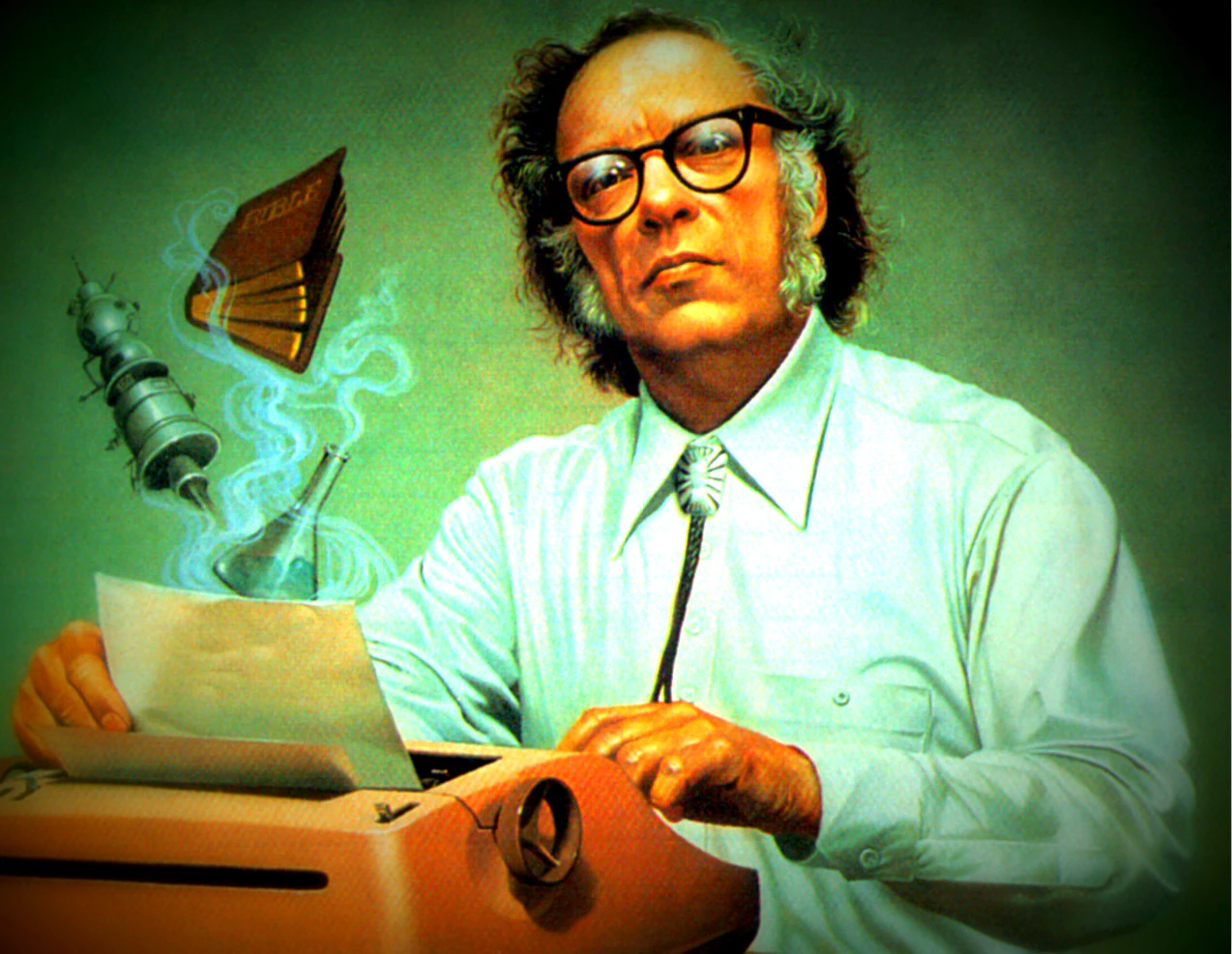
If Marvel dared to film it this way, what they made would surely be a masterpiece. But I know they wouldn’t dare.
Go Low
Then only the second way remains: just go low. Since this philosophical sort of being is too lofty to approach, let’s simply bring it down to the level of ordinary people.
The final scene of Avengers: Infinity War could go like this:
Thanos finally collects all the Infinity Stones and defeats the Avengers.
Just when the Avengers, beaten seven ways to Sunday and strewn across the ground, are utterly despairing, Thanos raises a finger covered in Infinity Stones and says:
“You tell me: Am I the most beautiful being in the universe?”
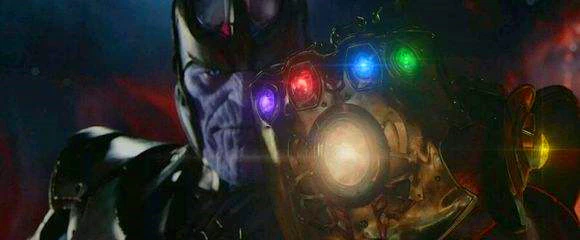
See? Turn Thanos into a compulsive collector and a narcissist, and doesn’t he become both more believable and more lovable?
People, books, and bits of trivia mentioned in this article:
1. Steven Reiss, Author of Who Am I: The 16 Basic Desires That Motivate Our Actions

Steven Reiss once served as director of the Center for Intellectual and Developmental Disabilities at Ohio State University. He was a veteran expert in personality and clinical psychology. He died on October 28, 2016.
Steven Reiss’s model of 16 basic desires is ten thousand times more scientifically sound than the “Maslow hierarchy of needs” familiar to the general public (although one talks about “desires” and the other “needs,” they’re basically the same thing).
2. 16 Basic Desires


3. Double Vision
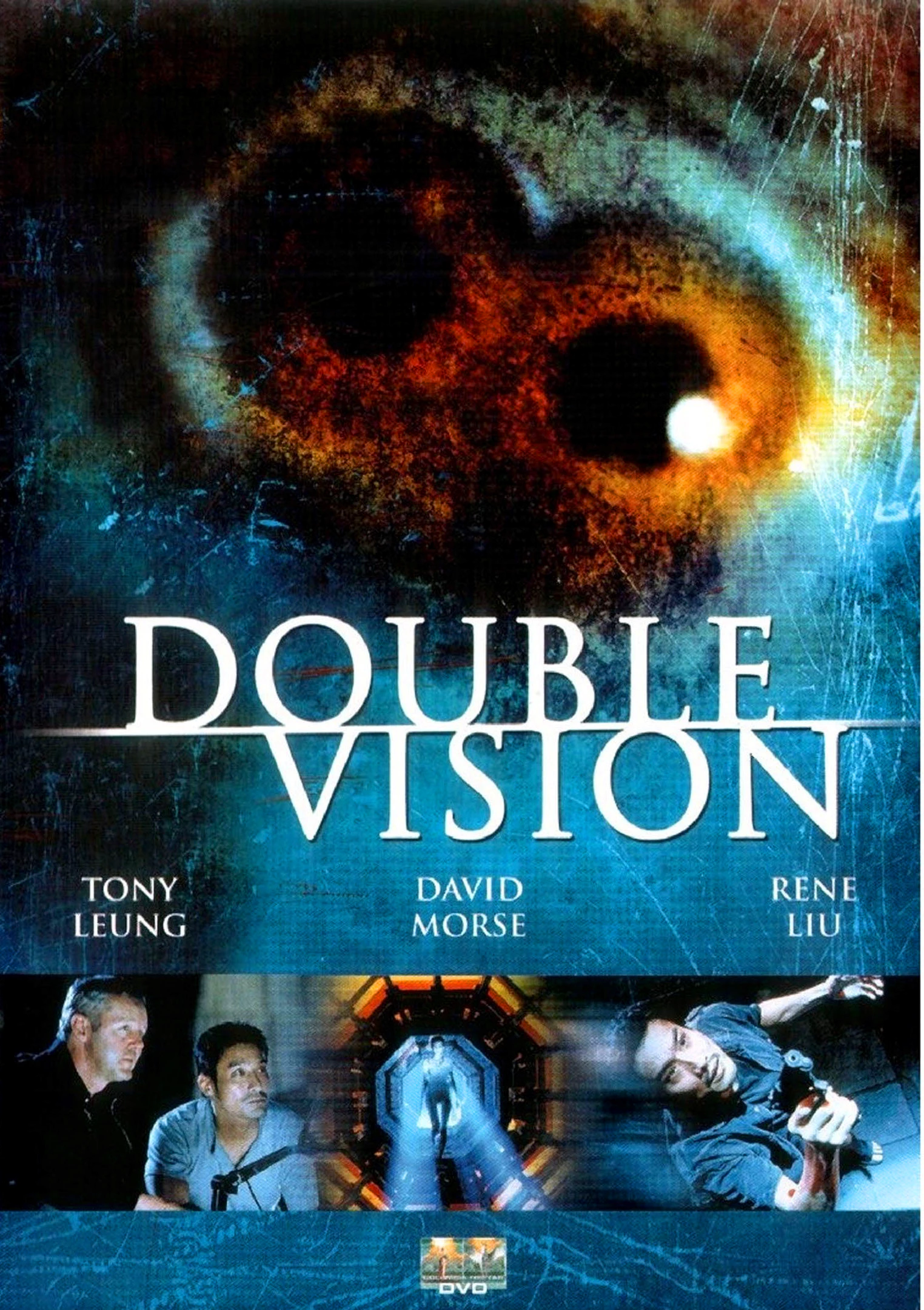
I believe Double Vision, written by screenwriter Su Chao-pin, remains the pinnacle of Chinese-language horror cinema to this day.
4. The Last Answer
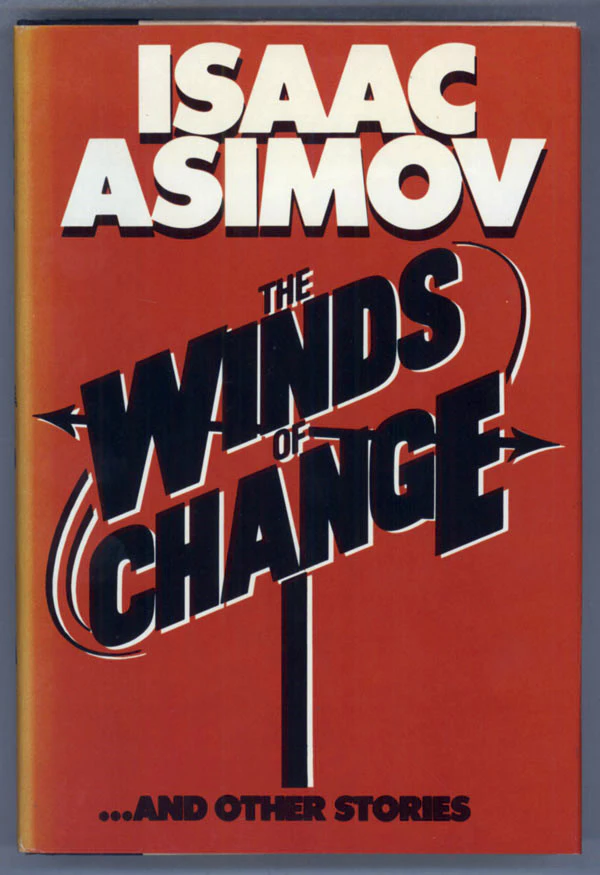
The straight-ahead masterpiece The Last Answer mentioned in the article is a work published by Isaac Asimov in 1980; it was later included in the short-story collection The Winds of Change and Other Stories, published in 1983.
The Last Answer and The Last Question are, in my mind, Isaac Asimov’s two greatest short stories.
Collected in
- After revision, the article’s central argument was included in The 24-Frame Psychology Code.

Leave a Reply