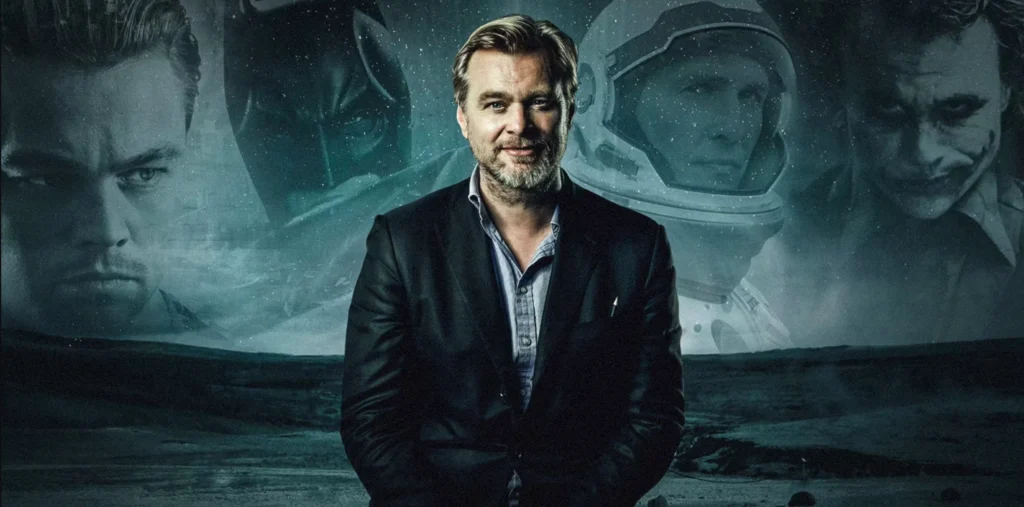
Audiences expect the mask to be pulled off, but Nolan says: only by staring at that mask can you see the truth.
The new film Dunkirk by the great Christopher Nolan opens today. I dug up an overseas edition of a book to give you a little pre-film homework.
I’m going to use one keyword distilled from this book to connect all of Nolan’s past works, and use it to interpret the shared spiritual core running through them. Take this keyword with you when you watch Dunkirk, and you might discover some pleasures that other viewers miss.
The book I found is called The Fictional Christopher Nolan. Its author is Todd McGowan, an assistant professor at the University of Vermont and a scholar who has done substantial research in film theory.
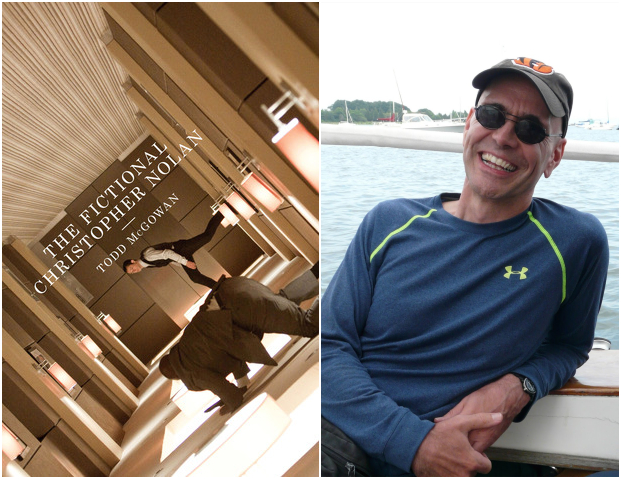
McGowan argues in the book that nearly all of Nolan’s works share one common element. Once we understand this element, we understand Nolan. I’ve distilled it into one keyword: borrowing illusion to reach truth.
Audience Expectations and the “Anti-Formula”
So what does “borrowing illusion to reach truth” mean? McGowan says Nolan’s most distinctive quality is that, when handling the relationship between “illusion” and “truth” in a plot, he deliberately violates the audience’s psychological expectations.
Nolan’s films can almost all be classified as mysteries.
Every mystery film necessarily contains these two sides, truth and falsehood. “Truth” is the truth revealed at the end of the story; “illusion” is the fiction wrapped around it. It can be a mask, a lie, a deception, or even a dreamscape.
In the usual formula of mystery films, illusion and truth are always opposed. The climax must be the moment when the lie is finally exposed, the mask finally removed, and the deception finally uncovered. In other words, truth is revealed by destroying the illusion.
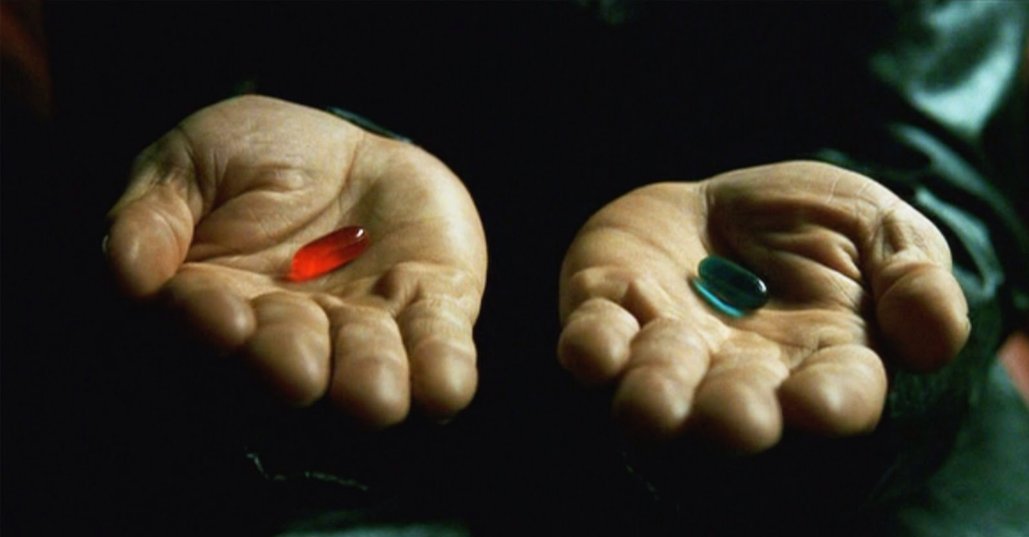
Take The Matrix: only after the protagonist swallows the red pill and clears away the fog of the virtual world can he see the truth of reality.
Here, the unreal is the enemy of the real.
And of course, this is exactly the formula that best matches ordinary audience expectations. No matter how bizarrely lies and deceptions function in a film, in the end they are always covering up the truth. That much never changes.
With Nolan, however, the relationship between falsehood and truth is nothing like that. Illusion is not an obstacle to the revelation of truth; it is instead the only route to it.
In Nolan’s Inception, the protagonist buries the guilt of causing his wife’s death deep inside a dream. For him, reality is not truth but an escape from truth. So, in direct contrast to The Matrix, the protagonist of Inception can make the truth emerge only by going deeper into the dreamscape.
Here, the unreal is the path to the real.

Audiences expect the mask to be pulled off, but Nolan says: only by staring at that mask can you see the true face.
“Using illusion to reveal truth”—that is what “borrowing illusion to reach truth” means.
And that is precisely an “anti-formula” that violates audience expectations.
A master can play with formulas; a supreme master transcends them.
If we look back at Nolan’s works from this perspective—from his earliest Following and Memento to his later The Dark Knight and Inception—we find that Nolan has always been tirelessly playing with this anti-formula of “borrowing illusion to reach truth.”
Memento: Truth Is a Lie
In Nolan’s anti-formula, the audience’s expectation of finding the truth inevitably falls flat, but what follows is an unexpected and novel experience. That is exactly the effect Nolan wants.
Take Nolan’s early masterpiece Memento. The film unfolds in strict reverse order, so its opening is actually the story’s ending: in the very first scene, the protagonist kills the man who murdered his wife.
After that, the audience naturally sets off with the protagonist on a journey to track down his wife’s killer. Even though we have already seen the ending, we still desperately want to know how he found the culprit.
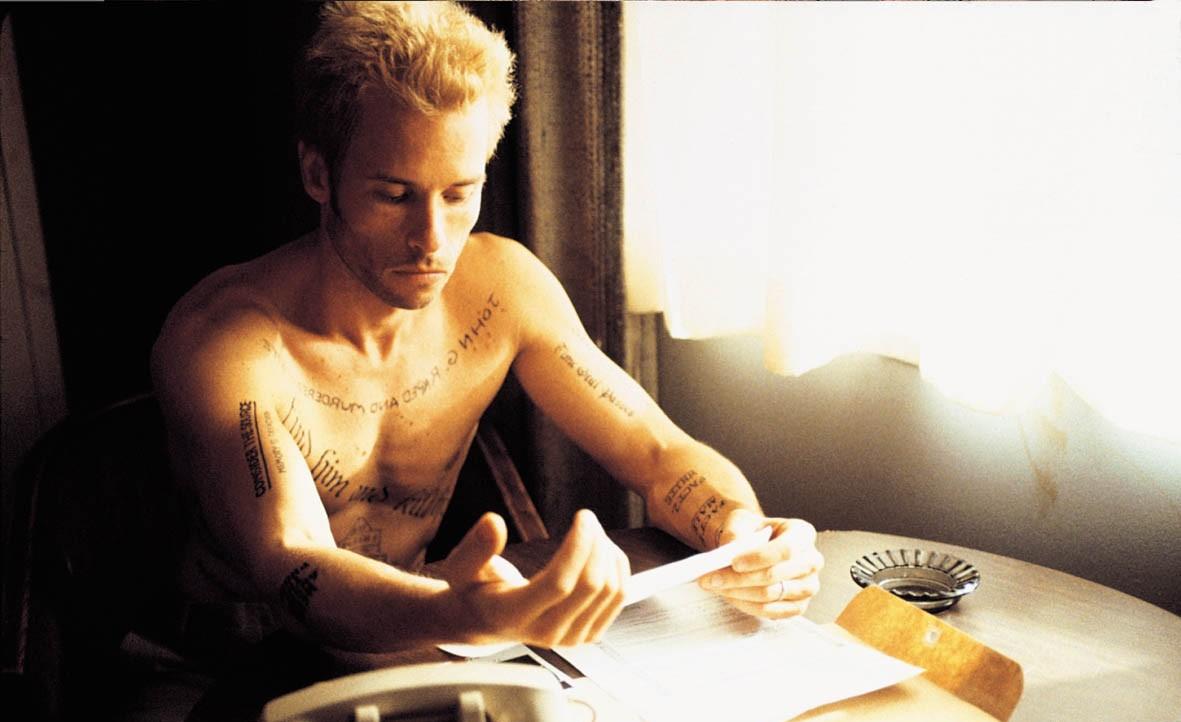
Yet the film’s final moment delivers a thunderbolt reversal: there was no wife-killer to track down at all. The journey began with a thoroughgoing lie. The audience’s expectations briefly collapse, and everything they had seen was an illusion produced by that lie.
But Nolan’s anti-formula shows its power here too. What he wants to tell the audience is this: since “truth is a lie,” the only way to truly understand and experience the meaning of this truth/lie is to examine, carefully and completely, the illusions created by the lie.
—Truth emerges from staring at illusion. That is why Nolan tells this story in reverse. He knows that only this form can seize the audience’s attention on every detail within the illusion. And only after examining these illusions one by one can the truth appear, outside the audience’s expectations, with maximum explosive force.
Nolan misleads the audience’s expectations while precisely guiding them toward truth through the illusion. So the anti-formula feels both unexpected and perfectly logical. Its success hinges on Nolan’s exquisite manipulation of audience psychology.
Batman’s Mask
Among Nolan’s mid-to-late works, the one that plays this anti-formula of “borrowing illusion to reach truth” with the greatest flair and lingering resonance is undoubtedly The Dark Knight trilogy.
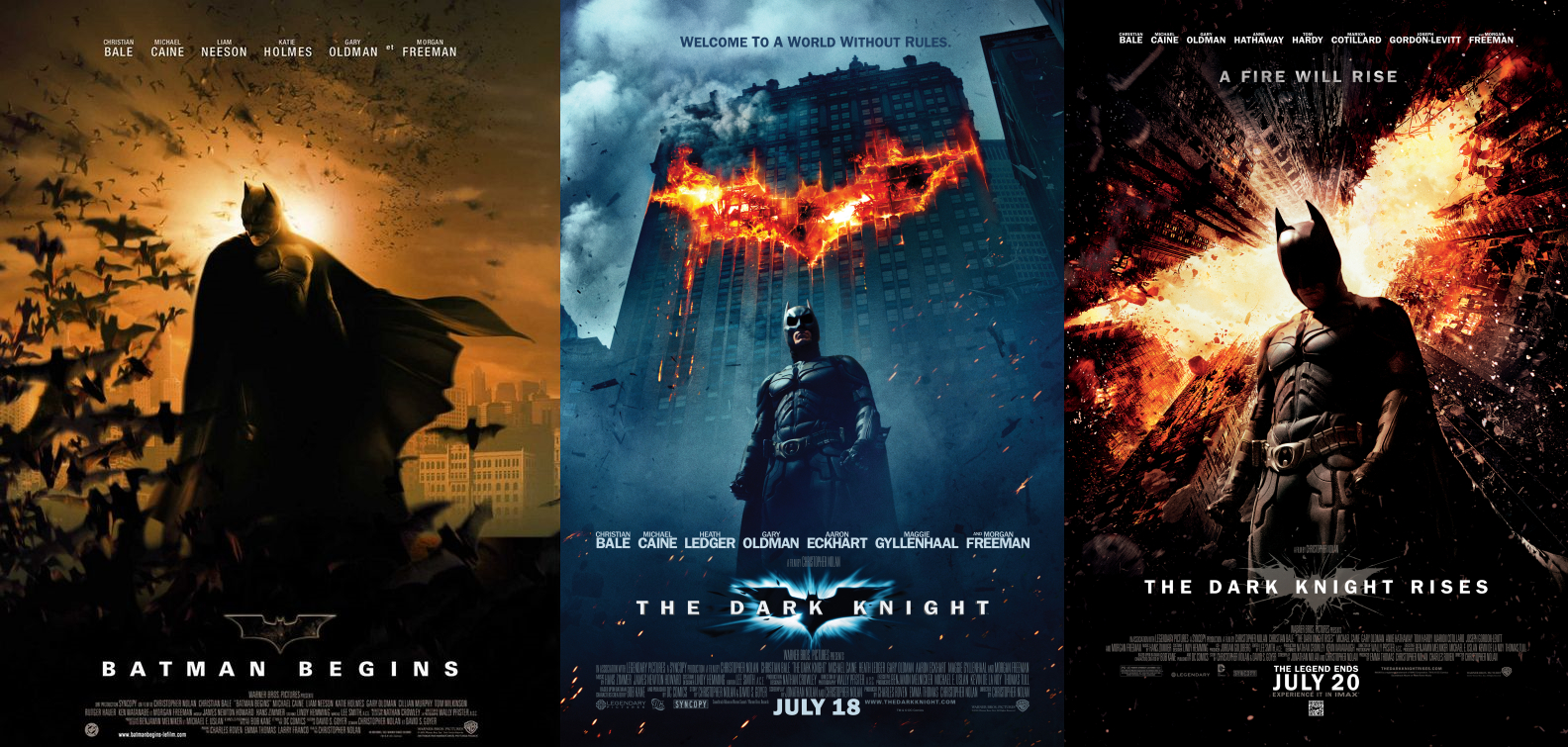
The source of this story is a transformation between the real and the unreal.
In the first film, Batman Begins, Bruce Wayne completes his training in the remote mountains of China and comes back down into the world. His butler Alfred asks him: Master Wayne, what exactly are you planning to do?
Bruce answers: to fight crime, the strength of one ordinary human body like mine isn’t enough. A real person can be destroyed easily, but if I turn myself into a symbol, an idea, I might become impossible to defeat.
Batman is merely an unreal symbol. After Bruce Wayne moves from the real into the unreal, he instead gains the real power to strike fear into criminals. Put another way, Batman’s power comes almost entirely from the empty name “Batman”—or, more precisely, from that bat mask.
Spider-Man’s power comes from the mutant spider that bit him. Whether he is Peter Parker or Spider-Man, the power remains. Iron Man’s power comes from the high technology inside his armor. Whoever controls that technology controls Iron Man’s power. Their powers come from tangible genes and technology, with no direct connection to the names “Spider-Man” or “Iron Man.”
Batman is different. Once his mask is shattered, the little martial-arts training he picked up in the mountains is practically worthless. For him, real power is completely attached to an unreal symbol. The unreal is the foundation of the real.
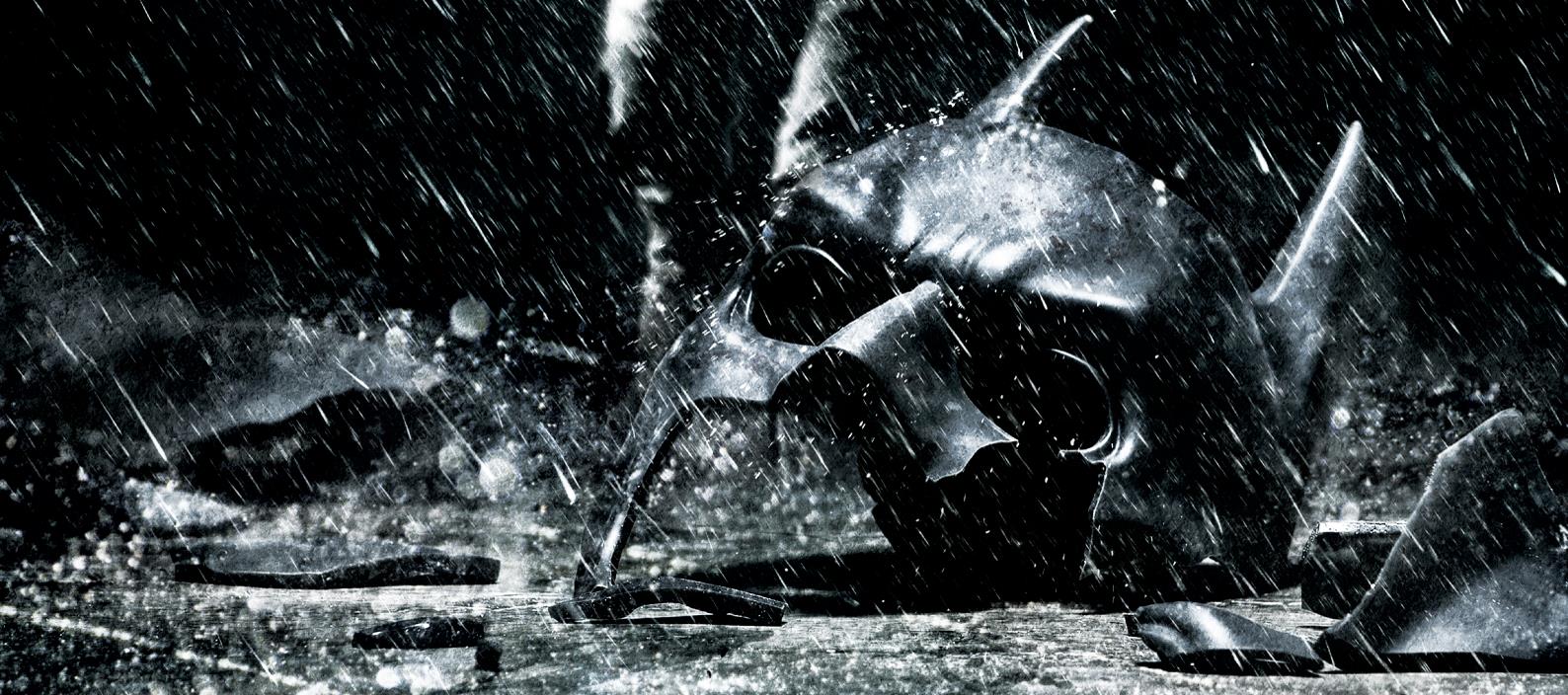
In the second film, The Dark Knight, Nolan tries to answer a serious question that no superhero comic-book movie can avoid: what is the essence of a superhero?
The answer is actually quite simple:
A superhero’s capture of criminals is not based on public authority granted by law; it is law enforcement outside the law. In other words, superheroes are no different in essence from the criminals they pursue. They are all outlaws.
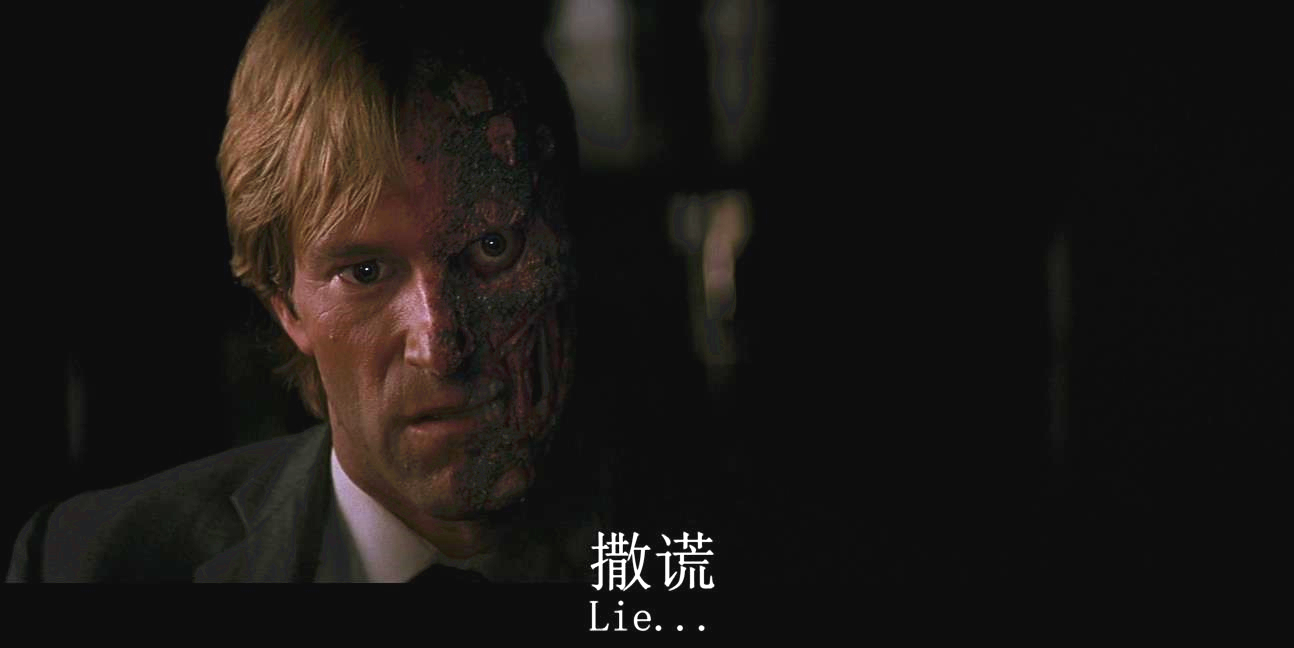
This truth is fully revealed in the final scene of The Dark Knight. Harvey Dent—Two-Face, the man everyone had placed their hopes in—turns into a criminal, and Batman chooses to shoulder Two-Face’s crimes.
Batman tells a lie, confessing to a crime he did not commit. Yet through this very lie, Batman tells the public the superhero’s true face: they are criminals themselves.
Here, Nolan once again reminds us that a lie is not an obstacle to truth’s emergence; it is the path by which truth is revealed.
The Joker’s Makeup
By now we can see that nearly every dramatic conflict in Batman comes from the contradiction and unity between the real and unreal in his identity and in his actions.
And if we look at Batman’s most terrifying opponent—the Joker—from this angle, we discover just how extraordinary a character he is.
Among all the protagonists and antagonists in Nolan’s many films— from the amnesiac man in Memento and the magicians in The Prestige to Two-Face in The Dark Knight and Miranda in The Dark Knight Rises—everyone except the Joker has two faces, one real and one unreal. The Joker alone has only the unreal, with nothing real underneath.
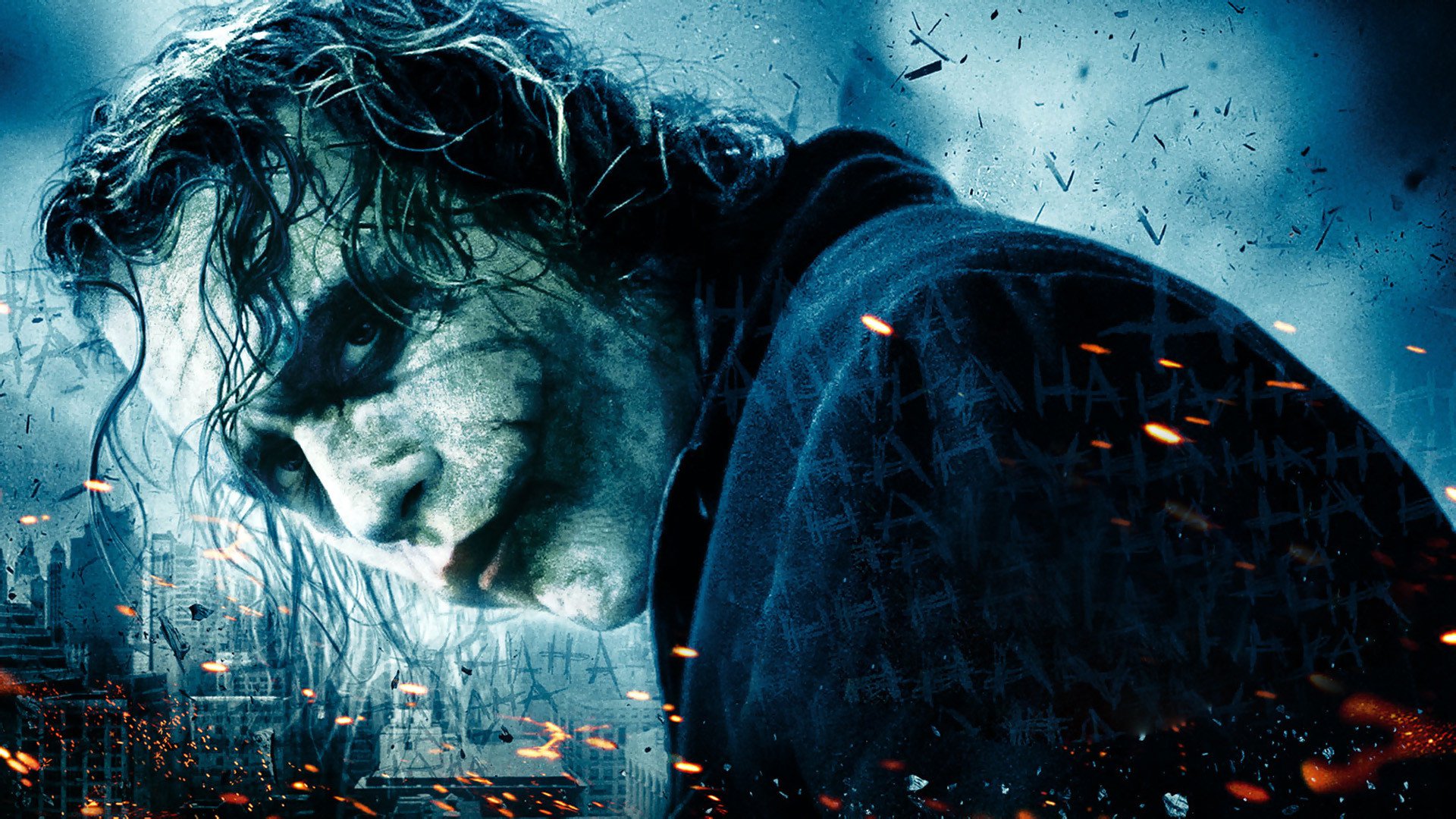
The Dark Knight contains a stroke of genius: the Joker reveals the origin of his facial scars twice.
The first time, the Joker says this to the mob boss he has subdued:
Want to know how I got these scars? My father was a drinker. One night he went crazier than usual, and Mom grabbed a kitchen knife to defend herself. He didn’t like that, so I watched him stab her while laughing. Then he turned to me and said, “Why so serious?” He put the blade in my mouth and said, “Let’s put a smile on that face.”
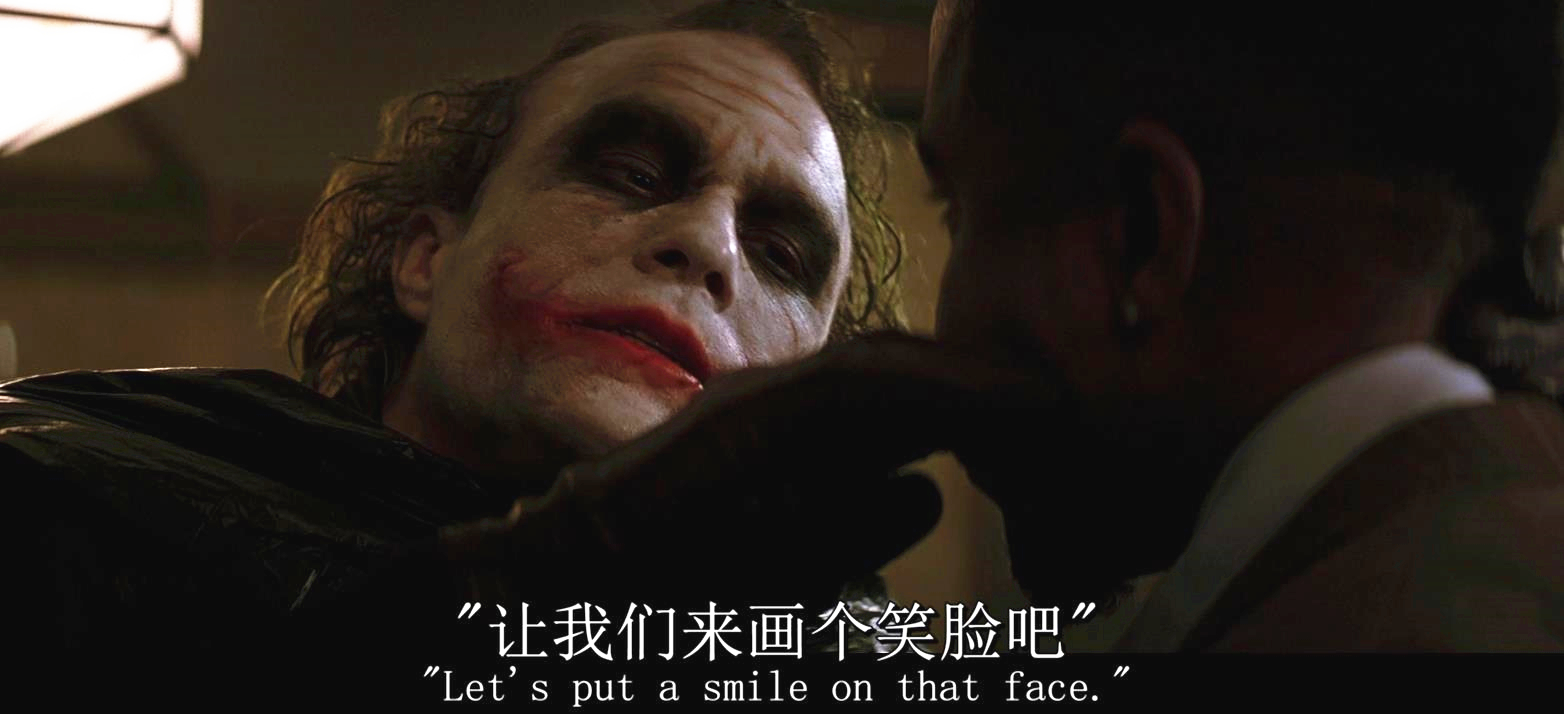
But moments later, when the Joker captures Batman’s girlfriend Rachel, he tells her this instead:
I used to have a wife, beautiful like you. She always told me I worried too much and that I should smile more. Then some gangsters slashed her face. We couldn’t afford plastic surgery, and she couldn’t stand the way she looked. I wanted her to know I didn’t care about her scars, so I put a knife in my mouth and did this to myself. You know what? She couldn’t stand the sight of me and left. The funny thing is, now I’m always smiling.
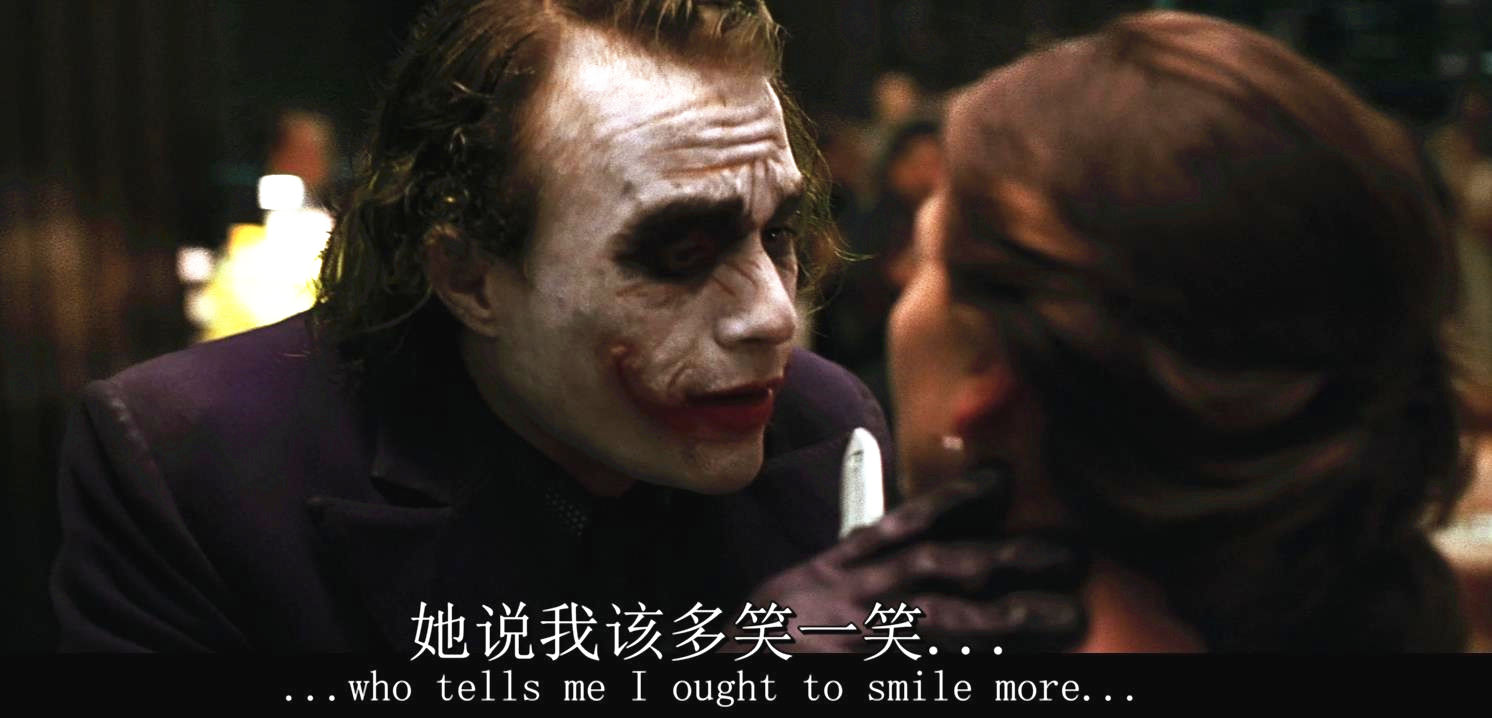
After hearing these two confessions, the audience realizes that they are nothing more than stories the Joker invented.
The Joker has no past.
In fact, even by the end of the film, no matter how Batman and Gordon investigate, they know nothing about the Joker’s true identity.
Every other character in Nolan’s films, even when the real and unreal within them cannot be separated, has never managed to fuse the two completely. Beneath Batman’s mask, after all, there is still Bruce Wayne.
Only the Joker, even if you wipe the greasepaint off his face, is still the Joker.
That is why the Joker is a peak achievement among Nolan’s characters. He has no substance, so the real and unreal fuse completely into one.
In this way, Nolan’s exploration and questioning of the relationship between the real and unreal reaches a kind of completion in his creation of the Joker.
This is an anti-formula built on top of an anti-formula. Nolan leads the audience to search for truth inside illusion, only for us to discover this time that the truth is empty.
The most powerful enemy has no substance. In the collapse of our expectations, the audience arrives at something close to the Zen insight: “Originally there is not a thing; where could dust alight?”
Epilogue
All of the above is the Nolan I have sketched for you
…an illusion.
I of course have no idea what the real Nolan is like, but I believe his reality, too, must be fused into this illusion.
“When the false is taken for true, the true becomes false”—the key to decoding the real world lies hidden in the Land of Illusion. And that, perhaps, is also where the magic of Nolan’s films lies.
Leave a Reply