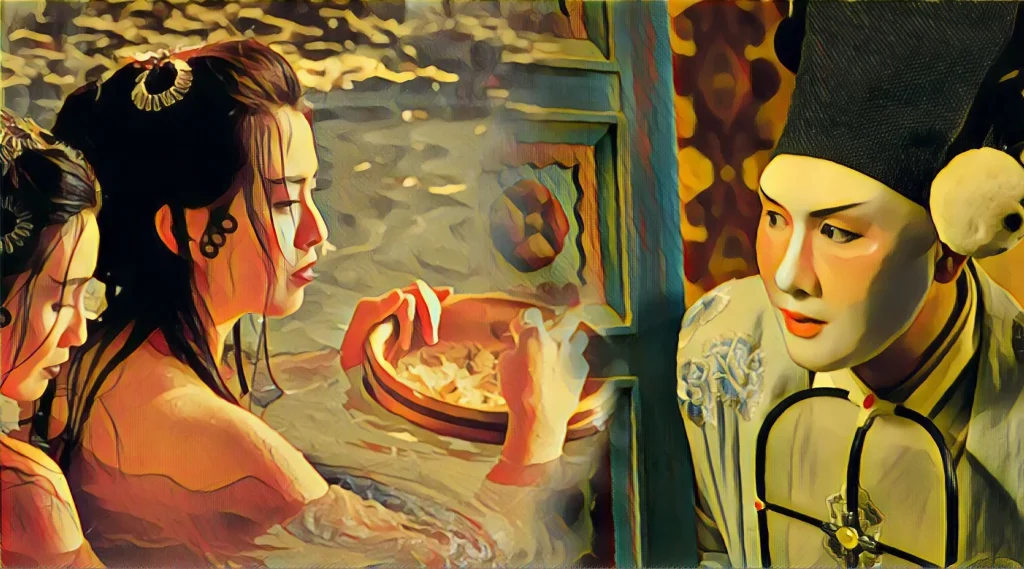
《西游:伏妖篇》最细思恐极的细节。
1. The Empress Dowager
Let’s start with a deleted scene from Journey to the West: The Demons Strike Back:
The first person to speak in the video is the real King of Bhikkhu Kingdom, the one rescued from the dungeon by Tang Sanzang and his disciples—not the one impersonated by Red Boy.
As soon as this real king sees Jiugong, he calls her “Mother,” while Jiugong quickly denies it.
But isn’t this a little too obvious? This is practically the most textbook case of the subtext and surface dialogue being exact opposites.
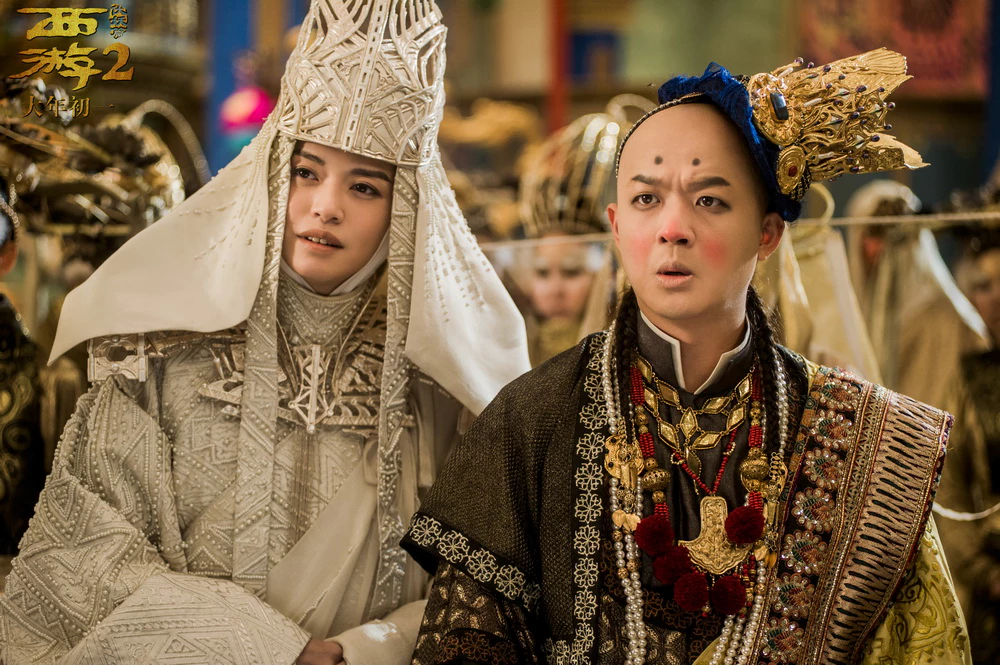
Isn’t that denial by Jiugong just a blatant hint to the audience that the King of Bhikkhu Kingdom is actually her son?
That deleted scene instantly reminded me of a small detail in Journey to the West: The Demons Strike Back that almost nobody seems to have noticed.
Following that clue, I let my runaway imagination take wing. Not only did I spin out a theory about who the King of Bhikkhu Kingdom’s father was, I also tracked down a little-known version of Legend of the White Snake.
So let’s take a closer look at this wild theory.
Jiugong and the Tathagata’s Conversation
What was the small detail in Journey to the West: The Demons Strike Back that caught my attention? It was these two lines of dialogue between Jiugong and the Tathagata near the end of the film:
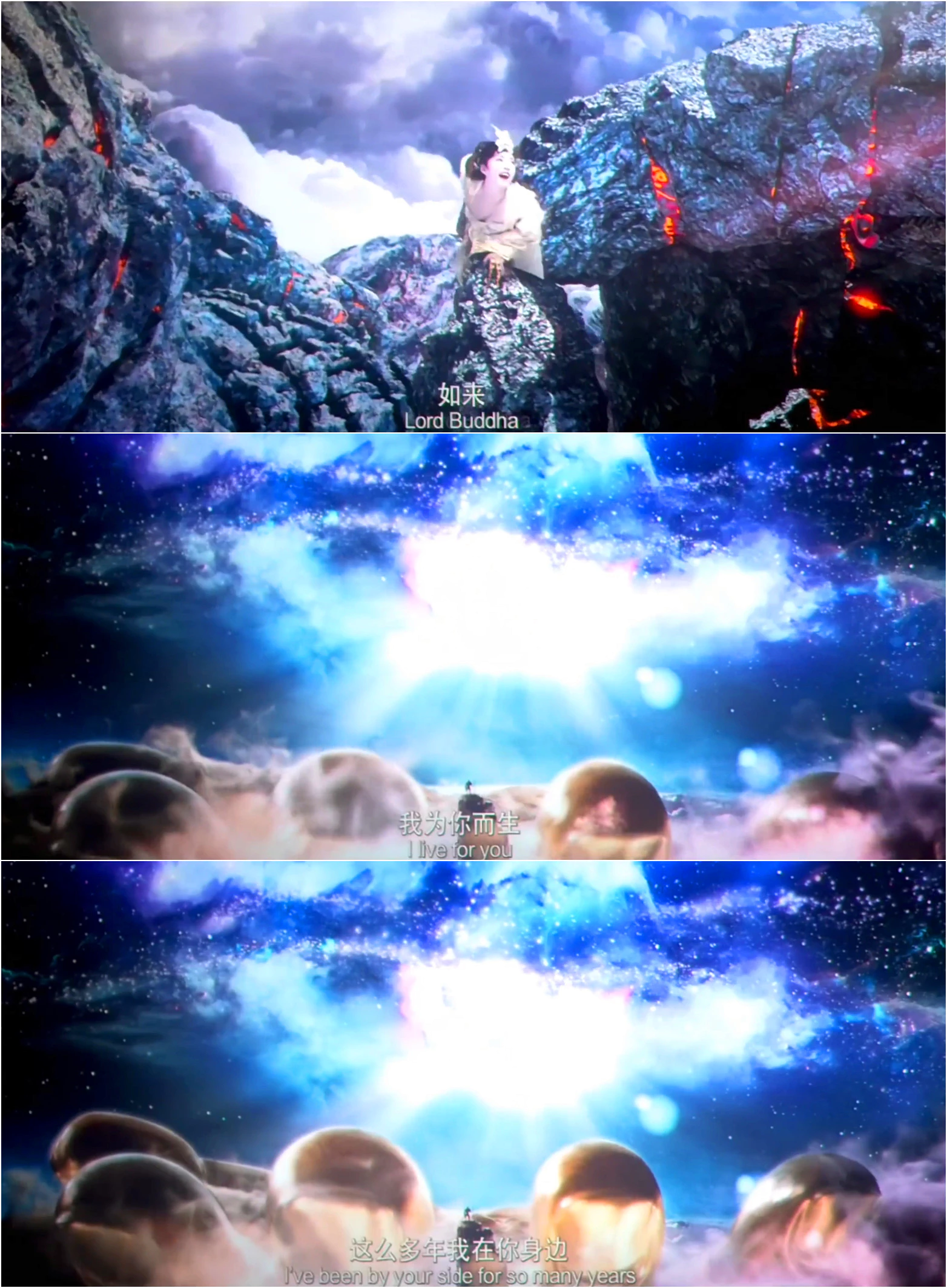
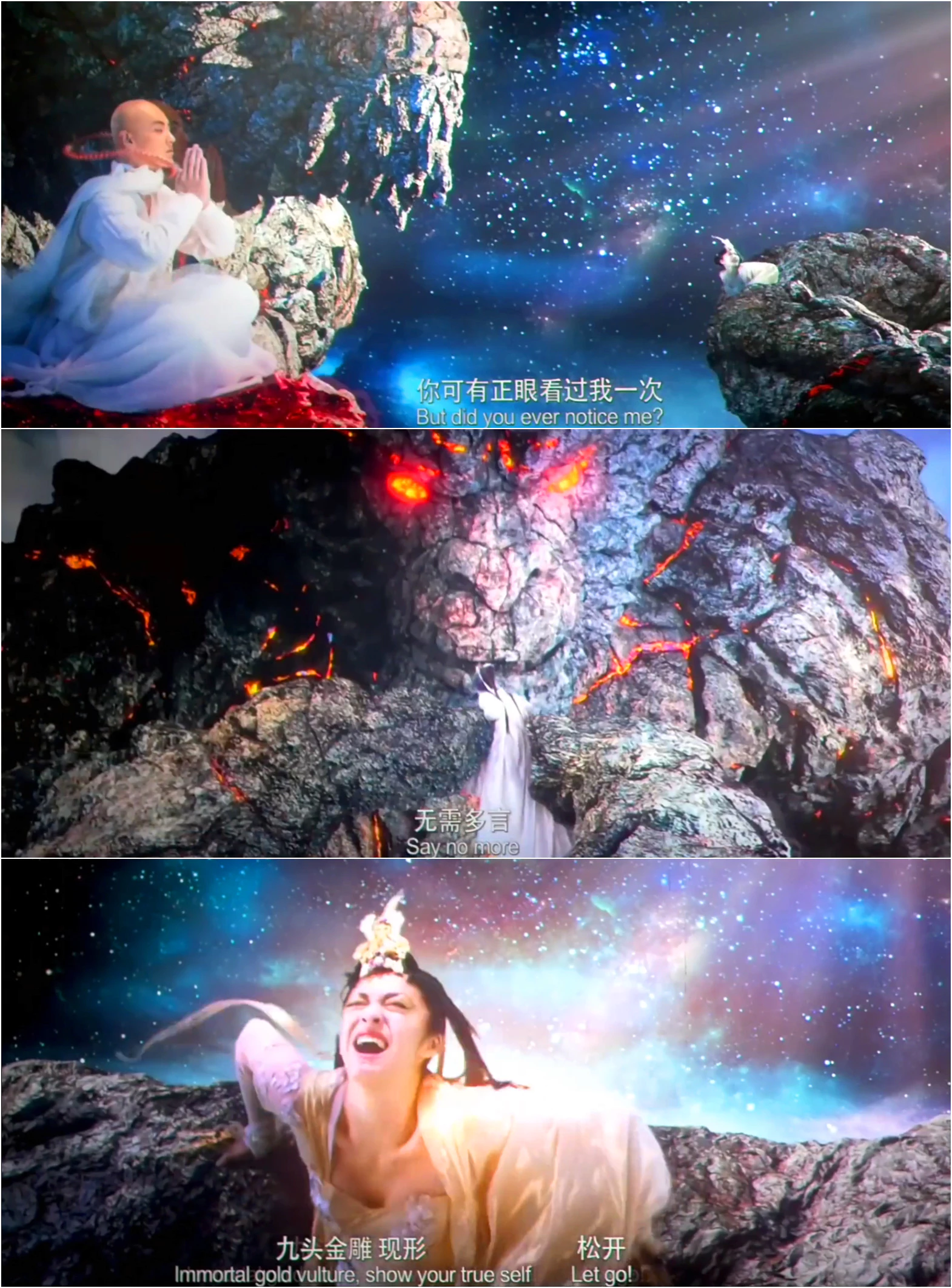
Jiugong:
Tathagata, I was born for you. I’ve been by your side all these years—have you ever once looked me straight in the eye?
Tathagata:
No need to say more.
Jiugong is speaking in a hundred-percent textbook scorned-wife voice here! That line is practically identical to what Kang Min says to Xiao Feng in Demi-Gods and Semi-Devils.
Were you born without eyes?……At the Hundred Flowers Festival there were more than a thousand men, and you alone never spared me a glance from beginning to end.
You are the Beggars’ Sect’s top man, a hero famous throughout the land. At the Luoyang Hundred Flowers Festival, you ranked first among the men, so naturally I ranked first among the women!
And you still couldn’t give me a proper look or two. What good is my vaunted beauty then?
What do you think Kang Min felt for Xiao Feng? Isn’t Jiugong’s feeling for the Tathagata the same kind of thing?
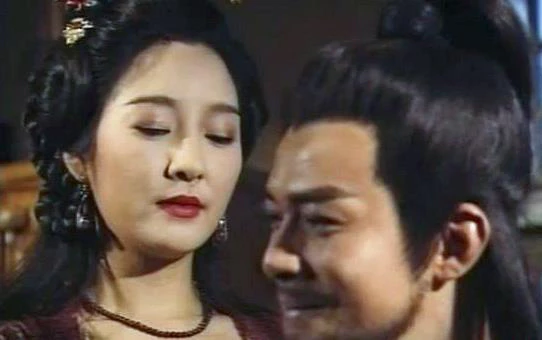
Even if I’m overthinking it and Jiugong is merely complaining that the Tathagata hasn’t paid enough attention to her cultivation, then by normal logic, the Tathagata should have answered with some stern moral lecture. Something like:
“If you won’t cultivate properly and spend every day thinking about what you can get from me, your heart is crooked and you have only yourself to blame,” blah blah blah.
But the Tathagata’s actual reply was an urgent interruption: “No need to say more!”
In other words:
Shut up! People are watching the drama—we can’t say anything more!
Then he hurriedly cast a spell, forcing Jiugong out of her Nine-Headed Golden Eagle form and taking away her chance to say anything else.
However you look at it, this is clearly a case of the Tathagata having some dirty secret in Jiugong’s hands that outsiders must not learn about.
Given what Jiugong said, what else could that dirty secret be?——It seems these two weren’t simply the product of Jiugong’s one-sided crush; they must have had an “unmentionable” past.
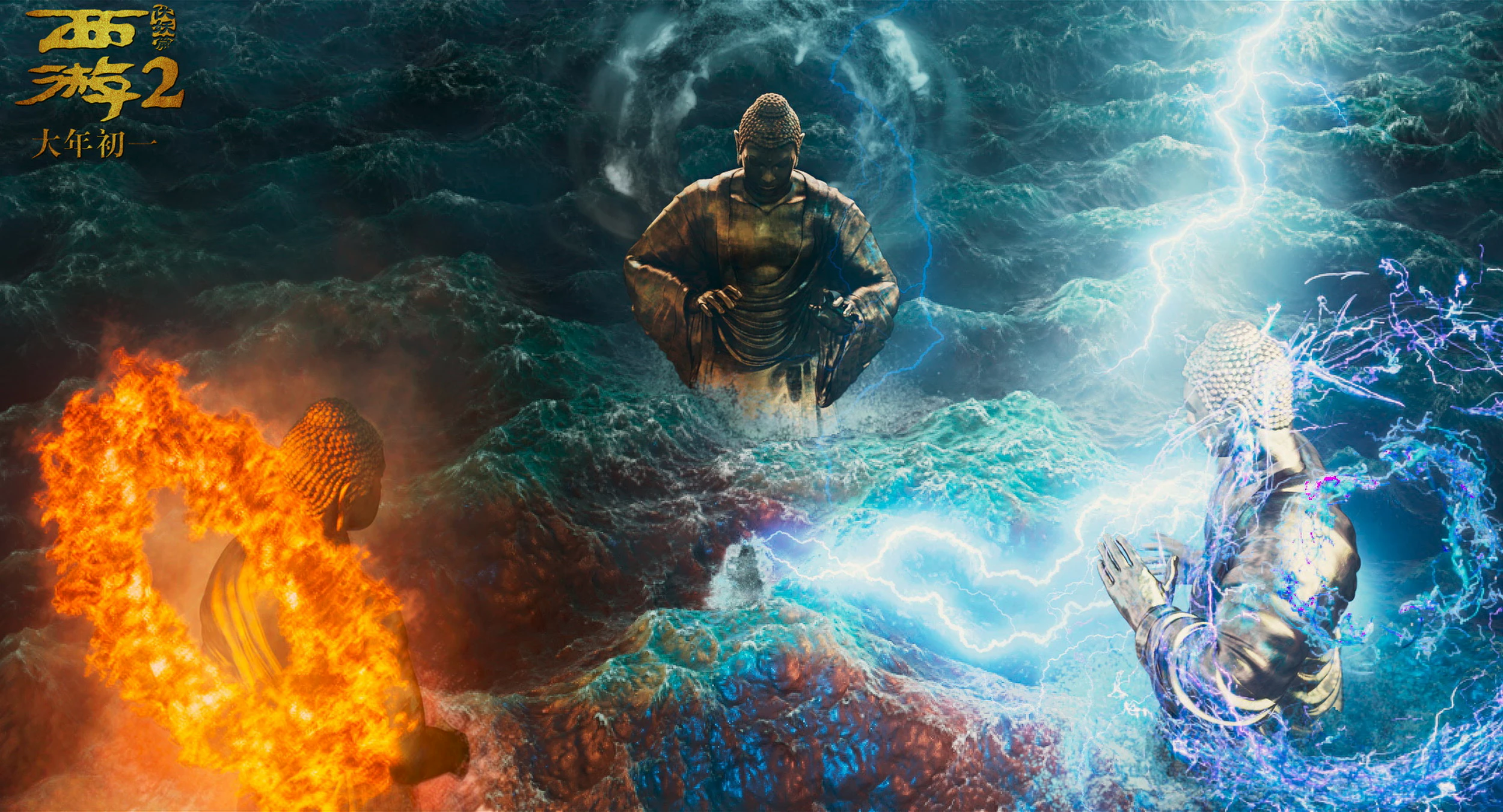
The normal next beat, then, should have been silencing her. The next shot ought to have shown the Nine-Headed Golden Eagle screaming as the Tathagata squeezed her in his hand and took her away.
But that’s not what happens in the film. The Nine-Headed Golden Eagle flies back to the Tathagata herself, flapping her wings. She isn’t subdued; she happily throws herself into his arms.
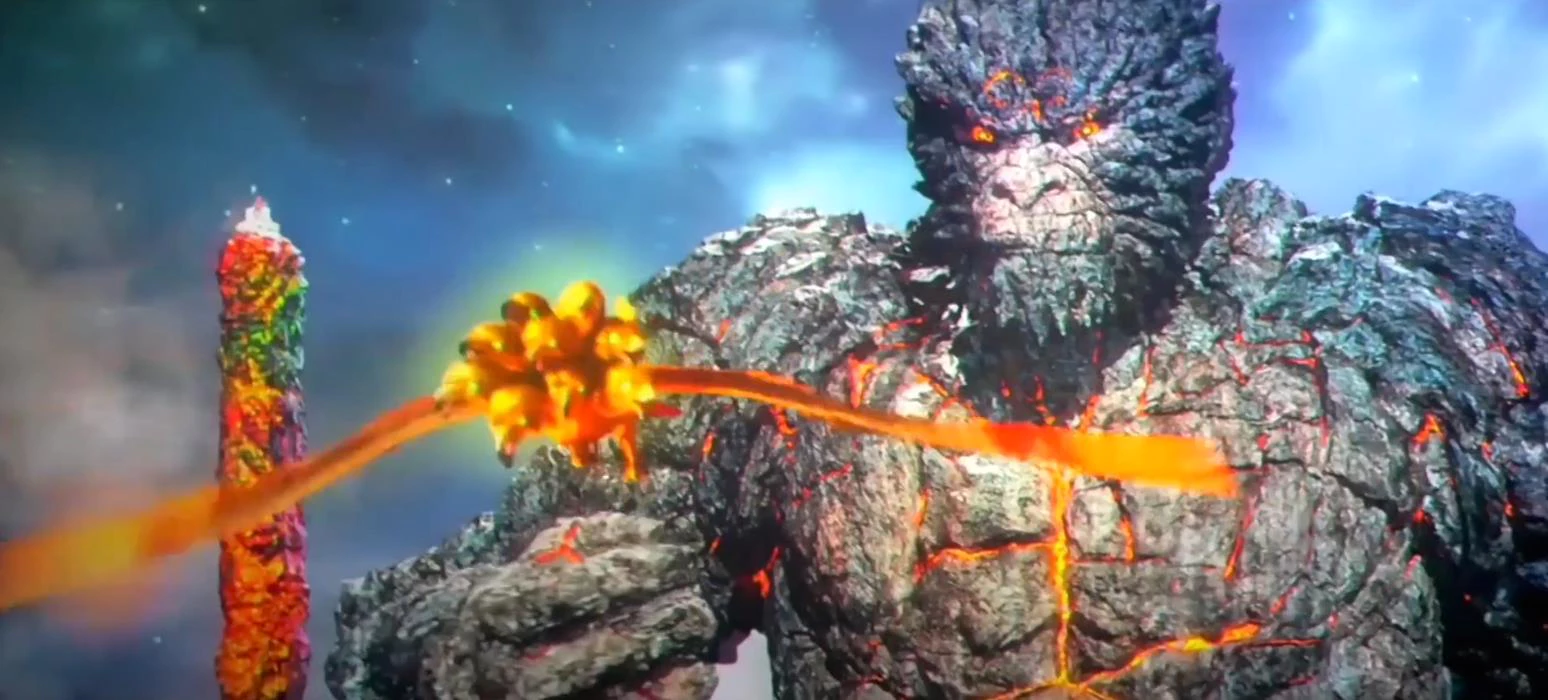
A Lovers’ Quarrel
So the conclusion is obvious. This is simply a lovers’ quarrel!
Once we understand these events between Jiugong and the Tathagata through the framework of a “lovers’ quarrel,” all the plot holes that don’t make sense in The Demons Strike Back suddenly make perfect sense.
Picking a Fight
For example, from Conquering the Demons to The Demons Strike Back, all the other demons besides Jiugong are passive. Tang Sanzang and the others only move against them because they harm people; the demons themselves never set out to pick a fight with these demon hunters.
Jiugong, by contrast, is actively picking a fight.
The Demons Strike Back actually hides a detail it never spells out. Namely—
Can Sun Wukong’s Fiery Eyes and Golden Pupils actually see through Jiugong?
As it turns out, he can’t. Otherwise, he could simply have provoked Jiugong directly, the way he did with the Spider Demoness and Red Boy.
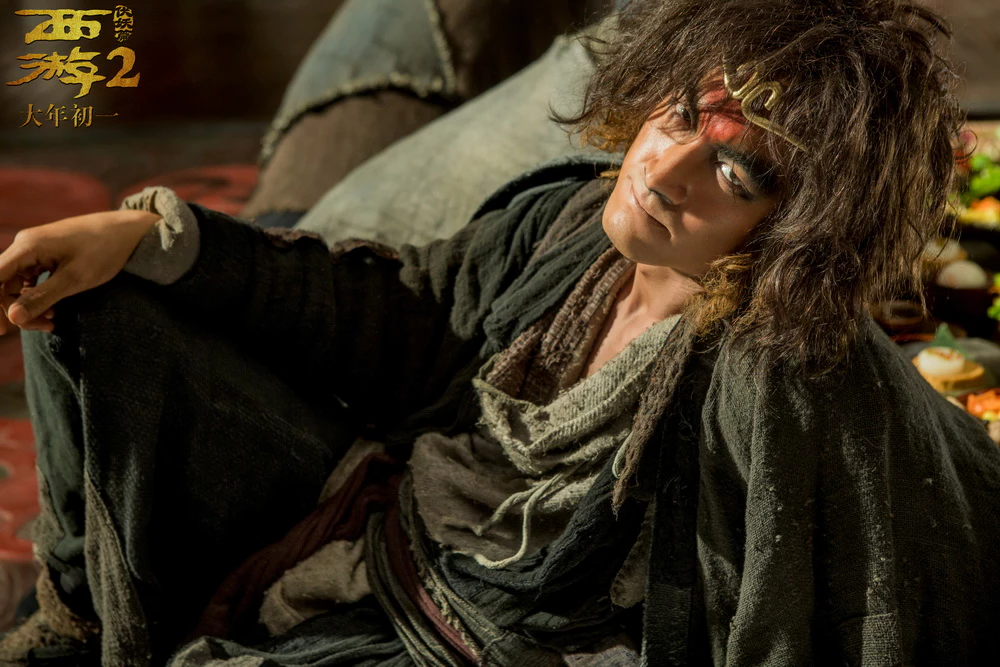
Because he can’t see through her, and has no absolute certainty, he has no choice but to play along with the master-and-disciples-turning-on-one-another act, luring Jiugong into revealing herself. Only then can he nail down her identity as the mastermind.
That also makes sense: the demon hunters seem able to see only the true forms of demons. Jiugong isn’t a demon, but a divine bird from the Western Paradise taking human form.
The Nine-Headed Golden Eagle’s Original Form
The Nine-Headed Golden Eagle is obviously Garuda from the original Journey to the West—in Buddhism, Garuda is the Golden-Winged Bird beside the Tathagata, and in Hinduism, Garuda is king.
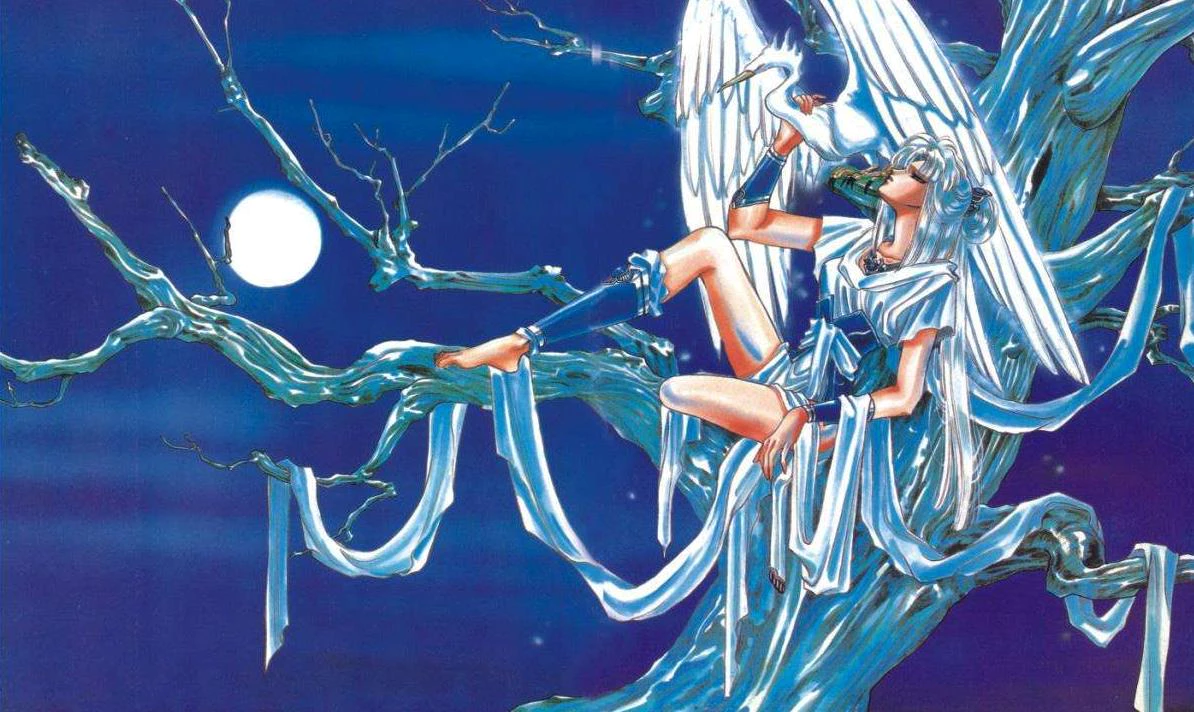
It seems Sun Wukong’s Fiery Eyes and Golden Pupils can at most distinguish something at the White Bone Demon level; against a divine being on Garuda’s level, they probably don’t work.
In other words, if Jiugong really wanted to keep a low profile, Tang Sanzang and the others would never even have noticed a demon in Bhikkhu Kingdom.
Jiugong didn’t even need to have Red Boy impersonate the king, because it is obvious that the real king released later was also one of Jiugong’s people, working seamlessly with her to complete the plan to offer up the White Bone Demon.
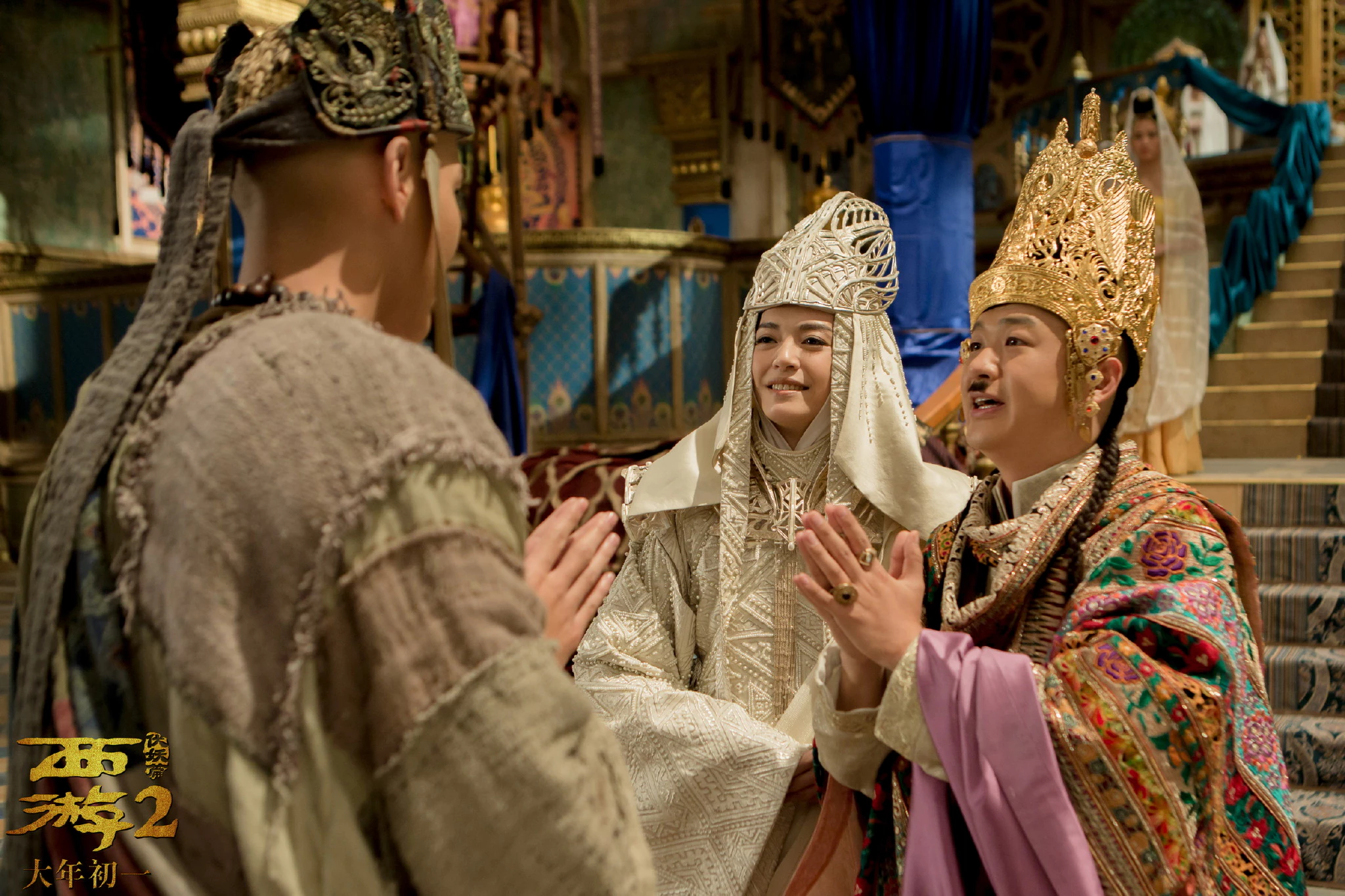
So Jiugong was simply actively picking a fight with Tang Sanzang and Sun Wukong—and that makes no sense at all within the usual demon-subduing logic.
But through the logic of a lovers’ quarrel, it makes perfect sense.
A Secret Romance
The real story should be something like this:
The Nine-Headed Golden Eagle trained beside the Tathagata day and night, and over time, they fell in love. But for some reason so terrifyingly easy to overthink that even I don’t dare say it out loud, the Tathagata didn’t take the relationship seriously enough. So the Nine-Headed Golden Eagle, in a fit of anger, staged the whole “walk out on him and go back to her parents’ place” routine.
The Nine-Headed Golden Eagle sulked at the Tathagata, left the Western Paradise, and descended to the mortal world in the form of Jiugong. Think about it: when a couple has a lovers’ quarrel, the “go back to her parents’ place” routine is just for the other person to see; the point is to make them change their mind and come back.
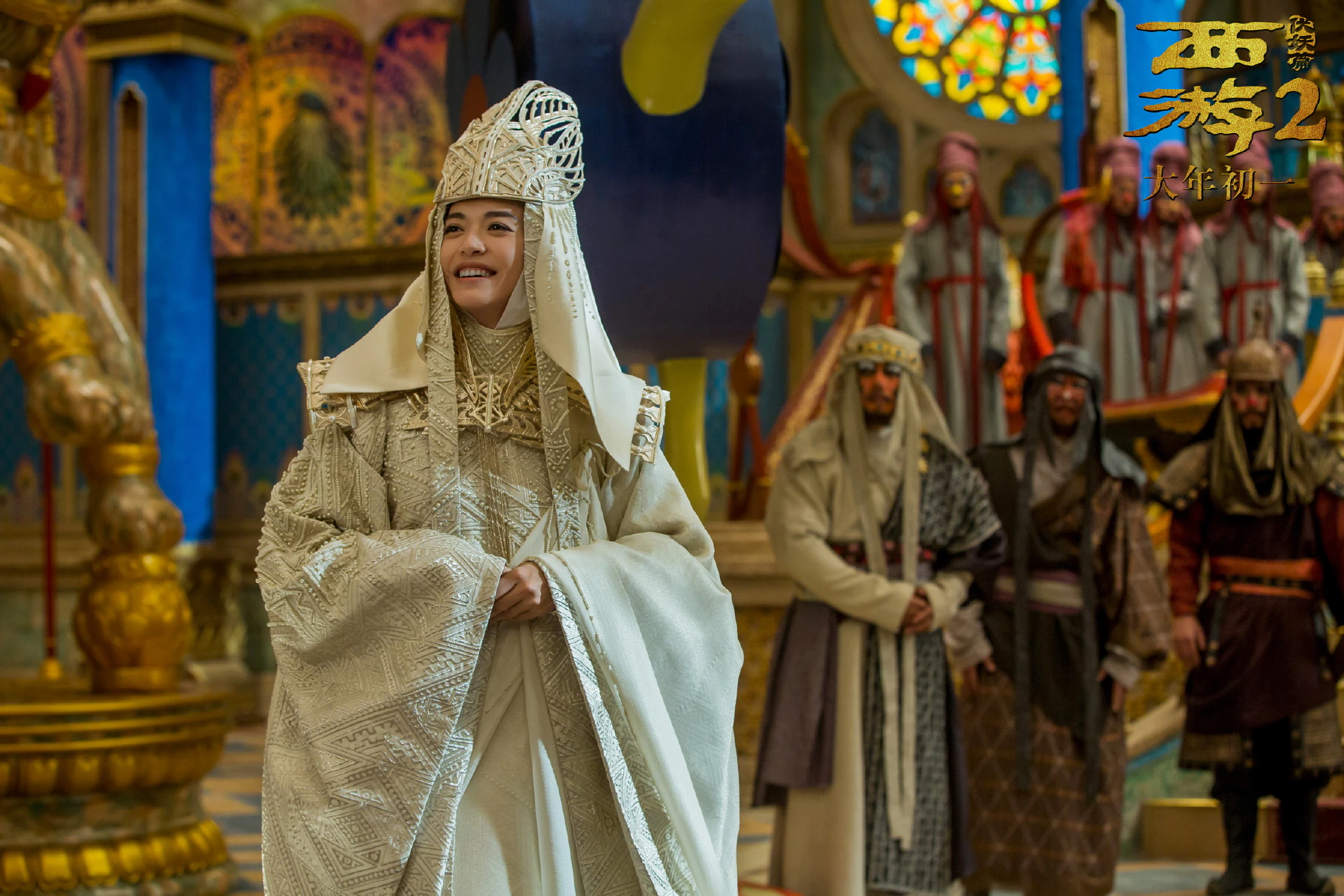
But what kind of status does the Tathagata have? How could he tolerate that kind of emotional blackmail? Even if he wanted to give in, he couldn’t show it without losing face. So he put on an unbowed front:
Fine, go ahead and leave. If you want to come back, you’ll have to let me invite you. Not a chance.
Jiugong saw that and thought: Fine, that routine doesn’t work on you? Then I’ll just have to make a bigger scene.
Aren’t you very invested in Tang Sanzang and his disciples’ journey to the Western Paradise to retrieve the scriptures? Isn’t that your big image-building project? Fine, then I’ll find a way to make the master and his disciples turn on one another and ruin your big plan.
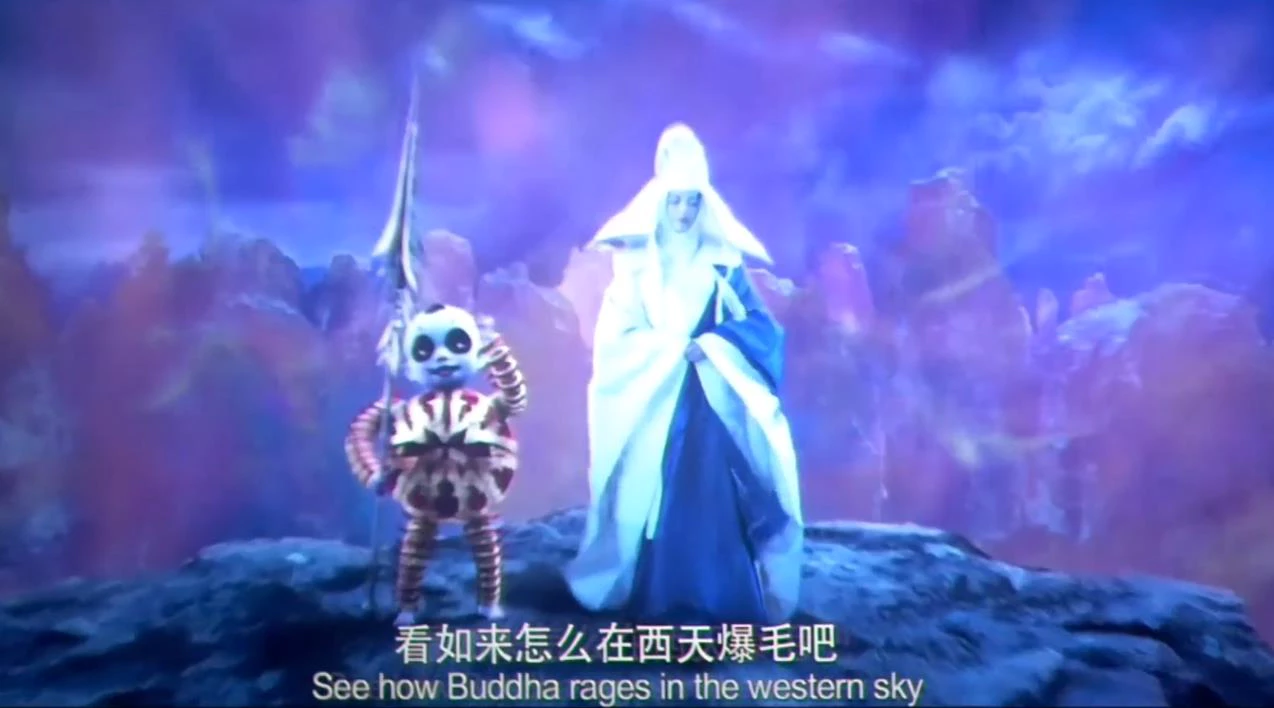
During the climactic battle at the end of the film, Red Boy says:
Let’s see how the Tathagata blows his top in the Western Paradise.
Jiugong replies, “Shut up.” In fact, Red Boy has simply let Jiugong’s real objective slip out loud.
In the end, all that commotion wasn’t for nothing. The Tathagata finally couldn’t stand by and watch any longer, so he went in person to meet Jiugong—and that brought us to the scene I mentioned at the beginning.
The Tathagata’s subtext here is really:
All right, all right, that’s enough fighting for one day. If you say one more word, I really will lose my temper. Now hurry home!
And so Jiugong got what she wanted. The lovers made up.
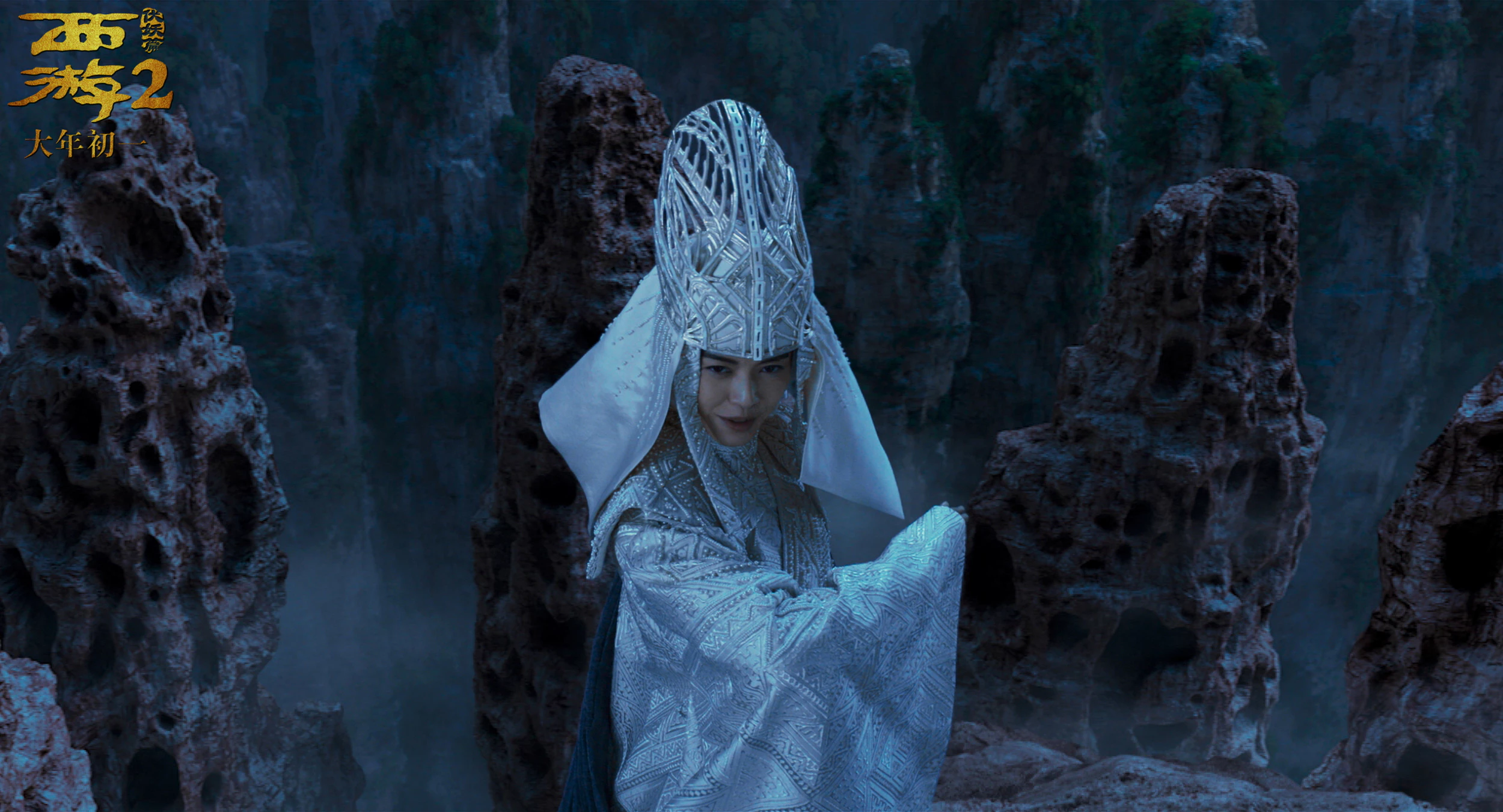
So, what do you think? Does this wild theory about a secret romance between the Tathagata and Jiugong tie together the entire story of The Demons Strike Back?
Now think again about that deleted scene at the beginning of the program. If Jiugong really is the King of Bhikkhu Kingdom’s mother, then who could the king’s father be?!
The Blue Fish Case
And this wild theory that risks offending the Buddha wasn’t something I pulled out of thin air.
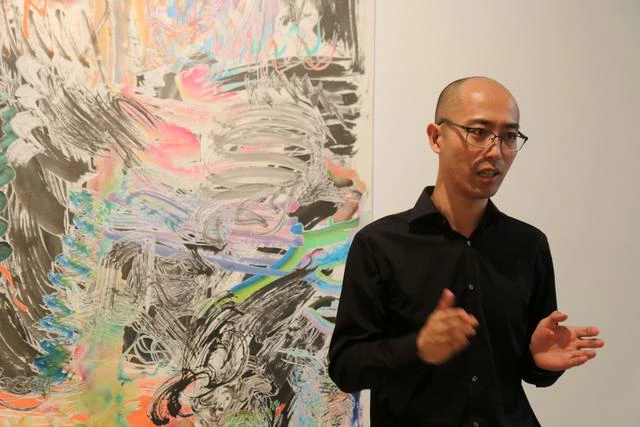
What inspired me was a work by Beijing artist Wu Jian’an. It is called “The Blue Fish Case,” a large set of paper-cut collages that, taken together, tell a story called “The White Snake Prequel.”
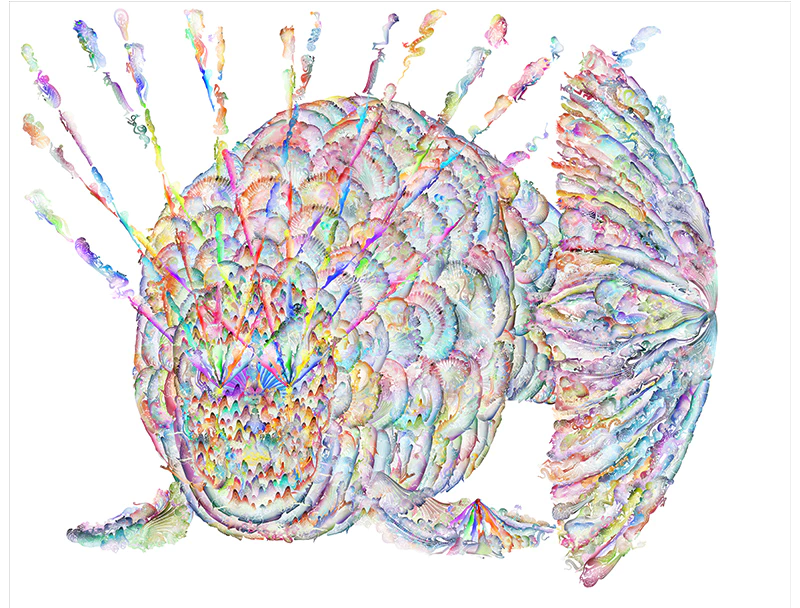
He created it based on a folk manuscript of Legend of the White Snake. And the story is, astonishingly, about a Buddhist scandal involving Garuda.
We’ll save the story of “The White Snake Prequel” for the end. First, what is different about the special version of Legend of the White Snake Wu Jian’an found and the White Snake story we all know?
Qinqiang Opera’s Legend of the White Snake
What Wu Jian’an saw at the time was the so-called 1953 Zhang Wansheng Manuscript, collected by Shaanxi shadow-puppetry master Li Shijie. I suspect this manuscript is unique; I couldn’t find it.
Fortunately, folk opera has a small rule of “local cross-pollination”: within one place, different folk art forms sharing the same story material tend to seep into and borrow from one another.
So I settled for the next best thing and found a script for Shaanxi’s other major opera genre—Qinqiang‘s Legend of the White Snake.
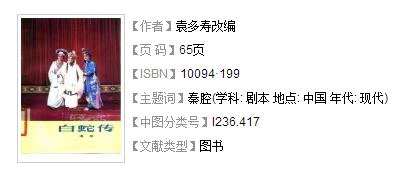
This version was adapted from a folk script by Yuan Duoshou in 1955, making it very close in time to the version Wu Jian’an saw.
When I read it, I realized I’d found the right thing: nearly all the bizarre elements in the shadow-puppet play Legend of the White Snake that Wu Jian’an mentioned in his interview can be found in this Qinqiang version.
The Bizarre Motive
So where is the bizarre part? In Fahai’s motive for capturing the White Snake.
In the Qinqiang version of Legend of the White Snake, Fahai captures the White Snake because he is directly acting on orders from the Tathagata!
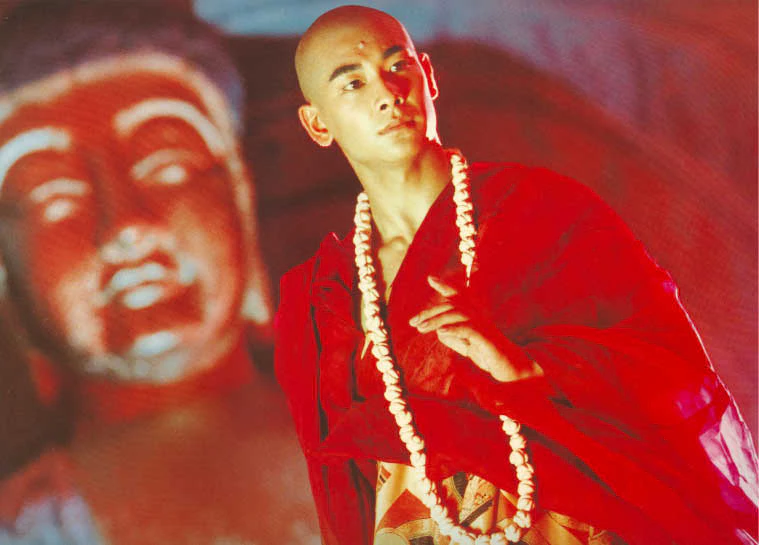
As soon as Fahai enters, he recites this poem:
The demon snake descends to the mortal world on her own,
disturbing the moral order by marrying.
She dares defy the stern laws of Heaven,
so I descend from the Western Paradise to preserve them.
What does the first line, “The demon snake descends to the mortal world on her own,” tell us? It tells us that the White Snake and Green Snake did not become spirits through cultivation in the mortal world; they actually descended from Heaven.
Descending to the Mortal World
And this is confirmed by the song lyrics sung when the White Snake and Green Snake first appear.
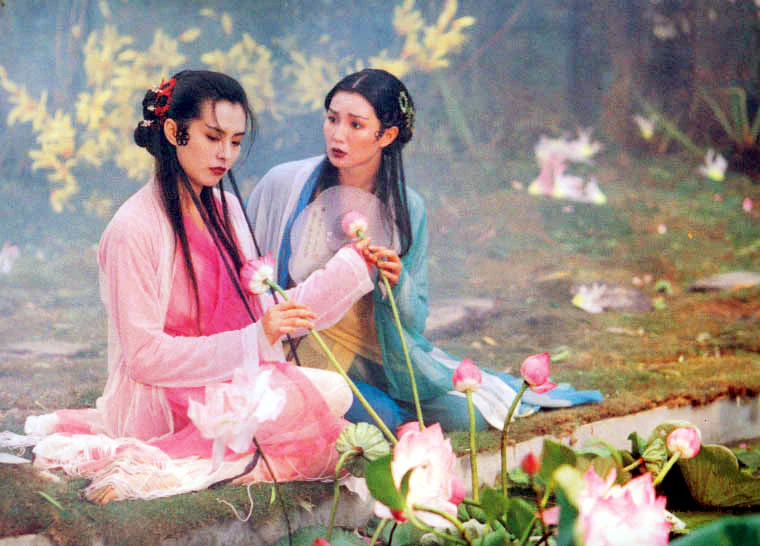
In their very first scene, the sisters arrive beside West Lake. Seeing its beauty, the White Snake says to the Green Snake:
Green Sister, the mortal world’s beauty surpasses Heaven’s.
This also shows that they came from the heavenly palace—the snake demons may originally have been beings from the Tathagata’s side.
Under Orders
After Fahai enters, he follows it with this recitation:
The Buddha ordered me to descend to the mortal world, preside over Jinshan Temple, break up this couple, and subdue the two snakes, all to preserve the moral order.
From the line “The Buddha ordered me to descend to the mortal world,” we can see at least two key pieces of information:
- The first is that Fahai is only the executor; the mastermind behind it is actually the Tathagata. And the objective is stated with remarkable clarity: “capture the White Snake”—which has nothing whatsoever to do with “rescuing Xu Xian,” as it does in the usual versions of Legend of the White Snake.
- The second is that Fahai is not a monk born in the mortal world, but a figure ranked among the immortals and Buddhas. In fact, once we factor in a character who appears later, we can even infer Fahai’s true identity. It is so exalted it would scare the life out of you!
Weituo
Who appears later? Weituo Bodhisattva!
Weituo is a Buddhist guardian deity. Temples in China generally have a statue of him—you’ve definitely seen one: he usually stands behind Maitreya, facing the Mahavira Hall, holding a demon-quelling vajra.
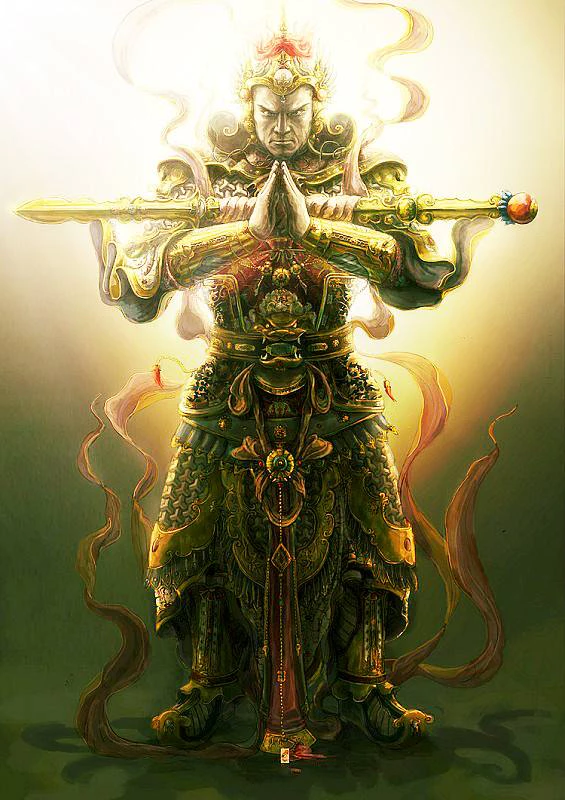
What is astonishing is that in the Qinqiang version of Legend of the White Snake, Weituo is merely Fahai’s assistant, taking orders from Fahai and charging into battle in the second half of the story.
Yet in Buddhist legend, Weituo holds extremely high status: he is one of the eight great generals under Virudhaka, one of the Four Heavenly Kings. And Fahai can actually command Weituo Bodhisattva. This suggests Fahai may be Virudhaka himself.
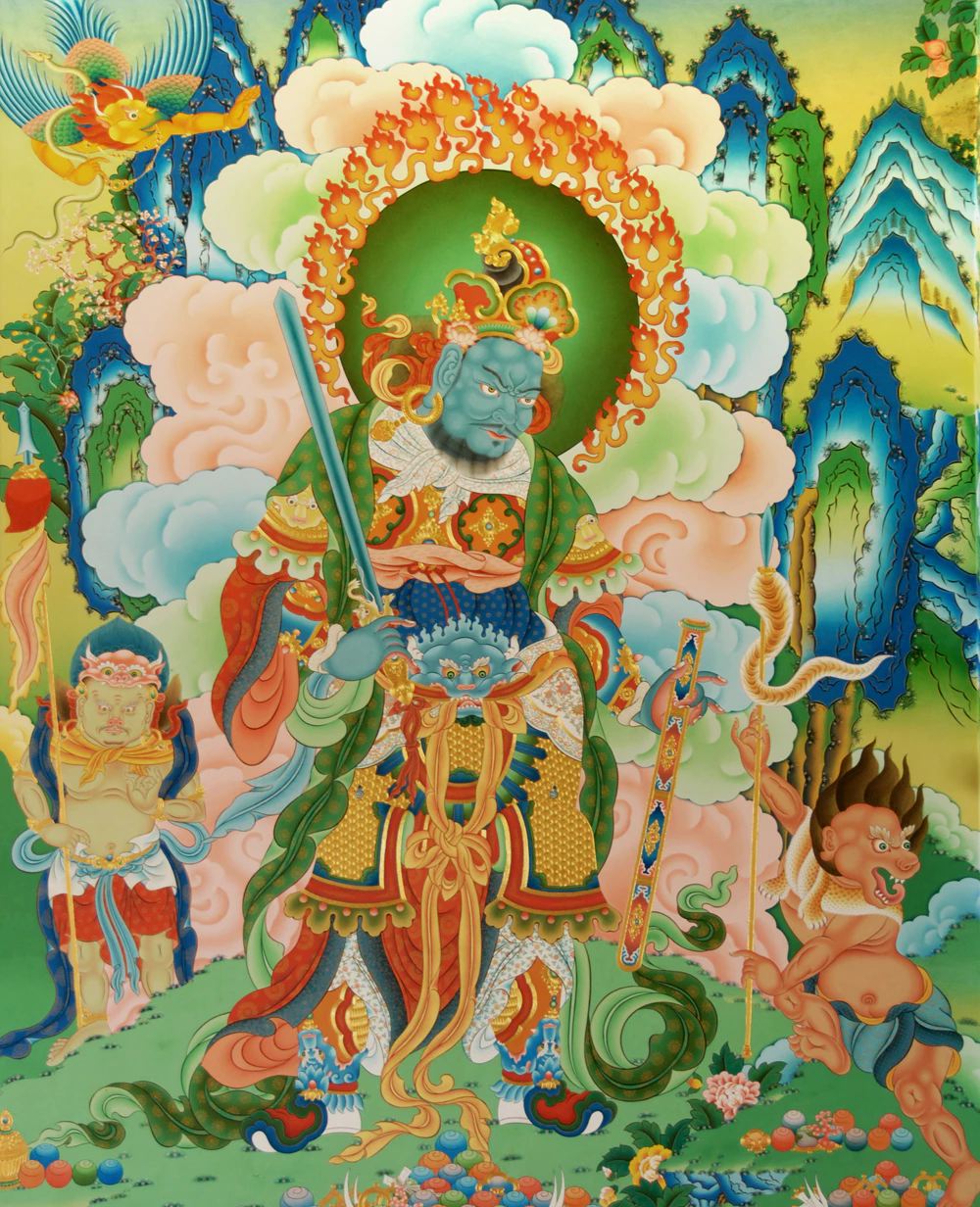
Isn’t that enough to make your heart pound once you think it through? A snake demon merely falling in love, and it somehow alarms the Buddha into sending a top-tier enforcer at the level of one of the Four Heavenly Kings to hunt her down.
The White Snake Prequel
And it was after seeing scenes like these that Wu Jian’an came up with the theory: the snake demon’s disruption of the order of things was just a smokescreen. The Buddha was so eager to subdue the White Snake only because she knew some Buddhist scandal too embarrassing to share.
He then filled in the rest of the Buddhist scandal in his imagination.
- It turns out there was a green fish in the human world who trained in Daoist arts until it grew human hands and feet. Its ambition swelled, and it tried to use Daoist cultivation—the sort that gets twice the result with half the effort—to grow wings, transform into the Great Peng Golden-Winged Bird, and leap up the social ladder to stand before the Buddha and enjoy incense forever.
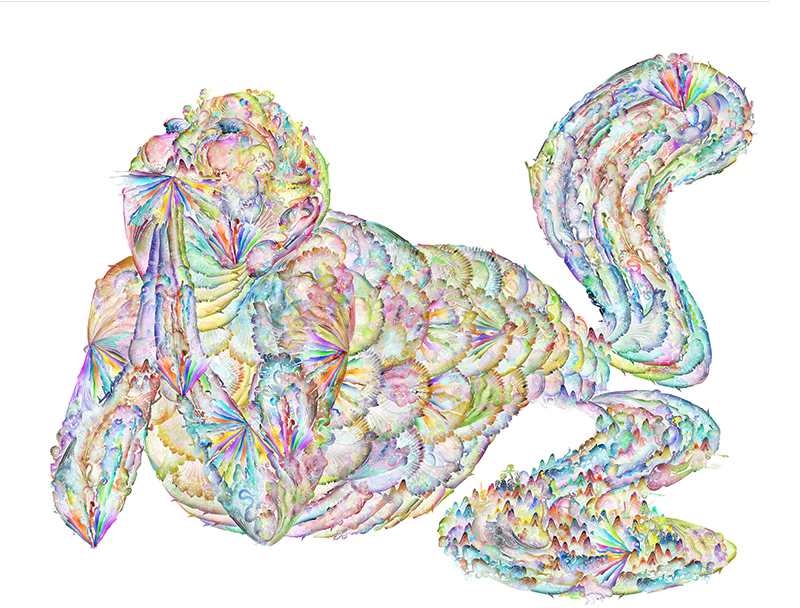
- Naturally, this unorthodox shortcut was not permitted by the Buddhist “right path.” So the real Great Peng Golden-Winged Bird murdered this rapidly advancing junior “competitor.”
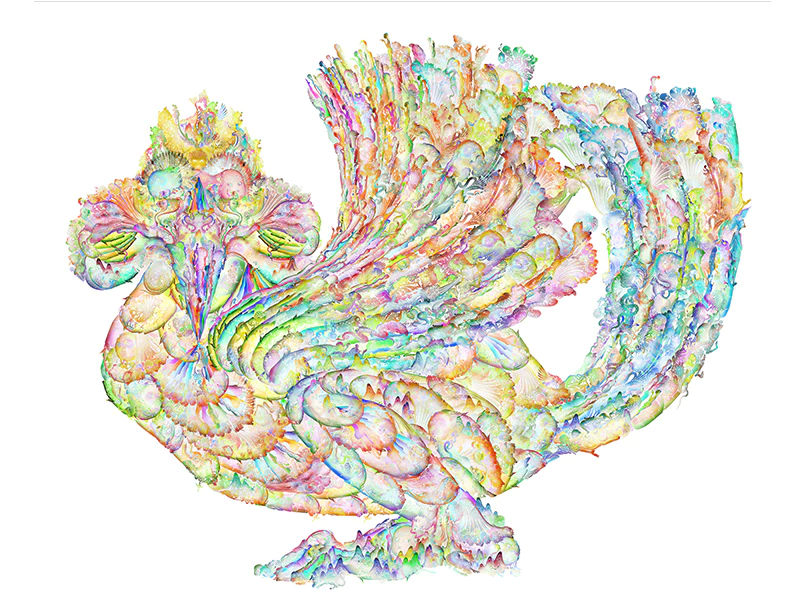
- The Great Peng Golden-Winged Bird eats snakes. At the instant it murdered the green fish, a white snake that was about to become lunch happened to escape from its mouth. That white snake became the case’s only eyewitness—and she, of course, was the future Lady White Snake.
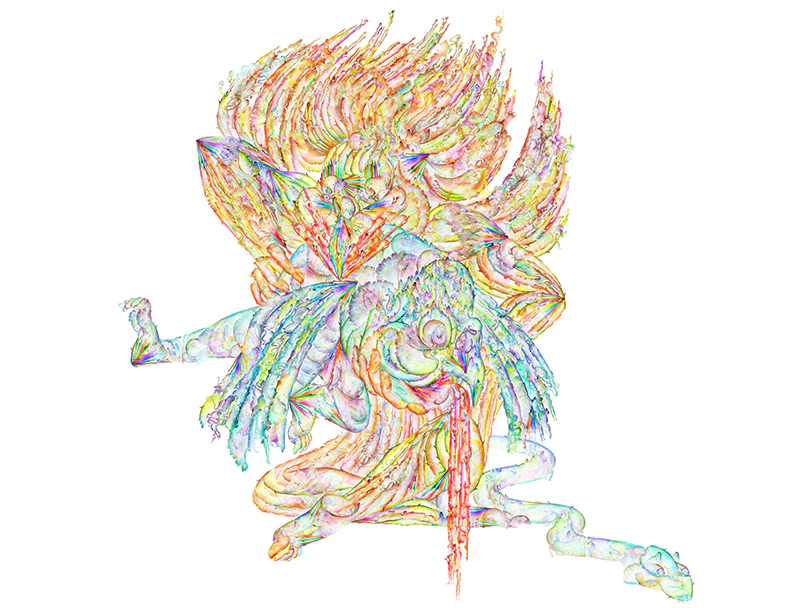
- The green fish’s ambition to replace the Golden-Winged Bird was hardly noble, but if the bird’s indiscriminate killing got out, it could shake the Buddhist value at its core: compassion. Hence Fahai’s later demon-hunting mission, which was unmistakably a silencing operation.
This, then, is Wu Jian’an’s “prequel to the White Snake legend.”
Journey to the West 3: The White Snake Chapter
But to me, this prequel takes a few too many twists and turns.
Why not simply splice Journey to the West: The Demons Strike Back straight onto Madame White Snake?
It would be a perfectly direct, seamless link:
- At the end of The Demons Strike Back, the Great Peng Golden-Winged Bird returns to the Tathagata Buddha, and the two make up. But then their secret relationship is accidentally discovered by a white snake who was supposed to become the Golden-Winged Bird’s food.
- The White Snake escapes the Western Heaven by sheer luck and drifts to the shores of West Lake.
- And from there, we can start shooting Journey to the West 3: The White Snake Chapter!
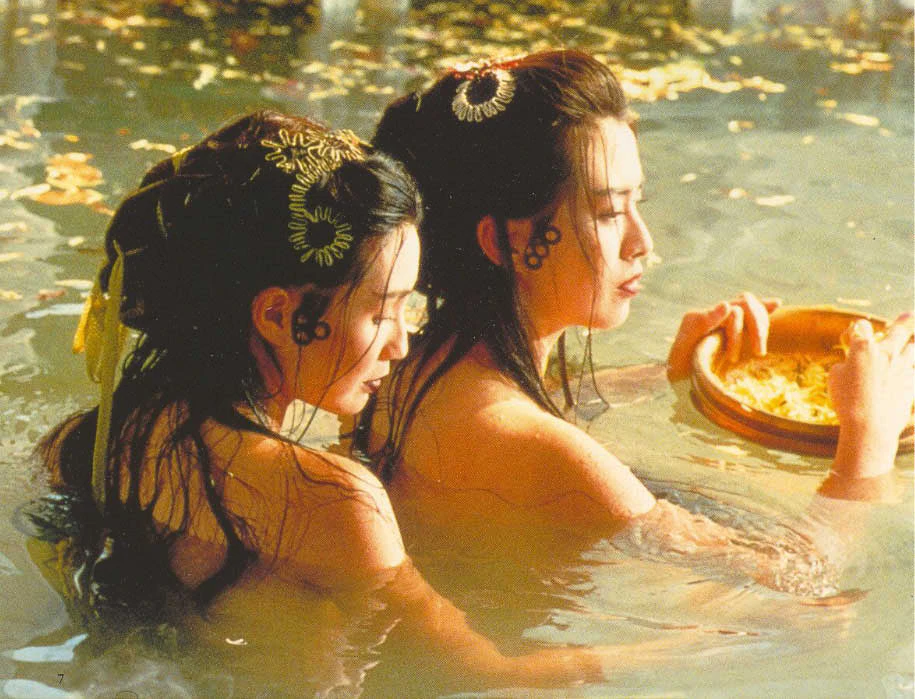
I suppose Tsui Hark’s classic Green Snake is already more than 20 years old.
By now, internet micro-celebrities and pretty young stars have become a full-blown phenomenon.
It’s time to remake the snake-demon story, with “snake-spirit faces” Bai Suzhen and Xiaoqing accompanying “pretty boy” Xu Xian as they meet beside West Lake, under the watchful eye of Daddy Ma Yun.
People, legends, and bits of gossip mentioned in this piece:
1. The Strongest Demon: the Great Peng Golden-Winged Bird
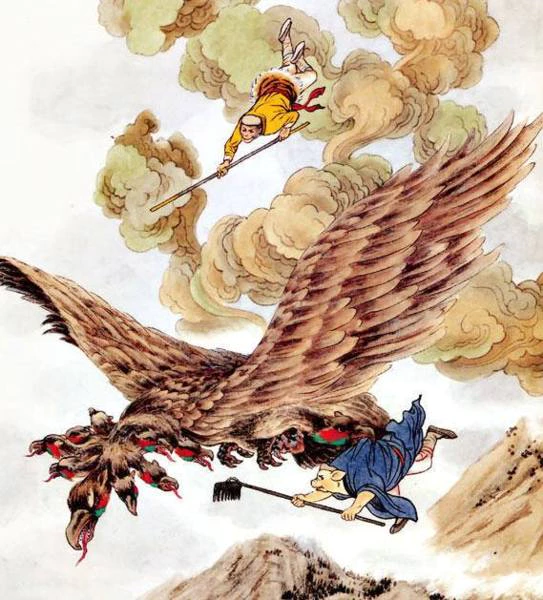
In the original Journey to the West, the Great Peng Golden Eagle is one of the most powerful demons around—powerful enough to make Sun Wukong cry uncle.
Journey to the West, Chapter 77:
When the Third Monster (the Great Peng Golden Eagle) saw the Pilgrim riding his somersault cloud, it shook itself, revealed its true form, spread its two wings, and caught up with the Great Sage.
How could it catch him, you ask? When the Pilgrim was causing trouble in Heaven, even a hundred thousand heavenly soldiers could not hold him. He could ride his somersault cloud 108,000 li in one leap, so none of the gods could catch him.
This demon covered 90,000 li with one flap; with two, it overtook him. It seized him in one claw and held him in its hand, leaving him unable to wriggle free.
He tried to escape, but there was nowhere to run. Even transformation and escape spells were useless: when he grew larger, it loosened its grip; when he grew smaller, it tightened it.n
Sun Wukong’s somersault cloud covered 108,000 li per leap; one flap of the Great Peng’s wings covered 90,000 li. Two flaps brought it effortlessly alongside Wukong, whom it then pinched in its hand and toyed with.
Before this, the only one who had bullied Wukong like that was the Tathagata Buddha.
2. The Great Peng Golden Eagle Is the Tathagata Buddha’s “Uncle”
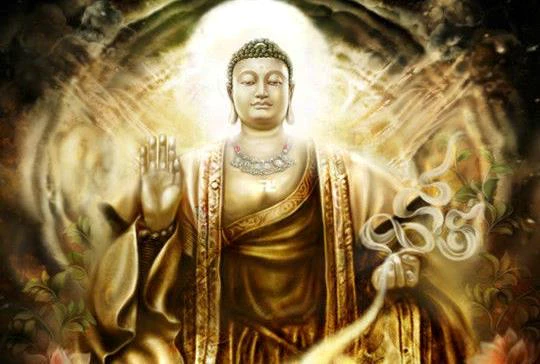
In the original Journey to the West, the Great Peng’s relationship with the Tathagata Buddha goes like this:
The Tathagata said:
“When chaos divided, Heaven opened in the hour of the Rat, Earth was formed in the hour of the Ox, and humans were born in the hour of the Tiger. Heaven and Earth joined again, and all things came to life. Among them were walking beasts and flying birds. The qilin led the beasts, and the phoenix led the birds. The phoenix then received the energy of union and gave birth to the Peacock and the Great Peng. When the Peacock first appeared, it was ferocious; it could eat people, sucking one up from forty-five li away.”
“On a snowy mountain peak, I cultivated a golden body six zhang tall, but it sucked me straight into its belly. I wanted to leave through its rear passage, but feared defiling my true body, so I split open its back and climbed onto Vulture Peak.”
“I wanted to kill it, but the Buddhas persuaded me otherwise: harming the Peacock would be like harming my mother. So I kept it at Vulture Peak and made it the Buddha Mother, the Peacock Wisdom King Bodhisattva.”
“The Great Peng and the Peacock were born of the same mother, so there is some kinship between us.”
Hearing this, the Pilgrim laughed: “Tathagata, if we put it that way, you’re still the demon’s nephew.”n
The ancestral phoenix gave birth to the Peacock and the Great Peng. The Peacock ate the Tathagata, who initially planned to escape through its backside—then thought, “That’s way too disgusting!” So he burst out through its belly instead, which basically means the Tathagata was born from the Peacock.
The Peacock thus became the Buddha Mother—the Peacock Wisdom King—and the Great Peng became the Buddha’s “uncle.”
3. Wu Jian’an’s “Green Fish Case”
Sources consulted:
4. Shadow-Puppet Master Li Shijie
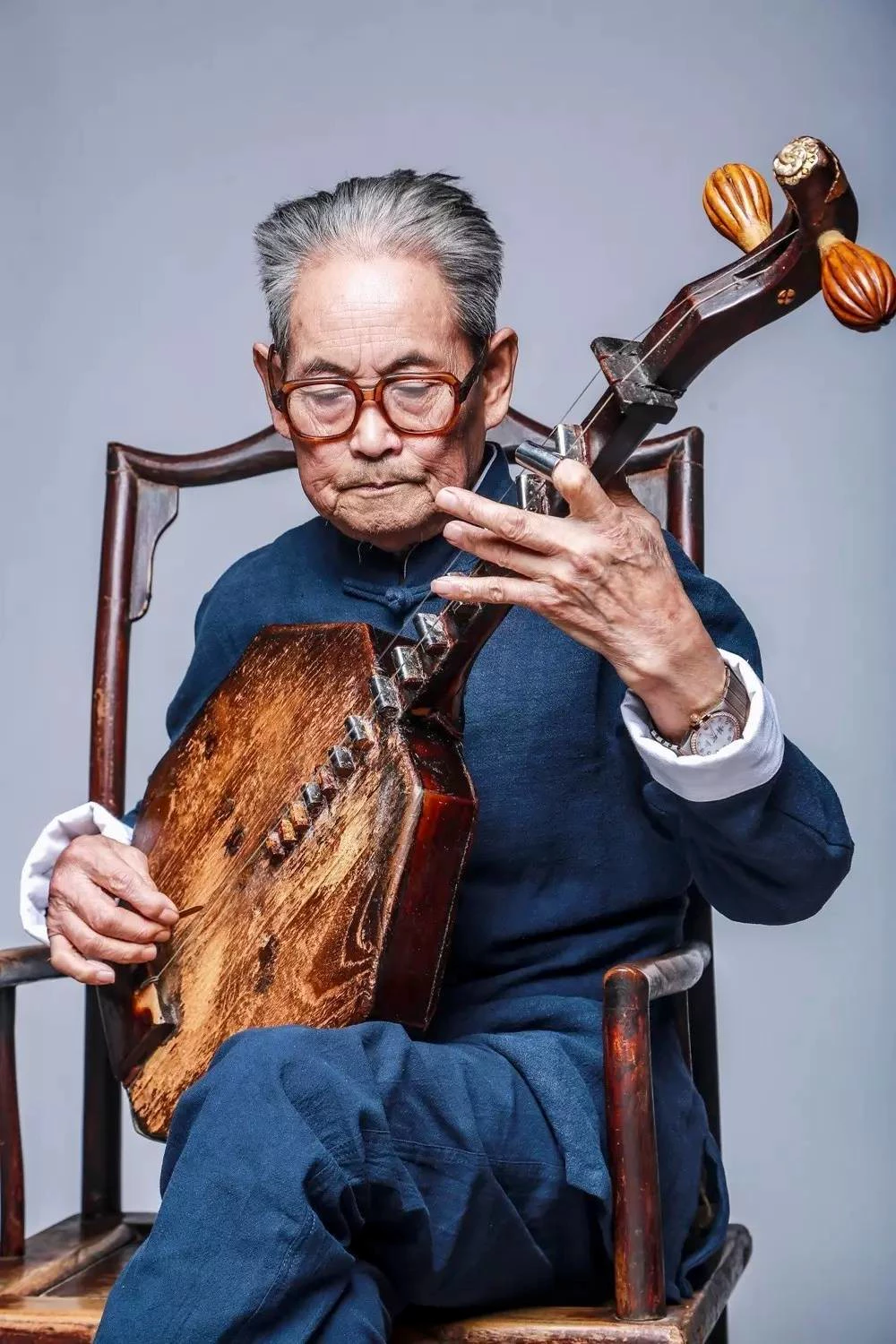
Master Li Shijie, who collected that manuscript of Madame White Snake, was one of the “Three Musketeers” of shadow puppetry in Guanzhong.
Chinese movie fans may well have heard his voice.
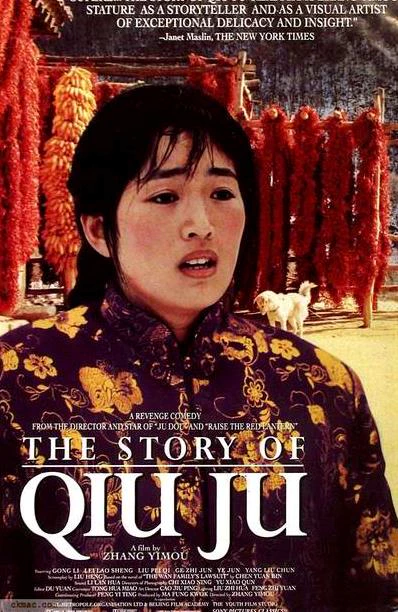
In Zhang Yimou’s The Story of Qiu Ju, every time Qiu Ju goes out to demand justice, a voice rings out: “Hey, let’s go!” That distinctive Wanwan opera line came from Li Shijie.
Leave a Reply