This semester, I’m teaching a course called “Mental Health Education for College Students” at my university. At its core is “positive psychology.” Put simply, positive psychology aims to raise people’s sense of happiness.
The hottest online open course a few years ago, “Harvard’s Happiness Course,” was actually called positive psychology in the original. And the theme of this college mental-health course seems equally self-evident: how to become happier.
In this course, happiness seems more important than anything else. But once you step outside the classroom, you can’t help wondering: how much weight should the pursuit of happiness really carry in a human life? Is obtaining happiness truly the self-evident ultimate goal of life?
The answer is: not necessarily.
In Enlightenment Now, Steven Pinker writes: “The goal of progress cannot be to increase happiness without limit, trying to make more and more people happier and happier. But there is a great deal of unhappiness that can be reduced, while the pursuit of making life more meaningful has no limit.”
Meaning and happiness are often two different things. That’s a very important insight.
Pinker writes:
“Happy people live in the present; people who live meaningful lives have an account of their past and plans for the future. Those who have happy but meaningless lives are takers and beneficiaries; those who live meaningful but unhappy lives are givers and do-gooders. Parents find meaning through their children, but they don’t necessarily find happiness.
“Time with friends makes life happier; time with a romantic partner makes life more meaningful. Stress, worry, arguments, challenges, and struggles make life less happy, but more meaningful. This doesn’t mean that people whose lives have meaning are always looking for trouble; it means they pursue ambitious goals. In the end, meaning lies in self-expression rather than self-satisfaction: it is revealed through activities that define one’s character and build one’s reputation.”
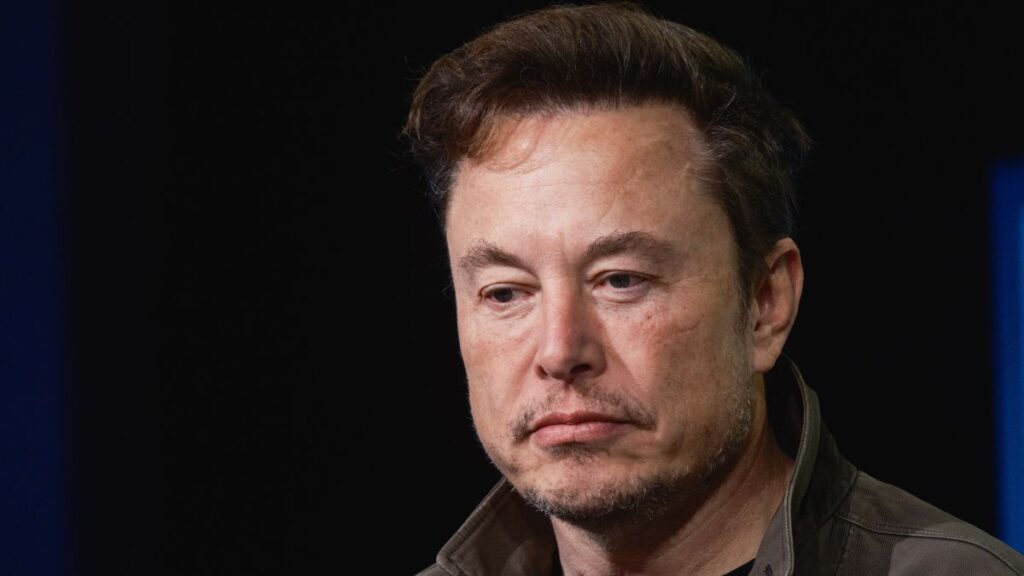
I thought of Elon Musk, who has been all over my screen lately. His ambitious plans are always running into one problem after another. He may not be happy—in fact, he may have been anxious for years—but he probably feels that his life has plenty of meaning.
Pinker says:
“A certain amount of anxiety may be the price we pay for the uncertainty of freedom.”
For example, as women have gained more rights and more freedom to choose, their various happiness indicators have fallen at the same time. In the past, women’s list of responsibilities rarely extended beyond the family. Today, more and more young women say their life goals include careers, family, marriage, money, entertainment, friendship, correcting social inequality, becoming community leaders, and contributing to society. That’s quite a pile of anxiety-inducing things.
One survey found that over the past several decades, fewer and fewer Americans have said they are “very happy,” while more and more Americans believe that “life is exciting.”
Anxiety is actually a privilege of adulthood. Kids laugh foolishly all day; anxiety arrives along with growing up. And people today aren’t as happy as many imagine. Perhaps one reason is that modern people have developed an adult’s perspective on life: they are full of worries, but also full of excited anticipation.
The original definition of the Enlightenment was precisely “humanity’s emergence from its own immaturity.”
Only kids need to be happy all day. Humanity has grown up; we’re anxious, perhaps because we’ve started to care about meaning.
Note
- This short popular-psychology essay was written as part of the series “New Knowledge in Psychology” and accompanied related content for Zhichao Wei: New Knowledge in Psychology. It was published on the now-closed platform Fatuan, and the original link no longer exists.
Leave a Reply