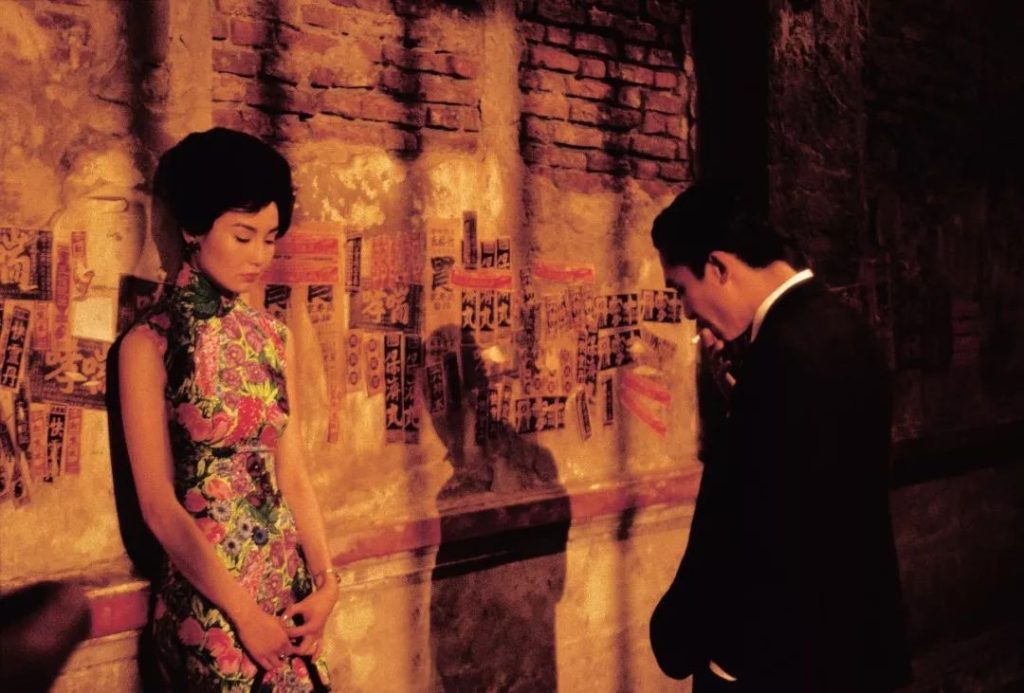
In 2000, when In the Mood for Love was released, people everywhere talked about its nostalgic atmosphere, its music, its cinematography; they gossiped about Maggie Cheung’s cheongsams, Tony Leung’s Best Actor title, Wong Kar-wai… Yet the film’s plot seemed to be the one thing nobody ever discussed in depth.
Perhaps everyone thought: isn’t this just an adulterous love story with a plot as thin as air? It was simple enough to sum up in a sentence or two. What was there to discuss in depth?
But is that really so?
If you too think In the Mood for Love is merely a simple love story, I urge you to read on. What I am about to explore are some aspects of the film that may have gone almost entirely unnoticed. My argument is that one of In the Mood for Love’s themes is, in fact—revenge.
Shu Ping Cheung, the minimalist
First, a brief digression.
We may have forgotten that although In the Mood for Love is now hailed as a Wong Kar-wai classic, it was scorned by many longtime Wong Kar-wai fans when it first came out. One reason, presumably, was that compared with Wong’s classic films of the 1990s, packed with quotable lines, In the Mood for Love was exceptionally restrained and controlled. The familiar 1990s Wong Kar-wai “flavor” was nowhere to be found.
In fact, In the Mood for Love is more than restrained and controlled—it is practically a “minimalist” work, packing a wealth of information into the fewest possible shots.
The plot of In the Mood for Love is indeed not complicated, but it is opaque. Much of that is thanks to the film’s editor, Shu Ping Cheung. The “scissors hand” cut In the Mood for Love down to the point where removing even one more shot would have been too much. Besides putting Maggie Cheung in every cheongsam she could possibly wear (Cheung was also the film’s costume designer), he also cut away every shot that could be cut.
Take, for example, the scene in which Chow Mo-wan asks Su Li-zhen out for a meal. It consists of only two shots:
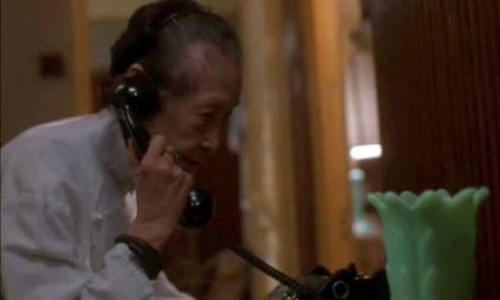
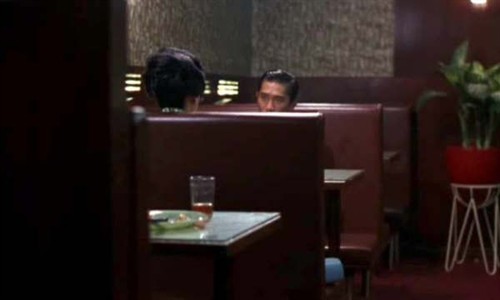
1. Mrs. Wang answers the phone; 2. They meet at the restaurant. There is no transition at all.
If it had been filmed according to the usual conventions of a mainland Chinese TV drama, it might have needed the following sequence of shots to make the scene clear:
1. The phone rings; 2. Mrs. Wang answers it; 3. She calls Su Li-zhen to answer; 4. Su Li-zhen answers and talks to Chow Mo-wan; 5. She goes to the restaurant; 6. They meet.
Another example: Su Li-zhen goes to Chow Mo-wan’s place to borrow newspapers, and they start talking about wuxia novels:
Chow Mo-wan: I have lots of wuxia novels. If you want to read one, I'll get it for you.
Su Li-zhen: No, it's all right. I'll trouble you next time. Thanks.
Chow Mo-wan: No need to thank me.
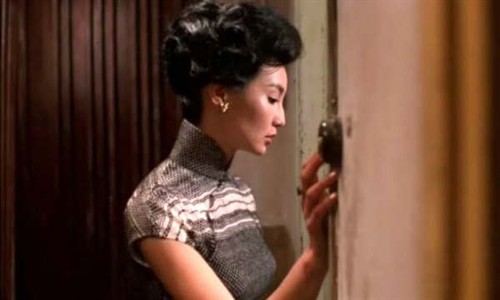
In the very next shot, it looks as though even the camera position has not changed, but in terms of the story it is already another day: Su Li-zhen, wearing a different cheongsam, brings a stack of wuxia novels to return. Again, there is no transition. Yet between these two shots, their back-and-forth—“I said I wouldn’t borrow them at first, but then I did”—has already been conveyed perfectly clearly.
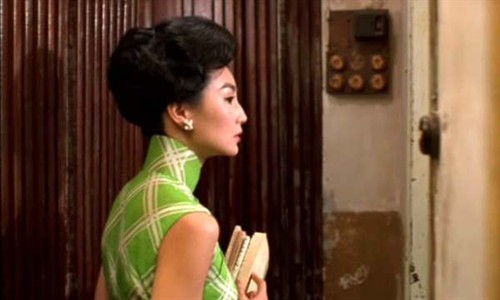
But the consequence of reducing the shots to this degree is that most viewers who are not sensitive to cinematic language may not notice the hints hidden behind them at all. The plot of In the Mood for Love could easily have filled a TV serial, but under Shu Ping Cheung’s scissors it became a seemingly slow-paced, actually information-packed two-hour film. That is the main reason In the Mood for Love feels opaque.
Tony Leung, the master of facial expressions
The second reason is that unlike most films driven by dialogue, In the Mood for Love is driven by the facial expressions of Chow Mo-wan, the character played by Tony Leung.
As I will argue below, Tony Leung holds up the skeleton of the film’s plot with a few glances (of course, credit for this way of moving the story forward goes to Wong Kar-wai’s conception, while Tony Leung executed it perfectly). Back then, many people sneered at Tony Leung winning Best Actor at Cannes, saying he had won simply by playing himself—“Isn’t Tony Leung’s Chow Mo-wan just a gloomy guy? Tony Leung is like that in real life.” Others said the Cannes jury had awarded him the title as compensation, implying that when Happy Together entered the Cannes Film Festival, Best Actor should have gone to Tony Leung.
People who said this may simply not have understood what Tony Leung was doing in In the Mood for Love.
More subtly, many important plot points in In the Mood for Love are conveyed in those music-video-like slow-motion scenes. When these sequences appear, most viewers probably focus on admiring the gorgeous visual atmosphere and overlook the deeply meaningful expressions that cross Tony Leung’s face.
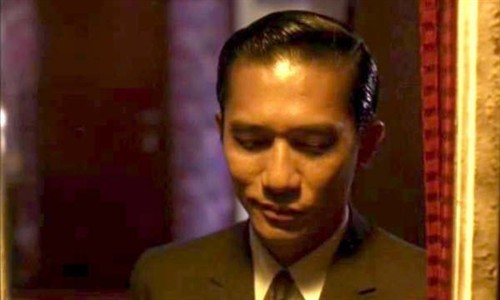
Another factor that makes Tony Leung’s performance “invisible” is Maggie Cheung. Cheung’s radiance is so dazzling that whenever she and Tony Leung appear in the same frame, everyone notices only Maggie Cheung and forgets to watch what Tony Leung is doing. What remains in the mind is simply Maggie Cheung and her cheongsams. Of course, none of this is Maggie Cheung’s fault—her performance is every bit as excellent.
In short, the opacity of In the Mood for Love has less to do with how complicated its plot is than with the unusual way it uses cinematic language. At first glance it is an unhurried art film; in fact, it has all kinds of tricks up its sleeve.
Many people say In the Mood for Love is a film in which form outweighs content. I think its content is actually very rich—it is simply hidden rather well.
With that groundwork in place, we can now begin to “dissect” the plot of In the Mood for Love.
“Dissecting” In the Mood for Love
It was an awkward encounter,
She kept her head lowered in shame,
Giving him a chance to come closer,
He did not have the courage to approach,
She turned away and left.
1. The Encounter
At the beginning of the story, the families of Chow Mo-wan and Su Li-zhen move house on the same day and become neighbors. Su and Chow gradually discover that Mrs. Chow and Mr. Chan, Su’s husband, are having an affair. Chow Mo-wan never becomes completely certain of it until one day he sees Su Li-zhen carrying a handbag identical to his wife’s. He asks Su Li-zhen out for a meal and lays everything out in the open.
Su Li-zhen says, “I don’t know how they started….” So they each begin playing the other’s spouse, “acting out” how Mrs. Chow and Mr. Chan “got started.”
2. First Role-Playing Scene: “How Did They Start?”
Su Li-zhen: You don't go home this late? Doesn't your wife say anything?
Chow Mo-wan: She's used to it. She doesn't care about me... What about you? Doesn't your husband say anything?
Su Li-zhen: My husband went to sleep a long time ago.
Chow Mo-wan: ...Don't go home tonight.
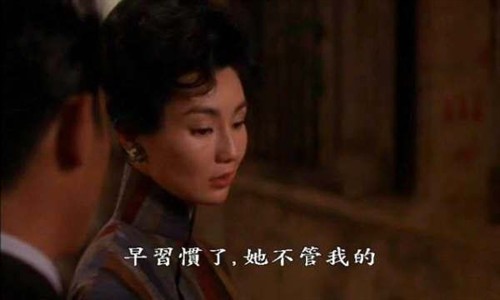
Su Li-zhen: My husband wouldn't say that.
Chow Mo-wan: Then what would he say?
Su Li-zhen: He just wouldn't.
(They do it again.)
Su Li-zhen: You don't go home this late? Doesn't your wife say anything?
Chow Mo-wan: She's used to it. She doesn't care about me... What about you? Doesn't your husband say anything?
Su Li-zhen: I think he went to sleep a long time ago.
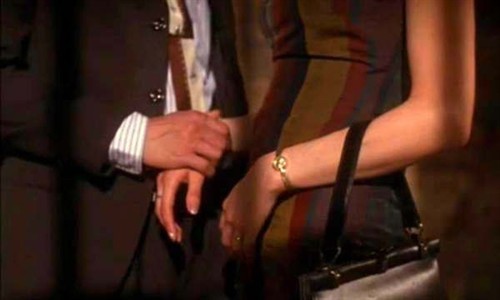
(Su strokes Chow’s coat.)
Su Li-zhen: I really can't say it.
Chow Mo-wan: I know.....At this point, it doesn't matter who speaks first.
Su Li-zhen: Do you know what kind of person your wife is?
(Su leaves, and Chow leaves.)
3. Second Role-Playing Scene: Two Meals
A few days later, Chow and Su have dinner in a restaurant.
This is the passage that best embodies Shu Ping Cheung’s “scissors hand” style: although the scene appears continuous and the camera position barely changes, Chow Mo-wan and Su Li-zhen are actually eating two separate meals.
The first meal:
Su Li-zhen: You order. I want to know what your wife likes to eat.
Chow Mo-wan: ....Then what does your husband like to eat?
(Chow puts some seasoning on Su's plate.)
Chow Mo-wan: Can you get used to it?
Su Li-zhen: Your wife can really handle spicy food.
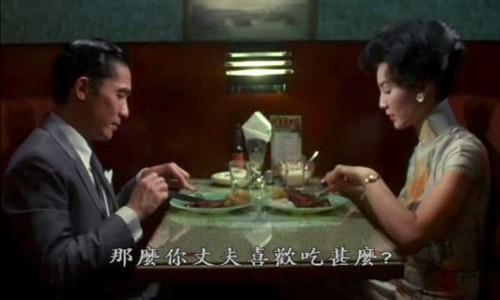
The second meal (the camera turns, but it is actually another meal some time later):
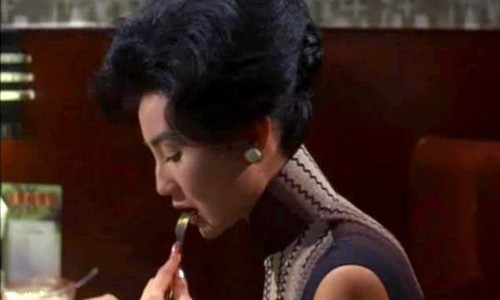
Now look at their dialogue:
Su Li-zhen: Why did you call my office today?
Chow Mo-wan: I just wanted to hear your voice.
Su Li-zhen: You sound just like my husband... Such a smooth talker.
Judging from the dialogue and their expressions, their relationship seems to have moved forward by the time they eat this second meal. This suggests that between the two meals, they have already had who knows how many such “dates.” And they are still “acting out” Mrs. Chow and Mr. Chan, continuing to observe how Mrs. Chow and Mr. Chan got to where they are now through role-playing.
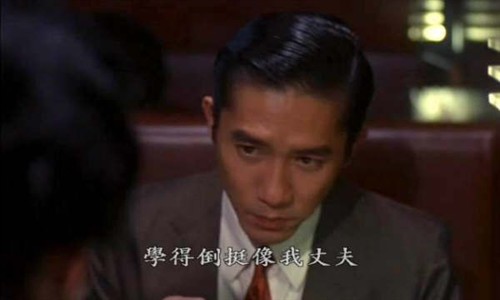
Now look at the next shot:
(Chow and Su sit in a car.)
Su Li-zhen: Why didn't you call me?
Chow Mo-wan: I was afraid you'd be upset.
Su Li-zhen: Then don't ever call me again.
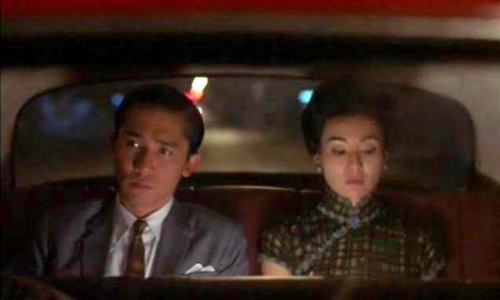
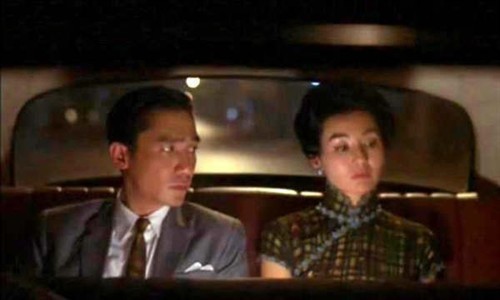
This scene looks as though it shows them going home after that meal, but it actually takes place many days later. Their relationship continues to undergo subtle changes—and they may still be role-playing.
4. Third Role-Playing Scene: “What Are They Doing Now?”
Next, Chow Mo-wan receives a letter his wife has sent from Japan, and Chow and Su realize that Mrs. Chow and Mr. Chan have gone to live together in Japan.
Su Li-zhen: “Guess what they're doing now?”
The camera then cuts:
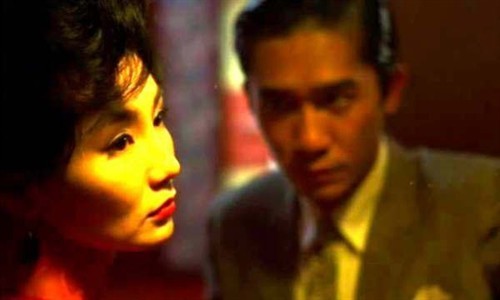
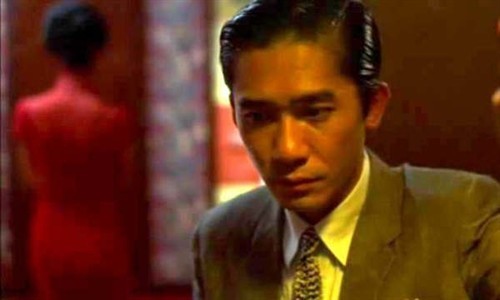
The scene above is another instance of role-playing. They are acting out what “they” are doing “now.” What else could it be?—There was originally a sex scene here, but Wong Kar-wai later cut it, leaving only this shot. Good call! We can understand it this way: Chow and Su did nothing. They had intended to reenact what “they” were doing “now,” but failed to “act” it out. In Su Li-zhen’s words, “We won’t be like them.”
5. Writing a Novel
The next plot development is that Chow Mo-wan falls ill. After he recovers, he and Su run into each other on the street. Chow invites Su to write a wuxia novel together.
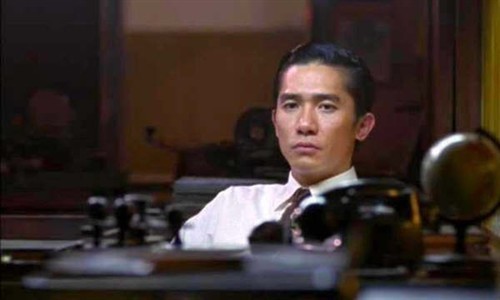
The two begin collaborating on a wuxia novel. Mrs. Sun’s family and Mr. Gu’s family return from dinner, and Mr. Gu is completely drunk. Afraid of provoking gossip among the neighbors, Su Li-zhen hides at Chow’s place and does not dare go out.
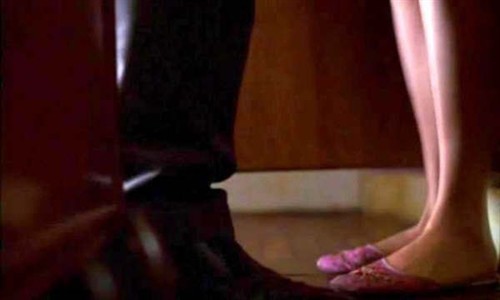
Only the following evening does she put on Mrs. Chow’s shoes and pretend to have just returned from outside.
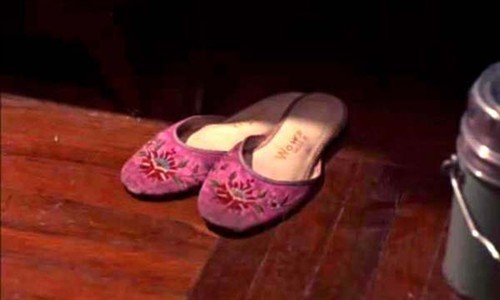
6. A Cigarette
After Su Li-zhen leaves that night, Chow Mo-wan smokes a cigarette at home:
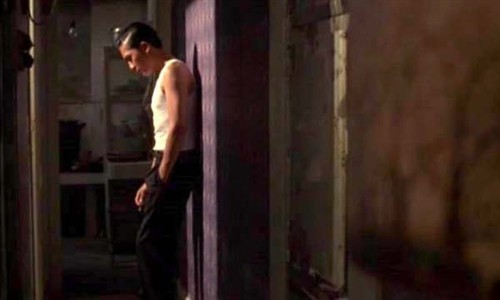
Wong Kar-wai uses his trademark skip-frame slow motion to show this easily overlooked shot, which is clearly deliberate. It is the turning point of the entire story. If the plot before this shot consists of a mutually willing role-playing game between Chow Mo-wan and Su Li-zhen, then what happens next becomes deeply strange:
Chow Mo-wan goes to great lengths to make Su Li-zhen fall in love with him, then abandons her.
It seems that in this scene Chow Mo-wan settles on his “revenge plan”—conquer her, then abandon her. Everything he does afterward revolves around this goal.
But why would Chow Mo-wan do this? We’ll analyze that later. For now, let’s see how he goes about it.
7. Renting a Place to Write
One prerequisite for Chow Mo-wan’s plan to work is that he senses Su Li-zhen is beginning to like him. When Chow is ill, Su cooks him the sesame paste he loves. Even if Chow does not necessarily realize at the time that Su is doing it deliberately, her reaction when they run into each other after his illness should have told him that something was going on.
Zhou’s plan was simple: rent a room outside under the pretext of writing a novel, keep inviting Su to write with him, and create a more convenient setting for the two of them to be together. Just look at their conversation:
Su Lizhen: Why are you treating me to dinner for no reason?
Zhou Muyun: I got paid today, and you wouldn't take your share, so I had no choice but to buy you dinner.
Su Lizhen: What does it have to do with me? I only helped out a little from the sidelines.
Zhou Muyun: In a while I may write for another newspaper... Someone called today to commission an article.
Su Lizhen: Really? So soon? Can you handle it?
Zhou Muyun: That's why I want to find a place.
Su Lizhen: For what?
Zhou Muyun: To write, of course. It would be more convenient for you to come over later. There's nothing going on between us, but I don't want people to get the wrong idea. You... what do you think?
Su Lizhen: Why waste the money?.... You're writing everything yourself anyway. Why go to all this trouble?
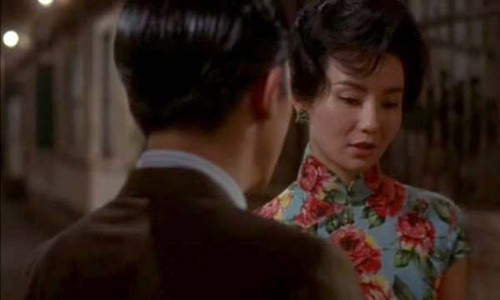
Zhou’s plan fell through.
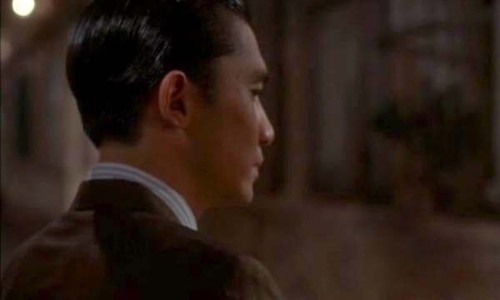
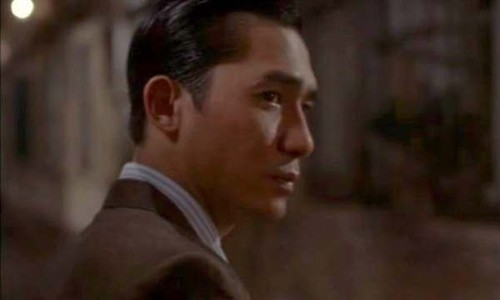
The plan falls through. After Zhou Muyun briefly looks disappointed (above), he stares darkly at Su Lizhen’s retreating figure (below).
8. Disappearing
Zhou Muyun needed to salvage his plan, and his backup plan was simple too: disappear. He believed Su Lizhen wanted to take things further with him, but simply didn’t have the courage yet; she just needed a little push. So Zhou hid himself away. That way, Su Lizhen might come looking for him instead. Play hard to get.
And so Zhou Muyun went into hiding at his new place.
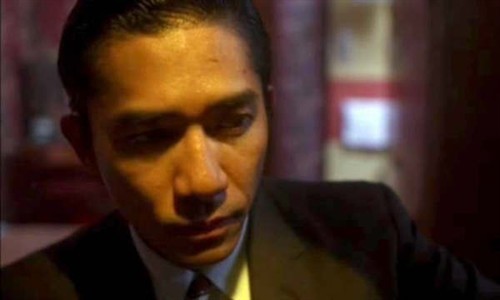
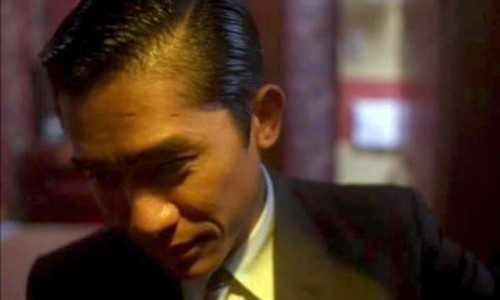
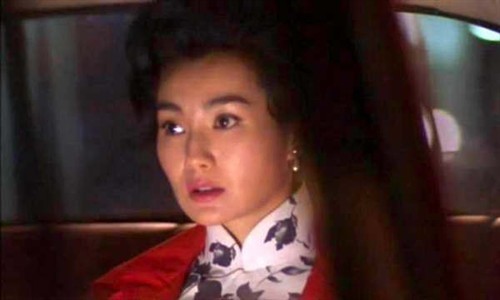
Zhou Muyun had been “missing” for several days. Su called his workplace, but even his colleagues didn’t know where he was. Su was frantic. Finally, Zhou called her:
Su Lizhen: “Hello... where are you?......”
And what was Zhou Muyun doing at his new place? He stood by the window with a grim face:
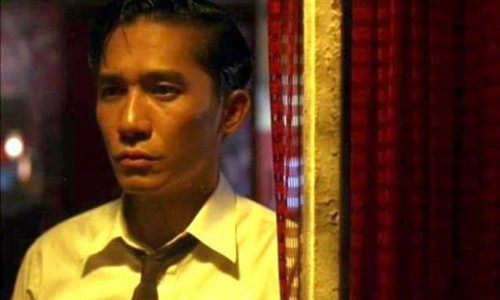
Hearing Su ring the doorbell, he lowered his head and smiled:
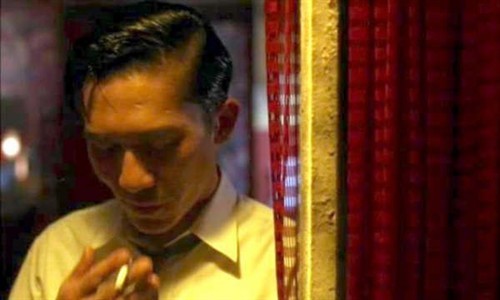
I can’t tell whether it’s a smirk or a bitter smile. I think it’s both. The smirk is because his plan seems about to succeed; the bitter smile, perhaps, because guilt has already begun to grow somewhere deep inside him? —“Is this revenge really necessary?”— Has he also begun to realize that, beneath it all, he harbors another kind of feeling for Su Lizhen?
9. “We won’t become like them”
After meeting Zhou Muyun, Su Lizhen came out of his room:
Su Lizhen: I'll come see you again tomorrow.
Zhou Muyun: No need. I'll be fine after resting a while.
Su Lizhen: It's okay, just for a little while. I'll buy you something to eat. What do you want?
Zhou Muyun: Anything.
Su Lizhen: All right, I'm leaving. Get some rest.
Zhou Muyun: Call me when you get back... You don't have to say anything. Let it ring three times.
Su Lizhen: ...Okay.
Zhou Muyun: ...I didn't expect you to come.
Su Lizhen: ...We won't become like them... See you tomorrow.
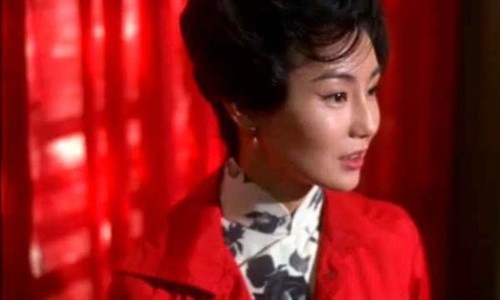
Su Lizhen said, “We won’t become like them.” But—
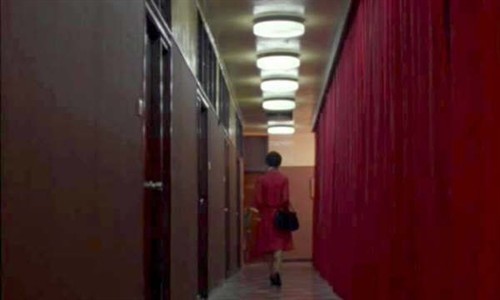
Su Lizhen, who had been about to leave, stopped at the end of the corridor. She stood there for a long time. The camera cuts (once again, a classic Cheung Suk-ping montage), jumping straight to another meeting later on:
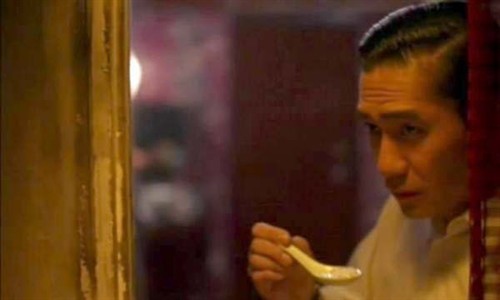
At Zhou Muyun’s new place, he stood by the window, wearing that same brooding look. Behind him, Su Lizhen was writing. Although Su Lizhen had said, “We won’t become like them,” the truth was exactly the opposite: she stayed, helping Zhou write his novel.
Zhou’s backup plan worked. Su Lizhen had fallen into his “trap.”
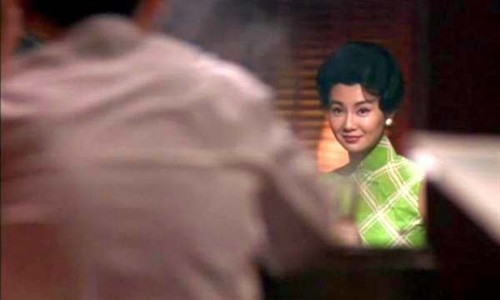
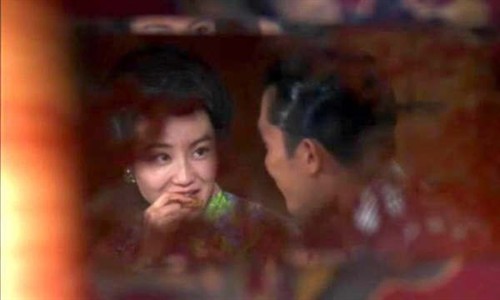
By now Su Lizhen was completely immersed in happiness.
And Zhou Muyun? —
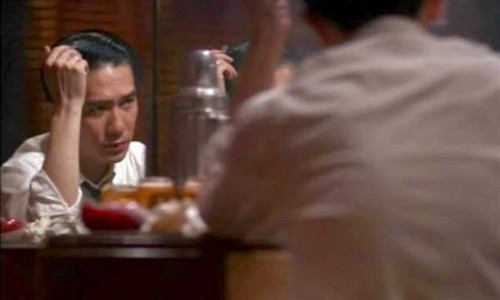
He secretly glanced at Su while writing. That same look again.
The more Su Lizhen loved him, the better his odds became. But was this really what he wanted?
10. The fourth role-play: “I never knew it could hurt this much”
Next, at Zhou’s new place, Zhou Muyun played Su Lizhen’s husband, Mr. Zhang, acting out the scene after Mr. Zhang returned from Japan.
Su Lizhen: Tell me honestly... is there another woman out there?
Zhou Muyun: What's wrong with you... who told you that?
Su Lizhen: Don't worry about who. Is there another woman?
Zhou Muyun: ...No.
Su Lizhen: Stop lying. Look at me... look at me... I'm asking if there's another woman.
Zhou Muyun: Yes...
(Su gently brushed Zhou’s face)
Zhou Muyun (switching back to himself): ...What's wrong with you? He admitted it right to your face, and you still hit him so lightly?
Su Lizhen: I never thought he'd answer like that... I don't know what to do.
Zhou Muyun: Let's do it again.
(They did it again)
Su Lizhen: Tell me honestly... is there another woman out there?
Zhou Muyun: What's wrong with you... who told you that?
Su Lizhen: Never mind who said it. Do you have another woman?
Zhou Muyun: ...No.
Su Lizhen: Don't lie to me. Tell me, is there another woman out there?
Zhou Muyun: Yes...
(Su stared at Zhou for a moment, saying nothing)
Zhou Muyun (switching back to himself): Are you all right?
Su Lizhen: I never knew it could hurt this much. (She cried against Zhou's shoulder.)
Zhou Muyun: It was only a test. It isn't real... Even if it were real, he wouldn't admit it... It's all right, don't cry.
(Su continued crying on Zhou’s shoulder)
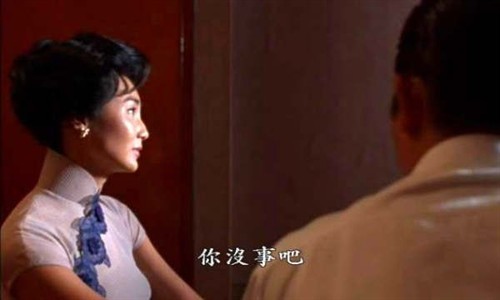
11. Mrs. Sun, the nuisance
Su Lizhen often came home very late, which her landlady, Mrs. Sun, noticed. Mrs. Sun gave her a good scolding. Su Lizhen backed off and called Zhou:
Su Lizhen: I don't think I'll be able to come over for a while.
Zhou Muyun: Why?
Su Lizhen: When I came home last night, Mrs. Sun made a few nasty remarks.
Zhou Muyun: What did she say?
Su Lizhen: I don't want to talk about it... We'd better see less of each other for a while.
And just like that, a plan that had been going smoothly suffered a major setback because of Mrs. Sun’s interference.
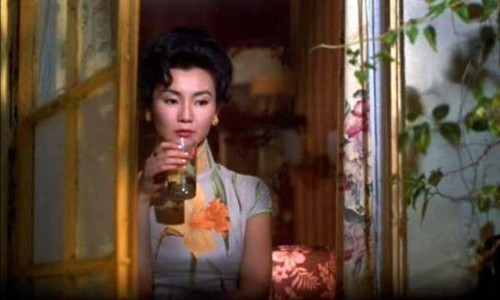
And Zhou Muyun, meanwhile:
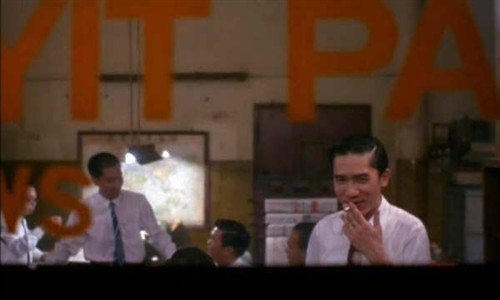
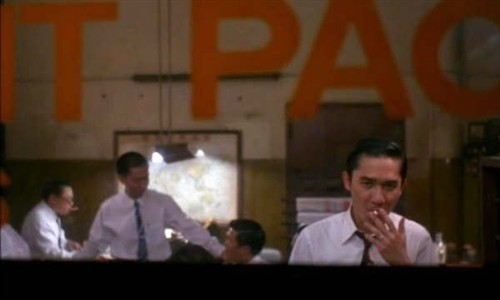
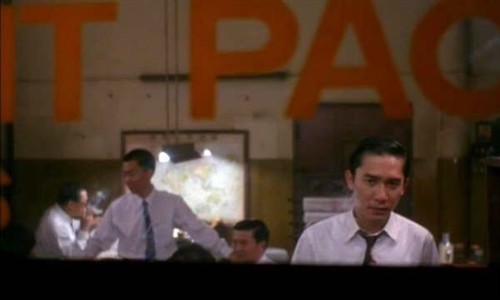
Look at his expression—he’s going all in.
12. Meeting in the rain
The rain came down in sheets. To take shelter, the two of them finally met again. Zhou Muyun was about to play his trump card. He told Su Lizhen that he was moving to Singapore for work. Their conversation continued:
Su Lizhen: Why did you suddenly decide to go to Singapore?
Zhou Muyun: A change of scenery... so I won't have to hear so much gossip.
Su Lizhen: ...As long as we know there's nothing going on, isn't that enough?
Zhou Muyun: That's what I thought too, so I wasn't afraid of what people said... I believed I wouldn't become like them...... But it turns out I can... I know you won't leave your husband... I want to get away.
Su Lizhen: I never thought you would really fall for me.
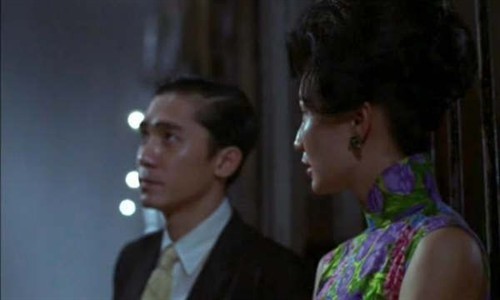
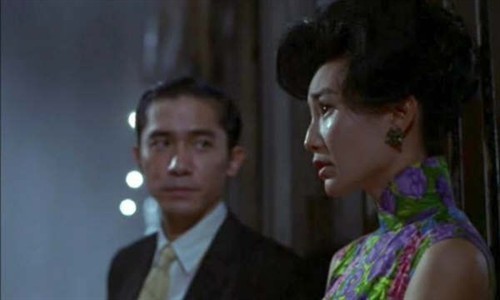
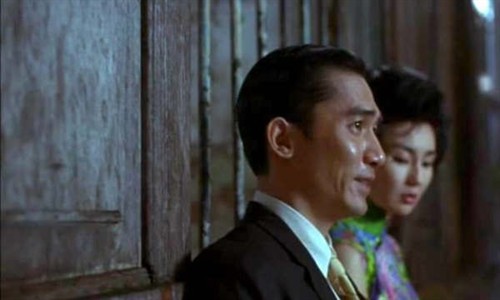
Throughout the conversation, Zhou Muyun’s eyes kept drifting away; he didn’t dare look Su Lizhen in the eye, he was terribly ill at ease. When Su learned he was leaving, she was utterly at a loss. She had been too afraid of gossip to see Zhou, yet after hearing he was leaving, she urged him, “As long as we know there’s nothing going on, isn’t that enough?”
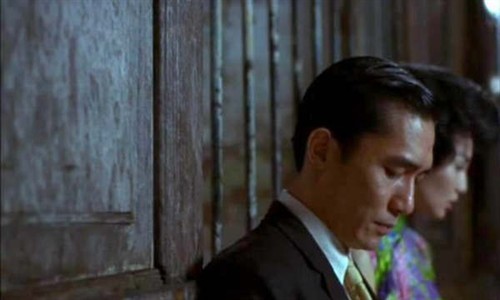
“I never thought you would really fall for me.” The opposite was true: Su Lizhen herself was the one who never expected to truly fall for him. She was still innocently, completely in the dark.
The conversation continued:
Zhou Muyun: I never thought so either... At first I only wanted to know how it began for them. Now I know... A lot of things just happen before you realize it... I thought I was unaffected... but I started worrying about when your husband would come back... Maybe it would be best if he didn't... I know it's wrong to think that way... Could you do me a favor?
What Zhou Muyun said here was precisely what was troubling Su Lizhen—“A lot of things just happen before you realize it… I thought I was unaffected… but I started worrying about when your ‘wife’ would come back…”
Su Lizhen: What?
Zhou Muyun: I want to be psychologically prepared.
Su Lizhen: ......
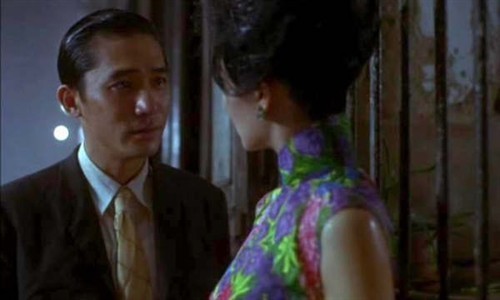
13. The final role-play: Rehearsing the breakup
And so they began role-playing again. This time, they acted out their future selves—the scene in which Mr. Chen returned from Japan and the two of them were forced to break up.
When Zhou Muyun said, “I want to be psychologically prepared,” he meant that he wanted to experience right then what it would feel like to be forced to break up when Mr. Chen returned. Clearly, his real aim was not to prepare himself, but to make Su Lizhen experience in advance what it would feel like to lose him.
Making Su Lizhen feel the pain of losing him ahead of time, tempting her to take the final step psychologically—this was Zhou Muyun’s trump card.
Let’s look at their “breakup rehearsal”:
Su Lizhen: Could you please stop looking for me after this?
Zhou Muyun: Your husband is back?
Su Lizhen: Yes... Am I completely useless?
Zhou Muyun: Not exactly...... Then I won't look for you anymore... Take good care of your husband.
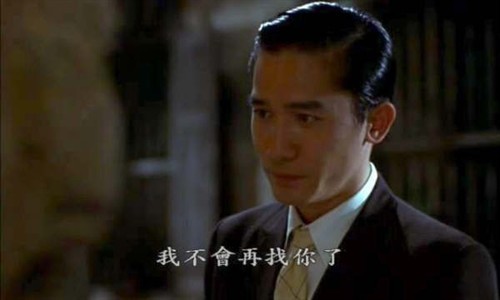
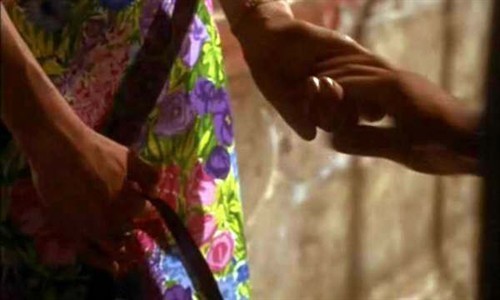
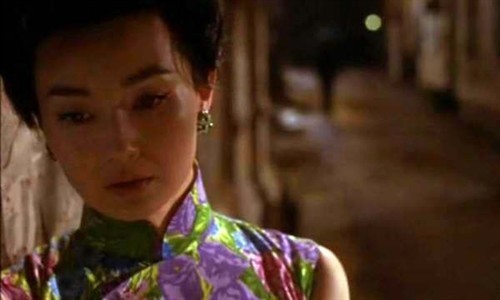
Zhou Muyun got what he wanted—without a doubt, Su Lizhen had truly felt the pain of the breakup. She could no longer bear to be without him.
The camera cuts:
The “performance” over, Zhou Muyun returned, and Su Lizhen sobbed in his arms:
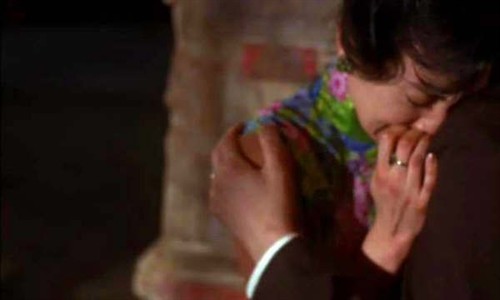
Last time, Su Lizhen had said, “I never knew it could hurt this much.” This time, she was surely hurting far more. She had realized that losing Zhou Muyun might be the one thing she could least bear.
And Zhou Muyun, while comforting Su Lizhen—“Don’t… don’t be silly, it was only acting… stop crying… this isn’t real…” —what about his expression (!)—
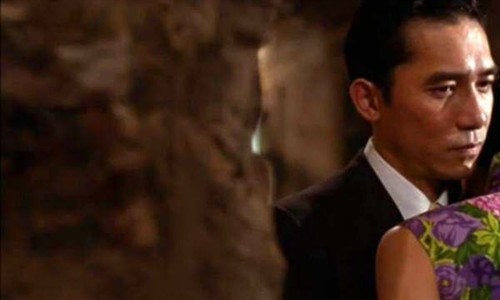
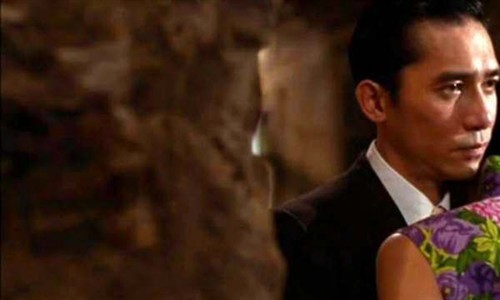
The thrill of a successful plan, a touch of inexplicable disappointment, and a vague unease all appeared on his face at once. Who knows which feeling was strongest in his heart? Was his conscience bothering him? Had he suddenly realized that he had fallen in love with Su Lizhen too?
(If this expression really means what I’ve been arguing, then this one look alone was enough to earn Tony Leung the Best Actor award at Cannes—but sadly, most viewers missed it.)
On the drive home—
Su Lizhen: I don't want to go home tonight...
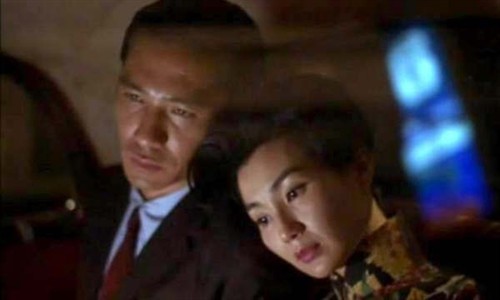
Su Lizhen rested her head on Zhou Muyun’s shoulder. Zhou hesitantly took her hand. Happiness returned to Su Lizhen’s face—she had completely opened her heart to her love for Zhou Muyun, and Zhou’s plan was only one step from complete. If he abandoned her now, the blow would surely be devastating.
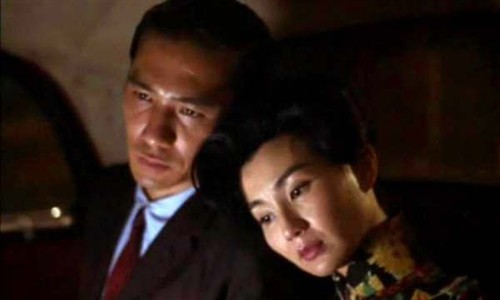
I suspect most viewers, seeing the shot above, focused on Su Lizhen and failed to notice Zhou Muyun’s expression. His face grew darker still. Did he regret it?
14. If there were one extra ticket
(At Su’s office… the telephone rings. It’s Zhou Muyun.)
Zhou Muyun: It's me... If there were one extra ticket... would you leave with me?
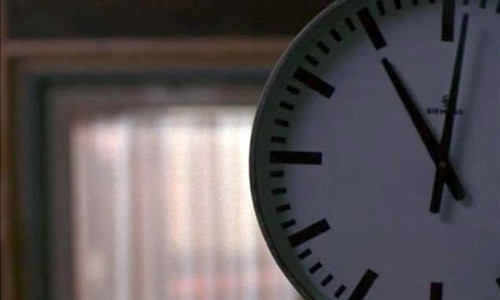
“If there were one extra ticket… would you leave with me?” This was the final step of the plan: Zhou Muyun invited Su Lizhen to leave with him, while actually slipping away without saying goodbye.
And Zhou Muyun, standing by the window in his own room—
First he stood there thinking for a long time, his face grave:
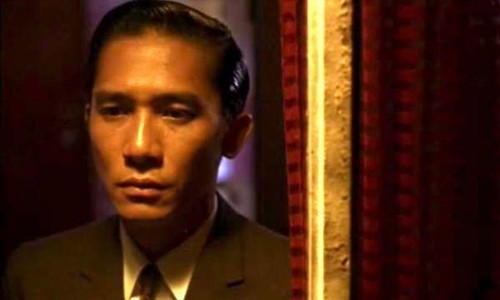
Then he smiled:
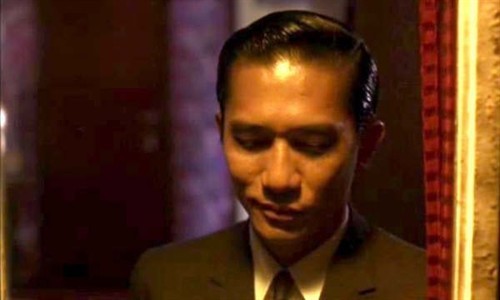
As before, the pleasure of revenge and his disappointment mingled on his face, making it impossible to tell whether it was a bitter smile or a smirk. But by this point, could anything still be undone?
Finally, he took one last look at the room filled with memories, then turned and left:
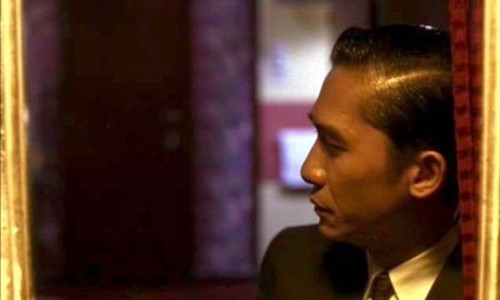
And at this point, Su Lizhen, still completely in the dark, was hurrying over from home.
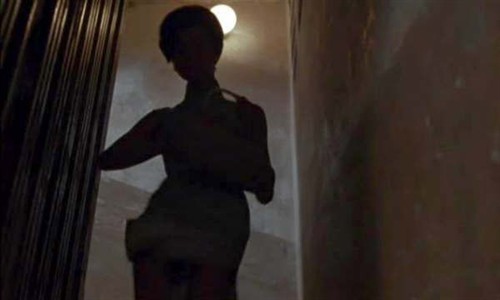
But when she reached Zhou’s place, she found it completely empty. Only then did she realize what the whole thing was about.
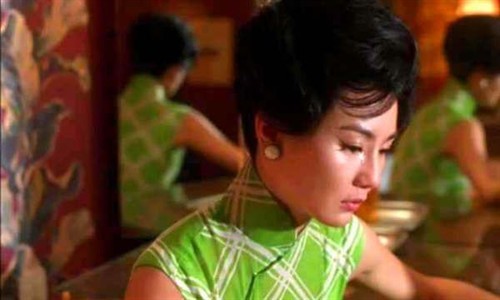
“If there were one more seat on the boat… would you come away with me?” she silently repeated the last words Zhou Muyun had left her.
“The Avenger”’s main storyline comes to an end here. Let’s return to the question left hanging earlier: the person Zhou Muyun hates shouldn’t be Su Lizhen. So why did he do this?
On the surface, Zhou Muyun’s psychological journey may have gone something like this:
At first, perhaps it really was just curiosity—a desire to know “how they got started”—along with a feeling that he and Su Lizhen were in the same boat. Later, as the fact that Mrs. Zhou and Mr. Chan were having affairs became increasingly clear, and as he immersed himself in those role-playing games, Zhou Muyun gradually identified more and more with Mr. Chan. His curiosity began to turn into anger and humiliation: you, Mr. Chan, were the one who lured my wife away like this.
But he could never find Mr. Chan. Where could all that humiliation and hatred go? —You took mine away from me, so I’ll destroy yours.
And in Zhou Muyun’s eyes, what was the best way to destroy a woman? Simple and cruel: when she can’t live without me, I’ll disappear without a trace.
But was that really the only reason? Perhaps there was an even more hidden psychological layer underneath.
For Zhou Muyun’s scheme to succeed, he was counting on Su Lizhen to turn make-believe into reality through repeated role-playing, until the pretense became real. But what about Zhou Muyun himself? Could he really step outside the “play” and remain detached? So, in Zhou Muyun’s eyes, was the target of this revenge plot Su Lizhen, or Mrs. Zhou as played by Su Lizhen? And was the avenger Zhou Muyun himself, or Mr. Chan inside the play?
All of these possibilities may have been true. The person who sets a trap often fails to realize that he, too, is already trapped inside it.
Back to the plot.
15. One year later, Singapore
The Singapore section is actually very simple, but Wong Kar-wai tells it in flashback. In chronological order, it goes like this:
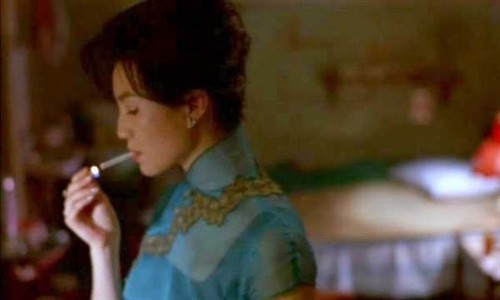
Zhou Muyun was working as an editor at the Sin Chew Daily in Singapore. Su Lizhen, now divorced, came to Singapore and quietly “slipped” into Zhou Muyun’s home there. She smoked a cigarette and left her lip print on it:
Then she called Zhou Muyun and said nothing:
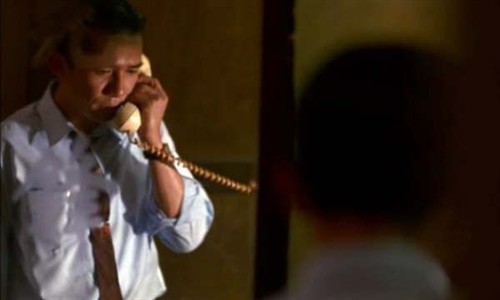
As she left, she took away the pair of slippers she had left at Zhou Muyun’s home a year earlier. Was this a small act of “revenge” against Zhou Muyun? Zhou Muyun had brought those slippers to Singapore as the only keepsake Su had left him. Perhaps Su Lizhen forgave Zhou Muyun on the strength of those slippers alone.
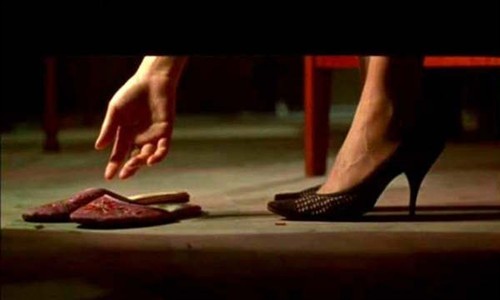
When Zhou Muyun returned home, he found that the slippers were gone. Then he saw the cigarette butt still bearing her lip print. He knew Su had been there, and that the silent call had been made from his home.
(Wong Kar-wai filmed it this way: first Zhou searches for something—then discovers the cigarette butt, leaving everyone completely baffled—before filming the story in chronological order.)
16. Four years later, Hong Kong
Zhou Muyun returned to his old home and brushed past Su Lizhen, who was now a mother.
That era was over. Everything that belonged to it was gone.
17. That same year, Angkor, Cambodia
Zhou Muyun whispered his secret into a hole in a stone pillar at Angkor Wat. What was his secret? Regret over his revenge, or feelings for Su Lizhen that he could not let go of?
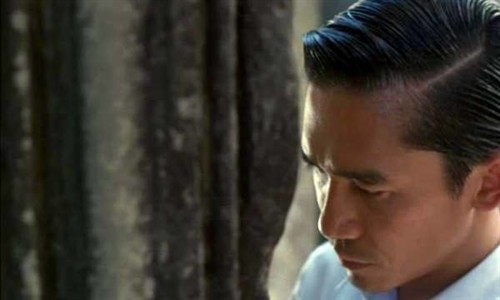
Those vanished years seem to lie behind a pane of dust-covered glass—visible, but impossible to reach.
He kept longing for everything that had passed.
If he could break through that dust-covered glass, he would walk back into the years that had disappeared long ago.
Version history
This article is a substantially revised version of In the Mood for Love: A Wong Kar-wai Film—Ten Years of Memories, which I wrote around 2001. I removed the “Ten Years of Memories” section; when I was young, I forced myself to sound melancholy for the sake of sounding melancholy, and the original now makes me cringe. Earlier version:
- In the Mood for Love: A Wong Kar-wai Film—Ten Years of Memories: http://content.mtime.com/post/309874
Leave a Reply