In the previous Fan Tuan post, I introduced the anthropologist Alan Fiske’s four-moralities theory.
In this model, human beings have four main systems of moral rules: communal sharing morality, authority ranking morality, equality matching morality, and market pricing morality.
Here, I’d like to derive a “universal drama-queen formula” from this model. It might come in handy when writing articles, jokes, or even screenplays (though obviously, the brilliant screenwriters and authors have been using this formula, consciously or otherwise, for ages).
How can you possibly wring a “drama-queen formula” out of a system of moral rules?
The logic goes like this:
In different kinds of interactions, people generally apply one of the four moral systems above—without saying so out loud—to regulate their behavior.
For example, A and B are friends in everyday life. When they go out to eat, they follow communal sharing morality: they share the food casually, without needing to keep score.
At the same time, they are work partners, and A is the expert. So at work, A can issue orders to B; here, they follow authority ranking morality.
On one occasion, they carpool to another city, so they each pay half the gas money. Here, they follow equality matching morality.
On another occasion, B plans to sell an old car, and A takes a fancy to it. They make the deal at the market price, following market pricing morality.
***
In these interactions, if one person violates the moral rules within any one of the models—for example, if B agrees to pay only one-third of the gas money, or A plans to forcibly buy B’s car at a price far below market value—those actions will unquestionably be seen as “immoral.” The other person’s reaction will inevitably be dissatisfaction, disgust, or anger.
But when someone’s reaction becomes “misaligned”—when they apply the rules of one moral model to behavior that is normally governed by another moral model—it produces a very different psychological reaction in the other person. That reaction can range from confusion, embarrassment, and awkwardness all the way to shock, disgust, and anger.
For example:
After a satisfying meal, someone gratefully tells the restaurant owner how much they enjoyed it, then suggests inviting the owner over for dinner at home sometime in the future—this is using communal sharing rules in a situation that should follow market pricing morality;
On another day, while invited to dinner at a friend’s house, this person suddenly pulls out a wallet and offers to pay the friend for the meal—this is using market pricing morality in a situation that should follow communal sharing morality;
After dinner, the host tells the guest, who is relaxing in front of the television, to get up and wash the pots and dishes—this is using equality matching morality in a situation that should follow communal sharing morality.
I came across the examples above in Steven Pinker’s The Better Angels of Our Nature. Even Pinker wasn’t sure what to call the odd feeling produced by this kind of “boundary-crossing misalignment” of moral rules.
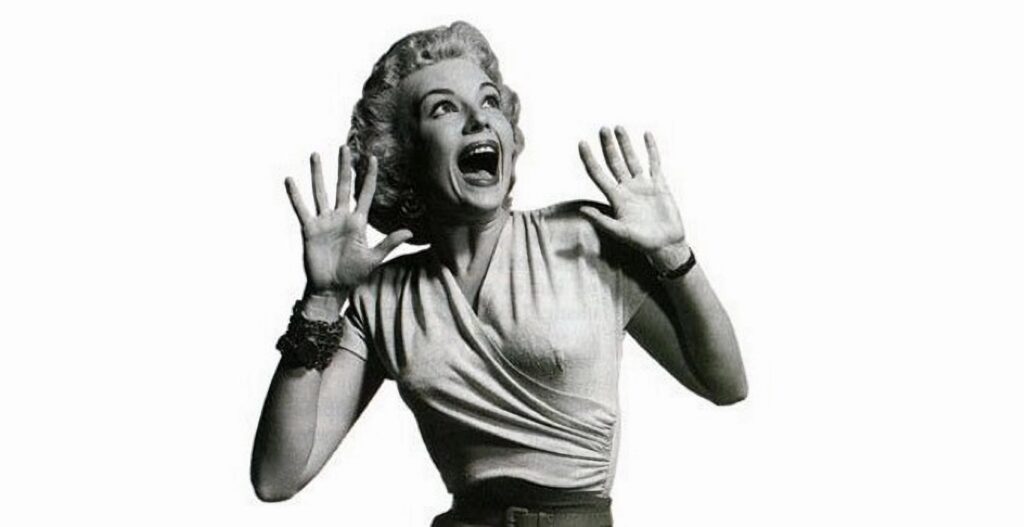
I think we might as well call it a “drama-queen feeling.”
Because when I read those examples, it was plainly like watching one drama queen after another make a scene.
That got me thinking: using this kind of boundary-crossing misalignment of moral rules in jokes, comic bits, and drama can very easily create the theatrical effect of “the drama queen has arrived.”
There is one thing to be extremely careful about when using this method, though. Within communal sharing morality, some rules belong to the “sacred domain”: clan ancestors, the spiritual leaders and symbols of a religion, national sovereignty, and so on. Applying other moral systems to these “sacred-domain” objects may well trigger the other person’s “taboo reaction.”
For example, when someone offers to buy your child (this is market pricing morality suddenly barging into the quasi-sacred moral rule of “loving your children” within communal sharing morality), you won’t ask how much they are offering. You’ll simply be enraged by the proposal itself.
***
So here is our “universal drama-queen formula”:
Misaligned use of moral rules can easily trigger a “drama-queen feeling,” but don’t casually touch the sacred resources of your audience or readers.
References:
Steven Pinker. (2015). The Better Angels of Our Nature. CITIC Press.
Note
- This article in the “New Psychological Knowledge Mini-Course” series was written at the time to accompany related content from Zhichao Wei: New Psychological Knowledge Course. It was a short popular-science essay/ramble published on the now-shuttered platform Fan Tuan; the original link no longer exists.
Leave a Reply