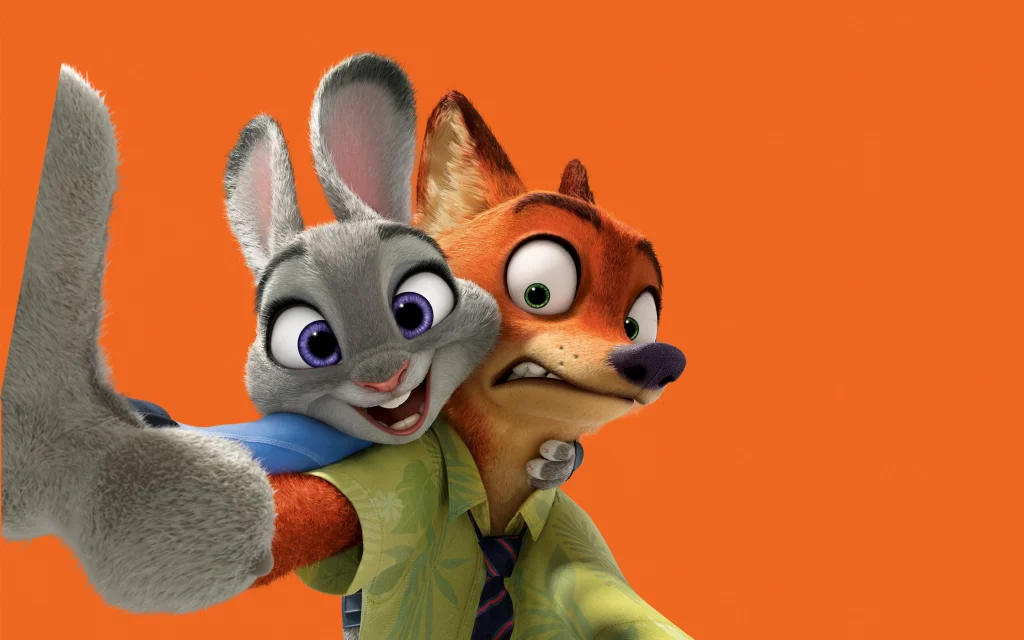
Zootopia actually has nothing to do with “racial equality.”
The English title of Zootopia means an “animal utopia.” The implication could hardly be clearer: a utopia, a harmonious society, racial diversity, and peaceful coexistence—but “racial equality”?
“Racial equality” and “racial harmony”—these are the core themes of Zootopia. The creators pushed them hard, and the audience saw them too.
But what I want to say is that Zootopia actually has nothing to do with racial conflict.
Why? Simple. Let’s compare.
Version 1:
I’m Fox A:
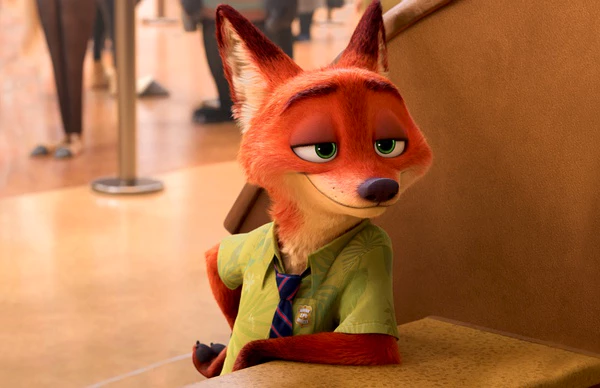
I don’t actually eat rabbits at all:
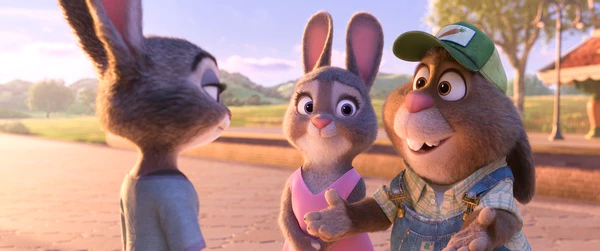
But my friends think it’s my nature to eat rabbits, so they insult and hurt me. I become a self-destructive delinquent:
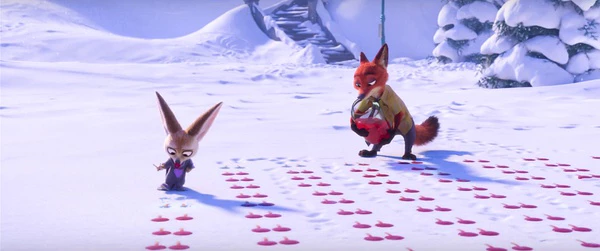
Then a cute rabbit appears (oh, sorry—only rabbits are allowed to call rabbits “cute”; outsiders aren’t), and she gets me to open up:
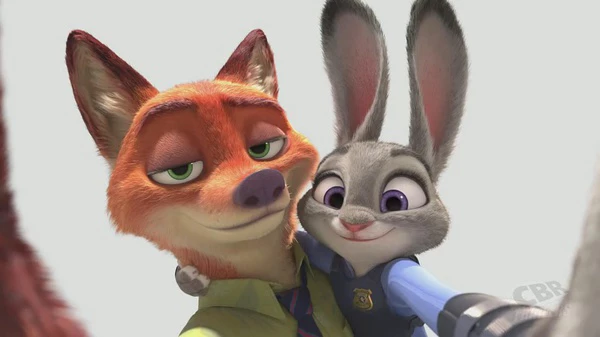
So I pull myself together and reintegrate into society:
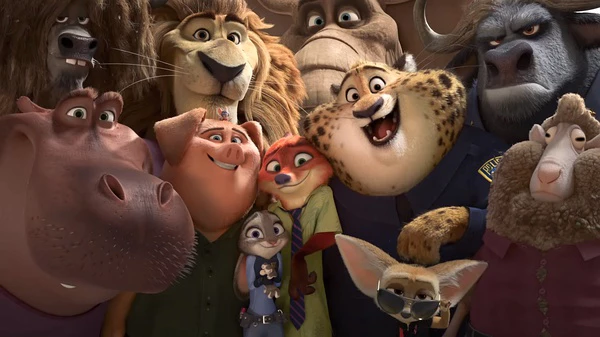
That’s the value system presented in the film:
Don’t assume I eat rabbits just because my ancestors once did. I don’t eat rabbits. So please don’t judge me by your impression of my ancestors. I just look different from you; inside, I’m exactly the same as you.
There’s a key word in Zootopia: “nature.” In the turning-point press conference where the rabbit and fox fall out, the fox is enraged precisely because the rabbit lets slip that carnivores may have a “nature” inclined to eat meat. The fox is angry because the accusation is baseless: I clearly don’t want to eat meat, yet you’re falsely accusing me.
Fox A’s nature is not all that different from the rabbit’s, which is why Fox A can ultimately be accepted by this “animal utopia.”
Now let’s look at—Version 2:
I’m Fox B:
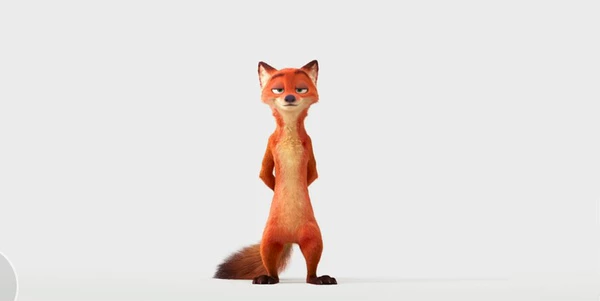
I feel a powerful urge to eat rabbits.
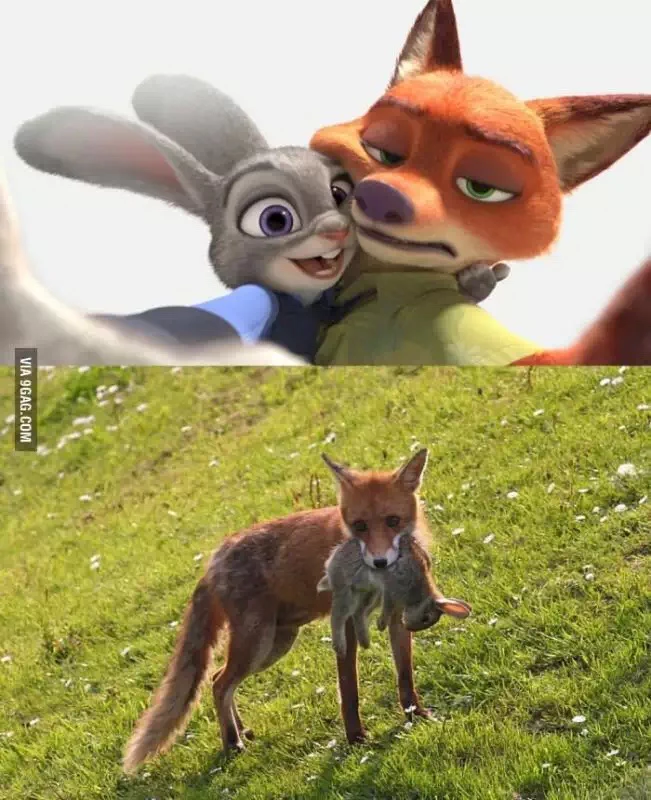
But I’m worldly and cultured:

Deep down, I’m always thinking about eating rabbits, but I tell myself that eating rabbits is wrong. So I restrain my nature and eat only plants:
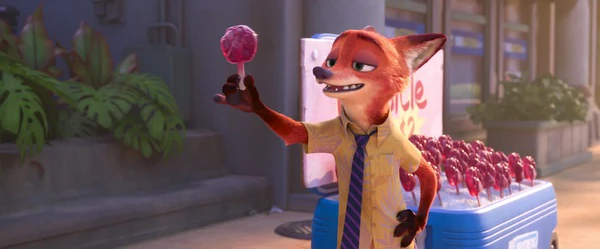
Even when I’m starving and can’t stop thinking about eating rabbits, I have treated every rabbit I’ve encountered well so far:
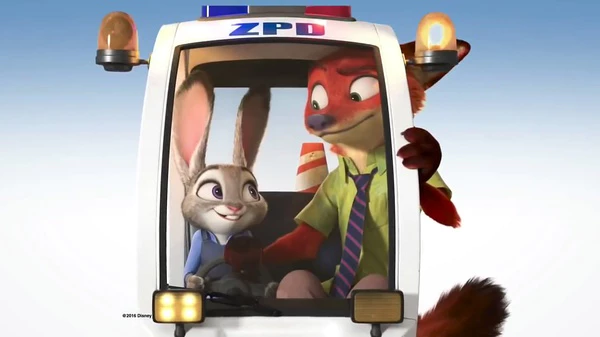
Unlike the carnivores in Zootopia, who simply have no desire to eat herbivores, Fox B’s “nature” is to want to eat rabbits. So if Fox B attended that press conference, it wouldn’t be enraged; it would be in pain, because someone had poked the deepest secret in its heart.
So tell me: could a Fox B like this be accepted by the “animal utopia”?
I think real-world racial conflict is not like Zootopia, where two groups of animals merely look different while their inner nature is basically the same. In fact, if two groups of people only looked different but had the same nature, they would have virtually no problem with racial conflict if they lived together. Their shared values would naturally bring them together.
Fox B is what racial conflict really looks like in the real world.
Real-world racial conflict is a group of foxes who want to eat rabbits breaking into a community of rabbits.
It’s me believing meat is nutritious while you believe eating meat is killing a living being. When we sit down at the same table, how are we supposed to coexist?
It’s me believing women must cover their bodies in public while you embrace feminism and believe women can bare their breasts wherever men are allowed to go topless. When we run into each other on the same beach, how are we supposed to coexist?
It’s two groups whose natures are not merely different but even in conflict suddenly standing face-to-face. How are groups like that supposed to get along?
For another example of cross-species, well, you know… the terrible Twilight movies from a few years ago actually offered a metaphor with more real-world relevance.

In this American Qiong Yao melodrama, which nearly destroyed every rule of vampire cinema just to let viewers swoon (for example, instead of exploding into a puddle of pus in sunlight, the vampires sparkle like diamonds. Ugh!), the male lead’s family are good vampires:
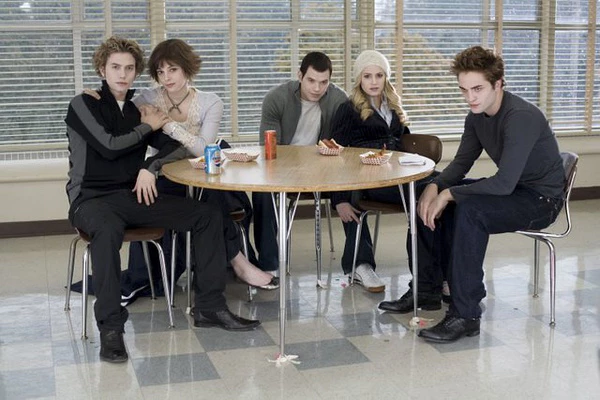
They’re good not because they’ve evolved beyond wanting human blood. When they’re ravenous, they still can’t help tackling a human to the ground:
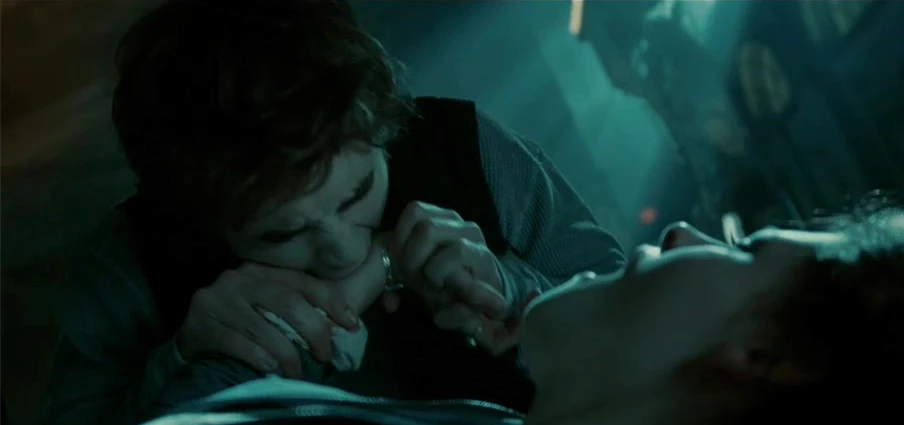
They’re good because they believe drinking live human blood is wrong, so they voluntarily quit their blood-drinking addiction and train themselves to control the urge:

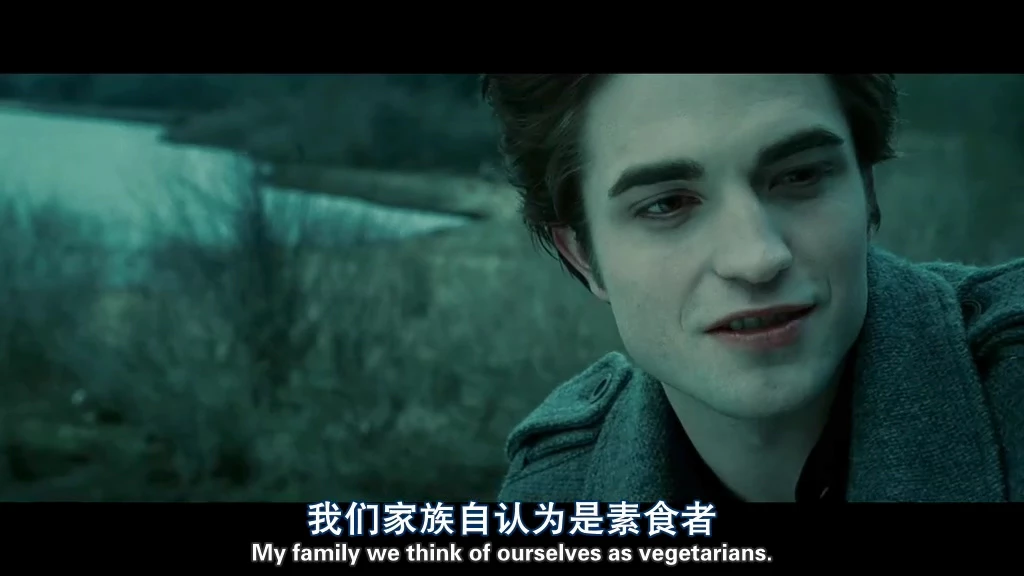
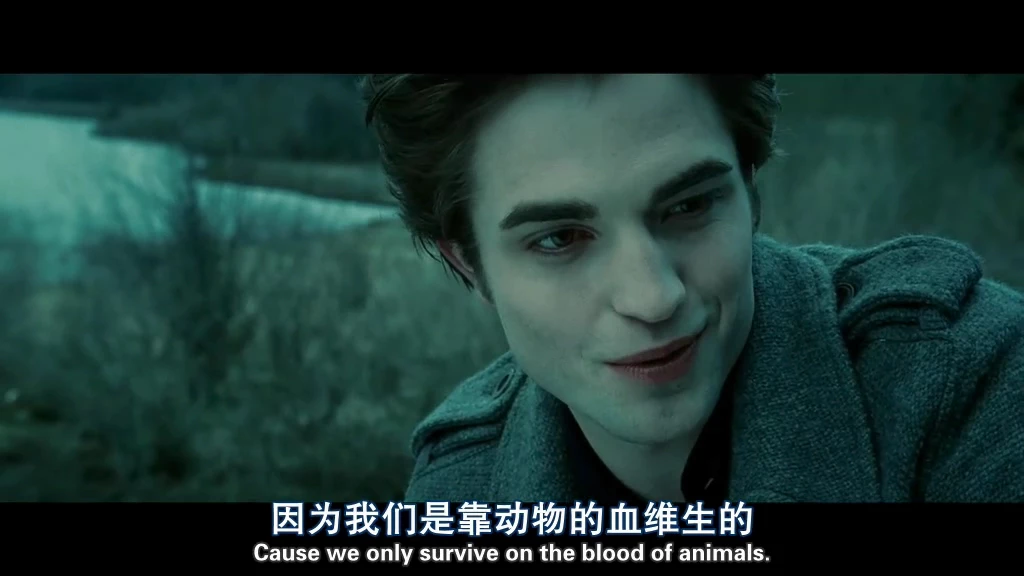
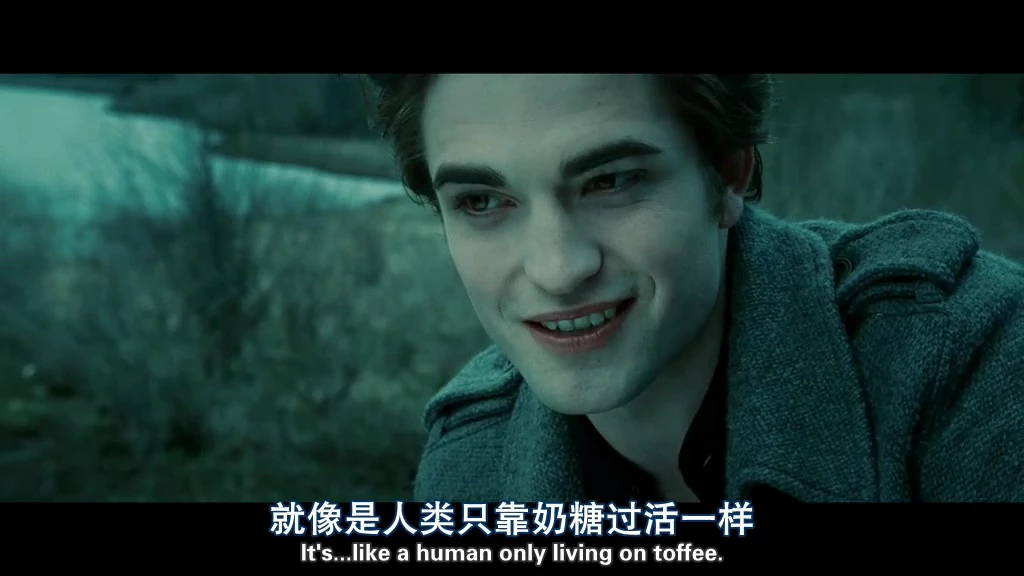
Then they live peacefully alongside humans.
I think this is the kind of racial harmony worth praising. Racial harmony means that my nature could clearly harm you, but for the sake of our peaceful coexistence, I’m willing to put my nature in chains.
Of course, this is mostly my overinterpretation of Twilight. The film’s actual point is simply that a young girl wants to swoon over a handsome vampire, and that’s it.
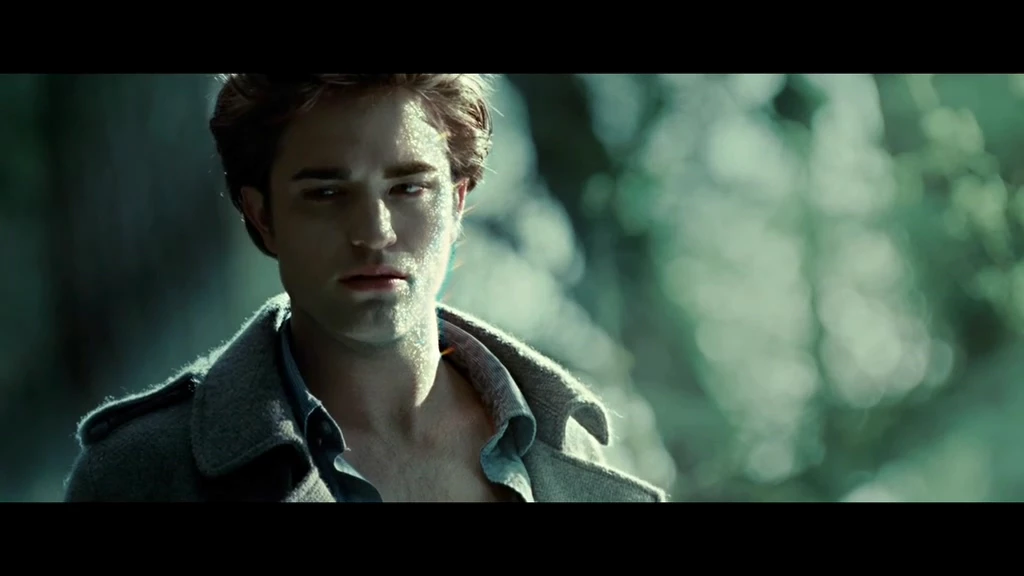
However, there’s another American TV series that genuinely uses vampires to portray racial conflict: HBO’s True Blood.
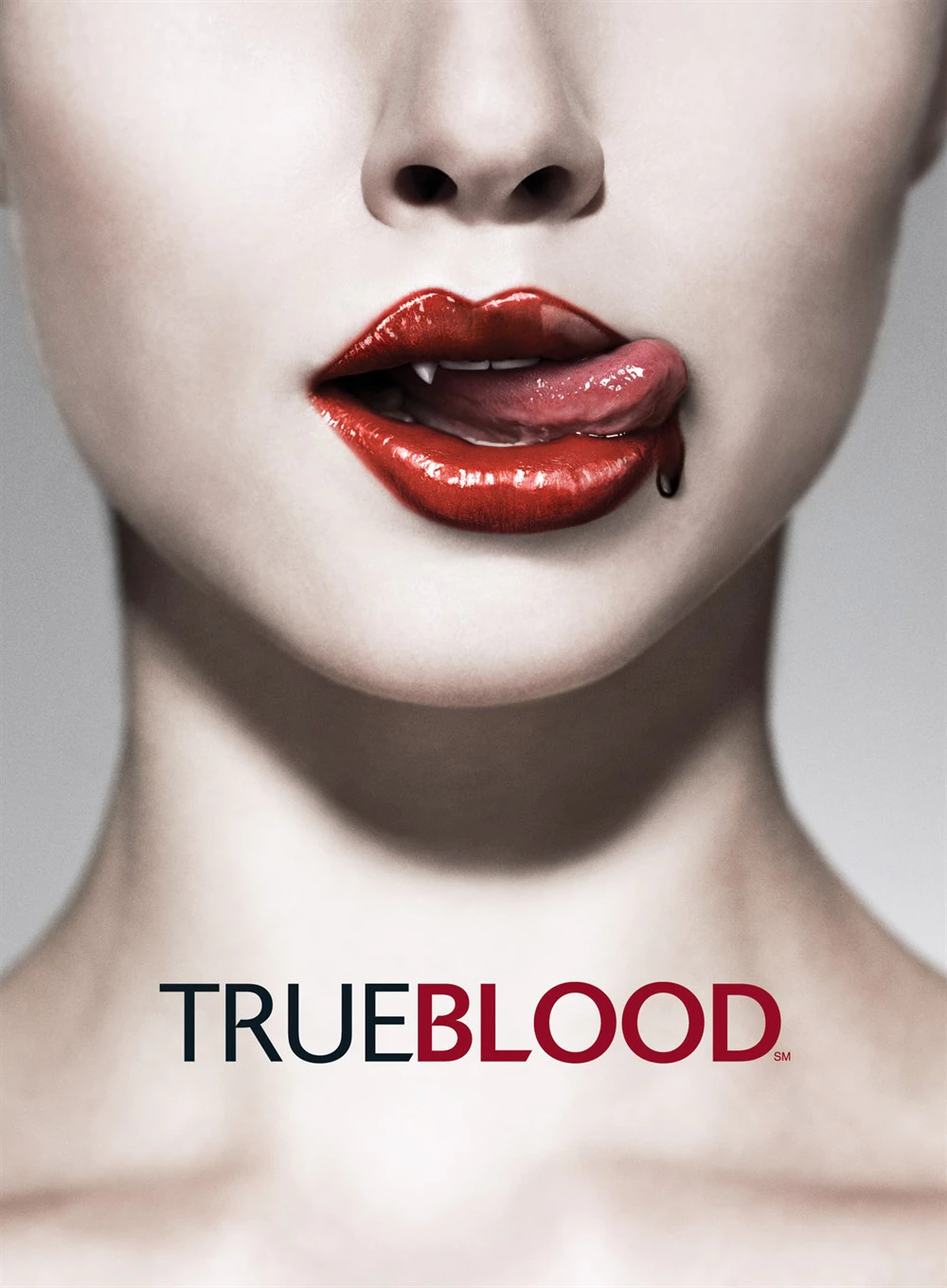
In True Blood, vampire scientists invent a drink that can replace human blood, so vampires who have lived in hiding alongside humans for thousands of years decide to reveal their identities. This creates a textbook scene of racial conflict: vampires and humans have impulses toward mutual distrust and mutual harm, yet struggle to restrain those impulses and search for a way to coexist peacefully. The racial issues metaphorized in the show are far sharper than those in Zootopia.
So, as far as the theme of racial conflict goes, the swoon-inducing disaster Twilight and the very sexy, very violent little show True Blood both beat Zootopia by a nose.
The premise of the animal utopia in Zootopia is that carnivores have evolved past the instinct to eat meat. Carnivores and herbivores are really just different in size and appearance. Beneath the many faces of different species lies a highly unified set of values.
So the animals in this story are actually all one species. That’s why I think it has nothing to do with racial issues.
I think human nobility is not shown by erasing our nature and evolving directly into a species with noble nature. It is shown by having a “choice”—actively choosing to control certain aspects of our nature that may never be completely erased.
Perhaps darkness is hidden in our hearts, but we work to let the light out.
Related articles
- After I published this article on Zhihu back then, netizens attacked me and branded me a racist. I wrote it too hastily, and quite a few of my word choices were indeed inappropriate. I later wrote the following response:
Why I Love The Shape of Water Far More Than Zootopia, Despite Their Both Being About Cross-Species Entanglements
Original link
- Zhihu Q&A version: What do you think of Disney’s animated film Zootopia?
- Zhihu column version: Why the Terrible Twilight Actually Has More Sound Values Than Zootopia
Leave a Reply