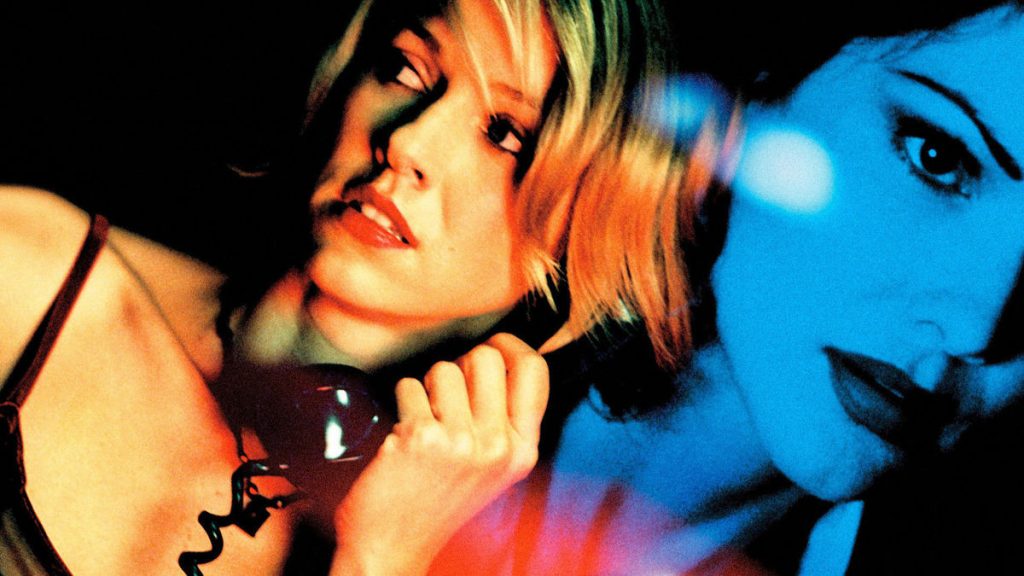
Although David Lynch himself once revealed that the story structure of Mulholland Drive came to him in a burst of inspiration during meditation, I strongly suspect that his real creative source was The Interpretation of Dreams, the great work by the founding father of psychology, Sigmund Freud.
Just as many film fans have pointed out, the story structure of Mulholland Drive can be understood as “dream + reality.” The first 3/4 of the film is actually a nightmare dreamed by the protagonist, while the final 1/4 is her real life. And when I tried to understand the plot through Freud’s logic of dream interpretation, I found that many details of this nightmare in Mulholland Drive match Freud’s logic in The Interpretation of Dreams with astonishing precision. Behind those seemingly chaotic, insane dream scenes are causes that can, in fact, be understood.
What follows is my attempt to use Freud’s method of dream interpretation to analyze the nightmare called Mulholland Drive.
Freud’s theory of dream interpretation has two points particularly relevant to this film:
- Freud believed that dreams are the (disguised) fulfillment of wishes. The formula for interpreting a dream is: dream = repressed desire + disguised fulfillment. In other words, dreams always express some wish in the dreamer’s subconscious. The wish just isn’t expressed directly; it gets disguised into something less obvious. That’s because some wishes in the subconscious may conflict with the dreamer’s morals and values. If expressed too plainly, they could send the dreamer spiraling into anxiety.
- Identification. Put simply, identification means that in a dream, the dreamer casts herself as someone else. Again, this helps soften the conflict between subconscious wishes and moral or personal values: in dreams, we often let someone else release the pressure and fulfill the wish on our behalf. We fool ourselves by saying, “That isn’t me,” and thereby avoid the conflict.
Now, if you’ll allow me to scramble the film’s narrative order, I’ll first lay out the background to this nightmare—in other words, the reality depicted in the film.
The Reality of the Story
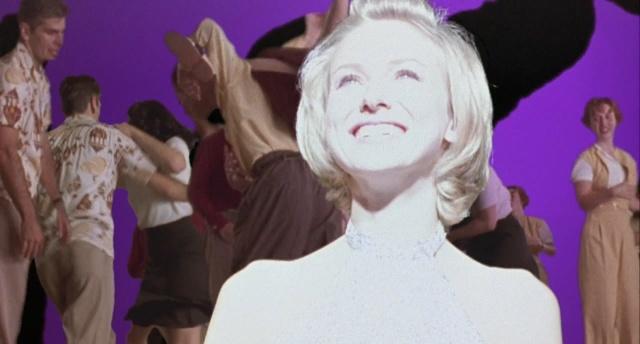
Diane grew up in Ontario, Canada, raised by her uncle and her aunt, who had once been an actress. Probably influenced by her aunt, she always dreamed of becoming an actress and making it big in Hollywood. She won a dance competition, made her debut, and entered show business.
After her aunt and uncle died, Diane came to Hollywood alone. Like many other young women who come to Hollywood to chase a dream, she temporarily rented a shabby apartment, went to audition after audition, and waited for the day some director would choose her for a great role and make her famous overnight.
Before long, a film called Silvia North Story held auditions for its female lead. Diane auditioned but lost the part. A girl named Camilla won over the producers with an almost perfect performance and got the role, becoming famous in one stroke. Diane and Camilla met and became good friends. With Camilla’s help, Diane landed small roles in some of the films Camilla headlined.
Camilla’s fame kept growing, and she became the film company’s darling. Diane and Camilla also became romantic partners. To keep their relationship hidden, Camilla often wore a blonde wig when she visited Diane’s home for secret rendezvous. Camilla didn’t seem to take their relationship all that seriously, but Diane regarded Camilla as her lover.
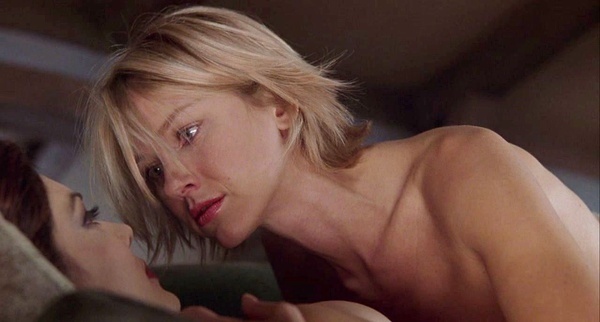
Later, a big-budget film held auditions for its female lead. On set, director Adam fell in love with Camilla at first sight. Camilla naturally became the leading lady—and Adam’s girlfriend.
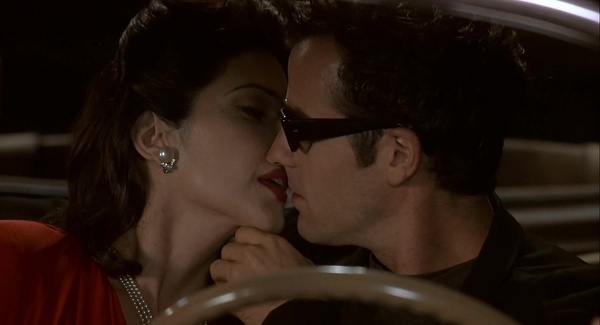
Diane still played a small role in the film. Unable to accept Camilla falling for someone else, she had a huge fight with Camilla after once witnessing her flirting with Adam on set.
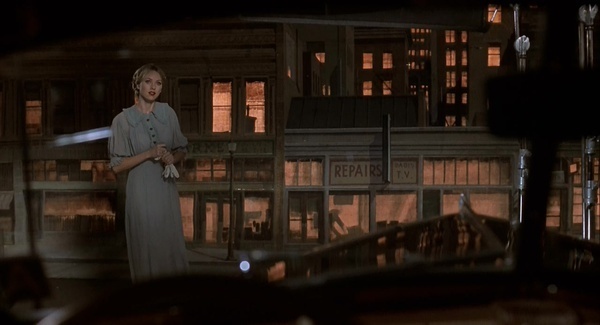
Distraught, Diane cried and masturbated at home. Then the telephone rang. It was Camilla. Camilla sent a car to pick Diane up and bring her to Mulholland Drive, where Hollywood’s powerful lived. The car suddenly stopped on Mulholland Drive. Diane grew a little frightened and asked the driver, “What are you doing? We shouldn’t stop here!” The driver turned around and said, “I’m giving you a surprise.”
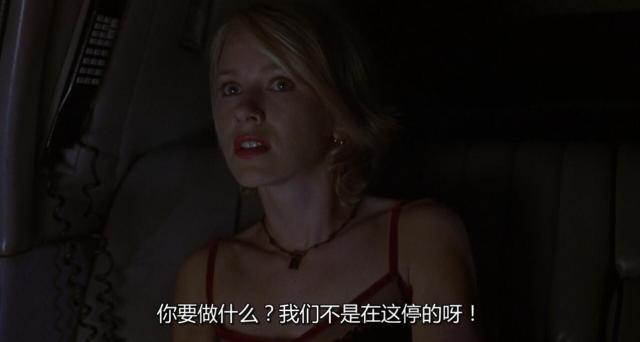
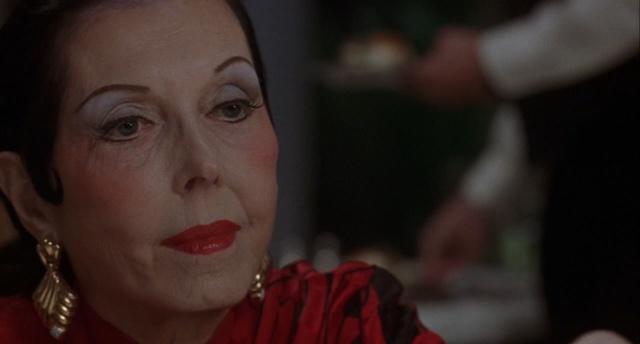
Camilla appeared beside the car and led Diane along a mountain road to a mansion. It turned out to be Adam’s house. Adam was throwing a party, and many people from the film company and crew were there. After Diane exchanged a few pleasantries with Adam’s mother, Coco, the party began. Diane continued to endure Camilla’s flirtation with Adam.
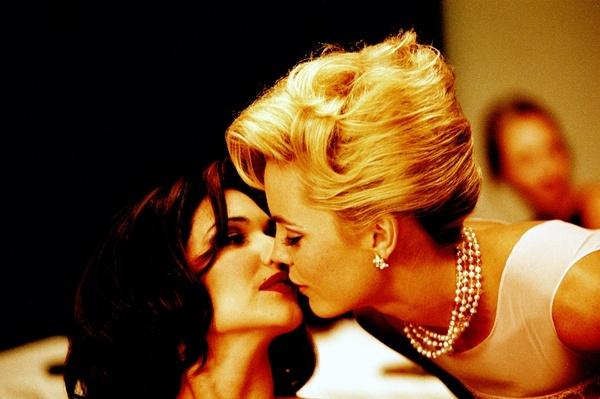
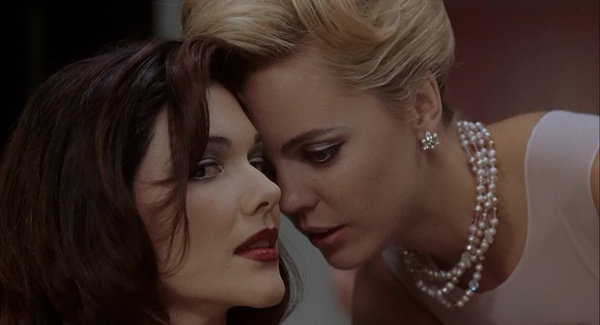
Then an actress came over, whispered a few words to Camilla, and kissed her right in front of Diane. Diane was devastated. She knew someone else had taken even her place as Camilla’s female partner. Later, when Adam said, “Camilla and I are getting (married),” Diane finally couldn’t take it anymore.
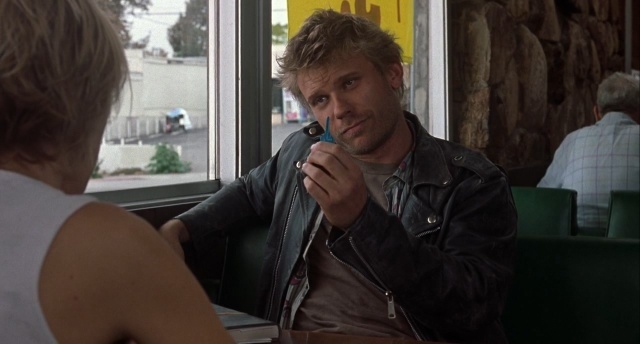
Love turned to hate, and Diane went down a dark road. At a fast-food restaurant, she hired a hitman to kill Camilla. The hitman gave her a blue key and told her to collect, from a homeless man, an item that would prove Camilla was dead.
Diane went to the homeless man, who threw her a blue box that seemed to fit the blue key perfectly. Was Camilla’s corpse inside? Diane’s mind began to collapse. She saw her aunt and uncle run out from beside the box. Terrified, she fled home, collapsed on her bed, exhausted, and had a nightmare (the nightmare makes up the first 3/4 of the film).
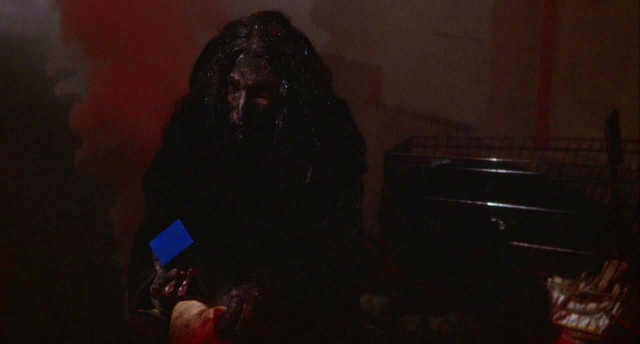
When she woke up, Diane stared at the blue key on the coffee table. Thinking of what she had done, she completely broke down. Once again she saw her aunt and uncle chasing her with terrifying expressions. She ran to the edge of the bed, pulled out a gun, and shot herself.
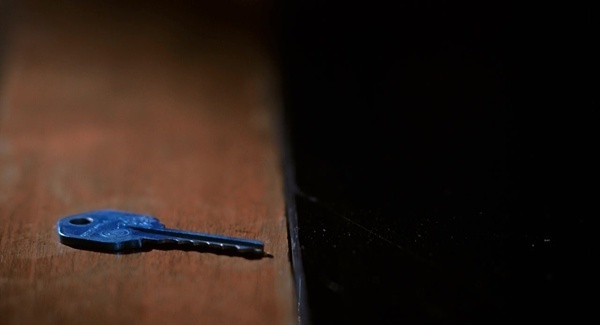
That is the reality of the story, and the background against which Diane, the dreamer, had this dream.
The Dream Double
Now let’s analyze the dream.
Mulholland Drive seems so complex and obscure because many dream characters’ names, identities, and experiences are completely different from their real-life counterparts. In the dream, A’s personality and experiences may actually belong to B in reality. In other words, most characters in the film have two identities—a concept Lynch is clearly rather obsessed with. So before interpreting the dream, I’ve put together a table of the main characters’ dream and real-life identities for comparison (you can also come back to this table after reading the analysis below)—
|
Character |
Real-life identity |
Dream identity |
|
Diane/Betty |
Diane: the dreamer; Camilla’s female lover, a down-and-out Hollywood actress |
Betty: Diane’s dream alter ego, an idealized and perfected version of Diane, blending Camilla’s real-life experiences and identity. |
|
Camilla/Rita |
Camilla: a rising Hollywood star, Diane’s female lover, and director Adam’s girlfriend |
Rita: a beautiful amnesiac |
|
Diane’s aunt and uncle/strangers at the airport |
Diane’s aunt and uncle (both deceased) |
Strangers Betty meets on the plane; in the dream, Betty’s aunt—the person who left her the house—is Diane’s idealized aunt. |
|
Coco |
Adam’s mother |
Betty’s landlady |
|
The blonde woman who kisses Camilla |
Possibly one of the actresses in the cast |
In the dream, her name is Camilla! She is the leading actress the shadowy powers behind the film company force Adam to choose. |
|
The gangster who spits out coffee |
He briefly appears at Adam’s party, possibly a crew member or someone from the film company. |
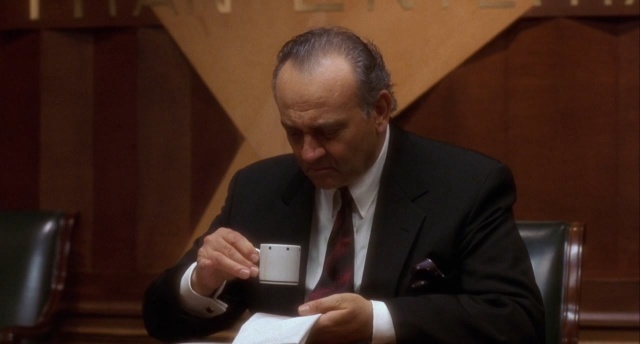
A member of the shadowy forces behind the film company, who once threatened Adam into choosing their recommended Camilla as the female lead. |
|
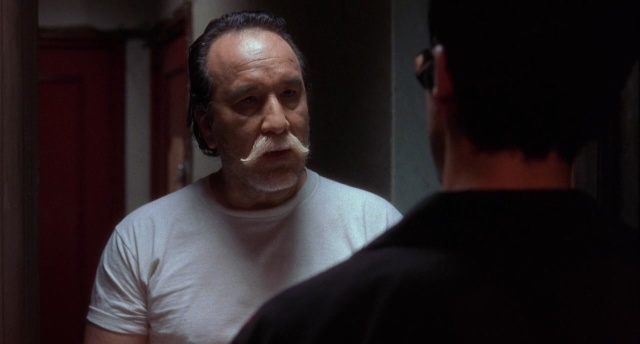
The white-haired old man |
One of the performers at the Club Silencio |
The owner of the hotel where Adam stays when he falls on hard times |
|
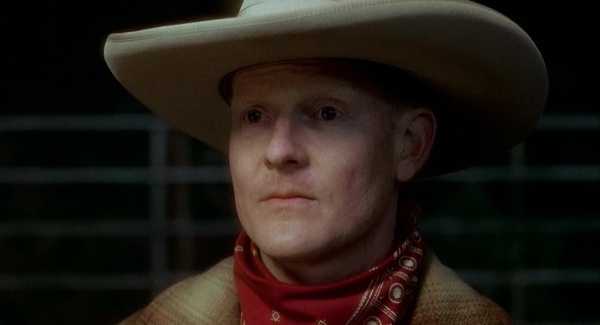
The Cowboy |
He appeared at the party and may have been an actor. |
An enforcer for the forces behind the film company, who once threatened Adam. |
|
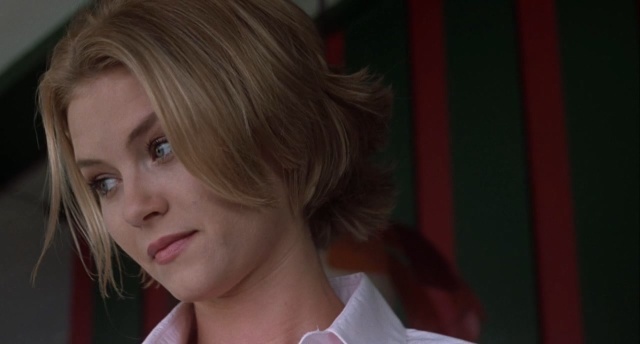
The waitress |
A waitress at the fast-food restaurant named Betty (the source of Diane’s dream name). |
A waitress at the fast-food restaurant named Diane (the waitress’s name in the dream becomes a clue for Rita as she investigates her identity). |
|
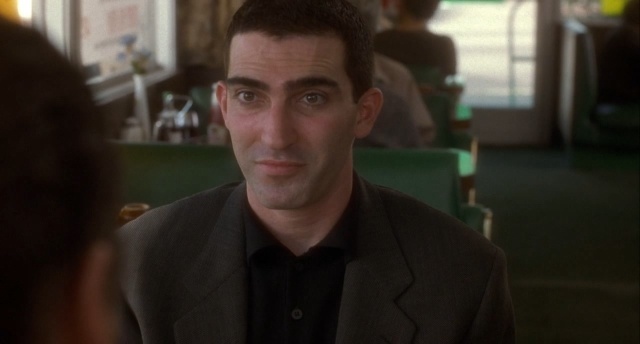
“Some Random Guy”/fast-food customer |
A customer at the fast-food restaurant who briefly crossed paths with the hitman when Diane made the deal with him there. |
In the fast-food restaurant, he seeks help from a psychologist after dreaming about the homeless man. |
|
The homeless man/the demon behind the wall |
The person who helps the hitman deliver the blue box to Diane |
The demon behind the wall |
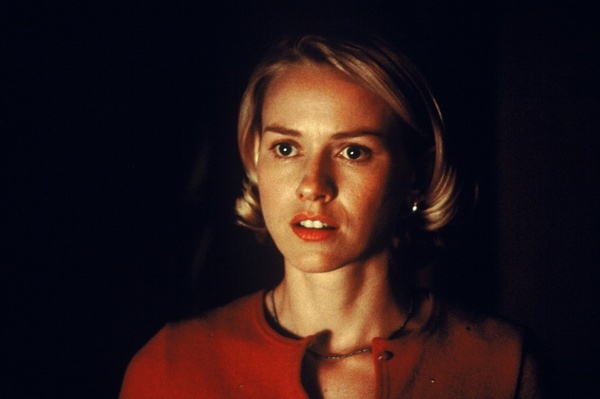
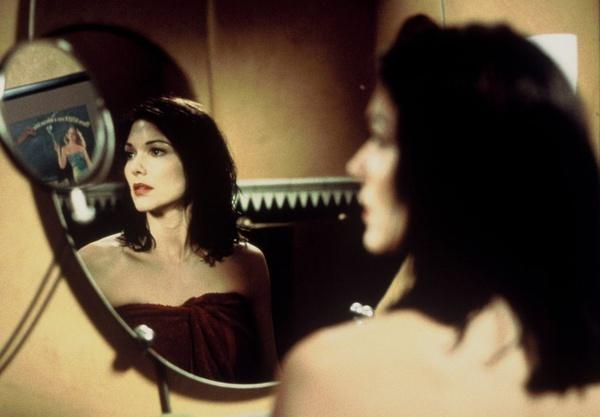
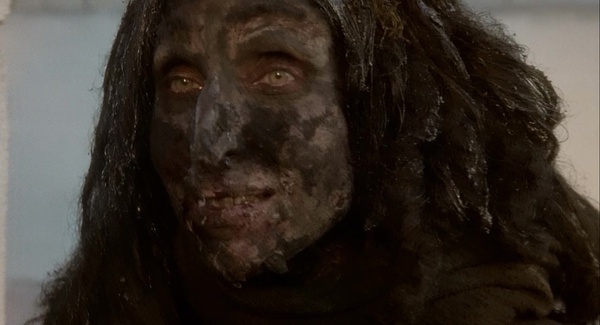
That is the dream double of the film’s main characters, in reality and in the dream. Next, I’ll try to interpret this nightmare according to the order in which the film unfolds.
Prologue
The film opens with several pairs of dance partners dancing in front of a virtual blue screen, their images duplicated many times. Then Diane’s image appears, her face glowing with excitement. In the next image, Diane appears cuddled up with her aunt and uncle.
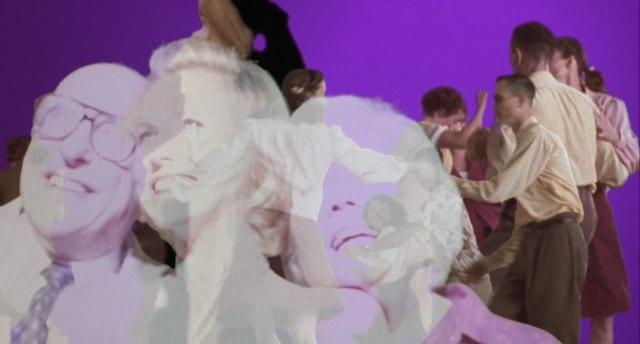
This scene establishes Diane’s background: 1. she was raised by her aunt and uncle; 2. she won a dance competition and entered show business as a result (an experience Diane later reveals herself at Adam’s party).
The second shot is from Diane’s point of view, accompanied by her heavy breathing. In fact, this is her just having fled home from the homeless man. A bed, sheets, and pillow sway into view before her eyes. Then the image fades, and Diane begins to enter the dream.
The dream begins with the third shot (to keep the argument clear, the shot order mentioned below differs slightly from the film)—
Dream Sequence One: The Car Crash
The image fades in on a road sign reading “Mulholland DR.” (In reality, Diane sees this sign on the way to Adam’s party, but in the dream, Camilla is the one sitting in the car).
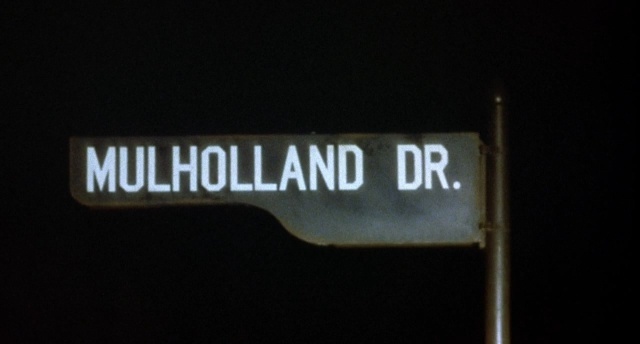
The car suddenly stops. Camilla asks the same question Diane asked in reality: “What are you doing? We shouldn’t stop here!” The driver pulls a gun on her and orders her out of the car.
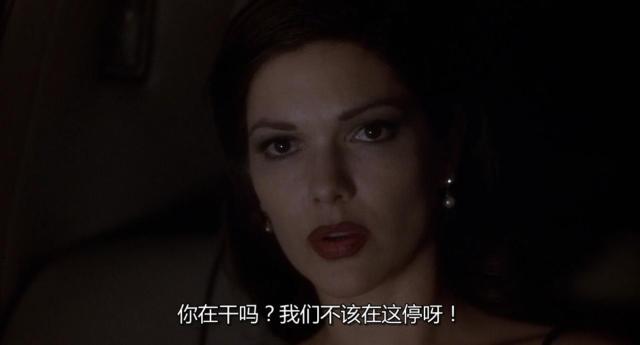
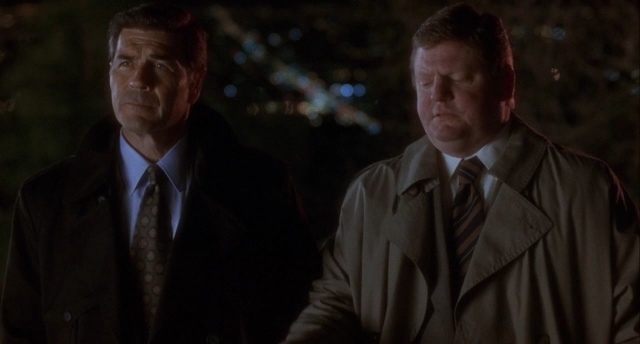
At that moment, a sports car packed with street racers comes toward them and crashes into Camilla’s car. Everyone dies except Camilla. She staggers down the hill and hides in an apartment whose female owner is about to leave (Betty’s aunt’s apartment). Two detectives begin investigating at the crash site.
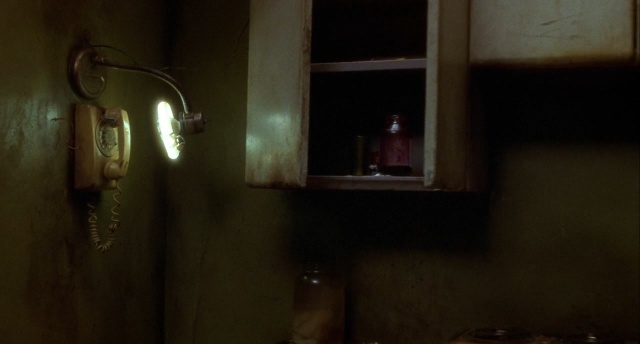
After learning about the crash, the shadowy forces behind the film company—who had originally planned to have Camilla killed—call one another and confirm that Camilla is missing. The last telephone to ring is the one in Diane’s home in reality.
Analysis 1
What were Diane’s strongest emotions and wishes before she fell asleep? Probably regret and guilt. She wished Camilla weren’t dead, so the dream begins with Camilla surviving the crash.
But another inner demon is at work. Diane is afraid to admit that she hired a hitman to kill Camilla. She wishes it wasn’t she who killed Camilla. So in the dream, the people trying to kill Camilla aren’t Diane—they’re replaced by the shadowy forces behind the film company.
This idea continues throughout the dream and develops into one of its main plotlines: the casting battle surrounding director Adam’s film.
Analysis 2
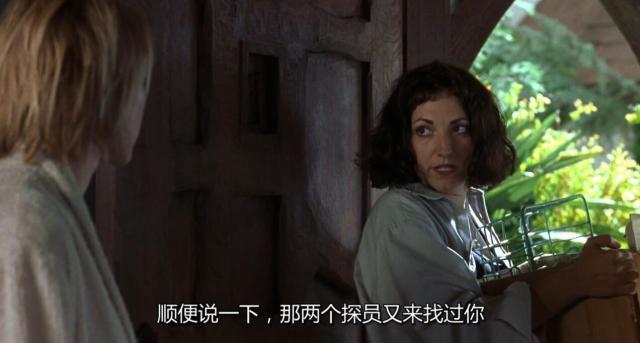
In reality, after Camilla disappears, the film company and the police keep investigating her whereabouts and turn their suspicions toward Diane. We can see this from Diane’s later conversation with her friend—the two detectives have been looking for her to question her. Presumably, people from the film company have also been calling to get in touch with her. That is why the images of the detectives and the film-company staff also appear in this stretch of the dream.
Dream Sequence Two: The Airport
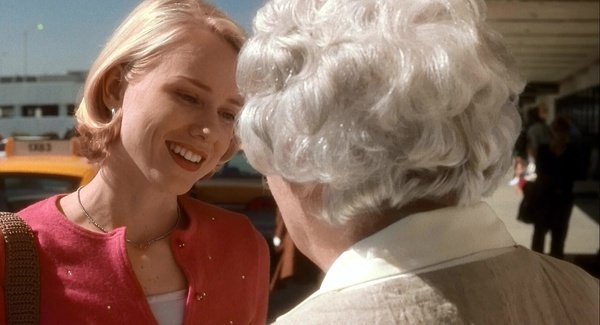
Betty comes to Hollywood from Ontario, Canada, and says goodbye at the airport to an elderly couple she met on the plane. The old couple—especially the old woman—offers Betty their heartfelt blessings. Betty then takes a taxi to the apartment her aunt has left for her.
Analysis 1
In the dream, Diane changes her name to Betty, a name taken from the name tag of a waitress Diane glimpsed in a diner (elements that appear in dreams often come from what we saw or heard the day before).
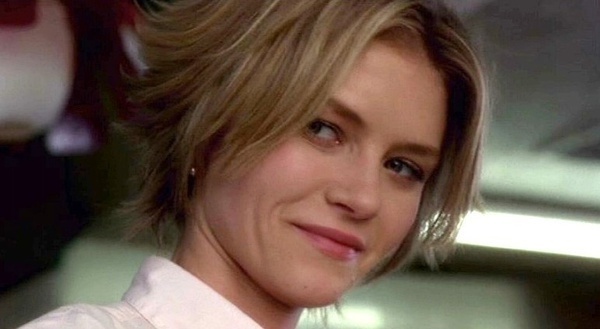
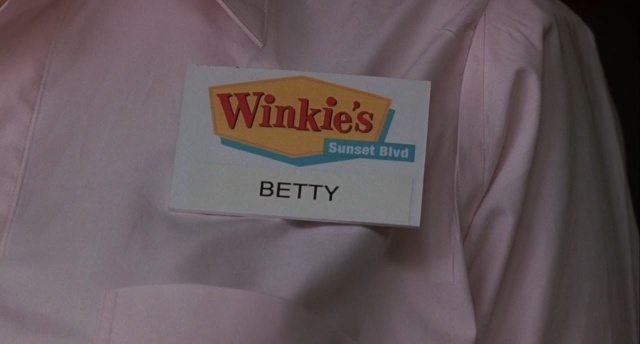
Dream-Betty is bright, optimistic, and self-confident, utterly unlike the Diane of reality, who is run-down, destitute, and insecure. In fact, Dream-Betty is the idealized person Diane secretly wishes she could become. Diane longs to escape reality, so in the dream she even changes her own name: “If I were Betty, everything could start over. Wouldn’t that be nice!”
Analysis 2
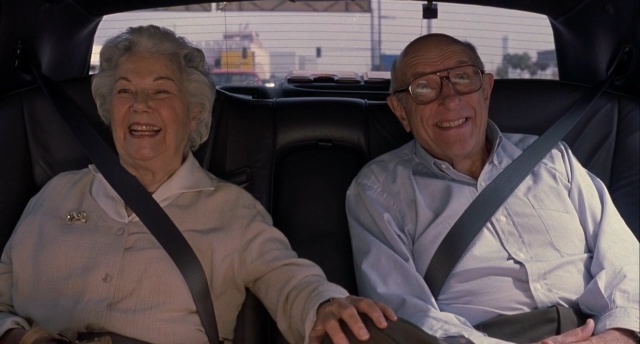
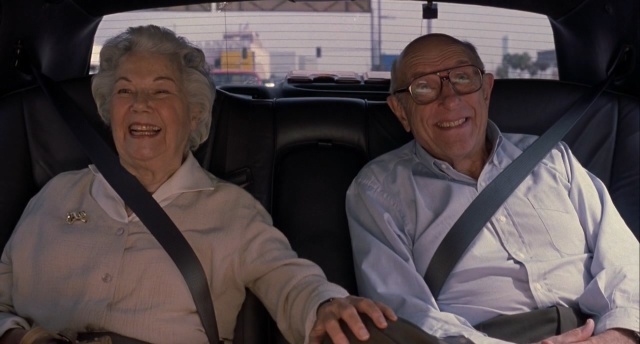
In reality, the old couple are actually Diane’s aunt and uncle. But in the dream, her aunt and uncle have been rewritten as strangers. The reason is that Diane is trying to lessen her guilt in the dream—if the people who pinned all their hopes on her were merely strangers, then her remorse would not be so enormous that she could no longer bear it. Her inability to face the aunt and uncle who raised her and placed such high hopes in her is an important reason Diane ultimately kills herself.
The final shot in this sequence shows the old couple sitting in a car, their faces glowing with the kind of happy smiles typical of parents filled with hope for their children. Yet the background music is strangely eerie. It is a direct portrait of the guilt Diane feels toward her aunt and uncle.
Dream Sequence Three: The Devil
In a diner, two men are talking. One is a man Diane once happened to encounter when making the deal with the hitman (for now, let’s call him “Random Guy”); the other seems to be a psychologist. Random Guy says he saw a devil behind the diner. They walk outside, and sure enough, a devil appears behind the wall—the vagrant who, in reality, handed the blue box to Diane.
Analysis
In reality, the vagrant is the person who delivered the blue box to Diane on the hitman’s behalf, and a witness to Diane’s crime. Deep down, Diane is terrified of seeing this person. So in the dream, she replaces herself with Random Guy, who knows nothing about her crime. By hiding herself inside Random Guy’s shell, she indirectly vents her fear of the vagrant (this is the process of identification proposed in The Interpretation of Dreams).
Dream Sequence Four: The Unlucky Director
Director Adam is looking for a female lead for one of his big-budget films. But the underworld figures controlling the production company send him a photo of a blonde woman named Camilla and force Adam to cast her as the lead.
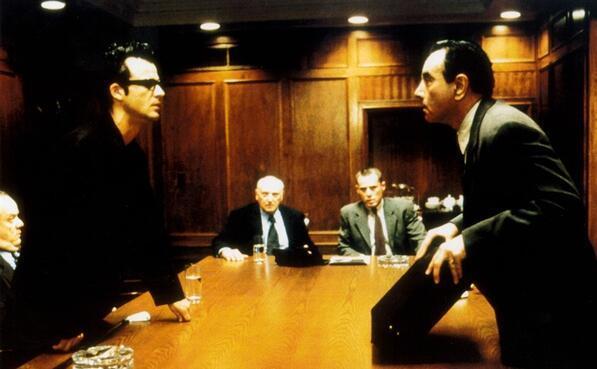
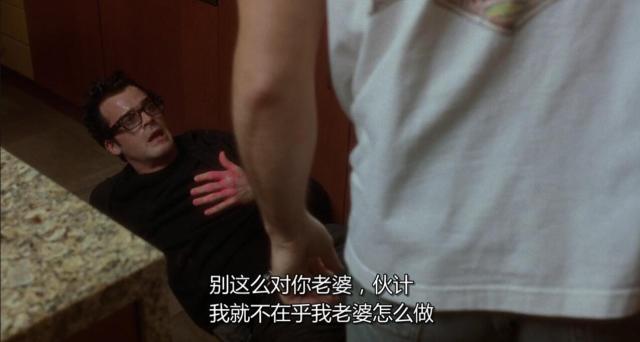
Adam storms away. When he gets home, he discovers his wife fooling around with the cleaner. In a fit of rage, he destroys his wife’s jewelry, only to be beaten up by her lover and thrown out of the house.
Analysis 1
Adam is one of the people chiefly responsible for Camilla leaving Diane. So in the dream, Diane takes fierce revenge on Adam: he is bullied by the company and cuckolded.
Adam really did get divorced in reality. At a party, he mentions that he got the pool while his ex-wife got the pool cleaner. But given Adam’s personality, he would not tell other people about the humiliating experience of being beaten up by his wife and the cleaner. So the scene in which Adam gets beaten must have been invented by Diane.
Analysis 2
As for the meaning of the very important “casting scandal” and why Camilla is replaced by a blonde woman, I’ll analyze that after this entire stretch of the story has been laid out.
Dream Sequence Five: The Inept Hitman
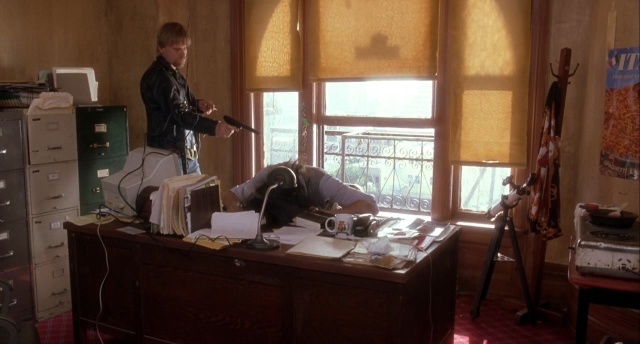
The hitman makes his entrance: he kills a long-haired man, accidentally shoots the female secretary, finally manages to kill the secretary, gets spotted by the cleaner, kills the cleaner, then accidentally hits a vacuum cleaner and sets off a huge alarm.
Analysis
Diane knows that in reality Camilla has already been killed by the hitman—and will someone discover it? This intense doubt and terror appear in the dream as a hitman who tries to cover up his murders but keeps messing up. The harder he tries to conceal the truth, the more disastrously things backfire.
Dream Sequence Six: The Landlady
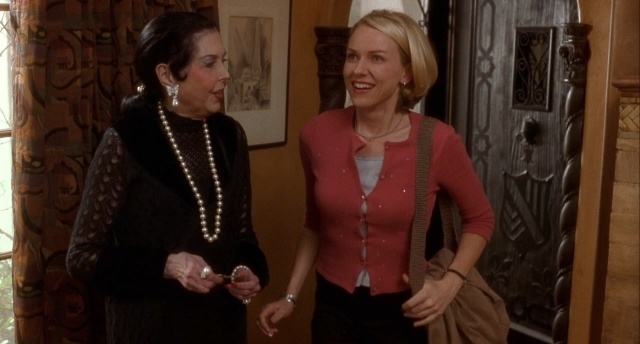
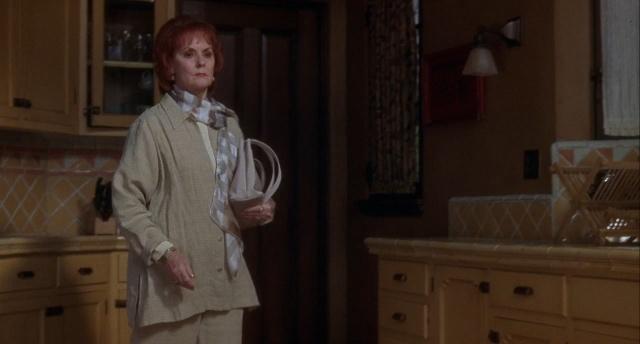
Betty arrives at the apartment her aunt has left for her, and the landlady, Coco, comes to welcome her. The apartment is luxurious and comfortable, and Betty is extremely pleased.
Analysis 1
Diane’s aunt used to be an actress in Hollywood and later moved to Canada, as Diane revealed at Adam’s party. In the dream, Diane invents an idealized aunt—someone with connections in Hollywood (in a later dream, the person in charge when Betty auditions is the aunt’s friend) who has also left Betty a very nice place to live. This creates a vivid contrast with reality: in reality, Diane is deeply lonely and helpless. She comes to Hollywood alone and can afford only a shabby room.
Analysis 2
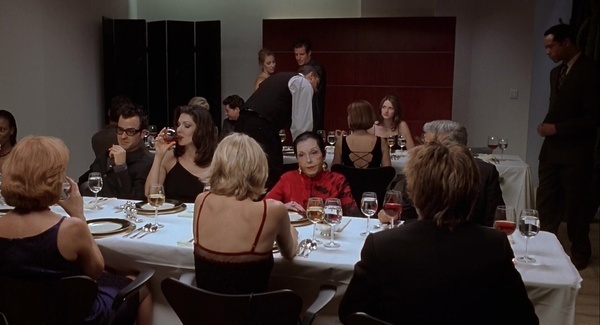
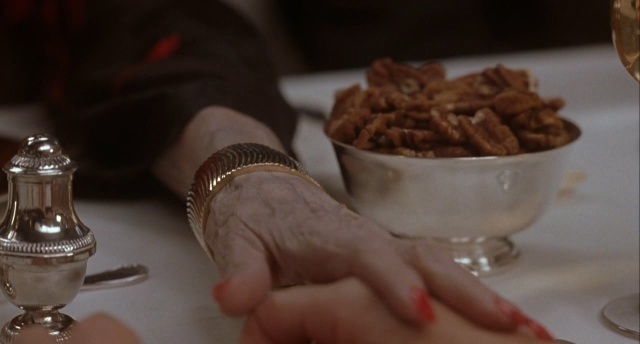
The image of the landlady Coco comes from Adam’s mother in reality. At the party, Diane has a brief conversation with Coco. Coco feels a little sympathy for Diane’s situation. When Adam says, “Camilla and I are about to get married,” Coco shows a trace of disdain. This sympathy and understanding that Coco lets slip causes Diane to transform her in the dream into a landlady who is warmly disposed toward her.
Dream Sequence Seven: Rita
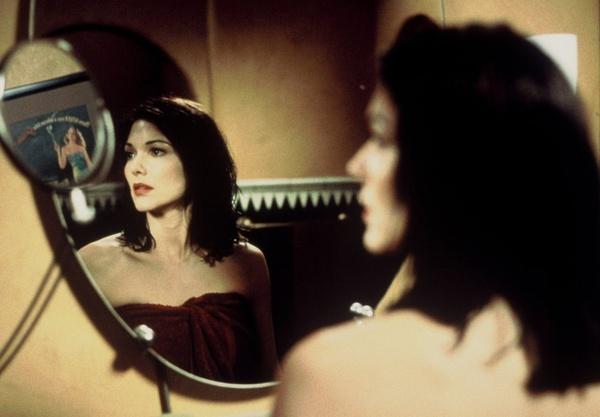
Betty discovers Camilla hiding in the apartment. Camilla has lost her memory in the car accident; she has forgotten her name and identity, and uses the name Rita, taken from the Hollywood star Rita Hayworth’s name on a poster in the apartment. After hearing Rita’s story, Betty decides to help her uncover the truth. In Rita’s handbag, they find a large amount of cash and a blue key.
Analysis 1
Camilla’s bearing in reality and in the dream are worlds apart. The real Camilla is coolly glamorous and haughty; Dream-Camilla (Rita) is helpless and melancholy, which perfectly matches Diane’s real-life bearing. Diane longs to be the stronger one, protecting the vulnerable Rita.
Diane’s strongest wish is for Camilla to remain by her side forever. So in the dream, Camilla loses her memory and can only depend on Betty. Their personalities, dependent relationship, and even their fates are perfectly reversed between reality and the dream.
Analysis 2
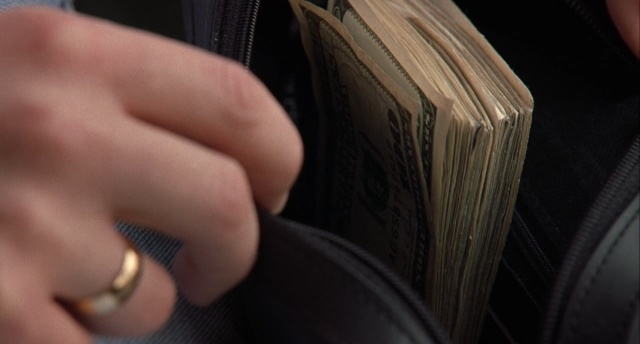
The money comes from the fee Diane paid the hitman. In reality, Diane hires the hitman with a wad of bills, while in the dream there is far more money in Rita’s handbag. Perhaps one deeply hidden wish in Diane’s unconscious is that even if Camilla has to die, she should not die at the hands of the cheap hitman Diane hired, but should die in a slightly more “valuable” way.
Analysis 3
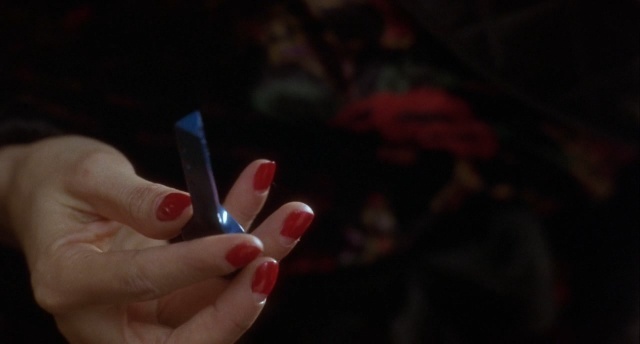
This blue key is the key used in reality to open the blue box containing proof that Camilla is dead. It is a projection of Diane’s greatest anxiety.
Dream Sequence Eight: The Motel
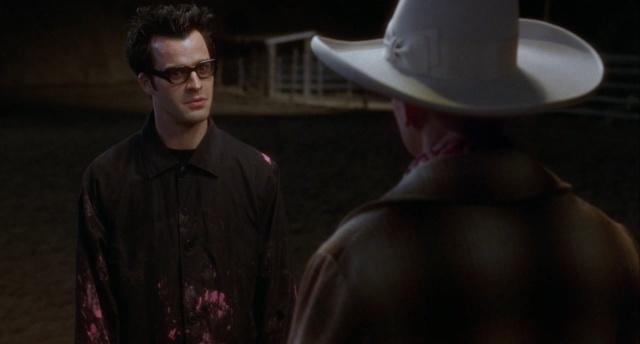
Director Adam checks into a cheap motel. The motel owner tells him that his bank account has been frozen. Adam is then threatened by a mysterious Cowboy, who is clearly an enforcer for the film company’s behind-the-scenes underworld.
Analysis
A continuation of the “casting scandal.”
Dream Sequence Nine: The Audition
Betty is going to audition. First, she rehearses her lines with Rita at home. At the audition the next day, her flawless performance wins everyone over.
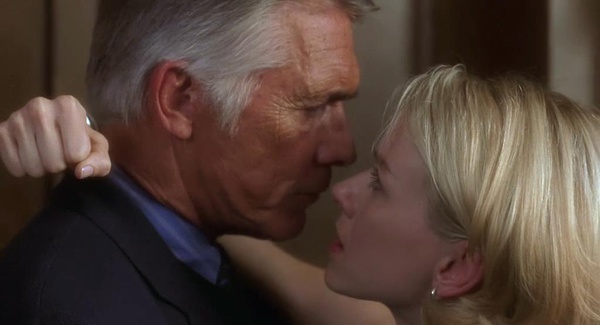
She is taken to the studio to meet Director Adam. At that moment, the blonde Camilla recommended by the film company’s underworld is also auditioning. Adam reluctantly gives in and says, “This is the girl I’m looking for.”
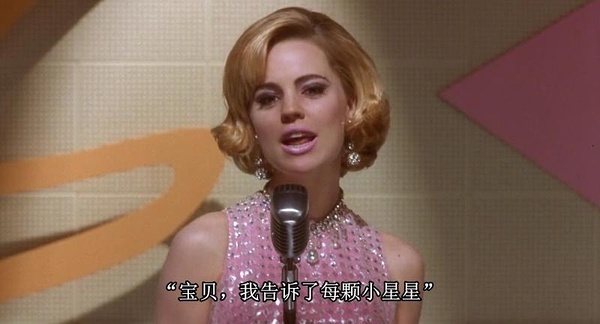
But then he notices Betty behind him, and the two seem to fall in love at first sight. Betty, however, inexplicably flees the studio on the pretext of helping Rita.
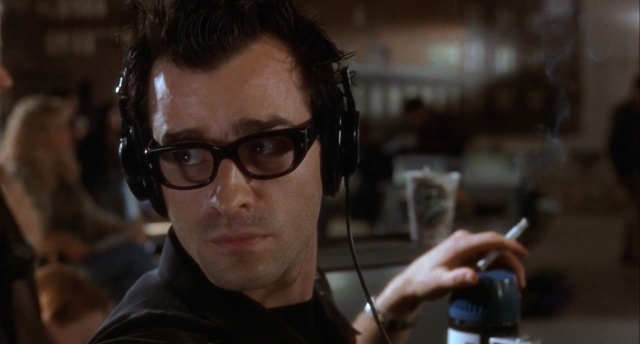
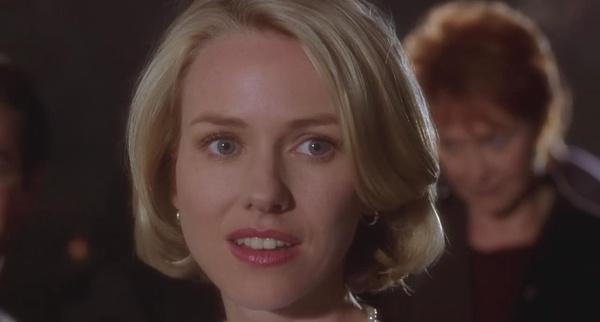
Analysis 1
This is a crucial stretch of the dream. As I mentioned earlier, Diane and Camilla’s identities and experiences are exchanged in the dream. Besides being Diane’s ideal self, Dream-Betty also carries many of the qualities and experiences of the real Camilla.
And this stretch of the dream did happen in reality—only it was Camilla, not Diane, who succeeded at the audition. Here, Betty becomes more directly an incarnation of the real Camilla (Diane identifies herself with Camilla; naturally, she wishes she could audition successfully and become rich and famous just like Camilla).
In reality, it was Camilla who fell in love with Adam at the studio. Adam’s line, “This is the girl I’m looking for,” really was addressed to the real Camilla. But how desperately Diane wishes this scene had never happened. How desperately she wishes Adam had chosen another actress instead of Camilla, so that Camilla would have stayed by her side forever.
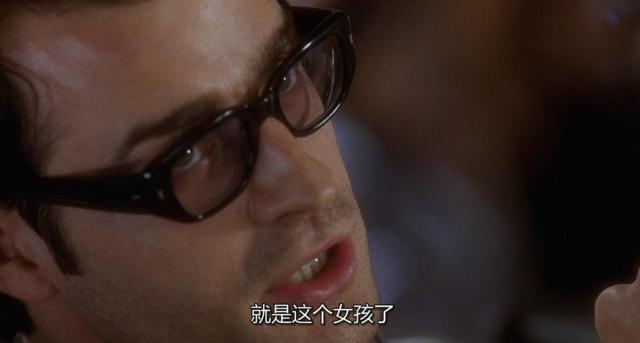
Diane therefore invents a “casting scandal” in the dream, in which Adam chooses another actress under the control of the underworld. This is the disguised fulfillment of the wish, “If only Adam hadn’t chosen Camilla at the audition.” It is also why Dream-Camilla is replaced by a blonde woman Diane has never met.
Then, when the scene of Adam and Betty falling in love at first sight appears, Diane actually understands that in reality this is where Camilla and she began to go their separate ways. Her unconscious refuses to let the two of them continue developing their relationship, so Betty inexplicably leaves the studio.
Analysis 2
In reality, there were two auditions. The first was for Silvia North Story, directed by Bob Broker (the director who auditions Betty in the dream). Both Camilla and Diane went to audition, and that was when they met. Camilla got the role, and it set her on the road to fame. The later one was the audition for Adam’s film. Dreams have a condensation effect—they compress different materials from reality and use them together. Here, Diane condenses the two real-life auditions into one.
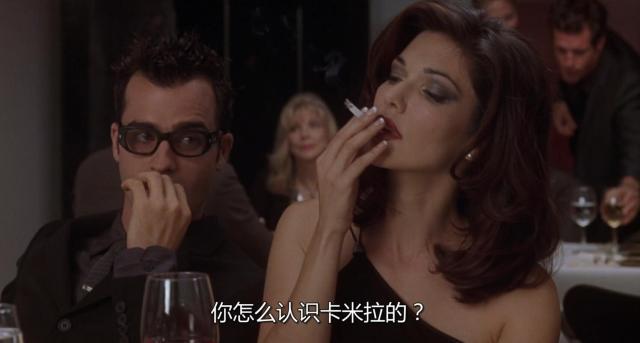
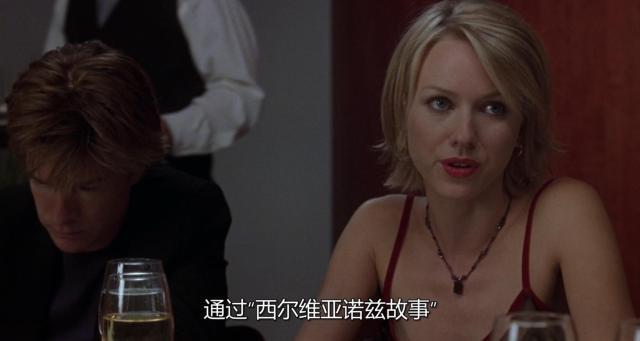
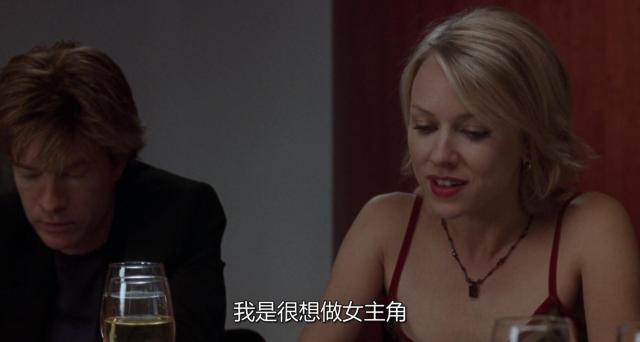
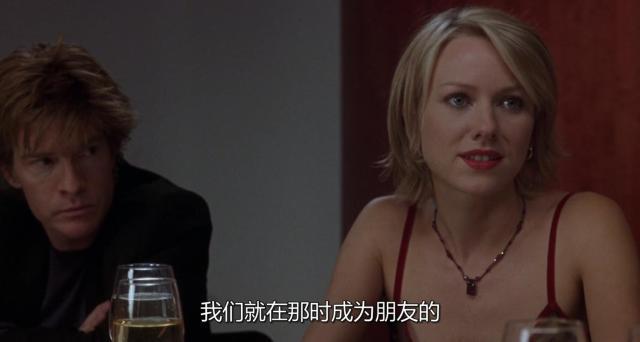
Dream Sequence Ten: The Corpse
Rita sees the name “Diane” on the diner waitress’s name tag and remembers that her real name may be Diane.
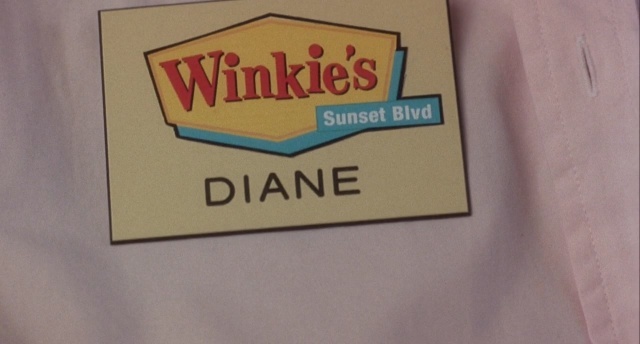
Betty and Rita then find the apartment where Diane lives and discover a woman’s corpse, already rotting on the bed.
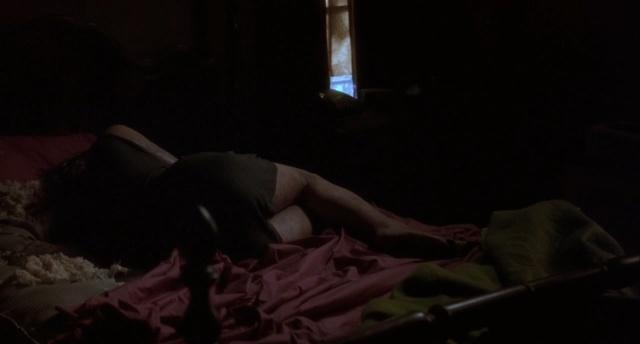
Analysis
Diane’s deepest fear finally appears in the dream. That apartment really is the one Diane lives in, and the rotting corpse—with black pajamas and shoulder-length black curls—is what the real Camilla looks like. This is the scene of Camilla’s death as Diane imagines it. In the dream, her death is linked to the name Diane.
“Camilla has been killed by Diane!” Diane’s awareness of this is projected into the dream.
Dream Sequence Eleven: The Blonde Woman
As they near Diane’s apartment, they see several men who look like bodyguards. One of them even picks up a blonde woman. For no reason they can explain, they hide from these people.
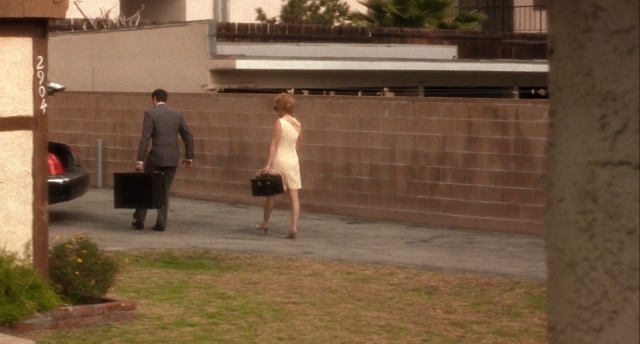
Analysis
In reality, Camilla is already a moderately well-known young star. So whenever she comes to Diane’s place, she always wears a blonde wig to avoid being recognized, and bodyguards escort her there and back. This is where the images of the bodyguard and the blonde woman come from.
Dream Sequence Twelve: The Blonde Rita
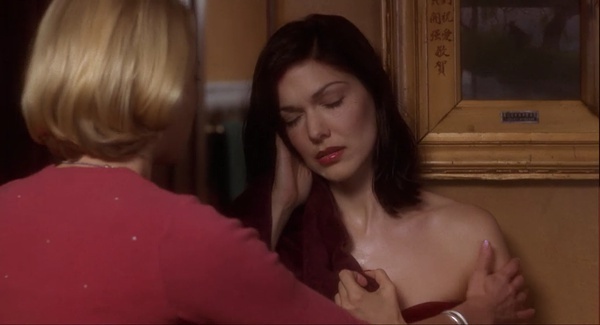
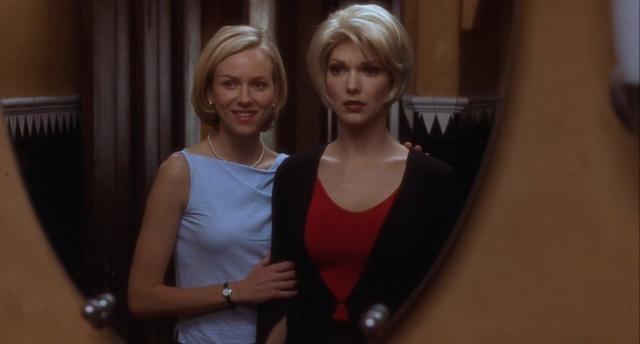
Betty and Rita flee back home, and Rita is deeply afraid that she too will meet a violent end. Betty helps her put on a blonde wig. Betty invites Rita to share her bed; they have sex and express their love for each other.
Analysis 1
Rita finally puts on the blonde wig. This must be how Camilla looks whenever she appears at Diane’s place in reality. Only when Camilla wears the blonde hair does she become completely Diane’s.
Analysis 2
The wish to have Camilla back by her side has finally come true in the dream. But in Diane’s subconscious, she still understands that Camilla is gone, which is why the music in this scene has a faint taste of parting forever.
Dream Sequence Thirteen: Club Silencio
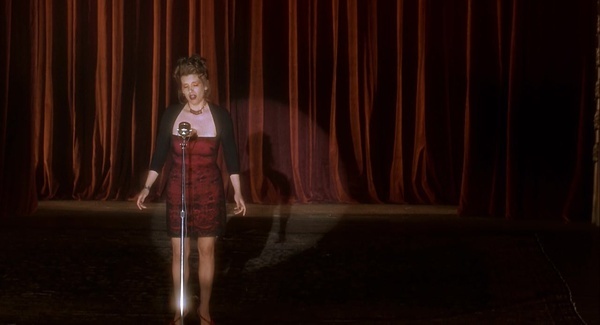
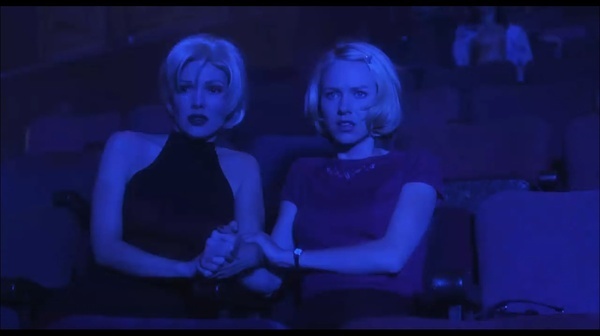
In the dream, Rita keeps calling out the word “Silencio” in Spanish. Betty wakes her up. They go to a theater called Club Silencio to watch a performance. Its theme is: “Everything you see and hear is an illusion, a phantom.” Betty keeps sobbing in the audience, even starting to tremble violently. Rita suddenly finds the blue box in her bag.
Analysis
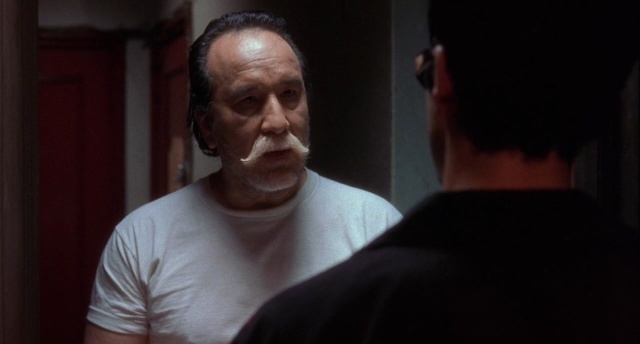
This nightmare is about to end. Club Silencio should be a place Diane and Camilla visited in reality. We can infer that from one of the theater’s performers, the “old man with the white beard.” In the earlier dream sequences, he was the owner of the hotel where Adam stayed when he was down on his luck. The performer at Club Silencio should be his real identity.
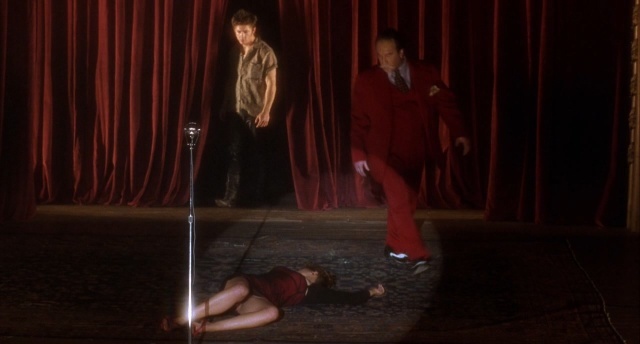
The theater performance is about exposing illusions, which corresponds perfectly to the idea that “the dream is unreal, and a cruel reality is about to arrive.” Betty (the dreamer, Diane) keeps convulsing because she realizes this. At the same time, the blue box, representing Diane’s crime in reality, also appears, and everything becomes more and more “real.”
Because of the special nature of its performance theme, Club Silencio appears near the end of this dream and becomes a transitional scene between dream and reality.
Dream Sequence Fourteen: The Blue Box
Back home, Rita takes out the blue key. Betty disappears, and Rita opens the blue box by herself. The camera enters the box, into a stretch of darkness.
Analysis
The dream is nearing its end. Betty is gone, and Rita has by now almost completely become Diane’s alter ego. It is as if the world has been reduced to Rita alone (which really means Diane herself), helpless and terrified as she takes on the guilt of what she has done (the blue box).
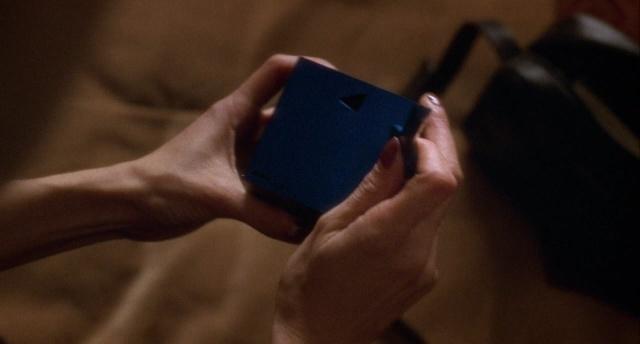
Dream Sequence Fifteen: The End
Betty’s aunt looks around her apartment, then leaves. The camera suddenly cuts to Diane’s apartment. Lying on the bed is the corpse from Diane’s apartment in the dream, back when it was still intact. The Cowboy pushes open the door and says, “Beautiful, time to get up!”
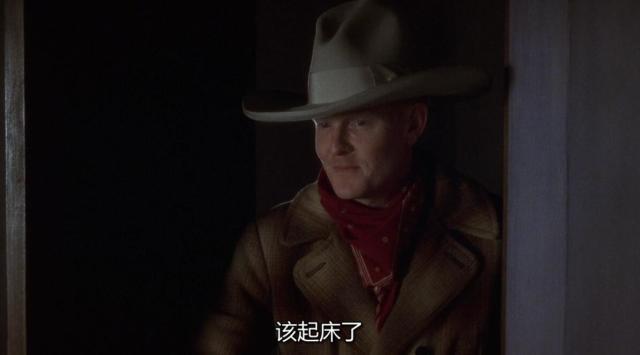
The camera cuts back to the bed. The corpse has already begun to rot. The nightmare ends.
In the next shot, Diane lies on the bed in the same position as the corpse. A friend who is switching apartments with her comes to pick up some things, and the friend’s knocking wakes Diane up.
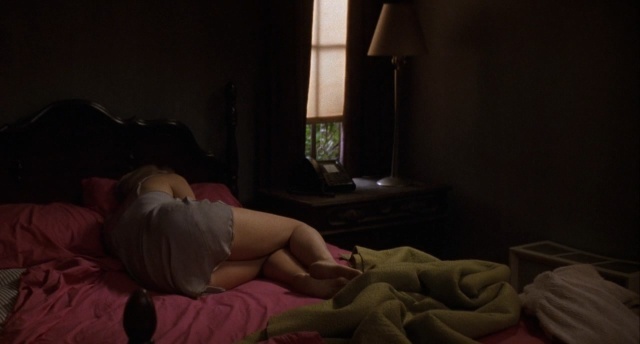
Analysis
Diane is now in a half-dreaming, half-awake state. “Beautiful, time to get up”—is that something people used to say to Diane all the time? Was it the Cowboy? In reality, the Cowboy appears only once, at Adam’s party, and we never see his face clearly. If the Cowboy said it, then could he have been Diane’s lover? A more reasonable guess might be that Diane and Camilla used to say this to each other all the time, and in the dream the speaker’s image was replaced by the Cowboy (the Cowboy really is an extremely difficult character to figure out).
That is my reading of the nightmare that is Mulholland Drive.
Further Notes and Supplement
- About Freud
In 2001, David Lynch’s Mulholland Drive began circulating in China after receiving rave reviews from film critics. My plot analysis of Mulholland Drive was first posted on the NetEase Entertainment forum, and later spread all over the internet. My connection with psychology and film criticism both began here.
When I wrote this review, I was still an undergraduate majoring in chemistry. I never expected that after graduating, I would actually switch fields and study psychology. Once I entered the field, I gradually realized how deep my earlier misunderstandings of psychology had been. For example, the dream-analysis approaches mentioned in this review are already highly marginal and non-mainstream in today’s scientific psychology. Freud’s ideas may look profound, but they were not derived through scientific methods; if you seriously put them to the test, very few of them stand up. - Artists all love Freud. David Lynch is the best example: he built the plot of Mulholland Drive almost entirely around The Interpretation of Dreams. Yet in the eyes of someone working in psychology today, Freud may still qualify as a great thinker, but he was not a competent scientist.
Archive
This article was included in The 24-Frame Psychology Code: Psychology in Film.

Version History
This article has been revised several times. This page presents the version included in The 24-Frame Psychology Code. Other versions:
- Zhihu Q&A version: https://www.zhihu.com/question/19820247/answer/30243673
- Zhihu column version: https://zhuanlan.zhihu.com/p/20701721
- Douban film-review version: https://movie.douban.com/review/4535612/
- Mtime version: Deleted by the site administrator for unknown reasons.
- Southern Metropolis Daily version: The first version of this article was published in Southern Metropolis Daily. The editor in question merely let me know, and to this day I have never seen that issue of the newspaper.
- NetEase forum version (original): Gone with the forum, vanished without a trace…
Leave a Reply